Nature and Birding in the Ecuadorian Cloud Forest and Galápagos Islands

with Hawks Aloft
Date:
Jun 18 - Jun 29, 2024
Duration:
12 Days
Price:
From $7,495
Interests:
Join Waitlist This departure is SOLD OUT Print Itinerary

About this trip

Explore the beauty of mainland Ecuador and the magic of the Galápagos Islands on this 12-day journey with Hawks Aloft. Begin your experience in the cloud forests of the Ecuadorian Andes; here, much of the avifauna you’ll encounter is endemic to the Chocó region, while other species are more easily found here than any place else. Then, transition to the Galápagos Islands, where you'll cruise aboard the Tip Top IV, encountering the iconic wildlife and unusual volcanic landscapes that make this archipelago so special.

Highlights

  • Visit the Alambi Cloud Forest Reserve, where 250 avian species—including 32 varieties of hummingbirds—have been recorded.
  • Venture to Milpe Bird Sanctuary, a 250-acre subtropical rainforest reserve and ecoregion and biodiversity hotspot that supports 62 restricted-range species, the largest of any Endemic Bird Area in the Americas.
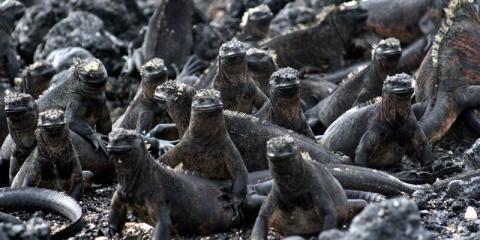
  • See North Seymour Island and observe Blue-footed Boobies, marine iguanas, pelicans, frigatebirds, shore birds, sea lions, and endemic Palo Santo trees.
  • Land at Punta Espinosa to observe a large colony of sea lions, marine iguanas, Flightless Cormorants, and clumps of lava cactus.
  • Witness the native forests and Los Gemelos, a pair of sinkholes created by the collapse of surface material in underground fissures and chambers, among Santa Cruz Island.

About Hawks Aloft

Hawks Aloft, Inc, a 501-C-3 nonprofit organization based in Albuquerque, New Mexico was founded in 1994 by 12 like-minded individuals with expertise in a wide variety of professional fields. Our vision focuses on protecting indigenous wild birds and their habitats. Our goal was then, and continues to be to act with transparency and collaborate with others to build a network that conducts research on all species of birds and fosters future leaders by providing school-year long education programs free of charge to low income schools. In 2013, we incorporated raptor rescue into our mission in response to overwhelming requests for help with injured birds. Today, we run the New Mexico Raptor Rescue Hotline, a free statewide resource for people who have found an injured bird or have other concerns.  

We are proud to partner with Holbrook Travel to be able to offer our members and others the opportunity to travel, see native wildlife in other lands, experience differing cultures, and learn from local conservationists about efforts in their countries. https://hawksaloft.org

About your leader

Gail Garber

Gail Garber, Executive Director, discovered her passion for birds over 30 years ago. She has dedicated her life to avian studies, education, and other aspects of Hawks Aloft, and has traveled much of the U.S. as well as Canada, Venezuela, Honduras, United Arab Emirates, Kenya, Tanzania, Italy, France, and Switzerland. She has led birding tours to New Zealand, Ecuador, Costa Rica, Peru, and Guatemala. Garber is a popular speaker for adult programs at birding festivals in New Mexico and Colorado where she regularly leads raptor tours, sharing her love of birding and conservation. As an artist, writer, and executive director of Hawks Aloft, Gail has written three books and published numerous articles in many fields. In her other life, she is a professional quilt maker (Gail Garber Designs) and often travels to teach and lecture on methods that she has developed. Much of her leisure time is spent outdoors, often in the company of her two beloved dogs, Martial and Harpy.

Land Cost

$7,495

Per person

About this price

Land cost only. Does not include round-trip airfare to and from destination.

What makes us different

Scopes

All of our birding guides carry scopes to improve your chances of spotting even the most hard to find species

Rich content

All of our programs include experiences that are enriching and engaging to facilitate a genuine connection between our travelers and their destinations

Wildlife up-close

Enjoy up-close observation of the behaviors and interactions of wildlife in their native habitats

Service anytime

Enjoy worry-free travel — our emergency line is monitored 24/7/365 so we can assist you if any problems arise while you’re traveling with us

Local cuisine

Live like the locals and enjoy fresh and delicious typical meals throughout your journey

Top birding guides

Our in-country birding guides are experts in bird identification and behavior, providing rewarding experiences for everyone from novice birders to ornithologists

Daily Itinerary

Print Itinerary
Quito
Upon arrival at the Quito International Airport, after clearing customs and collecting your luggage, you will be met and transferred to Quito for overnight.
Sheraton Quito
Sachatamia Reserve
Early morning breakfast and program orientation before departing to Sachatamia Reserve, making several stops en route along the Paseo del Quinde ecoroute, known also as Nono-Mindo Road. Your first stop is at Yanacocha Biological Reserve. At an altitude of approximately 10,000 feet, and comprising 2,371 acres, this protected area was established to safeguard the critically endangered and endemic Black-breasted Puffleg. After a picnic lunch in the reserve, continue driving with quick stops to look for stunners such as Toucan Barbet, Plate-billed Mountain-Toucan, and Beautiful Jay. Stop at Alambi Cloud Forest Reserve, where 250 species-including 32 varieties of hummingbirds-have been recorded. The reserve covers a large range of altitudes (4,750 to 7,210 feet) and spans two major basins: the Alambi Valley and the pristine Goaycape Valley. While at Alambi, stop to visit a plant nursery that's at the heart of a community reforestation project and learn more about the program and the various species of flowering plants being cultivated to restore habitat for the Black-breasted Puffleg. Continue to Mindo in time for dinner. Some of the birds of the day: At Yanacocha: Andean Guan, Rainbow-bearded Thornbill, Golden-breasted and Sapphire-vented Pufflegs, Great Sapphirewing, Sword-billed Hummingbird, Ocellated and Blackish Tapaculos, Black-chested and Scarlet-bellied Mountain-Tanagers, Golden-crowned Tanager, En route: Toucan Barbet, Plate-billed Mountain-Toucan, Beautiful Jay, At Alambi: Brown Violetear, Booted Racket-tail, Fawn-breasted and Green-crowned Brilliants, and Silver-throated Tanagers.
Breakfast-Lunch-Dinner included
Sachatamia Lodge
Puembo
This morning, visit Milpe Bird Sanctuary, a 250-acre subtropical rainforest reserve with an altitudinal range of 3,350 to 3,770 feet and protecting an important tract of remnant forest in the Chocó foothills. The Chocó is an ecoregion and biodiversity hotspot that ranges from the Pacific coast of Colombia south to Ecuador, and it supports 62 restricted-range species, the largest of any Endemic Bird Area in the Americas. In the afternoon, visit the productive feeders at the family-run San Tadeo Birdwatching Spot. Transfer to Puembo Birding Garden for dinner and overnight. Some of the birds of the day: At Milpe: Pallid Dove, White-whiskered Hermit, Purple-bibbed Whitetip, Blue-tailed (Chocó) Trogon, Chocó Toucan, Esmeraldas Antbird, Club-winged Manakin, and Rufous-throated Tanager. At San Tadeo: Violet-tailed Sylph, Red-headed Barbet, Crimson-rumped Toucanet, Flame-faced Tanager, Black-capped Tanager, Golden-naped Tanager, and more Chocó endemics: Brown Inca, Velvet-purple Coronet, Empress Brilliant, Dusky Chlorospingus, and Black-chinned Mountain-Tanager.
Breakfast-Lunch-Dinner included
Puembo Birding Garden
Baltra/North Seymour Island
Early this morning you will be transferred to the Quito International Airport for your flight to the Galápagos Islands, specifically the island of Baltra. You will be met by your guide from M/Y Tip Top IV, who will assist you in transferring to the yacht. As the crew weighs anchor, you'll be greeted with your first orientation and a light snack. After boarding M/Y Tip Top IV, attend your first orientation and have a light snack. In the afternoon, take a panga ride around Black Turtle Cove, a series of mangrove surrounded coves and islets. Here you can observe whitetip reef sharks, sea turtles, spotted eagle rays, and yellow cow nosed rays. Each day during the cruise will include optional time for swimming, snorkeling and/or kayaking for those who would like. Return to the yacht for a welcome cocktail with the entire crew, followed by dinner. Please note: Cruise itineraries are subject to change without prior notice due to unforeseen circumstances (e.g. weather) or at the discretion of the captain, guide, or the Galápagos National Park.
Breakfast-Lunch-Dinner included
M/Y Tip Top IV
Darwin Bay/Prince Phillip's Steps
After breakfast, make a wet landing at Darwin Bay on Genovesa Island to walk and observe frigatebirds, herons, mockingbirds, boobies, shore birds, turtles, marine iguanas, etc. Return to the boat for a delicious lunch. Later in the afternoon, make a dry landing on Prince Philips's Steps (El Barranco) to walk and observe the interesting lives of the birds here. Each night during the cruise, you'll have dinner and a nightly orientation aboard the boat; during tonight's orientation, learn about conservation efforts to protect the islands.
Breakfast-Lunch-Dinner included
M/Y Tip Top IV
James Bay
After breakfast, visit the Interpretation Center Fausto Llerena Breeding Center inside the Charles Darwin Research Station. Learn about the station's important conservation and education work, and see some of the giant tortoises that are being raised for reintroduction into the wild. After lunch explore the native forests in El Chato Reserve, then go to a farm to search for giant tortoises in the wild. Return to the yacht for dinner and our night orientation.
Breakfast-Lunch-Dinner included
M/Y Tip Top IV
Punta Vicente Roca/Punta Espinoza
After breakfast, take a panga ride at Punta Vicente Roca on Isabela Island to observe plenty of sea lions, marine iguanas, Blue-footed and Nazca Boobies, and Flightless Cormorants. In the afternoon, make a dry landing at Punta Espinosa on Fernandina Island to observe a large colony of sea lions, marine iguanas, Flightless Cormorants, and clumps of lava cactus.
Breakfast-Lunch-Dinner included
M/Y Tip Top IV
Tagus Cove/Elizabeth Bay
After breakfast, take a panga ride around Tagus Cove, a protected cove between the shoulders of two volcanic craters which protect it from the open sea; look for marine iguanas, sea lions, and a variety of birds, including Galapagos Penguins, Flightless Cormorants, and Blue-footed Boobies. Return to the yacht for lunch. In the afternoon, take a panga ride around the islets of Elizabeth Bay for the chance to see marine iguanas, penguins, sea turtles, herons, and Blue-footed Boobies.
Breakfast-Lunch-Dinner included
M/Y Tip Top IV
Urbina Bay/Punta Moreno
After breakfast, make a wet landing on Isabela Island's Urbina Bay to walk and observe a coral area, land iguanas, Flightless Cormorants, and giant tortoises. Sail further south to Punta Moreno for another wet landing. Walk along shore lagoons located among petrified lava flows where different type of birds can be seen. Enjoy panoramic views of the famous volcanoes Sierra Negra and Cerro Azul, as well as the highest part of nearby Fernandina Island. Return to the yacht for dinner and our night orientation.
Breakfast-Lunch-Dinner included
M/Y Tip Top IV
Point Cormorant/Champion Islet
After breakfast, make a wet landing at Cormorant Point on Floreana for a short walk to the island's flamingo lagoon. Continue walking to reach La Picona beach to look for sea turtles amid their spawning grounds. Later, take a panga ride around Champion Islet, a small island off the coast of Floreana Island. The principal attraction is the nearly extinct Floreana Mockingbird; also look for Swallow-tailed Gulls, Nazca Boobies, and Brown Noddies. This is a great place for snorkeling; sea turtles, reef fishes, Galapagos Penguins, and whitetip reef sharks can all be seen here. In the afternoon, make a wet landing at Post Office Bay, a historical site that recalls the days of the 18th century whalers who placed a wooden barrel here to use as a post office - a tradition that continues today.
Breakfast-Lunch-Dinner included
M/Y Tip Top IV
Guayaquil
After breakfast, make an early wet landing on Mosquera Islet. Formed as a result of a volcanic uprising, this small islet consists of a white sand beach, tide pools, and a reef of rocks and coral. Observe colonies of sea lions, Brown Pelicans, Blue footed Boobies, and Sally Lightfoot crabs; the contrast between the crabs' bright red and blue coloration against the black lava is stunning. Afterwards continue to the Baltra airport. Lunch at the airport is on own today. Your flight today will be to Guayaquil on Ecuador's coast. Upon arrival, after collecting your luggage, you will be met and transferred to Hotel Oro Verde. You will have the remainder of the afternoon at leisure. Meet together during the early evening for a festive farewell dinner at the hotel.
Breakfast-Dinner included
Hotel Oro Verde
Departure
This morning, at the appropriate time, you will be transferred to the Guayaquil International Airport for your flight out.
Breakfast- included
Land Cost

$7,495

Per person

About this price

Land cost only. Does not include round-trip airfare to and from destination.

What's Included
  • Activities and meals as mentioned in itinerary
  • Arrival and departure transfers based on individual flight schedules
  • Water refill station during transfers
  • Carbon Offset
  • Donation
  • Full time guide per region for the duration of your program
  • Galapagos National Park fees
  • INGALA card
  • Internal flights relevant to itinerary
  • Non alcoholic beverage with meals
  • Snorkel gear
What's Not Included
  • International airfare
  • Items of personal nature
  • Tips
  • Travel Insurance
Pricing Details
Cost is based on a minimum of 12 participants in double occupancy.

A $1000 per person deposit and enrollment form is due to hold your space on this trip. This deposit is refundable 180 days prior to departure excluding a $500 cancellation fee. Cancellations after this date are non refundable.

Please note: Your participation as a traveler indicates acceptance of Holbrook Travel’s Covid-19 protocols in place at time of travel.

Holbrook Travel strongly recommends the purchase of travel insurance for medical emergencies while traveling and to protect your investment. Please note the purchase of Cancel for Any Reason Coverage or to exclude pre-existing conditions with Trip Cancellation coverage may require policy purchase within 10-14 days of your initial deposit, depending upon the provider.

Final payment due date: March 15, 2024

Travel Info

Print Travel Info

Entry & Exit Requirements

U.S. citizens must have a valid passport to enter Ecuador. Passports must be valid for at least six months after the date of departure.

For visits fewer than 90 days, visas will be issued upon arrival in Ecuador. Tourists may be required to provide evidence of return or onwards travel.

If you are not traveling with a U.S. passport, please check with the Embassy of Ecuador for the requirements based on your nationality.

Health Information

IMMUNIZATIONS

The Centers for Disease Control recommends that all travelers be up to date on routine vaccinations such as measles-mumps-rubella (MMR) vaccine, diphtheria-pertussis-tetanus vaccine, varicella (chicken pox) vaccine, and your yearly flu shot before every trip.

There are no vaccinations required for entry into Ecuador (unless you are traveling from Brazil, Democratic Republic of the Congo, or Uganda, in which case proof of yellow fever vaccine is required).

Though not required, the CDC recommends inoculation against hepatitis A, hepatitis B, and typhoid for most unvaccinated travelers to Ecuador.

Please consult your physician for additional information and recommendations based on your individual circumstances.

MALARIA

Malaria is not known to be present in Guayaquil, Quito, or the Galápagos Islands, and is rare at elevations above 5,000 feet. According to the CDC, the estimated relative risk of malaria for U.S. travelers in Ecuador is low. If you are concerned about malaria prevention, please consult your physician.

Dengue Fever & other insect-borne illnesses

The CDC warns that dengue fever is a potential risk in Ecuador. In addition, locally transmitted cases of Zika virus, chikungunya, and other insect-borne illnesses have previously been reported. The CDC recommends that travelers to Ecuador protect themselves against insect bites: cover exposed skin with lightweight, long-sleeved shirts and pants, consider treating clothes with permethrin, and use an insect repellent containing an active ingredient like DEET or picaridin. Apply sunscreen first, followed by the repellent (preferably 20 minutes later). As a precaution, the CDC advises women who are pregnant to consider postponing travel to any area where Zika virus transmission is ongoing.

SEA SICKNESS

If you’re prone to feeling queasy, we suggest you consult your physician for advice on the best ways to prevent motion sickness. We recommend that you avoid showering when the boat is in motion and remain cautious of activities while passing through rocky waters.

ALTITUDE SICKNESS

Upon arrival at locations of high elevation, shortness of breath and a pounding heart are normal responses to the lack of oxygen in the air. However, for some visitors, these symptoms can deteriorate into altitude sickness. Headache, extreme tiredness, dizziness, nausea, and loss of appetite are standard symptoms. Staying hydrated and well rested is important to adjust to the altitude. Avoiding heavy, fatty foods and alcohol in the days before arriving to altitude can help. Over-the-counter medications are also available to help prevent or alleviate symptoms. It’s advisable to avoid sleep medications, as they can slow breathing and respiration, which aid in getting the blood oxygenated while sleeping. Participants who take blood pressure medications should discuss this with their doctor as the medication can drop pressure too low at times.

SUN EXPOSURE

The effects of the sun can be damaging to the eyes and skin. Spending time outdoors exposes you to the sun’s harmful ultraviolet (UV) rays, even on cloudy days. To protect yourself from the sun, use a broad spectrum sunscreen of at least SPF 15, protect skin with clothing, wear a wide-brimmed hat and sunglasses, and drink plenty of fluids.

PHYSICAL FITNESS REQUIREMENTS

Visitors to the Galápagos Islands should be in good health and capable of walking over rocky, uneven, and potentially slippery terrain. Regardless of your physical stamina, bringing a walking stick will help maintain your balance.

Respiratory Illness Protocols

Please review our Respiratory Illness Protocols page, which explains our policy and procedures if you or another traveler should develop symptoms of a respiratory illness during your trip. Your participation in a Holbrook Travel program indicates that you are in agreement with these protocols.

Respiratory Illness Protocols

Please review our Respiratory Illness Protocols page, which explains our policy and procedures if you or another traveler should develop symptoms of a respiratory illness during your trip. Your participation in a Holbrook Travel program indicates that you are in agreement with these protocols.

Resources

Print Resources

Vessel

About Tip Top IV

Video: Galápagos Fitness Information

Video: Snorkeling in the Galapagos

Packing Recommendations

Everyone has personal preferences when it comes to packing; for this reason, the information below is offered as a general guide and not a definitive list. You know yourself best: Use your discretion and pack what you think will serve you, based on your personal preferences and specific itinerary.

You may find many of these items in our Gear Store.

CLOTHING

Casual, comfortable clothing is suitable for most activities. You may wish to bring a slightly nicer outfit or two (eg sundress, polo shirt) if your itinerary includes dinners out or more formal activities.

Bring enough clothing suitable for the length of your program. If you prefer to pack light, note that many hotels offer laundry services at additional cost. If you plan to hand-wash items, remember that humidity may delay drying time. In an effort to preserve onboard water supplies, travelers are usually asked to refrain from hand-washing clothes onboard the Tip Top IV. Participants will be able to hang bathing suits and clothing to dry on clotheslines on the top deck.

Pack clothing that can be worn in layers to adapt to different elevations and weather changes throughout the day. Clothing that wicks away moisture and dries quickly is recommended. At higher elevations, warm clothing is strongly recommended. Temperatures can get quite chilly, especially at night and early in the morning, and hotel rooms don’t always have heat. It can also be windy at times. Consider packing a warm underlayer, as well as a warm, protective outer layer.

  • A combination of light- and medium-weight, short-sleeved and long-sleeved shirts
  • Shorts
  • Lightweight, quick-drying long pants for sun and mosquito protection; jeans and medium-weight pants tend to be uncomfortable in hot and humid conditions, but are fine in the cooler highlands.
  • Undergarments
  • Sleepwear
  • Light- to medium-weight jacket or sweater/sweatshirt
  • 1-2 bathing suit(s)
  • Socks – Bring extra pairs. If your itinerary indicates muddy hikes with rubber boots provided on-site, pack a few pairs of knee socks to prevent blisters.
  • Shoes – You’ll likely want at least one pair of comfortable, closed-toe walking or hiking shoes or boots suitable for forest hikes and walking over cobblestones or other uneven terrain. In addition, many participants opt for a pair of sturdy sport-strap sandals (e.g. Keens, Tevas, or similar) and/or casual flip-flops or sandals. In the Galápagos, a pair of aqua socks, reef walkers, or water shoes is recommended. Note the M/Y Tip Top IV does not allow the same shoes used during island excursions to be worn onboard. Travelers can either wear socks or have a separate pair of flip flops, tennis shoes, or boat shoes to wear while on the yacht.
  • Lightweight rain jacket, hooded poncho, and/or windbreaker
  • Visor or wide-brimmed sun hat; wool hat or beanie for higher elevations
  • Bandana, scarf, or neck gaiter
  • Wetsuit (shorty wetsuits are available to rent, but you may prefer your own)

Personal toiletries

Pack toiletries based on your personal preferences and habits. Below are just a few recommendations to keep in mind.

  • Shampoo, conditioner, lotion, deodorant/antiperspirant, etc. – Note: In the Galápagos, biodegradable shampoo and soap are provided onboard the boat; if you wish to bring your own, please make sure they are biodegradable to comply with conservation policies. If possible, avoid strong fragrances if you are sensitive to insect bites.
  • Soap and washcloth or a small, quick-drying microfiber towel – Washcloths are not standard in all hotels. If you normally use a washcloth, you may wish to bring one from home.
  • Hairbrush, comb, hair ties, shower cap
  • Toothbrush and toothpaste
  • Razor
  • Ear plugs, especially if you are a light sleeper
  • Personal hygiene products
  • Insect repellent with DEET or picaridin
  • Reef-safe sunscreen and lip balm with SPF
  • Aloe vera gel
  • A travel pack of tissues – also useful as napkins or toilet paper if needed

In addition to your personal toiletries, it is useful to pack a small medical kit, which you can easily prepare. Helpful items might include: bandages, antihistamine, a pain reliever, motion sickness and/or altitude sickness medication (if you are prone to either), anti-diarrhea medicine, individually wrapped pre-moistened towelettes and/or hand sanitizer, antibiotic ointment, anti-fungal cream, moleskin for blisters, eye drops, tweezers, a mini sewing kit, and an extra pair of disposable contact lenses or eyeglasses if you wear them.

MISCELLANEOUS

Remember to pack valuables such as your passport, cash/credit cards, and medications in your carry-on luggage.

  • Passport and photocopies of all travel documentation
  • Personal insurance card and travel insurance information
  • Money – ATM/credit card, traveler's checks, and/or cash; small bills in good condition are recommended
  • Prescription medicines (if applicable), with a copy of the prescription
  • Yellow fever certificate (if required; only if arriving from a country where yellow fever transmission is a risk)
  • Sunglasses with strap
  • Small day pack for hikes and excursions
  • Flashlight and/or head lamp
  • Travel alarm clock or inexpensive waterproof wristwatch with alarm – Not all hotels provide alarm clocks.
  • Binoculars with lens cleaner
  • Camera and related equipment, such as charger, lenses, and extra memory cards
  • Reusable water bottle
  • Non-perishable snacks
  • Pocket knife or multipurpose tool - Pack in your checked luggage
  • Zip-top style bags – useful for packing toiletries, sorting clothing, storing damp or muddy shoes, or as a dry bag for protecting electronics
  • Notepad or travel journal and pen
  • Music or reading material for down time, long bus drives, or on the airplane, and a portable bright light to read by
  • Walking stick with rubber tip (folding or collapsible, for walking on rough and uneven terrain)
  • Swim mask/fins (snorkeling equipment is available to rent and often included for most groups)
  • Money belt
  • Voltage converter, plug adapter, and chargers for electronics
NOTE: There is a weight limit of 50 lbs. of checked luggage and one carry-on per person for your flight to the Galápagos Islands. Your luggage and/or carry-on may be subject to inspection by the Ecuadorian government in an effort to prevent the introduction of foreign plants and animals to the Galápagos Islands.
The trip was well planned and the guides and accommodations were amazing!
- Diane Gresham
Ecuador , 2022
Questions?

Contact Sandy Schmidt at 877-907-5360 or email Sandy

Want to subscribe to the Holbrook Explorer?
Sign up for our newsletter and get the latest updates on upcoming trips, deals, and more.
CAPTCHA
This question is for testing whether or not you are a human visitor and to prevent automated spam submissions.
Ecuador: Four Worlds, One Country
Mainland Ecuador is a destination that often takes a back seat to its Central and South American neighbors, not to mention getting cast in the shadow of the ever-popular Galápagos Islands.