
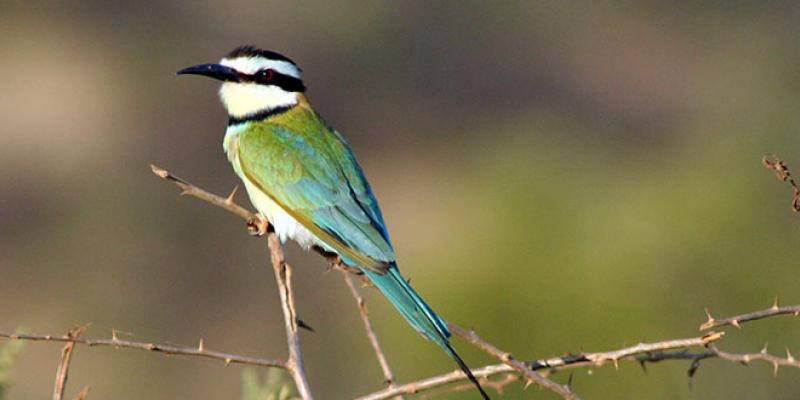
As home to an extreme range of wildlife and culture, this country holds the keys to some of the world’s most intense heritage.
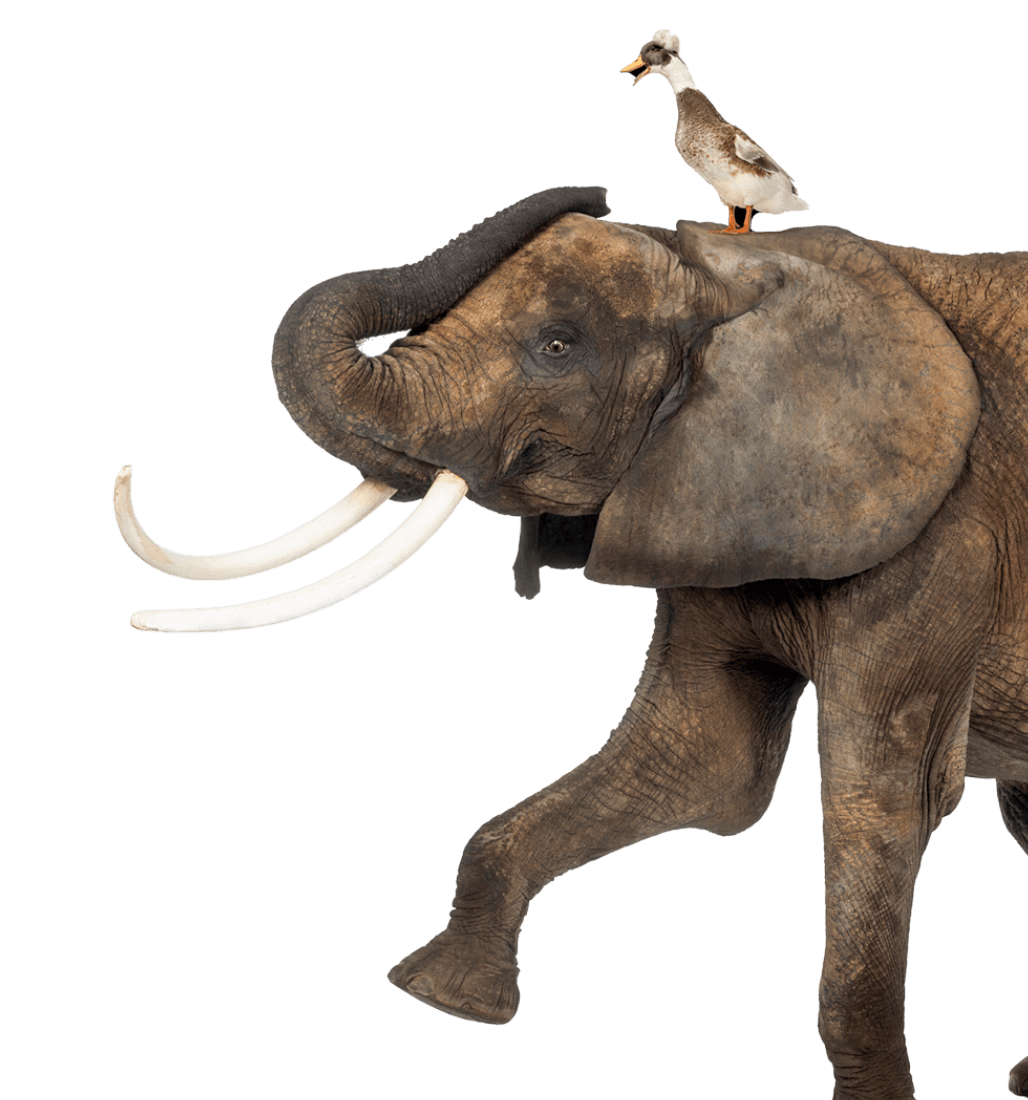
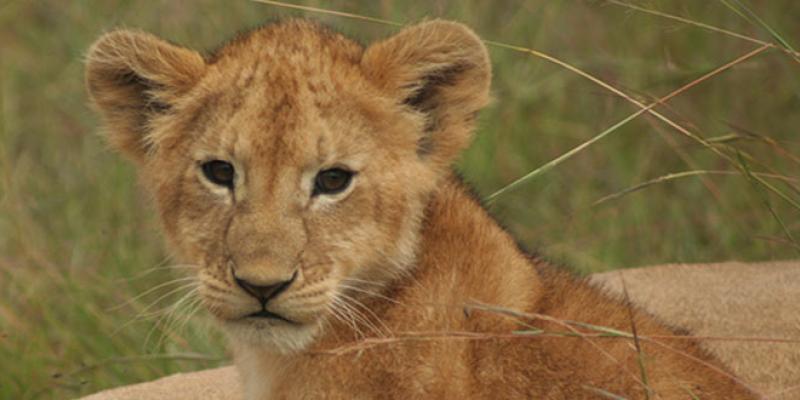
Kenya is rich in biological diversity, with thousands of species of flora and fauna. On safari through this beautiful country, you will see gazelle, zebra and wildebeest, as well as the lions, cheetahs and the other big cats that they attract. Peer into the habitats of the “big five,” which includes the leopard, rhino, buffalo, lion and elephant. While travelling through Kenya, get unbelievably close to these animals, capturing their beauty in the wildest and most natural form.
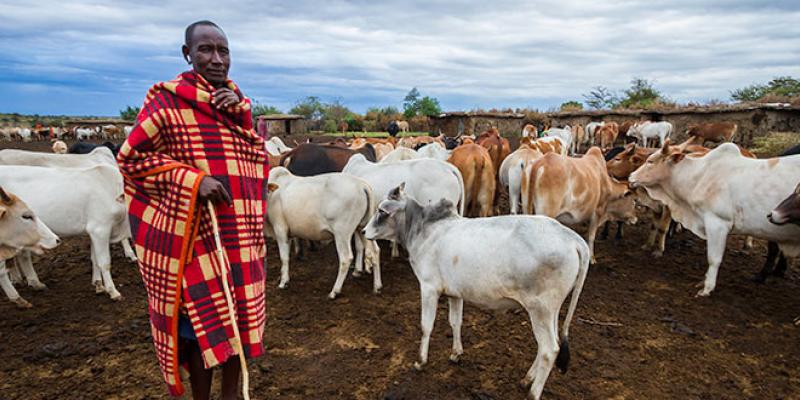
Experience the extremely diverse culture of this country, taking in the myriad of ethnic groups, especially the Maasai people for whom Kenya is very well-known. Many archaeological digs have led to the excavation of some of the world’s earliest ancestors, which is why Kenya is known as the “Cradle of Mankind.”
Holbrook has developed deep ties in Kenya while introducing travelers to the country’s land, people and wildlife for the past four decades. Our reputation and pioneering history gives us the ability to help you explore beneath the surface and truly respect Kenya’s intense and authentic beauty.
Environments
Straddling the equator in East Africa, the Republic of Kenya occupies 224,900 square miles, a land area roughly the size of France. Kenya’s five ecologically distinct regions vary in elevation from the warm, fertile low plateau in west, to the most agriculturally productive central highlands at 5,000 feet above sea level. The Great Rift Valley, bisecting the central highlands, features steep-walled cliffs plunging 2,000 to 3,000 feet to a valley floor that is dotted with freshwater and soda lakes. Rounding out the nation’s ecological zones are semi-arid plains, deserts, and a 300-mile coastline protected by coral reefs.
Wildlife
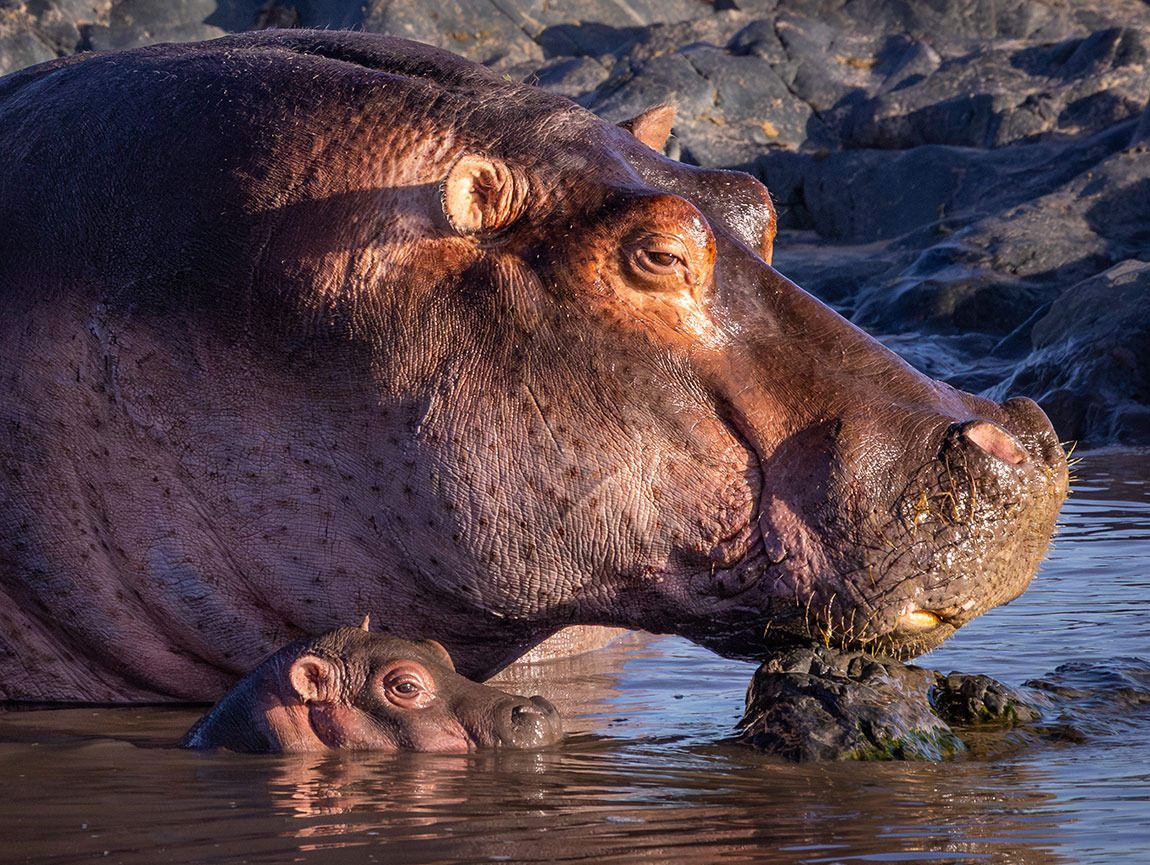
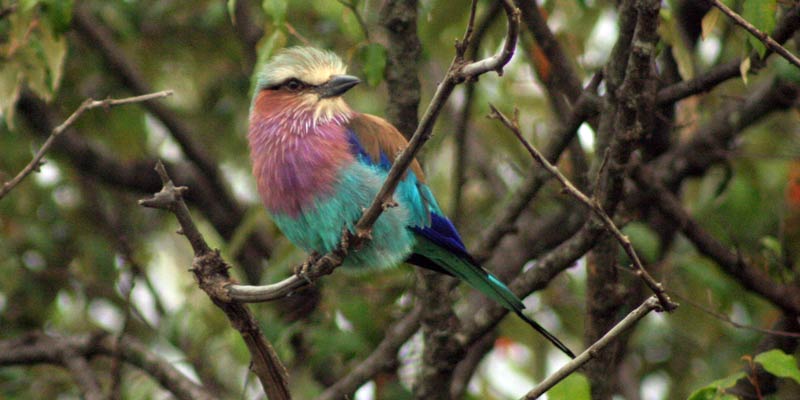
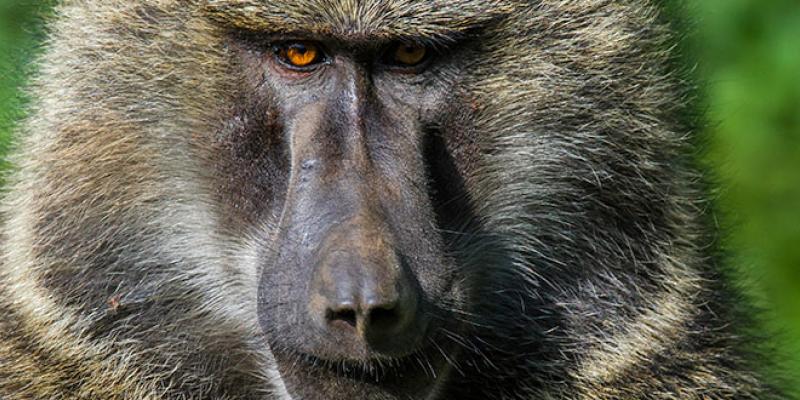
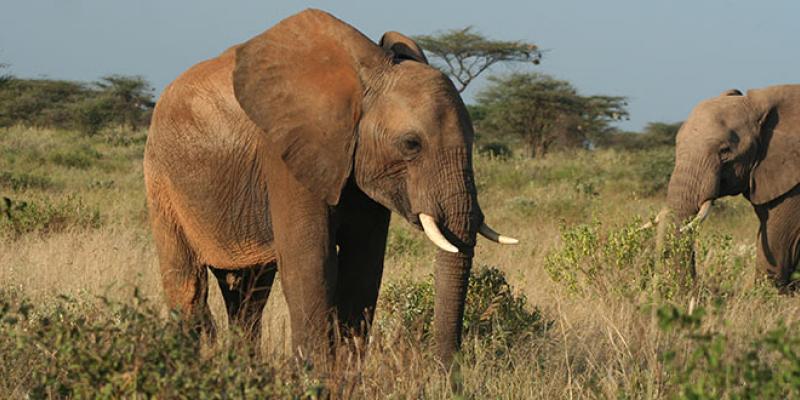
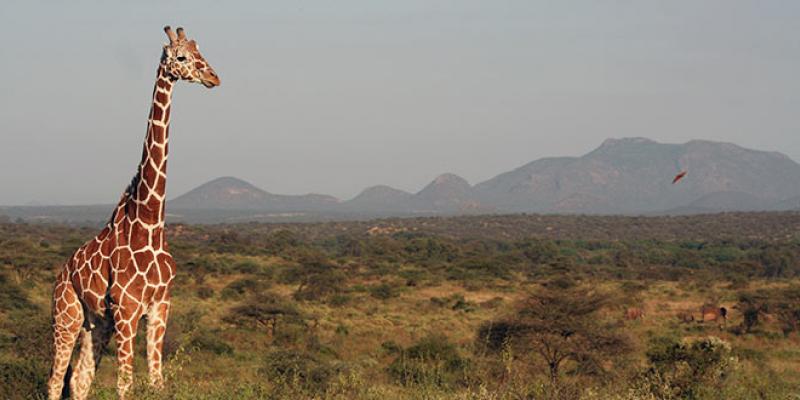
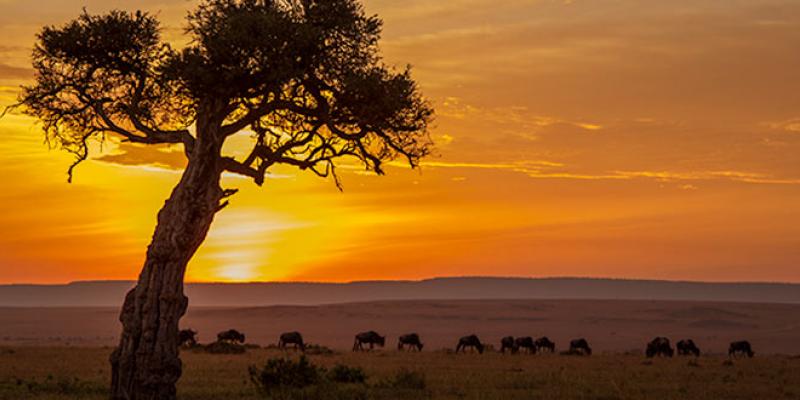
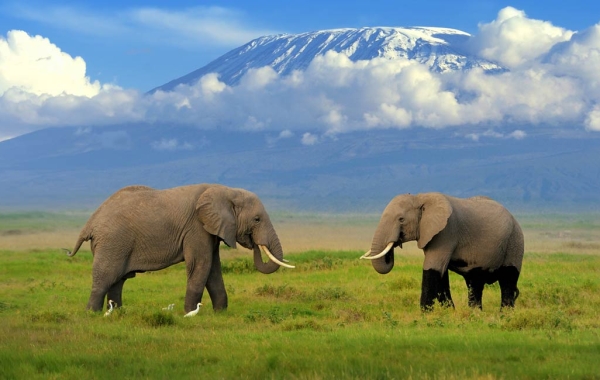
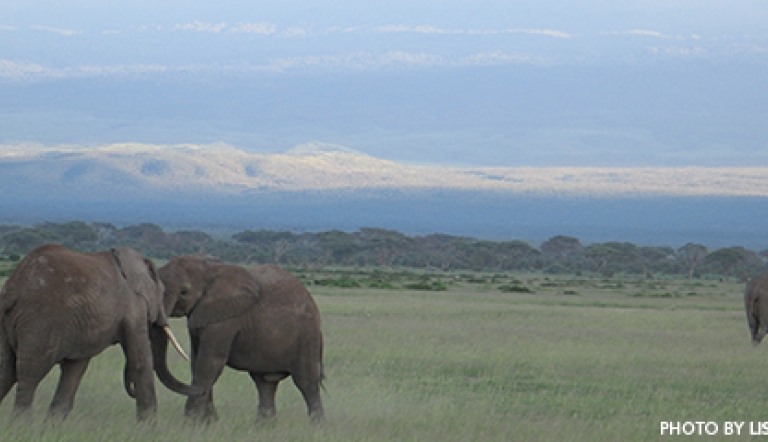
Kenya conjures up images of vast savannahs populated by thousands of animals. Elephants stride across a sweeping landscape ringed by snow-capped mountains. Giraffe graze on acacia trees while great herds of wildebeest migrate across the savannah. Lions loll in trees until hunger rouses them to stalk and kill. In truth, Kenya is a land of beauty and diversity. More than 80 large mammal species – including hippo, leopard, and rhinoceros – and countless smaller animals, rich bird life, reptiles, and insects populate its many national parks and reserves.
Anthropology
Humanity has had a long history in Kenya, making the country a haven for the paleontologist and physical anthropologists who study human origins. Rich fossil sites are found in the Rift Valley, Lake Victoria region, and along the Kenyan coast line. The Koobi Fora in the Rift Valley is referred to as the “cradle of mankind,” and has yielded more fossil hominids than any other spot on the globe. Today, there is no single defining feature that defines the culture of Kenya, as its people are divided into more than 40 different ethnic groups, each with its own distinct traditions, cuisine, and dress.
Entry & Exit Requirements
U.S. citizens must have a valid passport to enter Kenya. Passports must be valid for at least six months after the date of entry and have at least two blank pages available.
An Electronic Travel Authorization (eTA) is also required for entry. The eTA application and payment must be submitted online prior to travel; the eTA cannot be obtained on arrival in Nairobi. The stated processing time is 3 business days but may take longer; for this reason, it is recommend that you apply at least two weeks prior to travel to allow for possible delays. Once issued, the eTA is valid for 90 days. The cost for a single-entry eTA is USD $30 per person plus processing fees. This fee is subject to change at any time and without notice. Visit https://www.etakenya.go.ke/en to complete the eTA application. Once your eTA has been approved, you will receive a QR code to show upon arrival in the country. We recommend printing a backup copy of the QR code in addition to storing it on your electronic device.
Kenya also requires travelers to obtain a valid travel health insurance policy with a minimum cumulative coverage of USD $50,000. The policy must include benefits for medical expenses, emergency medical transportation, prescription medication, mental illness, and repatriation of remains, and must cover the entire duration of your stay. You will be required to upload proof of your travel health insurance policy as part of the eTA application process. Travel protection is available from a variety of providers, and you are encouraged to select the carrier that best meets your needs. Holbrook’s recommended provider is Travel Insured International; see our Travel Protection page for more information.
If you are not traveling with a U.S. passport, please check with the Kenyan Embassy for the requirements based on your nationality.
Health Information
IMMUNIZATIONS
The Centers for Disease Control recommends that all travelers be up to date on routine vaccinations such as measles-mumps-rubella (MMR) vaccine, diphtheria-pertussis-tetanus vaccine, varicella (chicken pox) vaccine, and your yearly flu shot before every trip.
There are no vaccinations required for entry into Kenya (unless you are arriving from a country where yellow fever is a risk, in which case you must present proof of yellow fever vaccination or risk being denied entry into the country).
Though not required for entry, the CDC recommends yellow fever vaccination for most travelers to Kenya. The CDC also recommends inoculation against hepatitis A, hepatitis B, and typhoid for most unvaccinated travelers.
Meningitis can be a risk during the dry season (December-July). If you are traveling during these months, your physician may recommend a meningitis vaccine.
Please consult your physician for additional information and recommendations based on your individual circumstances.
MALARIA
The CDC warns that travelers to Kenya may be at risk for exposure to malaria. Malaria is caused by a parasite found in Anopheles mosquitos, which are active from dusk until dawn. Prevention is twofold: the use of anti-malarial drugs and the prevention of insect bites. If you choose to use an anti-malarial drug, as recommended by the CDC, see your physician for a prescription.
To protect against mosquitos, the CDC recommends that you cover exposed skin with lightweight, long-sleeved shirts and pants, consider treating clothes with permethrin, and use an insect repellent containing an EPA-registered active ingredient like DEET, picaridin, or oil of lemon eucalyptus (OLE). Apply sunscreen first, followed by the repellent, ideally 20 minutes later.
Be careful when applying products containing DEET, as it can damage or dissolve certain synthetic fabrics as well as plastic, rubber, vinyl, or elastic materials, such as those used in camera equipment, phone cases, sunglasses, or watches. Additionally, some research suggests that when DEET and picaridin enter local waterways, they can be harmful to amphibians and other wildlife. When selecting a repellent, it is ultimately up to each traveler to weigh the risks and benefits of different options, keeping in mind both environmental factors and the importance of protecting against illness.
OTHER INSECT-BORNE ILLNESSES
In addition to yellow fever and malaria, the CDC warns that travelers may be at risk for other illnesses transmitted by mosquitos, ticks, or sand flies, such as dengue fever, chikungunya, African tick-bite fever, leishmaniasis, and others. Travelers are advised to protect themselves against insect bites using the measures noted above.
After spending time outdoors, especially in grassy or wooded areas, the CDC recommends showering and conducting a full-body check for ticks. If you find a tick attached to your skin, safely remove it as soon as possible.
Parasites & Bacteria
Avoid swimming or bathing in freshwater lakes or rivers. Some freshwater bodies contain disease-causing parasites or bacteria that may be contracted through contact with infected water.
CPAP Machines
Some safari lodges and tented camps in remote areas of Kenya supply electricity through generators or solar power, and shut off electrical power during part of the night in order to conserve energy. If you use a CPAP machine, please be prepared to bring a battery pack (and any necessary cables) to power your equipment when electricity is not available. The battery pack can be charged during the day in preparation for nighttime use. Please be aware that if you do not have a battery pack, some lodges may assess a fee to run electricity through the night.
WILDLIFE
Follow all instructions from your guides regarding wildlife. Animals may become aggressive to protect themselves, their young or their mates, or to guard a food supply. Do not make sudden movements either toward or away from them, as this may be interpreted as threatening or territorial. Avoid stray dogs, as they may carry rabies. In the unlikely event of being bitten or scratched by a dog or other mammal, clean the wound and control bleeding. Seek medical attention immediately.
SUN EXPOSURE
The effects of the sun can be damaging to the eyes and skin. Spending time outdoors exposes you to the sun’s harmful ultraviolet (UV) rays, even on cloudy days. To protect yourself from the sun, use a broad spectrum sunscreen of at least SPF 15, protect skin with clothing, wear a wide-brimmed hat and sunglasses, and drink plenty of fluids.
Respiratory Illness Protocols
Please review our Respiratory Illness Protocols page, which explains our policy and procedures if you or another traveler should develop symptoms of a respiratory illness during your trip. Your participation in a Holbrook Travel program indicates that you are in agreement with these protocols.
Liability Waivers
Please note you may be asked locally to sign liability waivers in order to participate in certain activities. If you would like to receive a copy of any required waiver in advance, please contact Holbrook Travel.
Currency
The currency of Kenya is the Kenyan Shilling.
Electricity
The electrical current in Kenya is 220V 50Hz AC. Travelers from the United States need to use a converter and plug adapter.
Time Zone
The time zone of Kenya is East Africa Time Zone (UTC+03:00).
Kenya does not observe Daylight Saving Time.
Departures and arrivals on flight schedules are listed in the local time.
Communications
PHONES
Kenya’s country code is +254.
To call Kenya (from the U.S.): Dial 011-254-(xx-xxx-xxxx)
To call the United States: Dial 001-(xxx-xxx-xxxx)
Please check with your cell phone provider if you’re unsure whether or not your cell phone will work internationally. Be aware that you are likely to incur additional charges for international use. It may be more affordable to purchase a local SIM card upon arrival.
INTERNET
Internet is widely available in hotels, but is usually only available for a fee and a restricted amount of time.
Reading List
FIELD GUIDES
Wildlife of East Africa
Martin B. Withers
This take-along guide to 475 common species of birds, mammals, reptiles, insects, trees and flowers of East Africa features full-color photographs with detailed descriptions on facing pages.
The Safari Companion
Richard Estes
An invaluable encyclopedic guide to Africa's mammals by a noted scientist, this perennial bestseller includes black-and-white drawings, an overview of each animal group and in-depth information. Written with the typical safari-goer in mind.
African Wildlife
James Kavanaugh
A laminated foldout guide illustrating almost 150 species of African animals, designed for quick reference in the field.
Animals of the Masai Mara
Adam Scott Kennedy
This photo guide by two safari guides focuses on the lions, cheetah, leopards, zebra, giraffe and other celebrated wildlife.
Animals of the Serengeti and Ngorongoro Conservation Area
Vicki Kennedy & Adam Scott Kennedy
This guide compiled by safari guides Adam and Vicki Kennedy and local experts, features 89 species of mammal and reptile the traveler is likely to find. Featuring 146 stunning color photos, insights into behavioral habits and tips on how to locate specific animals.
Birds of Kenya and Northern Tanzania
Dale Zimmerman, Donald Turner & David Pearson
Ideal for the Serengeti, this field guide features 124 stunning color plates.
Birds of the Masai Mara
Adam Scott Kennedy
Kennedy's compact guide, full of local knowledge on habitats and birding spots, features 300 color photographs.
Birds of the Serengeti and Ngorongoro
Adam Scott Kennedy
Featuring a habitat-based approach to more than 270 bird species, this handy guide to fowl in Tanzania's Serengeti National Park, Ngorongoro Conservation Area and Speke Gulf includes 480 color photos and accessible text.
East Africa Birds
James Kavanagh
A folding wildlife guide designed for quick reference in the field. With full-color images and text, it features more than 120 birds often seen in East Africa's forests, wetlands, marshes, deserts and coastlines.
East Africa Wildlife
James Kavanagh
A folding wildlife guide designed for quick reference in the field. With full-color images and text, it features the creatures often seen in the legendary Serengeti and Maasai Mara reserves and beyond.
Kingdon Pocket Guide to African Mammals
Jonathan Kingdon
A conveniently compact edition of Kingdon's gloriously illustrated Field Guide to African Mammals. The guide includes abbreviated information on identification, distribution, ecology and conservation status and 480 outstanding color illustrations and maps.
The Kingdon Field Guide to African Mammals
Jonathan Kingdon
This stunningly-illustrated, comprehensive field guide by a leading authority includes over 500 of Kingdon's exquisite color paintings. Fully revised and updated with more than 1,100 species.
MAPS
Kenya & Northern Tanzania (Serengeti) Map
Nelles
A detailed map (1:1,100,000) with inset maps of Lamu, Nairobi and Mombasa.
Kenya Adventure Map
National Geographic Society
This double-sided, water- and tear-resistant map in the growing series shows Kenya at a scale of 1:1,040,000.
Safari Planning Map, East & Southern Africa
The Africa Adventure Company
This large-scale colorful map covers the top safari countries and important wildlife reserves of East and Southern Africa. With enlargements of key regions like Northern Tanzania, Southern Kenya and Northern Botswana to Victoria Falls, the map includes information on planning your safari and climate graphs.
GUIDEBOOKS
Eyewitness Guide Kenya
Philip Briggs
Another gem in the Eyewitness series, this superb guide is handsome, convenient and up-to-date; it's the guide to carry. Featuring color photography, dozens of excellent local maps and a region-by-region synopsis of the country's attractions, it also has an overview of parks and habitats and a 50-page field guide.
Swahili, A Language Map
Kristine K. Kershul
This durable, foldout card gives easy phonetic pronunciation for several hundred of the most commonly-needed words and phrases.
Culture Smart! Kenya
Jane Barsby
A concise guide to local customs, etiquette and culture.
Insight Guide Kenya
Insight Guides
A thoroughly illustrated survey of the country, its people, history and wildlife. It includes an overview of individual national parks and conservation areas, as well as excellent maps.
Lonely Planet Kenya
Lonely Planet
A practical guide in the popular series, featuring plenty of maps, tips and basic sightseeing information.
Lonely Planet Swahili Phrasebook
Lonely Planet
A pocket phrasebook, dictionary and language guide for the traveler to East Africa.
NATURAL HISTORY
Serengeti, The Eternal Beginning
Boyd Norton
Featuring 250 exquisite color photographs alongside Norton's firsthand accounts of travels in Serengeti National Park, Kenya's Masai Mara and Ngorongoro over a decades-long career.
HISTORY & CULTURE
Africa, a Biography of the Continent
John Reader
With the ease of a practiced journalist, Reader weaves a masterful and lively tale of the continent, from ancient cultures to modern times. Both authoritative and informal, this is a splendid introduction to all of Africa.
African Heroes, Samburu-Maasai
Matteo Guzzini
Guzzini captures the rituals and travels of the mysterious Masaai communities of Tanzania and Kenya in beautiful, untouched photographs that honor the people and their land.
Kenya
Michael Poliza
Alternating aerial shots with dramatic landscapes, vivid animal studies and portraits of the Maasai, Poliza's latest stunning book captures the spirit of Kenya and its people.
The Fortunes of Africa, A 5000-Year History of Wealth, Greed and Endeavor
Martin Meredith
Covering the epic story of colonialism in Africa, Meredith's magisterial history depicts empire-hungry kings, missionaries, tribal warlords, mining barons -- even modern multinational corporations. An expansive but entertaining read.
The Scramble for Africa
Thomas Pakenham
Absorbing and meticulously researched, this in-depth history of the Victorian land grab in 19th century Africa includes excellent portraits of the egomaniacal personalities who overran the continent.
Light and Dust, Images and Stories from the Wild of East Africa
Federico Veronesi
This gorgeously photographed tribute to the animals of Eastern Africa captures the region's wild creatures at their most dramatic. Veronesi brings his camera into tumultuous weather -- literally following animals' footsteps -- into mists, dust storms and heavy rains.
Want to subscribe to the Holbrook Explorer?
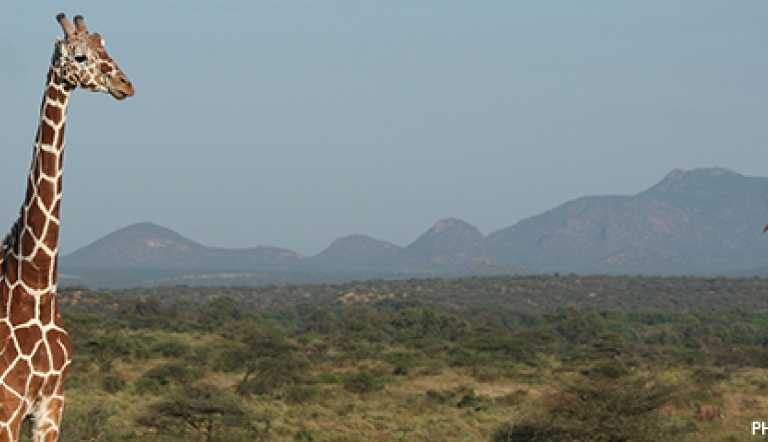
Photo Gallery: Kenya Wildlife
Swahili 101: Alphabet and Numbers
The David Sheldrick Wildlife Trust Experience
Guatemala

United States
India