Argentina and Chile | Frontiers of Patagonia: Cape Horn, Tierra del Fuego, and Beyond

with James Cato
Date:
Jan 19 - Feb 1, 2023
Activity Level:
MODERATE
Duration:
14 Days
Price:
From $6,395
Interests:
Join Waitlist This departure is SOLD OUT Print Itinerary

About this trip

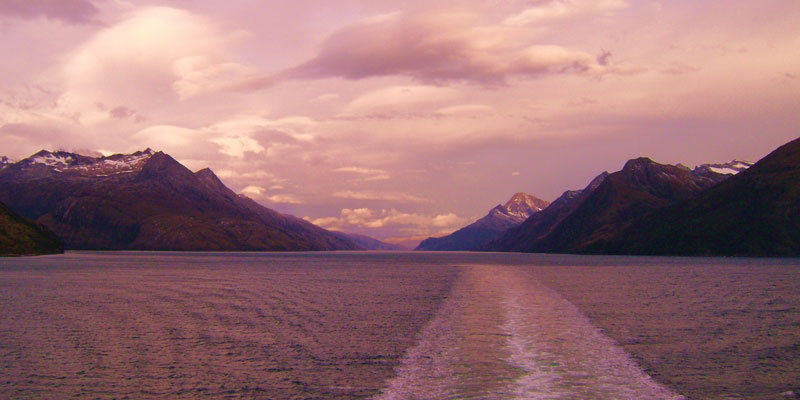
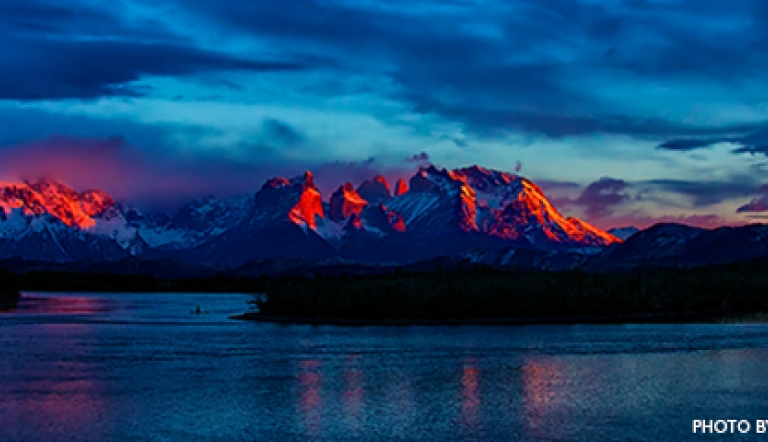
Knife-edged Andean peaks, electric-blue fjords, teeming rookeries and vast steppes: Patagonia promises adventure on a grand scale, and you will experience it, by land and sea. Aboard the M/V Stella Australis, your small group will hug the coast at the bottom of the world, served by a multidisciplinary team who will explain the science and history behind the beauty. Discover the skyscraping splendor of Torres del Paine National Park, the roiling seas of Drake Passage and Cape Horn National Park, sparkling glacial lakes and old ports where whalers and adventurers sailed in the wake of Magellan and Darwin. A Chilean winery in Santiago and a tango show in Buenos Aires add color and contrast to your wilderness adventure.

Highlights

  • Hike the trails at Tierra del Fuego National Park, enjoying breathtaking scenery near the continent’s southernmost tip.
  • Cruise in comfort aboard M/V Stella Australis through the fjords, bays, and open seas from Ushuaia to Punta Arenas.
  • Marvel at Torres del Paine’s dramatic lakes, glaciers, and waterfalls, as well as the distinctive granite peaks for which the park is named.
  • Experience the sultry tango in Buenos Aires, and sample the sophisticated pleasures of Santiago and the Chilean wine country.
  • Learn about the native Yámana people and their interactions over the centuries with international missionaries, explorers, and scientists.
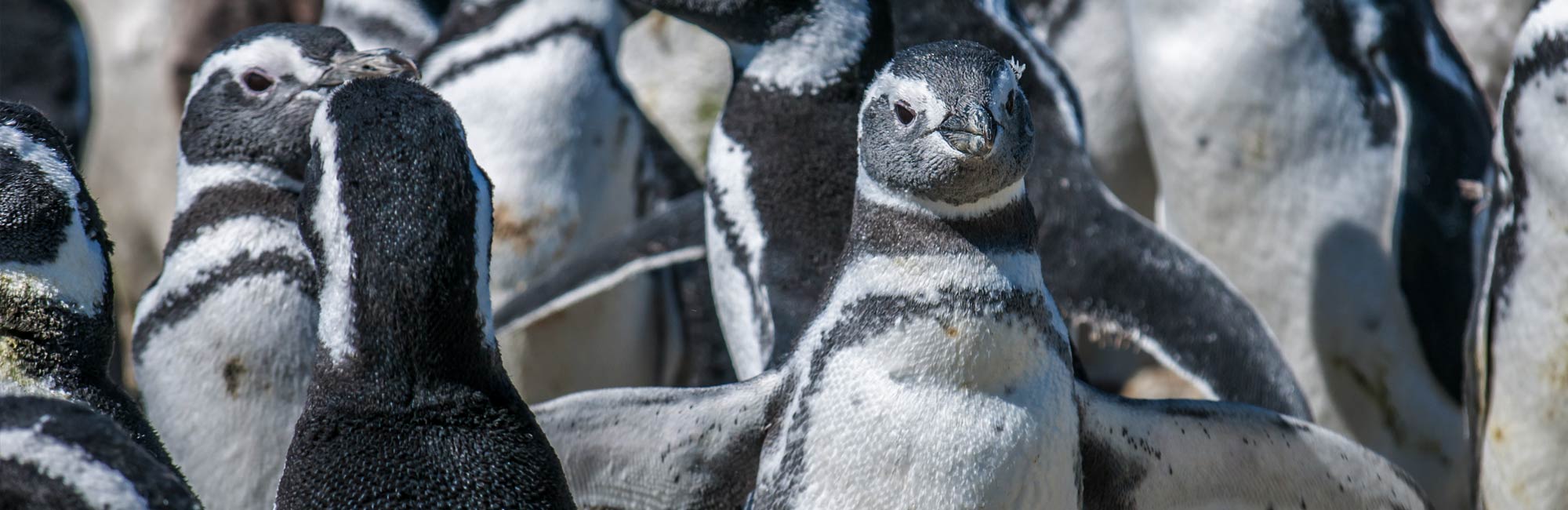
  • Visit Magdalena Island to view a colony of more than 120,000 Magellanic Penguins.
  • Taste Fuegian specialties with a local chef during a private dinner.
Land Cost

$6,395

Per person

About this price

Land cost only. Does not include round-trip airfare to and from destination.

Single room supplement $1895

What makes us different

Rich content

All of our programs include experiences that are enriching and engaging to facilitate a genuine connection between our travelers and their destinations

Carbon offsetting

As part of our commitment to sustainable travel, we partner with ClimateSafe to offset the carbon emissions from each journey

Service anytime

Enjoy worry-free travel — our emergency line is monitored 24/7/365 so we can assist you if any problems arise while you’re traveling with us

Cultural Discovery

Put culture in context as you discover the history and traditions of your destination

Meaningful experiences

We believe travel should be more than just a vacation – it should enrich and inspire

Flight arrangements

We’re a full service travel provider and are happy to assist with making your flight arrangements if desired

Daily Itinerary

Print Itinerary
Depart
Depart U.S. on an overnight flight to Buenos Aires.
Buenos Aires
Arrive at the Ministro Pistarini de Ezeiza International Airport and meet your Holbrook representative in the arrivals hall. Transfer to the hotel with free time until orientation in the afternoon. Later, take a field trip to the towering seven-story Teatro Colón, a world-class center for opera, ballet, and classical music since 1908. The current building replaced the original Teatro Colón, which stood in front of the Plaza de Mayo several blocks away from 1857 to 1888. Afterward, head to a local cellar/bar and learn about some of Argentina's famed regional wines. Have a wine tasting and dinner.
Lunch-Dinner included
725 Continental
Buenos Aires
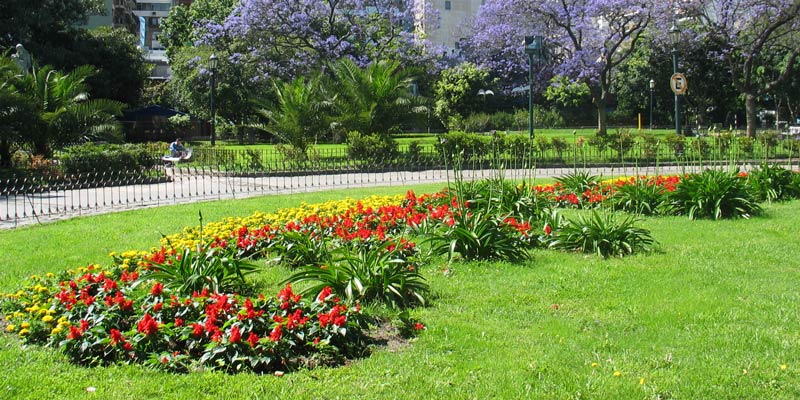
This morning, go on a walking orientation in the downtown area, Recoleta and San Telmo. Walk through the Plaza de Mayo, the city's main plaza. Landmarks here include the presidential palace, known as the Casa Rosada (the "pink house"), and the Metropolitan Cathedral. Then continue walking south into the city's oldest neighborhood, San Telmo. This neighborhood is home to many local and international artists because of its unique energy and rich history. Have lunch at a traditional restaurant in San Telmo, and then have time to explore on your own. At 6 p.m., attend a lecture on the History of Argentina through Tango. Then, have dinner and enjoy a tango show at a local restaurant.
Breakfast-Lunch-Dinner included
725 Continental
Ushuaia
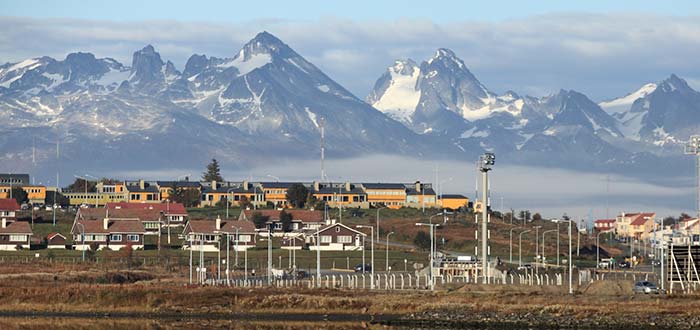
Depart for the airport to catch the approximately 3.5 hour flight to Ushuaia, one of the southernmost cities in the world and a popular starting point for expeditions to Antarctica. Snacks will be provided during the flight. Upon arrival, transfer to the hotel and have time to freshen up. This evening, have a special dinner at the hotel with a local chef to learn about Fuegian cuisine.
Breakfast-Dinner included
Cilene del Faro
Tierra del Fuego
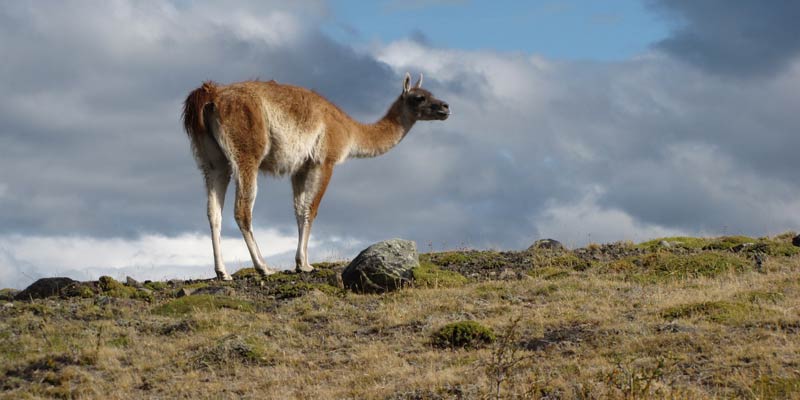
After breakfast, visit Tierra del Fuego National Park, the country's first shoreline park. The native forests of lengas, coihues, ñires, canelos, and mossy foliage are home to guanacos, foxes, and muskrats. Short trails follow the southern edges of the park, providing visitors with scenic views of the Ensenada and Lapataia Bays and the famous Beagle Channel. Sea birds are abundant along the coast and include albatross, terns, geese, ducks, and gulls. Be on the lookout for Andean Condors, Magellanic Woodpeckers, and Austral Conures. A five-mile trail leading west from Bahía Ensenada passes through an area of archaeological importance, where you'll see grass-covered shell mounds left by the Yámana inhabitants hundreds of years ago. Enjoy a typical lunch followed by some free time. Later, transfer to Ushuaia's port to begin embarkation procedures on the boat. After a welcome cocktail reception hosted by the captain and his crew, the ship departs for one of the most remote corners of the Earth. Through the mythical Beagle Channel and the Strait of Magellan, travel through Patagonia and the channels of Tierra del Fuego.
Breakfast-Lunch-Dinner included
M/V Stella Australis, A Cabin
Cruising
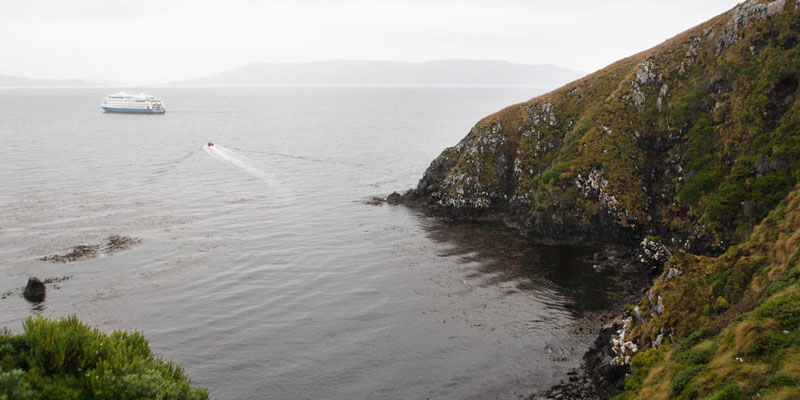
Around the break of dawn, Australis crosses Nassau Bay and enters the remote archipelago that comprises Cape Horn National Park. Weather and sea conditions permitting, go ashore on the windswept island that harbors the legendary Cape Horn (Cabo de Hornos). Discovered in 1616 by a Dutch maritime expedition and named after the town of Hoorn in West Friesland, Cape Horn is a sheer, 1,394-foot-high rocky promontory overlooking the turbulent waters of the Drake Passage. For many years, it was the only navigation route between the Pacific and Atlantic Oceans and was often referred to as the "End of the Earth." The park was declared a World Biosphere Reserve by UNESCO in 2005. The Chilean navy maintains a permanent lighthouse on the island, staffed by a lightkeeper and his family, as well as the tiny Stella Maris Chapel and modern Cape Horn Monument (currently awaiting repair after being damaged by fierce winds). Sailing back across Nassau Bay, anchor at fabled Wulaia Bay, one of the few places in the archipelago where the human history is just as compelling as the natural environment. Originally the site of one of the region's largest Yámana aboriginal settlements, the bay was described by Charles Darwin and sketched by Captain FitzRoy in the 1830s during their voyages on HMS Beagle. This area is also renowned for its mesmerizing beauty and dramatic geography. Visit the Australis-sponsored museum in the old radio station, which is especially strong on the Yámana people and European missionaries in the area. After, choose one of three hikes (of increasing degrees of difficulty) that ascend the heavily wooded mountain behind the bay. Stroll through an enchanted Magellanic forest of lengas, coihues, canelos, and ferns to reach panoramic viewpoints overlooking the bay.
Breakfast-Lunch-Dinner included
M/V Stella Australis, A Cabin
Cruising
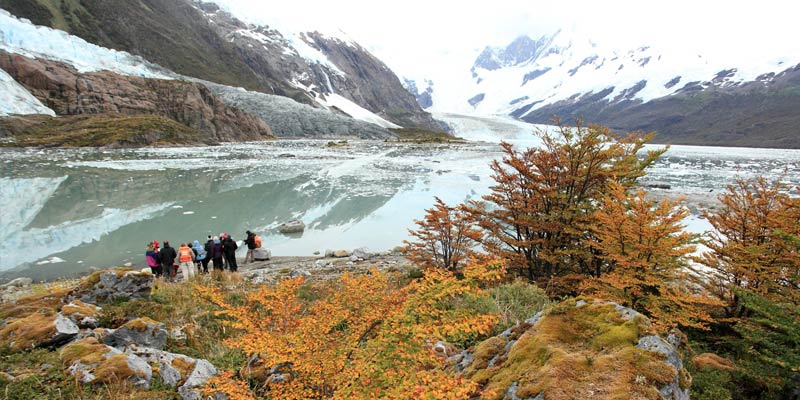
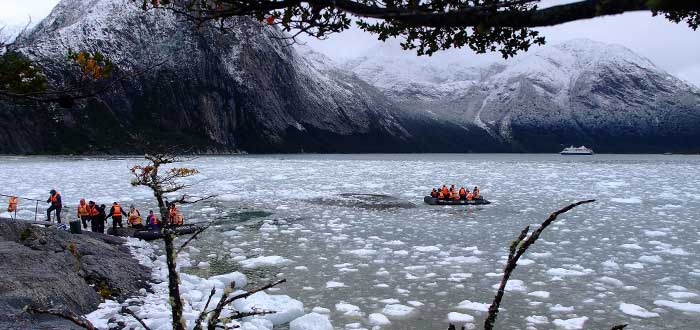
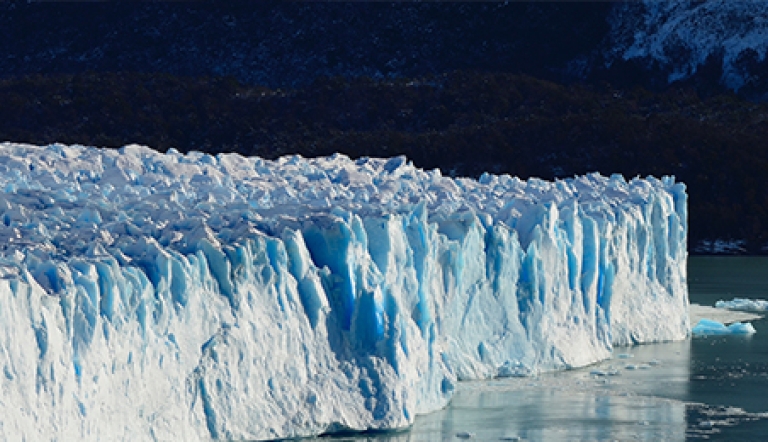
Overnight, continue the Patagonia glacier tour around the western end of Tierra del Fuego via the very narrow Gabrial Channel, Magdalena Channel, and Cockburn Channel. After rounding the remote Brecknock Peninsula, Stella Australis tacks eastward and enters the Beagle Channel again. By morning, the vessel will enter Pia Fjord. Board the Zodiacs for a shore excursion to Pia Glacier. After disembarking, take a short hike for a panoramic view of the spectacular glacier, which extends from the mountaintops down to the sea. Or, take a longer, more difficult walk up a lateral moraine of the old Pia Glacier. No one knows for certain how the hulking mass of snow and ice got its feminine moniker, but one theory says it was named for Princess Maria Pia of Savoy (1847-1911), daughter of the Italian king. Making your way further west along the Beagle Channel, enter another long fjord and drop anchor near Garibaldi Glacier for another shore excursion. Garibaldi is one of only three glaciers in Patagonia gaining mass rather than staying the same or slowly shrinking. This time, hike through virgin Magellanic forest to a glacial waterfall, a towering wall of ferns and moss, and spectacular viewpoints looking down on the glacier and fjord. The walk is demanding-very steep, negligible trail, rough footing-and not for everyone. For those who choose to stay onboard, the captain will point the bow toward the beautiful sky-blue Garibaldi Glacier so everyone can enjoy the panoramic view from the upper decks.
Breakfast-Lunch-Dinner included
M/V Stella Australis, A Cabin
Cruising
Early in the morning, we will sail through the Cockburn Channel and enter Agostini Sound. From there it is possible to see the glaciers that descend from the middle of the Darwin Mountain Range -- some of them reaching the water. This morning, we will disembark and go for an easy walk around a lagoon, which was formed by the melting of the Águila Glacier. We will reach a spot right in front of that glacier with stunning views. In the afternoon, we will approach the Condor Glacier via Zodiac -- and hopefully see some of the abundant Andean Condors in the area
Breakfast-Lunch-Dinner included
M/V Stella Australis, A Cabin
Torres del Paine
After an overnight cruise through Magdalena Channel and back into the Strait of Magellan, anchor off Magdalena Island, which lies about halfway between Tierra del Fuego and the Chilean mainland. Crowned by a distinctive lighthouse, the island used to be an essential source of supplies for navigators and explorers and is inhabited by an immense colony of Magellanic Penguins. At the break of dawn, weather permitting, go ashore and hike a path that leads through thousands of penguins to a small museum lodged inside the vintage 1902 lighthouse. Many other bird species are also found on the island. After a short cruise south along the strait, disembarkation at Punta Arenas is scheduled for around 11:30 a.m. Have a quick look at this traditional Patagonic city, and then begin the transfer to Torres del Paine with a boxed lunch while admiring Patagonia's breathtaking vistas, snow-peaked mountains, and rolling plains dotted with guanacos along the way. Arrive at the hotel, situated along the southern border of the Torres del Paine National Park, and check in. Have dinner and receive an orientation.
Breakfast-Lunch-Dinner included
Hotel del Paine
Torres del Paine
This morning, drive across Torres del Paine National Park with views of Paine Grande and its snowy peaks as well as Los Cuernos, the famous mountain with black granite, horn-like spires. Walk along the shores of stunning Lake Pehoe, and visit the furious Salto Grande Falls, which pour the waters of Lake Nordenskjold into Pehoe. Continue over the gentle Nordenskjold Trail until reaching its picture-perfect lookout point. After returning to the vehicle back at Lake Pehoe, drive south to a beach along the shores of glacial Lake Grey to have a boxed lunch. Continue with a walk around Lake Grey for a better view of the glacier before returning to the hotel.
Breakfast-Lunch-Dinner included
Hotel del Paine
Torres del Paine
After breakfast, explore the scenery along the route to Laguna Azul on the northeastern side of the park. Admire the local flora and fauna and the picturesque landscapes, including the beautiful Paine Waterfall. Upon arrival at Laguna Azul, hike to a lookout point for a breathtaking view of the lagoon and the granite towers that give the park its name. Continue along the eastern side of Lago Sarmiento to the calcium formations on the shores, where guanacos are often seen.
Breakfast-Lunch-Dinner included
Hotel del Paine
Santiago
Say farewell to Torres del Paine during a final breakfast at the camp, and then transfer to Puerto Natales with a boxed lunch from Ruben's. Visit the massive prehistoric Milodón Cave, where the remains of a giant ground sloth were discovered in the 1890s. The site is located in a transition zone, where forests and arid plains meet, and is home to a large number of bird species. Continue to Punta Arenas at around 2:30 p.m., fly to Santiago, and then transfer to the hotel for dinner and overnight stay.
Breakfast-Lunch-Dinner included
Pullman Vittacura
Depart
After breakfast, depart for a winery and vineyard located just outside of Santiago. Led by a local expert, learn about the region's viniculture before enjoying a wine tasting. Chilean wines are becoming more and more popular around the world as they continue to win prizes at prestigious international wine-tasting competitions. After a farewell lunch at a local restaurant, return to the hotel, followed by time at leisure to get some rest, do some last-minute packing, and get ready for the flight back home. The dayroom is available until 6 p.m. Have late afternoon refreshments at the hotel before heading out to the airport to catch international flights to the U.S.
Breakfast-Lunch- included
Pullman Vittacura - Dayroom
Arrive
Arrive United States
Land Cost

$6,395

Per person

About this price

Land cost only. Does not include round-trip airfare to and from destination.

Single room supplement $1895

What's Included
What's Not Included
Pricing Details
Cost is based on a minimum of 9 participants in double occupancy.

A $350 per person deposit and enrollment form is due to hold your space on this trip. This deposit is refundable 129 days prior to departure excluding a $200 cancellation fee. Cancellations after this date are non refundable.

Please note: Your participation as a traveler indicates acceptance of Holbrook Travel’s Covid-19 protocols in place at time of travel.

Holbrook Travel strongly recommends the purchase of travel insurance for medical emergencies while traveling and to protect your investment. Please note the purchase of Cancel for Any Reason Coverage or to exclude pre-existing conditions with Trip Cancellation coverage may require policy purchase within 10-14 days of your initial deposit, depending upon the provider.

Single room supplement $1895


Final payment due date: October 16, 2022

Travel Info

Print Travel Info

Activity Level 3: Moderate

This multifaceted adventure combines natural exploration by land and sea, with urban discovery in two iconic South American capitals. The 5-day expedition cruise portion of your journey brings you to Patagonian fjords, inlets, islands and shores for daily hikes, often with varying options for level of challenge. You’ll hike flat forest paths, sandy and rocky beaches, and more intense trails through rugged glacial landscapes. Onboard your comfortable expedition ship you can expect mainly smooth sailing, but in Cape Horn National Park there can be high winds and rough seas. Many excursions use Zodiac landing craft. Other activities include visits to a penguin colony and a winery, and touring in Buenos Aires. The highest altitudes are less than 3,600 feet, in Torres del Paine National Park. Patagonia is generally cool, with average daily highs between 43˚–72˚F, depending on season. Summer (December–March) is the best time to travel. There are two internal flights plus overland transfers in private motorcoaches.

Entry & Exit Requirements

U.S. and Canadian citizens must have a valid passport to enter Argentina and Chile. Passports must be valid for at least the duration of your stay. (As requirements are subject to change at any time without notice, we strongly recommend at least six months' validity.)

Neither country requires a visa for visits up to 90 days. 

A tourist card is required for anyone entering Chile from the United States and is issued upon arrival. This card allows visitors to stay for up to 90 days and will allow multiple entries. Keep the tourist card with your passport; it is important not to lose it, as you must present the card to Customs when you leave the country.

If you are not traveling with a U.S. passport, please check with the Argentine and Chilean embassies for the requirements based on your nationality.

Health Information

IMMUNIZATIONS

The Centers for Disease Control recommends that all travelers be up to date on routine vaccinations such as measles-mumps-rubella (MMR) vaccine, diphtheria-pertussis-tetanus vaccine, varicella (chicken pox) vaccine, and your yearly flu shot before every trip.

There are no vaccinations required for entry into Argentina or Chile.

The CDC recommends vaccination against hepatitis A, hepatitis B, and typhoid for most travelers to Argentina and Chile.

Please consult your physician for additional information and recommendations based on your individual circumstances.

SUN EXPOSURE

The effects of the sun can be damaging to the eyes and skin. Spending time outdoors exposes you to the sun’s harmful ultraviolet (UV) rays, even on cloudy days. To protect yourself from the sun, use a broad spectrum sunscreen of at least SPF 15, protect skin with clothing, wear a wide-brimmed hat and sunglasses, and drink plenty of fluids.

Resources

Print Resources

Suggested Packing List

Everyone has personal preferences when it comes to packing; for this reason, the information below is offered as a general guide and not a definitive list. You know yourself best: Use your discretion and pack what you think will serve you, based on your personal preferences and specific itinerary.

You may find many of the items below in our Gear Store.

CLOTHING

  • Jackets: Pack clothing that can be worn in layers and include a polar fiber or down jacket as well as a pair of gloves. A sweater, vest, and down jacket may be needed for cool nights or at higher elevations.
  • Shirts: Several short- and long-sleeved T-shirts to layer under a sweatshirt and jacket as needed 
  • Shorts: Patagonia has cool weather year-round, but you may wish to pack a pair of shorts in case of a warm spell during the summer months (December– March). 
  • Pants: This is an active program with many hikes; please bring long, loose-fitting pants suitable for hiking. Zip-off pants are useful since days tend to become warmer towards late morning and cooler in the afternoon. 
  • Underclothing, socks, and sleepwear: Bring some thin, synthetic socks (liner socks), heavy woolen socks, and a few pairs of thermal underwear (polypropylene or silk) for the hikes. Underwear, socks, and nightwear should be lightweight and designed to dry quickly. Warm hiking socks (e.g. Smartwool or similar) are a must. You may wish to pack a fleece top and pants to sleep in. 
  • Headgear: Include a hat (preferably with a wide brim) for sun protection. A tie under the chin is helpful in case of windy conditions. Beanie hats are excellent for windy conditions. 
  • Bathing suit: Pools are available at some hotels. 
  • Shoes: Bring a pair of broken-in leather/waterproof material trekking boots with good ankle support, and perhaps a pair of walking shoes for cities/non-field wear. Shoes should be comfortable enough to wear all day. Please be sure to wear your hiking boots or pack in your carry-on luggage. You may also want to pack a pair of sport strap-sandals (e.g. Teva or Keen). 
  • Rain gear: A pair of rain pants and jacket with full side zips (Gore-Tex shell or similar for both) or a long, hooded rain poncho to cover you and your gear

PERSONAL TOILETRIES

  • Put personal toiletries in a Ziploc bag. Take small containers that contain only what you will need during the trip. 
  • Shower cap 
  • A face cloth or small towel of lightweight, well-worn cotton that dries quickly 
  • An electric razor or hair dryer (remember a converter for foreign countries, and/or an adapter for outlet plugs) 
  • Personal medication and copies of prescriptions: We advise you to carry these with you as you travel in case of lost luggage. 
  • Dramamine if you are prone to motion sickness 
  • Dietary supplements 
  • Some travelers have suggested Probiotic supplements as a preventative measure to regulate your system while traveling to new areas. 
  • First aid kit 
  • Sunglasses with a neck cord or other holder 
  • Sunscreen and lip balm with SPF (important at higher altitudes!) 
  • Insect repellant 
  • Small quantity of laundry detergent if you’ll be washing clothing by hand 
  • Individual, pre-moistened towelettes and/or hand sanitizer 
  • Contact lenses and/or an old pair of eyeglasses (in case of breakage) with a copy of your eyeglass prescription 
  • Small packets of tissues (useful for everything from toilet paper to napkins) 
  • Small flashlight or headlamp 
  • Book light: LED book lights are compact and help to provide additional lighting for reading and/or writing 
  • Notepad and pens 
  • A mini-sewing kit and a few safety pins 
  • Camera with extra batteries and memory cards, plus a waterproof dry bag 
  • Travel alarm clock 
  • Small umbrella 
  • Large and small Ziploc bags to separate different types of clothing (e.g. all underwear in one, all socks in another) 
  • Important documents and photocopies of all documentation, passport, and tickets (e.g. passport, driver’s license, airline tickets, travel itinerary, maps, emergency phone numbers, insurance cards) 
  • Cash, credit cards, and/or traveler’s checks

MISCELLANEOUS

  • Water bottle and accessories: Pack a reusable water bottle or thermos for hikes 
  • Athletic tape for blisters (1 ½ inch wide tape) 
  • A Swiss Army style pocket knife or multi-tool 
  • Day pack: Bring a light backpack to carry your water bottle/canteen, flashlight, camera (with extra memory card and battery), insect repellent, sunscreen, band aids, medications, toiletries, and other necessities during hikes. 
  • Collapsible walking stick or trekking poles: Trekking poles are highly recommended. When considering bringing your own poles, please note that poles without rubber tips are usually not allowed at archaeological sites and ecologically sensitive areas.
Wonderful, engaging and knowledgeable guides made for an exhilarating adventure.
- Brian Jenkins
Argentina , 2016
Want to subscribe to the Holbrook Explorer?
Sign up for our newsletter and get the latest updates on upcoming trips, deals, and more.
CAPTCHA
This question is for testing whether or not you are a human visitor and to prevent automated spam submissions.
Bucket List: Patagonia
In southern Chile and Argentina, Patagonia’s wild, open frontier includes fields of glaciers, jagged Andean peaks, deep-blue fjords, and glacial waterfalls. Find out more about this captivating landsc