Chile and Argentina | Frontiers of Patagonia: Cape Horn, Tierra del Fuego, and Beyond
Date:
Activity Level:
Duration:
Price:
Interests:

About this trip
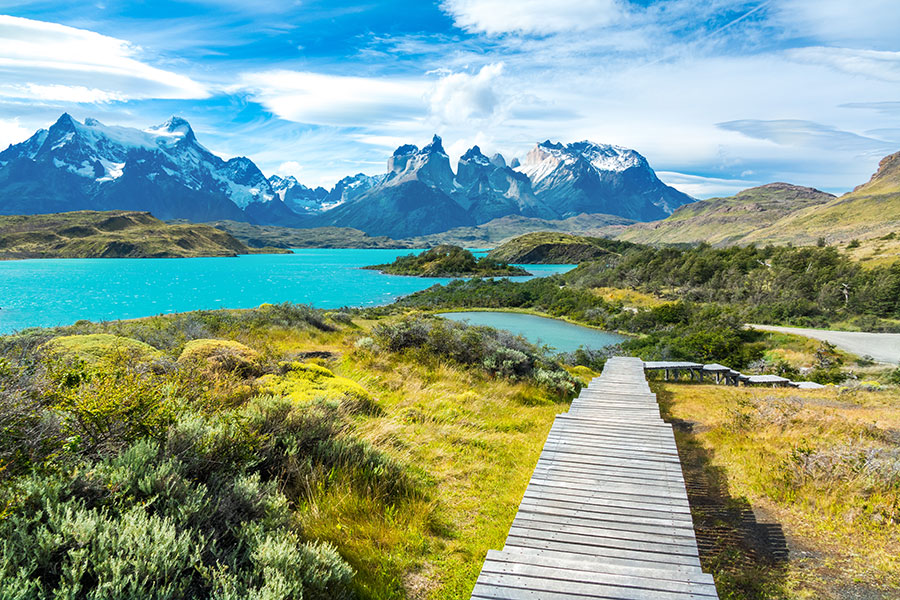
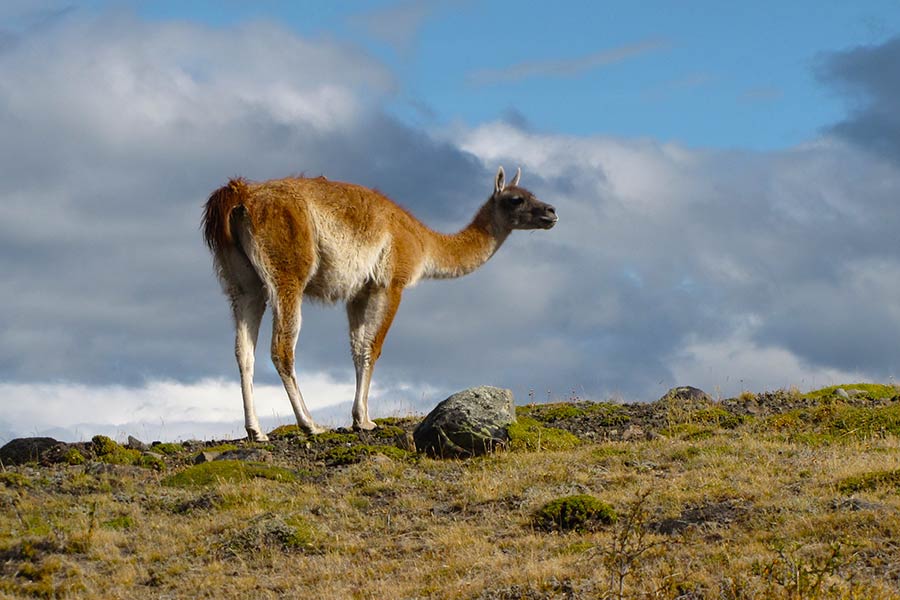
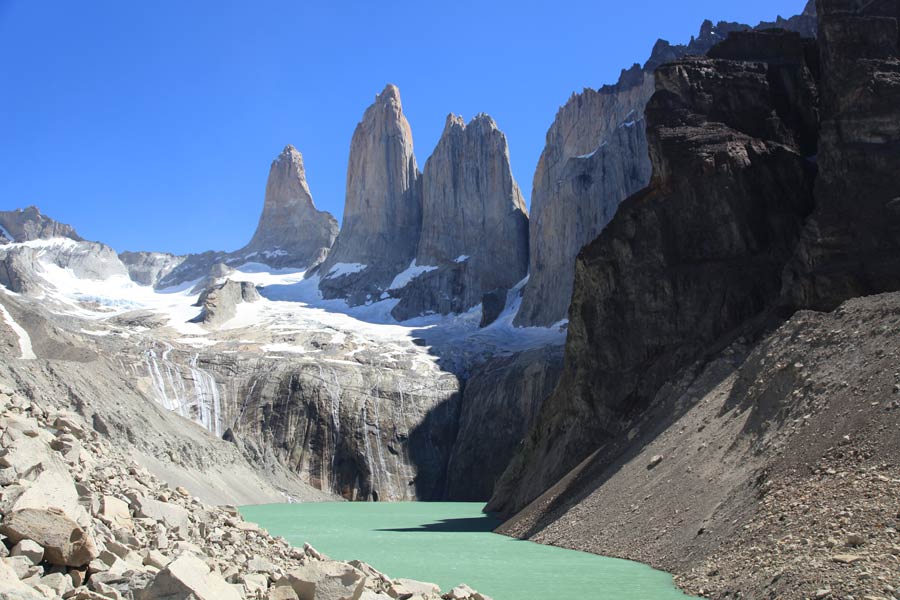
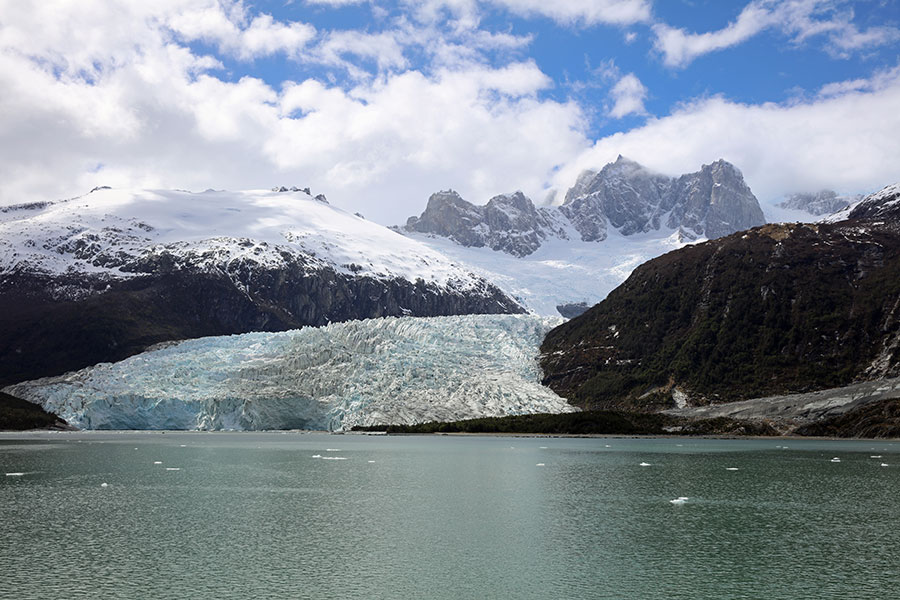
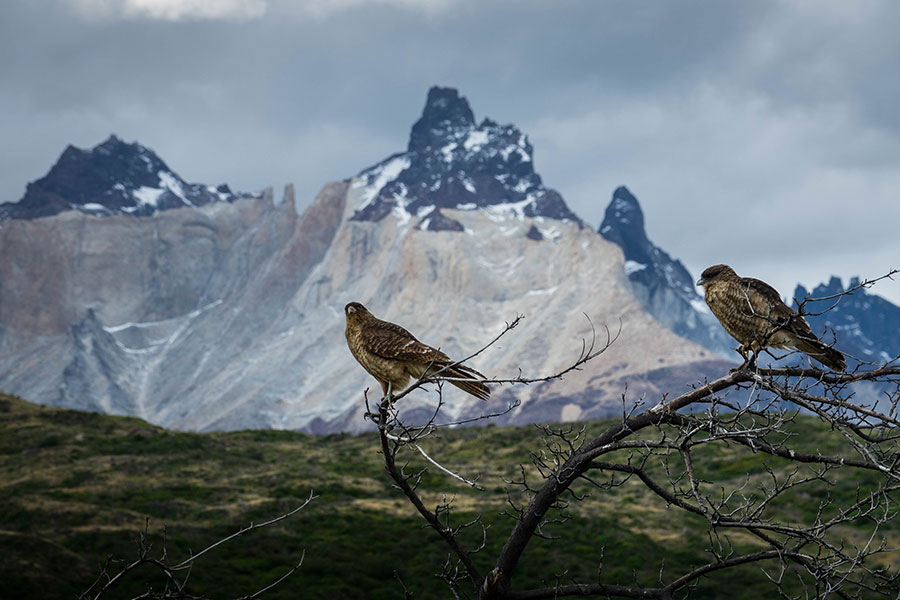
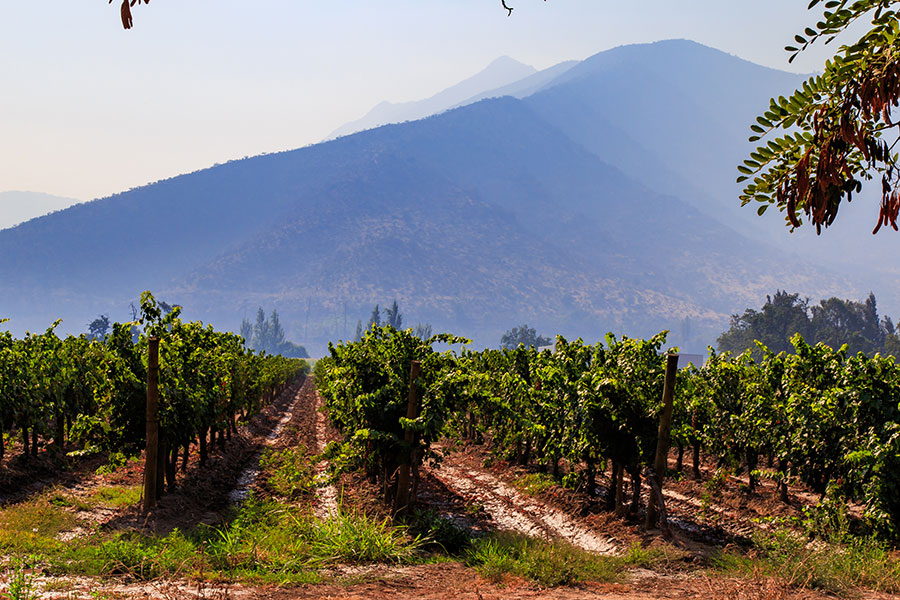
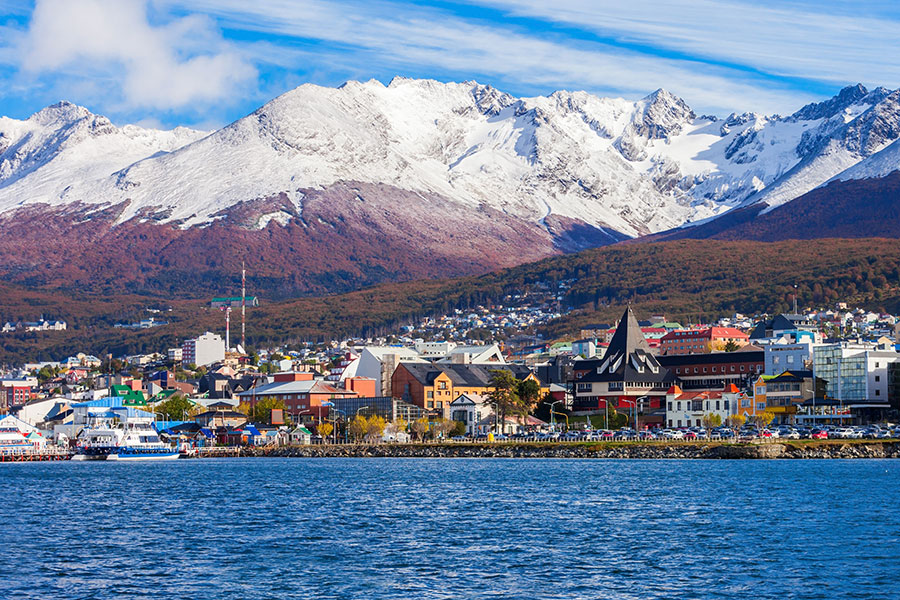
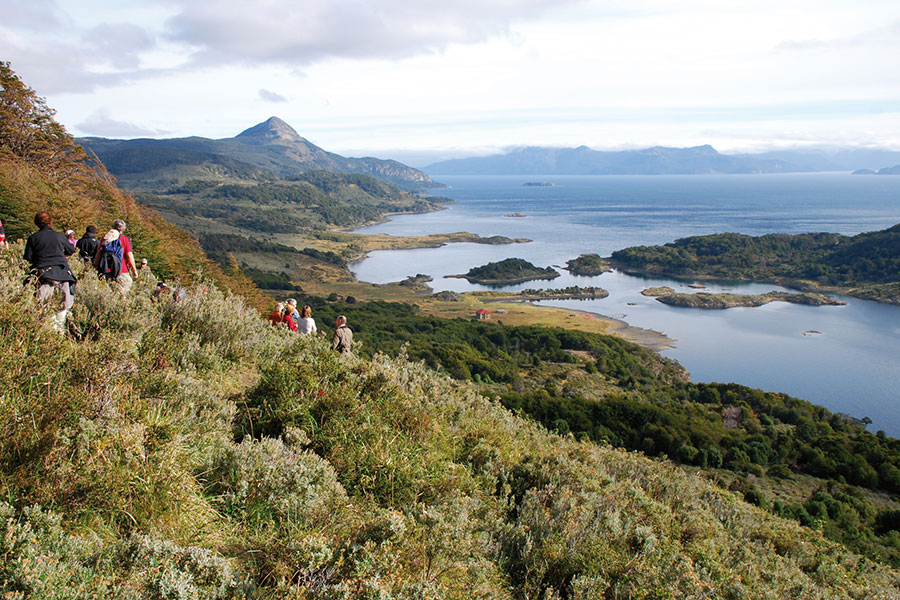
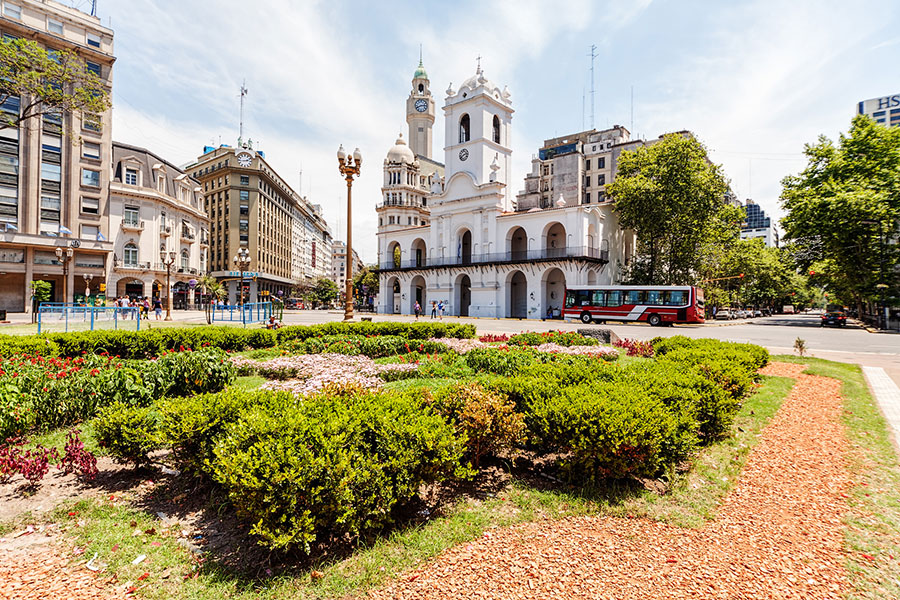
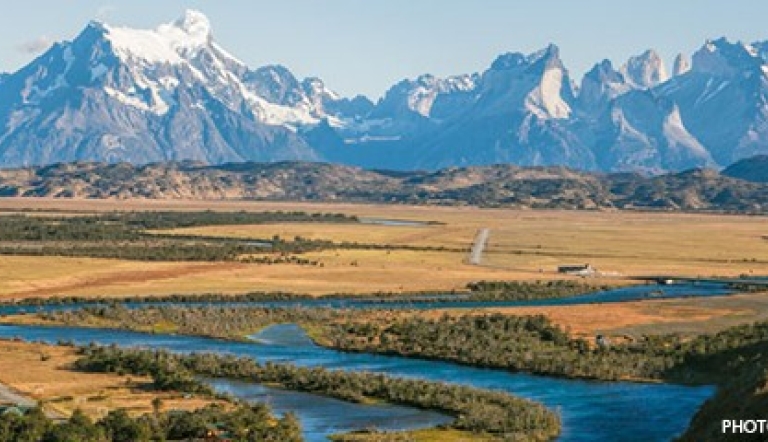
 Knife-edged Andean peaks, electric-blue fjords, teeming rookeries, and vast steppes: Patagonia promises adventure on a grand scale. Join Grand Valley Audubon on this 15-day expedition to experience it, by land and by sea. Spend several days amid the awe-inspiring landscapes of Torres del Paine National Park. With its glacial lakes, granite towers, and herds of guanaco, this UNESCO Biosphere Reserve is often listed among the most stunning national parks in the Western Hemisphere. Then, board the comfortable and stylish, state-of-the-art M/V Stella Australis and cruise the coast at the "End of the Earth," served by a multidisciplinary team who will explain the science and history behind the beauty. Discover the storied seas of Drake Passage and Cape Horn National Park, where whalers and adventurers sailed in the wake of Magellan and Darwin. A Chilean winery in Santiago and a tango show in Buenos Aires add color and contrast to your wilderness adventure.
Highlights
- Marvel at Torres del Paine’s dramatic lakes, glaciers, and waterfalls, as well as the distinctive granite peaks for which the park is named.
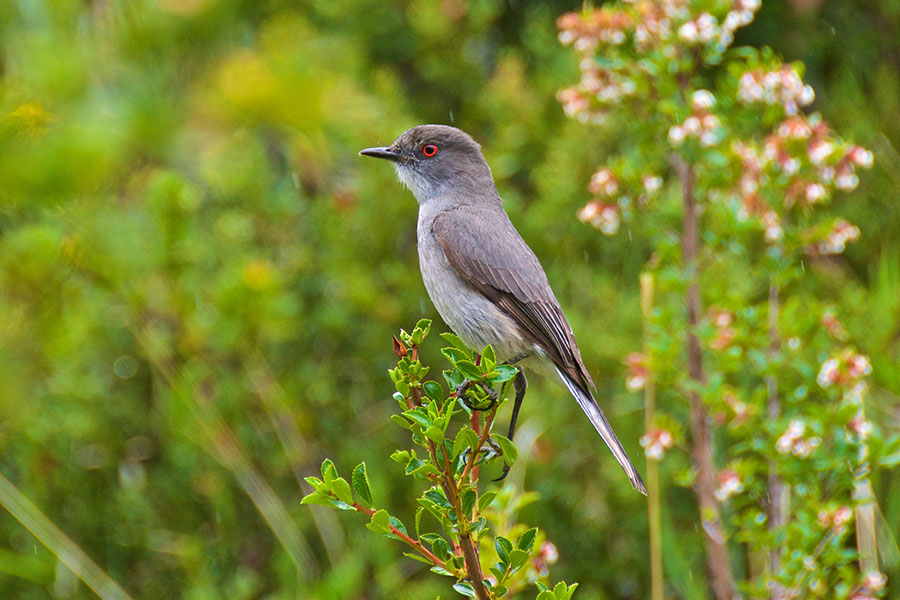
- Keep an eye out for southern South American birds like the Austral Thrush, Fire-eyed Diucon, Patagonian Sierra Finch, White-crested Elaenia, and Magellanic Woodpecker.
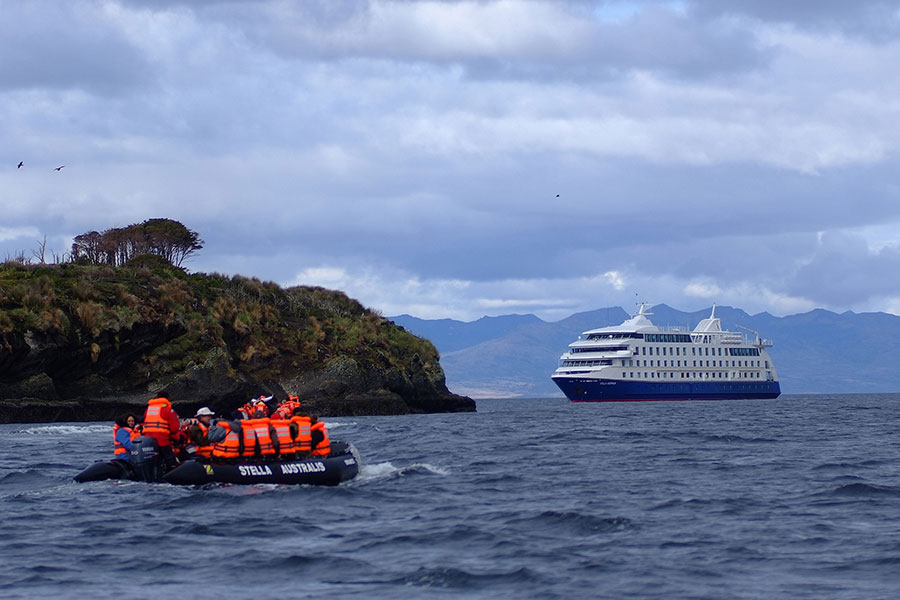
- Cruise in comfort aboard M/V Stella Australis through the fjords, bays, and open seas from Punta Arenas, Chile to Ushuaia, Argentina, the world's southernmost city.
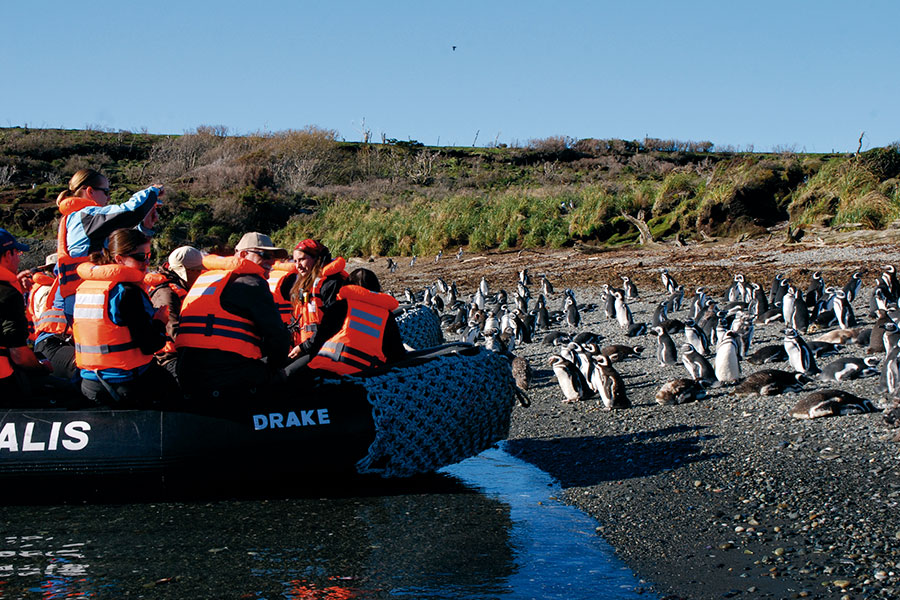
- Take a boat trip to Magdalena Island to view a colony of Magellanic Penguins numbering in the tens of thousands, as well as sea lions, Imperial Cormorant, Chilean Skua, and other seabirds.
- Learn about the Indigenous Yámana people and their interactions over the centuries with international missionaries, explorers, and scientists.
- Sample the sophisticated pleasures of Santiago and the Chilean wine country, taste Fuegian specialties with a local chef during a private dinner, and experience a sultry tango show in Buenos Aires.
Activity Level 3: Moderate
This multifaceted adventure combines natural exploration by land and sea, with urban discovery in two iconic South American capitals. The 5-day expedition cruise portion of your journey brings you to Patagonian fjords, inlets, islands and shores for daily hikes, often with varying options for level of challenge. You’ll hike flat forest paths, sandy and rocky beaches, and more intense trails through rugged glacial landscapes. Onboard your comfortable expedition ship you can expect mainly smooth sailing, but in Cape Horn National Park there can be high winds and rough seas. Some excursions use Zodiac landing craft. Other activities include visits to a penguin colony and a winery, and touring in Buenos Aires. The highest altitudes are less than 3,600 feet, in Torres del Paine National Park. There are two internal flights (Santiago to Puerto Natales or Punta Arenas, depending on flight schedules, and Ushuaia to Buenos Aires) plus overland transfers in private motorcoaches.
$10,395
Per person
About this price
Land cost only. Does not include round-trip airfare to and from destination.
Single room supplement $2650
What makes us different

Wildlife up-close

Rich content

Expert guides

Flight arrangements

Sustainable travel

Service anytime
Daily Itinerary
Print ItinerarySantiago, Chile
Torres del Paine, Chile
Torres del Paine, Chile
Torres del Paine
Punta Arenas, Chile
Patagonia
Cruising
Cruising
Cruising
Ushuaia, Argentina
Buenos Aires, Argentina
Buenos Aires, Argentina
Buenos Aires, Argentina
Arrive
Pricing
Print Pricing$10,395
Per person
About this price
Land cost only. Does not include round-trip airfare to and from destination.
Single room supplement $2650
What's Included
- Activities and meals as mentioned in itinerary
- Full time guide for the duration of your program
- Private transportation and driver for the duration of the program
- Internal flights relevant to itinerary
- Arrival and departure transfers based on individual flight schedules
- Gratuities for activity guides, meals and porters
- Non alcoholic beverage with meals
- Water refill station during transfers
- Carbon Offset
What's Not Included
- International airfare
- Gratuities for main guide and driver
- Travel Insurance
- Items of personal nature
Pricing Details
A deposit of $1000 per person is required to reserve your place on the program. Reservations received after the final payment deadline must be accompanied by full payment. Should you need to cancel your reservation, the following per person fees will apply: 135 or more days before departure: $100 cancellation fee; remaining balance is refunded. 134 - 96 days before departure: full deposit of $1000 is forfeited. 95 - 0 days before departure: 100% of program price is forfeited. In most cases, any applicable refunds will be issued to the original form of payment.
Holbrook Travel strongly recommends the purchase of travel protection for medical emergencies while traveling and to protect your investment. Please note the purchase of Cancel for Any Reason Coverage or to exclude pre-existing conditions with Trip Cancellation coverage may require policy purchase within 10-14 days of your initial deposit, depending upon the provider.
Single room supplement $2650
Final payment due date: July 31, 2027
Travel Info
Print Travel InfoEntry & Exit Requirements
U.S. citizens must have a valid passport to enter Chile and Argentina. Passports must have at least 2 fully blank pages (1 per country) for entry and exit stamps, and must be valid for at least the duration of your stay. (As requirements are subject to change at any time without notice, we strongly recommend at least six months' validity.)
Neither country requires a visa for visits up to 90 days.
A tourist card is required for U.S. citizens entering Chile and is issued upon arrival. This card allows visitors to stay for up to 90 days and will allow multiple entries. Keep the tourist card with your passport; it is important not to lose it, as you must present the card to Customs when you leave the country.
You must present proof of mandatory travel medical insurance for entry into Argentina. Your travel insurance policy must be valid for at least the full duration of your time in Argentina and must include coverage for medical and hospital care, accidents or illnesses (including COVID-19), 24/7 emergency assistance, and medical evacuation and repatriation. (Travel protection is available from a variety of providers, and you are encouraged to select the carrier that best meets your needs. Holbrook’s recommended provider is Travel Insured International. Learn more)
If you are not traveling with a U.S. passport, please check with the Chilean and Argentine embassies for the requirements based on your nationality.
If your international flights transits through another country, be sure to visit https://travel.state.gov to check that country's entry requirements. Some countries require visas or other authorization for transiting passengers, even for layovers where you don't leave the airport.
Health Information
IMMUNIZATIONS
The Centers for Disease Control recommends that all travelers be up-to-date on routine vaccinations such as measles-mumps-rubella (MMR) vaccine, diphtheria-pertussis-tetanus vaccine, varicella (chicken pox) vaccine, and your yearly flu shot before every trip.
There are no vaccinations required for entry into Chile or Argentina.
Though not required for entry, the CDC recommends vaccination against hepatitis A, hepatitis B, and typhoid for most unvaccinated travelers to Chile and Argentina.
Please consult your physician for additional information and recommendations based on your individual circumstances.
Mosquito-borne Illnesses
While unlikely in Santiago or Patagonia, mosquito-borne illnesses have been known to occur in Buenos Aires, including dengue fever and, to a lesser extent, chikungunya. We advise to check for possible disease outbreaks near the time of your departure and take appropriate precautions as warranted.
To protect against mosquitos, the CDC recommends that you cover exposed skin with lightweight, long-sleeved shirts and pants and use an insect repellent containing an EPA-registered active ingredient like DEET, picaridin, or oil of lemon eucalyptus (OLE). Apply sunscreen first, followed by the repellent, ideally 20 minutes later.
Be careful when applying products containing DEET, as it can damage or dissolve certain synthetic fabrics as well as plastic, rubber, vinyl, or elastic materials, such as those used in camera equipment, binoculars, phone cases, sunglasses, or watches. Additionally, some research suggests that when DEET and picaridin enter local waterways, they can be harmful to amphibians and other wildlife. When selecting a repellent, it is ultimately up to each traveler to weigh the risks and benefits of different options, keeping in mind both environmental factors and the importance of protecting against illness.
SEA SICKNESS
If you’re prone to feeling queasy, we suggest you consult your physician for advice on the best ways to prevent motion sickness. We recommend that you avoid showering when the Stella Australis is in motion and remain cautious of activities while passing through rocky waters.
SUN EXPOSURE
The effects of the sun can be damaging to the eyes and skin. Spending time outdoors exposes you to the sun’s harmful ultraviolet (UV) rays, even on cloudy days. To protect yourself from the sun, use a broad spectrum sunscreen of at least SPF 15, protect skin with clothing, wear a wide-brimmed hat and sunglasses, and drink plenty of fluids.
Respiratory Illness Protocols
Please review our Respiratory Illness Protocols page, which explains our policy and procedures if you or another traveler should develop symptoms of a respiratory illness during your trip. Your participation in a Holbrook Travel program indicates that you are in agreement with these protocols.
Liability Waivers
Please note you may be asked locally to sign liability waivers in order to participate in certain activities. If you would like to receive a copy of any required waiver in advance, please contact Holbrook Travel.
Resources
Print ResourcesPacking Recommendations
Everyone has personal preferences when it comes to packing; for this reason, the information below is offered as a general guide and not a definitive list. You know yourself best: Use your discretion and pack what you think will serve you, based on your personal preferences and specific itinerary.
You may find many of the items below in the New Headings Gear Store. Use code HolbrookGuest10 for a 10% discount on your purchase.
CLOTHING
Casual, comfortable clothing is suitable for most activities. You may wish to bring a few slightly nicer, "smart casual" outfits for activities like dinners out, winery visits, city tours, and the tango show, especially in Santiago and Buenos Aires. Keep in mind that locals tend to dress conservatively.
Bring enough clothing suitable for the length of your program. If you prefer to pack light, note that many hotels offer laundry services at an additional cost.
Remember that seasons in the Southern Hemisphere are reversed from those of the Northern Hemisphere; November falls during late spring. Santiago experiences a mild, Mediterranean climate; average highs in November are in the mid to upper 70s (°F). The weather in Patagonia can be unpredictable. We recommend packing clothing that can be worn in layers to adapt to weather changes throughout the day. Spring in Patagonia is generally characterized by temperate weather with occasional cold, overcast days. Average highs are in the 50s or 60s and lows are generally in the 30s and 40s. Patagonia is also known for its strong winds, which can make the ambient temperature feel dramatically colder. Buenos Aires has a humid subtropical climate, with average highs also in the 70s, but likely to be more humid than Santiago.
- A combination of short-sleeved and long-sleeved shirts, suitable for layering under a jacket or other outerwear as needed
- Moisture-wicking or thermal base layer
- Lightweight to medium-weight long pants, slacks, or jeans; quick-drying long pants
- Shorts/skirts – Patagonia has cool weather year-round, but you may wish to pack a pair of shorts in case of a warm spell or for your time in Santiago or Buenos Aires.
- Undergarments and socks
- Sleepwear
- Fleece, down, or synthetic-filled jacket/sweater
- Headgear – Include a hat (preferably with a wide brim) for sun protection. A tie under the chin is helpful in case of windy conditions. Beanie hats are excellent for windy conditions.
- Bathing suit – Pools are available at some hotels.
- Shoes – Plan to bring at least one pair of comfortable, closed-toe, water-resistant or waterproof walking or hiking shoes or boots with good ankle support, suitable for outdoor hikes and walking over cobblestones or other uneven terrain. In addition, many participants opt for a pair of sturdy sport-strap sandals (e.g. Keens, Tevas, or similar) and/or a pair of casual flip-flops, sandals, or slip-on tennis shoes for city tours and to wear around the hotel.
- Water-resistant or waterproof rain jacket, hooded poncho, and/or windbreaker
- Bandana, scarf, or neck gaiter
- Shawl or scarf and waterproof or polar fleece gloves for cold weather
PERSONAL TOILETRIES
Pack toiletries based on your personal preferences and habits. Below are just a few recommendations to keep in mind.
- Shampoo, conditioner, lotion, deodorant/antiperspirant, etc. – Most hotels provide basic toiletry amenities, but if you have any specific preferences, you may wish to pack your own. If possible, avoid strong fragrances in consideration of your fellow travelers.
- Soap and washcloth or a small, quick-drying microfiber towel – Washcloths are not standard in all hotels. If you normally use a washcloth, you may wish to bring one from home.
- Hairbrush, comb, hair ties, shower cap – The Stella Australis and most hotels provide a hair dryer.
- Toothbrush and toothpaste
- Razor
- Ear plugs, especially if you are a light sleeper
- Personal hygiene products
- Insect repellent
- Sunscreen and lip balm with SPF
- A travel pack of tissues – also useful as napkins or toilet paper if needed, as it may not be available at all roadside stops
Your local guide(s) will carry a basic first aid kit, but you may also wish to pack a small medical kit for personal use. Helpful items might include: bandages, antihistamine, a pain reliever, motion sickness and/or altitude sickness medication (if you are prone to either), anti-diarrhea medicine, aloe vera gel (to treat sunburn), individually wrapped pre-moistened towelettes and/or hand sanitizer, antibiotic ointment, anti-fungal cream, moleskin for blisters, eye drops, tweezers, a mini sewing kit, and an extra pair of disposable contact lenses or eyeglasses if you wear them.
Miscellaneous
Remember to pack valuables such as your passport, cash/credit cards, and medications in your carry-on luggage.
- Passport and photocopies of all travel documentation
- Personal insurance card and travel insurance information, including proof of travel health insurance to present upon arrival in Argentina
- Money – ATM/credit card and/or cash; small bills in good condition are recommended
- Prescription medicines (if applicable) – We recommend packing medications in their original bottles/packaging with pharmacy labeling.
- Sunglasses with strap
- Small day pack with waterproof cover for hikes and excursions
- Flashlight and/or head lamp
- A pocket calculator or phone to assist with conversions and currency exchange
- Binoculars with lens cleaner
- Camera and related equipment, such as charger, lenses, and extra memory cards
- Reusable water bottle
- Non-perishable snacks
- Pocket-knife or multipurpose tool – Pack in your checked luggage.
- Zip-top style bags – useful for packing toiletries, sorting clothing, storing damp or muddy shoes, or as a dry bag for protecting electronics
- Notepad or travel journal and pen
- Entertainment (e.g. music, a deck of cards, reading material and a portable bright light to read by, etc.) for down time, long bus drives, or on the airplane
- Collapsible walking stick or trekking poles with rubber tip – Pack in your checked luggage.
- A small quantity of laundry detergent if you’ll be washing clothing by hand
- Travel-size umbrella – Some people find this unwieldy to carry, while others find it offers better protection than a rain jacket alone.
- Money belt
- Plug adapter, voltage converter, and chargers for electronics
- Dry bags for electronics, especially while on the boat and Zodiacs
Questions?
For more information, contact Kevin Van Dien at kevin@holbrooktravel.com or 800-451-7111 x312
Want to subscribe to the Holbrook Explorer?

Photo of the Month: January 2026
Gallery: Exploring the Wilds of Southern Patagonia
