Colombia | Birding in the Colombian Amazon and Llanos
Activity Level:
Duration:
11 Days
Price:
From $5,450
Interests:

About this trip

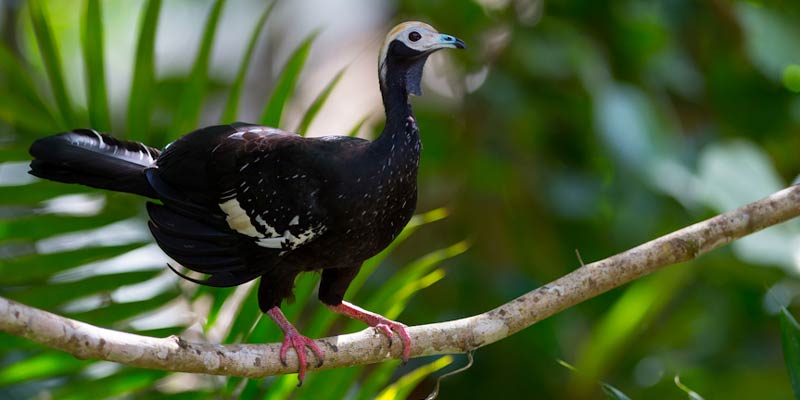
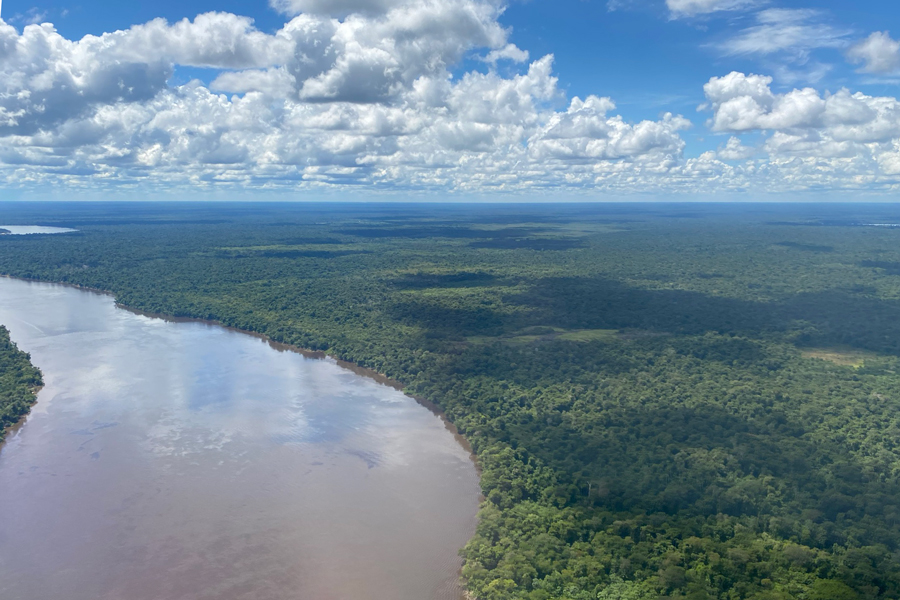
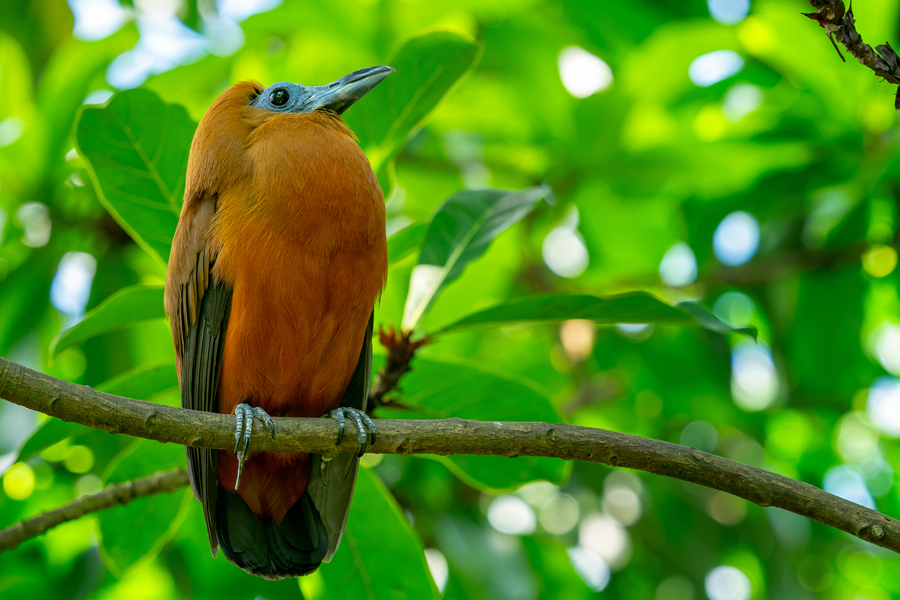
Venture into the contrasting ecosystems of the Colombian Llanos and Amazon on this 11-day journey to discover the hundreds of bird species that call the Gateway to South America home. Marvel at the complex topography surrounding Villavicencio, where the Andes meet the vast Llanos, and cruise through the Amazonian wetlands around Inírida, with its low forests, rivers and white sand. Learn about the abundant endemic wildlife from local Indigenous communities who are especially enthusiastic about birds and see emblematic species like the Capuchinbird, the Orinoco Softail, and even pink river dolphins and giant otters.

AVAILABLE "TRIPS TO GO"

The following sets of dates have been pre-reserved to guarantee availability for trip planners or organizations interested in booking this itinerary. Please contact us if you'd like to secure one of these departures for your group, or if you'd like to inquire about availability for other dates.

Nov. 5 - 15, 2026• Aug. 15 - 25, 2027
Jan. 10 - 20, 2027 Nov. 7 - 17, 2027

Highlights

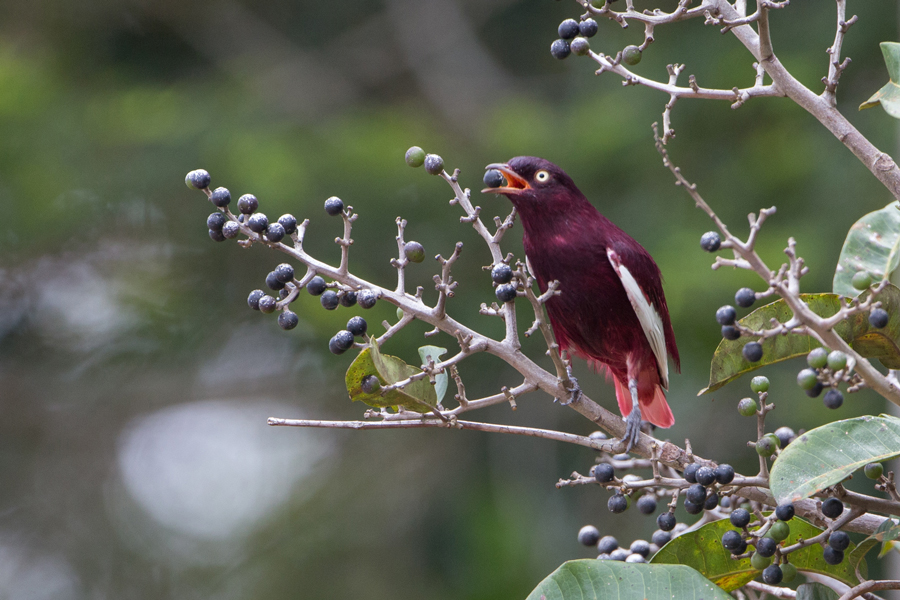
  • Meet the Indigenous communities of Sabanitas and spot the Capuchinbirds and Bare-necked Fruitcrows that inhabit their trails.
  • Visit the best birdwatching spot in Inírida, the Matraca Trail, and see endemic species like the Rose-breasted Chat and the Orinoco Softail.
  • Sail up the Inírida River and witness the biodiversity along its shores, with potential sightings of the Tropical Royal Flycatcher, the Wire-tailed Manakin, and many more.
  • Explore the Halcón Colorado Natural Reserve from Fundación Proaves, located at the top of the Bavaria Forest, and enjoy stunning views of the Colombian Llanos and rich avifauna.
  • Enjoy the chance to see more than 400 bird species around Villavicencio, including the Cundinamarca Antpitta, as this area has become an excellent spot for birdwatching due to the nature of the transitional foothills between the Andes and the savannas of Colombia.

Activity Level 3: Moderate

Participants should be able to ascend or descend 60 stairs consecutively, plus walk for at least 3 hours over some steep slopes, uneven, and potentially slippery surfaces without difficulty. Physical activities typically last for 3 or more hours at a time.

9 Travelers

Land Cost

$5,450 - Jul 1, 2025 - Dec 31, 2026

$5,450 - Jan 1 - Dec 31, 2027

Book 8 travelers and 1 group
leader travels for free

What makes us different

Rich content

All of our programs include experiences that are enriching and engaging to facilitate a genuine connection between our travelers and their destinations

Service anytime

Enjoy worry-free travel — our emergency line is monitored 24/7/365 so we can assist you if any problems arise while you’re traveling with us

Top birding guides

Our in-country birding guides are experts in bird identification and behavior, providing rewarding experiences for everyone from novice birders to ornithologists

Cultural Discovery

Put culture in context as you discover the history and traditions of your destination

Unique Itineraries

Our unique birding itineraries are designed to help strengthen and support tourism in bird hot-spots and support conservation and local economic development.

Flight arrangements

We’re a full service travel provider and are happy to assist with making your flight arrangements if desired

Daily Itinerary

Print Itinerary
Bogota
Day 1
Upon arrival in Bogotá, a driver will greet you and take you to your hotel. This is a travel day, so all meals are on own. Check-in starts at 3 pm.
Hilton Garden Inn
Inirida
Day 2
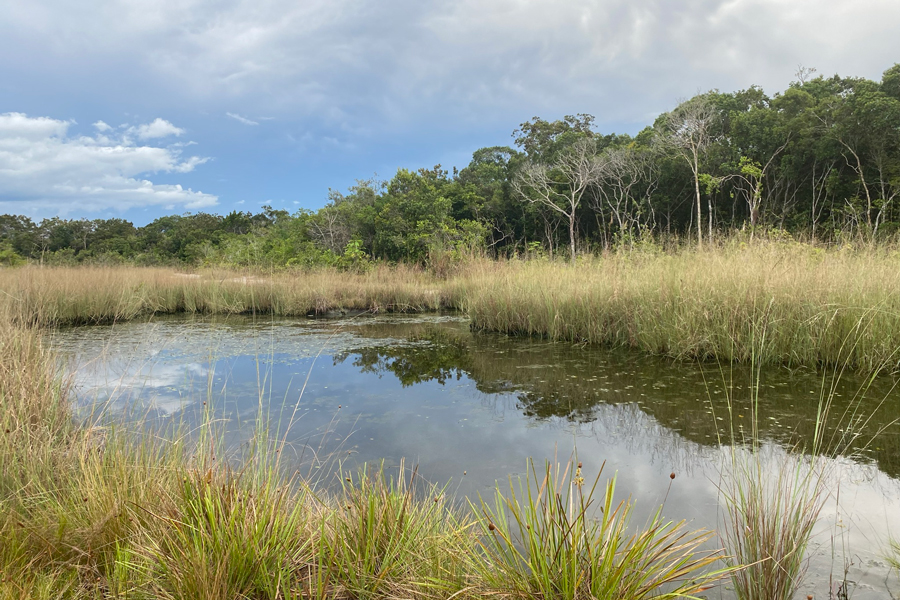
Begin today with an early breakfast and program orientation, and then return to the Bogotá airport for your flight to Inírida in the Colombian Amazon. Please note that this flight does not operate on Tuesdays, Thursdays, and Saturdays. Upon arrival at Inírida, head to your hotel for check-in, followed by lunch at a local restaurant. This afternoon, visit Los pepes Curve, a 1.5 mile route through floodable white sand savannahs. During this visit you will take a 1-hour Tuk- Tuk journey through this unique ecosystem looking for Pantanal snipe, White-naped Seedeaters, Little Tinamou, Amazon Kingfisher, Yellow-headed Caracara, Black-crowned Night Heron, Yellow-billed Tern, Brown-chested Martin, Crested Caracara, Double-toothed Kite. In the afternoon (if time permits) visit Kenke Ecopark, a natural and cultural site in Colombia's Amazon managed by a local indigenous family. The reserve encompasses a mix of white-sand forests, scrub, and savanna habitats, characterized by the iconic Inírida flowers ("flor de Inírida"). This diverse environment supports a rich array of bird species, notably, KENKE is considered one of the best places to observe the highly range-restricted Yapacana Antbird and the equally rare White-naped Seedeater. Elevation: 328 feet / Accessibility: Los pepes Curve has Paved Road, without difficulty levels and Kenke has low to moderate difficulty, with well-marked trails and manageable incline levels/ Temperature: 77 degrees Fahrenheit.
Breakfast-Lunch-Dinner included
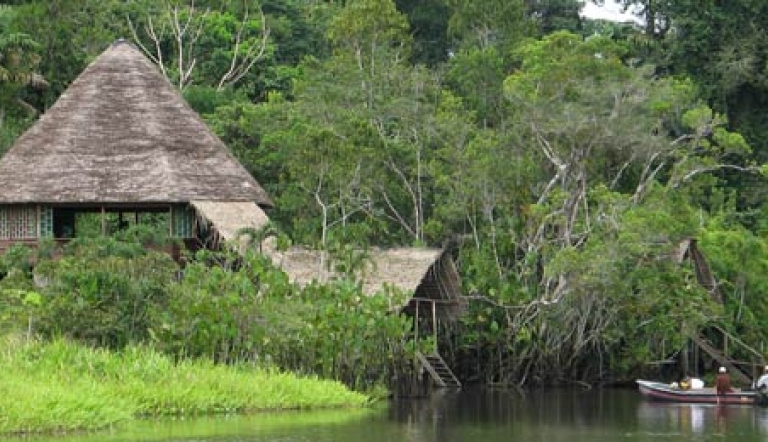
Cabaña Guainiana
Inirida
Day 3
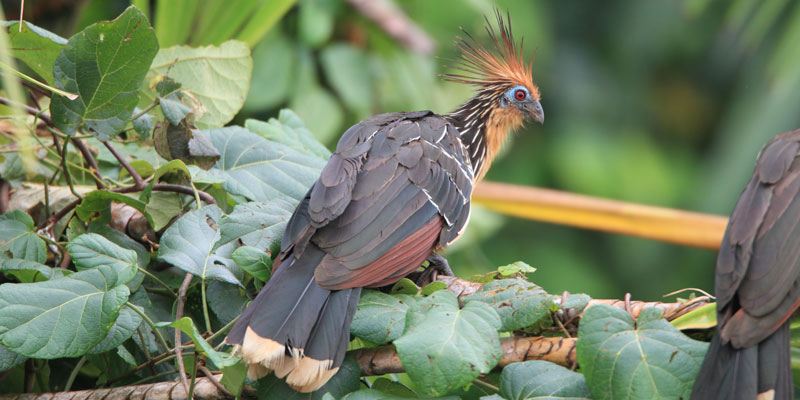
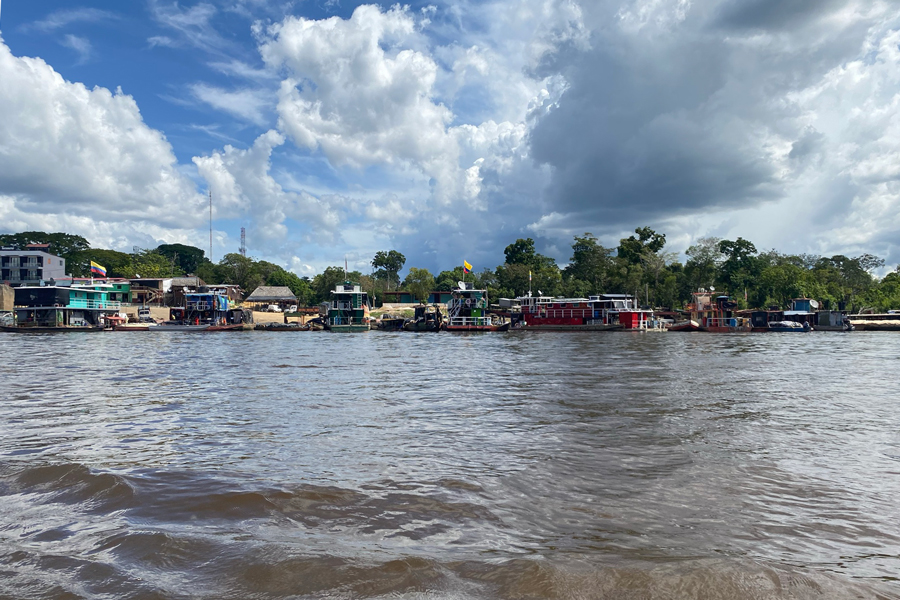
This morning, return to Kenke Ecopark to continue our exploration. Have lunch and return to the hotel for some down time. Later this afternoon, board a boat and travel about 45 minutes to Laguna Negra. This is a wonderful lake within the forest at the edge of the Guaviare River, home to wetland species like the Screaming Piha, Hoatzin, and Osprey, among others. With luck, you may also glimpse pink river dolphins and giant otters in the lagoon's tranquil waters. Make a stop at La Rompida Farmhouse, owned by Don Rafael, where it's possible to observe the White-eared Jacamar and the Inírida Antshrike, a new, as-yet-undescribed species that is truly wonderful to see and hear. Additional species you may see today are the Sungrebe, Black Skimmer, Sunbittern, Jabiru, Anhinga, and Capped Heron. In the evening, gather together to review your bird checklists. Elevation: 650 feet / Accessibility: Black-water Amazonian lagoons and flat trails at La Rompida Farmhouse / Temperature: 80 to 95 degrees Fahrenheit.
Breakfast-Lunch-Dinner included
Cabaña Guainiana
Inirida
Day 4
After an early breakfast, visit Sabanitas, a nearby Indigenous community with an established touristic program. The birds and the community live in harmony, and during the early morning hours it is possible to see Bare-necked Fruitcrows on rooftops and in the trees around the community. The community also manages the Caño Carbón trail, an approximately three-mile várzea forest path that protects some of the region's important species. Even though it is relatively low in biodiversity due to its vegetation, so far it is the only known place locally where it's possible to easily spot the iconic Capuchinbird. Nevertheless, more than 225 species have been recorded here, especially antbirds and flycatchers. Be on the lookout for Chestnut-fronted Macaw, Variegated Tinamou, Crimson-crested and Yellow-throated Woodpeckers, Black-headed Parrot, Olivaceous Woodcreeper, Dwarf Tyrant-Manakin, White-crowned Manakin, and Screaming Piha. It is important to understand that the várzea forests may flood heavily during the rainy season (April to October), making it necessary to travel by boat around the trails; sometimes the water levels around the trails may surpass 15 feet in depth. After a morning hike, return to the community for lunch and time to relax. This afternoon, visit Caño Culebra Trail which is composed primarily of white-sand scrub and traditional low forests, attracts a number of specialist species. The open spaces make it ideal for observing macaws and guans. Look also for cotingas and tanagers perched atop the few scattered tall trees. At sundown, the pastures of Caño Culebra are great for spotting nightjars and owls. Other targets here today include Black Manakin, Pale-bellied Mourner, Cinereous Tinamou, Least Nighthawk, Brown Jacamar, Slender-footed Tyrannulet, Black-eared Fairy, White-necked Puffbird, Golden-spangled Piculet, and Ringed Woodpecker. This evening, gather as a group to review your bird checklists. Elevation: 650 feet / Accessibility: at Caño Carbón trail: Indigenous country roads that are flat and easy to hike during dry season, at Caño Culebra Trail easy sandy, country roads with no flood risk / Temperature: 80 to 95 degrees Fahrenheit.
Breakfast-Lunch-Dinner included
Cabaña Guainiana
Inirida
Day 5
This morning, board a boat and travel 15 minutes upriver to the Matraca Trail. A 2.5-mile trail leads to the Matraca community of the Curripaco Indigenous people. This is quite possibly the best place for birding in the entire Inírida region. In Matraca, it is possible to spot the endemic Orinoco Softtail, as well as Rose-breasted Chat, Blue-throated Piping-Guan, Crestless Curassow, Butterfly Coquette, Gray-breasted Sabrewing, Slender-billed Kite, Green-tailed Jacamar, Golden-green Woodpecker, and Black Bushbird. Return to town for lunch at a local restaurant, and then spend some time at the hotel to relax. This afternoon, explore El Paujíl Trail. Similarly to Matraca, this trail harbors incredible biodiversity on the shores of the Inírida River. The forests around the trail are dense with 160-foot tall trees and impenetrable low vegetation. Of particular note are the Tropical Royal Flycatcher and Wire-tailed Manakin leks that are present here. It's common to cross paths with members of the local Indigenous communities along this trail, and some are very curious about birding practices. Other key bird species include Rose-breasted Chat, Orinoco Softtail, Blue-throated Piping-Guan, Crestless Curassow, Butterfly Coquette, Gray-breasted Sabrewing, Slender-billed Kite, and Green-tailed Jacamar. Elevation: 650 to 2,300 feet / Accessibility: Indigenous country roads that are flat and easy to hike during the dry season; Black-water Amazonian lagoons / Temperature: 80 to 95 degrees Fahrenheit.
Breakfast-Lunch-Dinner included
Cabaña Guainiana
Inirida
Day 6
Travel for about an hour and a half to the Cerros de Mavecure today. These three monolithic hills are located about 30 miles upstream from the city, following the Inírida River. The three hills that make up Mavecure are called Pajarito Hill (2,335 feet), Mono Hill (1,574 feet) and Mavecure Hill (560 feet) and are part of a much larger geological formation known as the Guiana Shield, which encompasses Guyana, Suriname, French Guiana, Venezuela, and parts of Colombia and northern Brazil. The Cerros de Mavecure are one of the most sacred places for several different Amazonian Indigenous tribes, such as the Curripaco and the Puinave peoples. The Remanso community next to the hills offers grandiose opportunities for birding in a forest with firm, fragmented land that connects evenly with monolithic stone blankets filled with scattered tall trees. This is an excellent place to view King Vulture, Black Skimmer, Swallow-winged Puffbird, Cliff Flycatcher, Orange-breasted Falcon, Black Caracara, Crested Oropendola, Yellow-rumped Cacique, Burnished-buff Tanager, Black-collared Swallow, and Brown Jacamar. Spend the morning birding on the Remanso community land surrounding the hills, and then board the boat for a five-minute ride to the community's restaurant. Here, enjoy an authentic lunch of local Indigenous cuisine, followed by time to relax on the beach. Depart mid-afternoon for the journey back to Inírida. On the way back to town, take a boat to Caño Cunubén, searching the shorelines from the boat for Osprey, Black-fronted Nunbird, White-eared Jacamar, Rusty-backed and Yellow-chinned Spinetails, Amazonian Umbrellabird, Amazonian Black-Tyrant, Drab Water Tyrant, Black-capped Donacobius, and Solitary Black Cacique. This evening, have dinner and experience a special show by a local Indigenous community to bid farewell to the Colombian Amazon. Then, gather to review your bird checklists. Elevation: 650 to 2,300 feet / Accessibility: Boat ride. Hiking over stone trails is optional. Indigenous country roads that are flat and easy to hike during the dry season / Temperature: 80 to 95 degrees Fahrenheit.
Breakfast-Lunch-Dinner included
Cabaña Guainiana
Villavicencio
Day 7
On your last morning in the Amazon, visit the Vitina community and Flor de Inírida Reserve - one of the most wonderful places in Inírida for birding. With a beautiful white-sand savanna, tall scattered trees and easy access to the main habitat, this is the location of two iconic bromeliad species from the region, both known as flor de Inírida. The two species are differentiated by the shape and size of their inflorescence and the time of year when they blossom. These savannas only exist on the eastern extremity of Colombia and the western extremity of Venezuela, at a point where the Amazon intersects with the Orinoquía and the Guiana Shield. The habitat is also conducive for some specialist avian species, among them the White-naped Seedeater and the Yellowish Pipit. Looking toward the tops of trees, you might see three gorgeous cotinga species: the Pompadour, Spangled, and Purple-breasted. The hiking is always done on trails from the community and the paved access road. Return to the hotel to check out, and then travel to the airport for your flight to Villavicencio. Please note that this flight only operates on Tuesdays, Thursdays, Saturdays, and Sundays. Spend the remainder of the afternoon relaxing and enjoying the hotel amenities in Villavicencio before gathering in the evening to review your bird checklists. Elevation: 650 feet / Accessibility: Indigenous country roads that are flat and easy to hike during the dry season. Access road to the Vitina Indigenous community / Temperature: 80 to 95 degrees Fahrenheit.
Breakfast-Lunch-Dinner included
GHL Hotel Grand Villavicencio
Villavicencio
Day 8
On the edge of Villavicencio, at the foothills of the Andes where the Colombian Eastern Cordillera meets the Orinoco basin, lies the Bavaria Forests. This area features a mix of humid tropical rainforest and transitional jungle, connecting the mountains with the expansive savannas of Colombia. Protected by the country's largest brewery, the Bavaria Forests are an important green space for the region, known for their high diversity of mountain birds, making them a notable site for bird observation in the Meta department. Spend the day birding in the forests where you may find Turqouise Tanager, Paradise Tanager, Golden-headed Manakin, Lettered Aracari, White-chested Puffbird, Yellow-billed Nunbird, Green-backed Trogon, Violaceus Jay, Gilded Barbet and Dusky Antbird. Elevation: 1968-4265 ft.asl / Track: rural unpaved road, very inclined in some spots, but overall easy to hike / Temperature: 75°-89°F.
Breakfast-Lunch-Dinner included
GHL Hotel Grand Villavicencio
Villavicencio
Day 9
In the municipality of Cumaral, just a 45-minute drive from Restrepo, the El Silencio Wetlands offer a sanctuary of natural beauty and biodiversity. This private reserve is home to two expansive wetlands teeming with a rich tapestry of waterfowl and open landscapes. As you explore this flat, easy-to-navigate terrain, you’ll encounter vibrant populations of monkeys, including the charming squirrel monkey, the elusive ornate titi monkey, and the playful tufted capuchin. The wetlands provide an ideal backdrop for photography, capturing stunning images of birds, majestic caimans, and a variety of primate species. While the area is accessible and welcoming, remember to protect yourself from the sun and insects as you venture through this captivating landscape. Some of the key species that can be observed here include the Hoatzin, White-bearded Hermit, Scaled Piculet, Rufous-fronted Thornbird, Olive Oropendola, Sunbittern, Dark-billed Cuckoo, Dwarf Cuckoo, Masked Cardinal, Black-and-white Seedeater, Crimson-crested Woodpecker, Golden-bellied Euphonia, Boat-billed Heron, Two-banded Puffbird, and Many-banded Aracari. This evening, gather to review your bird checklists. Elevation: 984 feet / Accessibility: flat trails near the lodge and hiking around lagoons / Temperature: 77 to 93 degrees Fahrenheit.
Breakfast-Lunch-Dinner included
GHL Hotel Grand Villavicencio
Bogota
Day 10
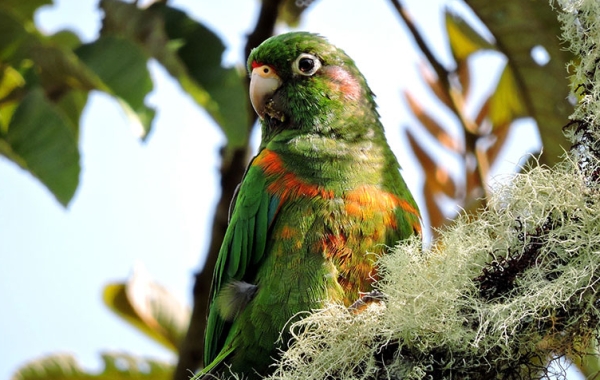
This morning, discover the La Herrería feeders in Cundinamarca, celebrated for its biodiversity and natural beauty. This trail meanders through diverse habitats, from primary and secondary forests to open areas with vibrant shrubs and serene scrublands. The La Herrería Trail it's a sanctuary dedicated to the conservation of the elusive Cundinamarca antpitta. While exploring the area, be on the look-out for other species such as Longuemare's Sunangel, Green-bellied Hummingbird, Brown-breasted Parakeet, Muisca Antpitta, Long-tailed Tapaculo, Black-and-chestnut Eagle, Ochre-breasted Brushfinch. Next we will visit a local farm - Casa Hillebrand - in the mountains of Cundinamarca. This charming farm is an ideal spot for birdwatchers, with more than 90 recorded species including the White-vented Plumeleteer, Band-bellied Owl, Red-headed Barbet, Blue-naped Chlorophonia and the Crimson-rumped Toucaned. From the property's lookout point, enjoy views of the canyon and observe birds in their natural environment. Founded in 1988 by Mr. Herbert Hillebrand, the house features classic colonial architecture that has been carefully restored to preserve its original character. The farm offers a warm and welcoming atmosphere, and visitors are invited to enjoy its signature coffee-grown, processed, and roasted on-site for a truly fresh experience. Casa Hillebrand highlights the value of protecting the region's biodiversity and natural beauty, making it a meaningful destination for nature lovers. Afterward, return to Bogotá and gather for a final briefing and bird checklist review before a Farewell Dinner at the hotel restaurant. Elevation: 2834.6 - 8710.6 ft.asl / Mobility: Easy - Medium / Temperature: 50° - 78° F.
Breakfast-Lunch-Dinner included
Hilton Garden Inn
Depart
Day 11
Check out and head to the airport for your flight home. Hotel check-out is at 12 pm.
Breakfast- included
9 Travelers

Land Cost

$5,450 - Jul 1, 2025 - Dec 31, 2026

$5,450 - Jan 1 - Dec 31, 2027

Book 8 travelers and 1 group
leader travels for free

What's Included
  • Activities and meals as mentioned in itinerary
  • Arrival and departure transfers based on individual flight schedules
  • Water refill station during transfers
  • Carbon Offset
  • Full time expert birding guide for duration of program
  • Internal flights relevant to itinerary
  • Non alcoholic beverage with meals
  • Private transportation and driver for the duration of the program
What's Not Included
  • International airfare
  • Items of personal nature
  • Gratuities
  • Travel Insurance
Pricing Details
Rates are based on double occupancy for participants.

Prices are valid for travel from Jul 1, 2025 - Dec 31, 2026. Holiday surcharges may apply.

Travel Info

Print Travel Info

Entry & Exit Requirements

U.S. citizens must have a valid passport with at least one blank page to enter Colombia. Passports must be valid for at least the duration of your stay. As this requirement is subject to change at any time without prior notice, it is strongly recommended that passports be valid for at least six months beyond your expected departure date.

A Colombian visa is not required for tourist stays of 90 days or less. Travelers entering Colombia are sometimes asked to present evidence of return or onward travel, usually in the form of a plane ticket.

A Migración Colombia Check-Mig immigration form must be completed within 72 hours of your flight to Colombia and at least 1 hour prior to boarding. You will be required to enter the address of your accommodation (to be provided in your pre-departure documents) and your flight number. The form can be found at https://apps.migracioncolombia.gov.co/pre-registro/en. You will receive a confirmation email that you will need to present upon arrival in Colombia. (You may also be asked to show this confirmation before boarding your flight in the U.S.)

If you are not traveling with a U.S. passport, please check with the Colombian Embassy for the requirements based on your nationality.

Health & Safety

Please consult your physician for guidance on medical issues. Holbrook Travel is not authorized to provide medical information and the following advice should be confirmed with your doctor.

Immunizations

The Centers for Disease Control recommends that all travelers be up-to-date on routine vaccinations such as measles-mumps-rubella (MMR) vaccine, diphtheria-pertussis-tetanus vaccine, varicella (chicken pox) vaccine, and your yearly flu shot, as well as the COVID-19 vaccine, before every trip.

There are no vaccinations required for entry into Colombia, but yellow fever vaccine is required for entry into the Inírida municipality. Please be prepared to present your certificate of yellow fever vaccination upon arrival in Inírida. Currently, those who do not have the vaccination certificate are able to obtain the vaccination for free upon arrival in Inírida at the checkpoint in the César Gaviria Trujillo Airport. However, as this may change in the future, we recommend getting vaccinated before departing for Colombia.

Though not required, the CDC also recommends vaccination against hepatitis A, hepatitis B, and typhoid for most unvaccinated travelers to Colombia.

Please visit cdc.gov/travel or consult your physician for additional information and recommendations based on your individual circumstances.

Malaria

The CDC warns that travelers to Colombia may be at risk for exposure to malaria, especially at elevations below 5,600 feet. Malaria is caused by a parasite found in Anopheles mosquitos, which are active from dusk until dawn. Prevention is twofold: the use of anti-malarial drugs and the prevention of insect bites. Prophylaxis is not required for entry into the country, but if you choose to use an anti-malarial drug, as recommended by the CDC, see your physician for a prescription. To protect against mosquitos, cover exposed skin with lightweight, long-sleeved shirts and pants, consider treating clothes with permethrin, and use an insect repellent containing an active ingredient like DEET or picaridin. Apply sunscreen first, followed by the repellent (preferably 20 minutes later).

Other Insect-borne Illnesses

Other insect-borne illnesses are known to occur in Colombia, including dengue fever, leishmaniasis, Zika virus, and others. Travelers to Colombia should protect themselves against insect bites using the measures described above.

As a precaution, the CDC advises women who are pregnant to consider postponing travel to any area where Zika virus transmission is ongoing.

After spending time outdoors, especially in grassy or wooded areas, the CDC recommends showering and conducting a full-body check for ticks. If you find a tick attached to your skin, safely remove it as soon as possible.

Altitude sickness

Upon arrival at locations of high elevation (above 5,000 feet), shortness of breath and a pounding heart are normal responses to the lack of oxygen in the air. However, for some visitors, these symptoms can deteriorate into altitude sickness. Headache, extreme tiredness, dizziness, nausea, and loss of appetite are standard symptoms. Staying hydrated and well rested is important to adjust to the altitude. Avoiding heavy, fatty foods and alcohol in the days before arriving to altitude can help. Over-the-counter medications are also available to help prevent or alleviate symptoms. It’s advisable to avoid sleep medications, as they can slow breathing and respiration, which aid in getting the blood oxygenated while sleeping. Participants who take blood pressure medications should discuss this with their doctor as the medication can drop pressure too low at times.

SUN EXPOSURE

The effects of the sun can be damaging to the eyes and skin. Spending time outdoors exposes you to the sun’s harmful ultraviolet (UV) rays, even on cloudy days. To protect yourself from the sun, use a broad spectrum sunscreen of at least SPF 15, protect skin with clothing, wear a wide-brimmed hat and sunglasses, and drink plenty of fluids.

Respiratory Illness Protocols

Please review our Respiratory Illness Protocols page, which explains our policy and procedures if you or another traveler should develop symptoms of a respiratory illness during your trip. Your participation in a Holbrook Travel program indicates that you are in agreement with these protocols.

Resources

Print Resources

Packing Recommendations

Everyone has personal preferences when it comes to packing; for this reason, the information below is offered as a general guide and not a definitive list. You know yourself best: Use your discretion and pack what you think will serve you, based on your personal preferences and specific itinerary.

You may find many of the items below in the New Headings Gear Store. Use code HolbrookGuest10 for a 10% discount on your purchase.

CLOTHING

Casual, comfortable clothing is suitable for most activities. You may wish to bring a slightly nicer outfit or two if your itinerary includes dinners out or more formal activities.

Bring enough clothing suitable for the length of your program. If you prefer to pack light, note that many hotels offer laundry services at additional cost. If you plan to hand-wash items, remember that humidity may delay drying time.

Pack clothing that can be worn in layers to adapt to weather changes throughout the day. The rainy season in the Colombian Amazon is December to May, whereas the rainy season in the city of Villavicencio is March to December, but it can rain at any time in both regions. Clothing that wicks away moisture and dries quickly is recommended.

  • A combination of short-sleeved and lightweight, long-sleeved shirts for sun and mosquito protection
  • Shorts
  • Lightweight, quick-drying long pants for sun and mosquito protection; jeans tend to be uncomfortable in hot and humid conditions, but are fine in the cooler highlands.
  • Undergarments
  • Sleepwear
  • Lightweight jacket or sweater/sweatshirt
  • 1-2 bathing suit(s)
  • Socks – Bring extra pairs. If your itinerary indicates muddy hikes with rubber boots provided on-site, pack a few pairs of knee socks to prevent blisters.
  • Shoes – Consider your specific itinerary when choosing footwear. For most programs, you’ll likely want at least one pair of comfortable, closed-toe walking or hiking shoes suitable for forest hikes and walking over cobblestones or other uneven terrain. Sturdier hiking boots may be appropriate for more rugged itineraries. In addition, many participants opt for a pair of sturdy sport-strap sandals (e.g. Keens, Tevas, or similar) and/or casual flip-flops or sandals. You may also want a pair of aqua socks, reef walkers, or water shoes.
  • Lightweight rain jacket, hooded poncho, and/or windbreaker
  • Visor or wide-brimmed sun hat
  • Bandana, scarf, or Buff-style headwear

Personal Toiletries

Pack toiletries based on your personal preferences and habits. Below are just a few recommendations to keep in mind.

  • Shampoo, conditioner, lotion, deodorant/antiperspirant , etc. – If possible, avoid strong fragrances if you are sensitive to insect bites and in consideration of your fellow travelers.
  • Soap and washcloth or a small, quick-drying microfiber towel – Washcloths are not standard in all hotels. If you normally use a washcloth, you may wish to bring one from home.
  • Hairbrush, comb, hair ties, shower cap. Not all hotel rooms provide a hair dryer, so you may wish to bring one from home.
  • Toothbrush and toothpaste
  • Razor
  • Ear plugs, especially if you are a light sleeper
  • Personal hygiene products
  • Insect repellent with DEET or picaridin (see note below about treating clothing with permethrin)
  • Sunscreen and lip balm with SPF
  • Aloe vera gel
  • A travel pack of tissues – also useful as napkins or toilet paper if needed

In addition to your personal toiletries, it is useful to pack a small medical kit, which you can easily prepare. Helpful items might include: bandages, antihistamine, a pain reliever, motion sickness medication (if you are prone to it), anti-diarrhea medicine, individually wrapped pre-moistened towelettes and/or hand sanitizer, antibiotic ointment, anti-fungal cream, moleskin for blisters, eye drops, tweezers, a mini sewing kit, and an extra pair of disposable contact lenses or eyeglasses if you wear them.

Days before you leave home, you may wish to consider spraying any clothing, socks, and shoes that will be worn in lowland, tropical sites with permethrin, an anti-parasite medication, to repel irritating pests and prevent the spread of disease. A recommended brand is Sawyer. Carefully read all instructions before use. Please note permethrin is highly toxic to cats and fish, and some aerosol products may be harmful to birds. Side effects may include minor itching, burning, or redness. You may want to use a laundry marker to label and keep track of which socks are permethrinized. Only one application per item is necessary; permethrin on treated clothes remains effective through several washings. Permethrin should NOT be applied directly to skin.

Miscellaneous

Remember to pack valuables such as your passport, cash/credit cards, and medications in your carry-on luggage.

  • Passport and photocopies of all travel documentation
  • Personal insurance card and travel insurance information
  • Money – ATM/credit card, and/or cash; small bills in good condition are recommended
  • Prescription medicines (if applicable), with a copy of the prescription
  • Yellow fever certificate
  • Sunglasses with strap
  • Small day pack for hikes and excursions
  • Flashlight and/or head lamp
  • Travel alarm clock or inexpensive waterproof wristwatch with alarm – Not all hotels provide alarm clocks.
  • A pocket calculator or phone to assist with conversions and currency exchange
  • Binoculars with lens cleaner
  • Camera and related equipment, such as charger, lenses, and extra memory cards
  • Reusable water bottle
  • Non-perishable snacks
  • Pocket-knife or multipurpose tool - Pack in your checked luggage
  • Zip-top style bags – useful for packing toiletries, sorting clothing, storing damp or muddy shoes, or as a dry bag for protecting electronics
  • Notepad or travel journal and pen
  • Music or reading material for down time, long bus drives, or on the airplane, and a portable bright light to read by
  • Collapsible walking stick with rubber tip
  • A small quantity of laundry detergent if you’ll be washing clothing by hand
  • Travel-size umbrella – Some people find this unwieldy to carry, while others find it offers better protection than a rain jacket alone.
  • Money belt
  • Chargers for electronics
"My personal goals were access to birding localities not routinely available to the casual traveler, as well as gaining insight into Colombia and its history and population. What an amazing trip! I got to places I never dreamed of before. High five to all involved!"
- Donna C.
Colombia , 2024
Want to subscribe to the Holbrook Explorer?
Sign up for our newsletter and get the latest updates on upcoming trips, deals, and more.
CAPTCHA
This question is for testing whether or not you are a human visitor and to prevent automated spam submissions.
eBird Trip Reports: Colombia
Want to know which species other Holbrook travelers have seen on their birding trips to Colombia? Check out these eBird trip reports shared by past groups to see their checklists and get an idea of wh