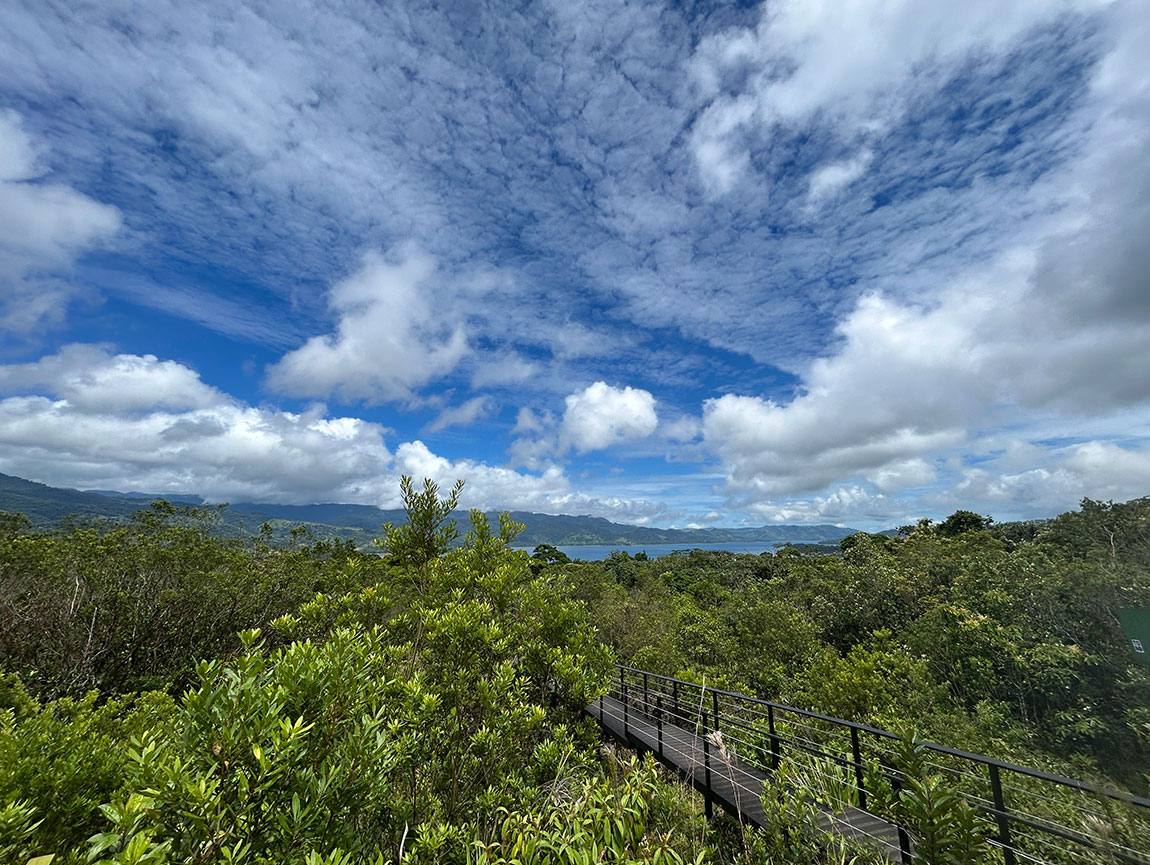
In December of 2004, in the middle of North America’s winter, Bill Hilton Jr. and his team of citizen scientists were in the tropical Guanacaste Province of Costa Rica. On that trip, they became the first people to systematically capture, band and study Ruby-throated Hummingbirds in Central America.
Hilton, a self-described “educator-naturalist” takes citizen scientists on his Operation RubyThroat program in Central America to help him research these tiny birds.
“I say educator before naturalist,” Hilton said, “because if I don’t share what I learn about nature then it’s not worth learning.”
Citizen science expeditions allow nonprofessional volunteers to contribute to scientific research projects. There is no need for previous training, as participants learn all the skills they need on-site.
Through citizen science research on these trips, Hilton proved that ruby throats have site fidelity, meaning that the hummingbirds migrate to the same location every year. Nine of the birds he banded in Costa Rica returned to the same aloe fields the following year.
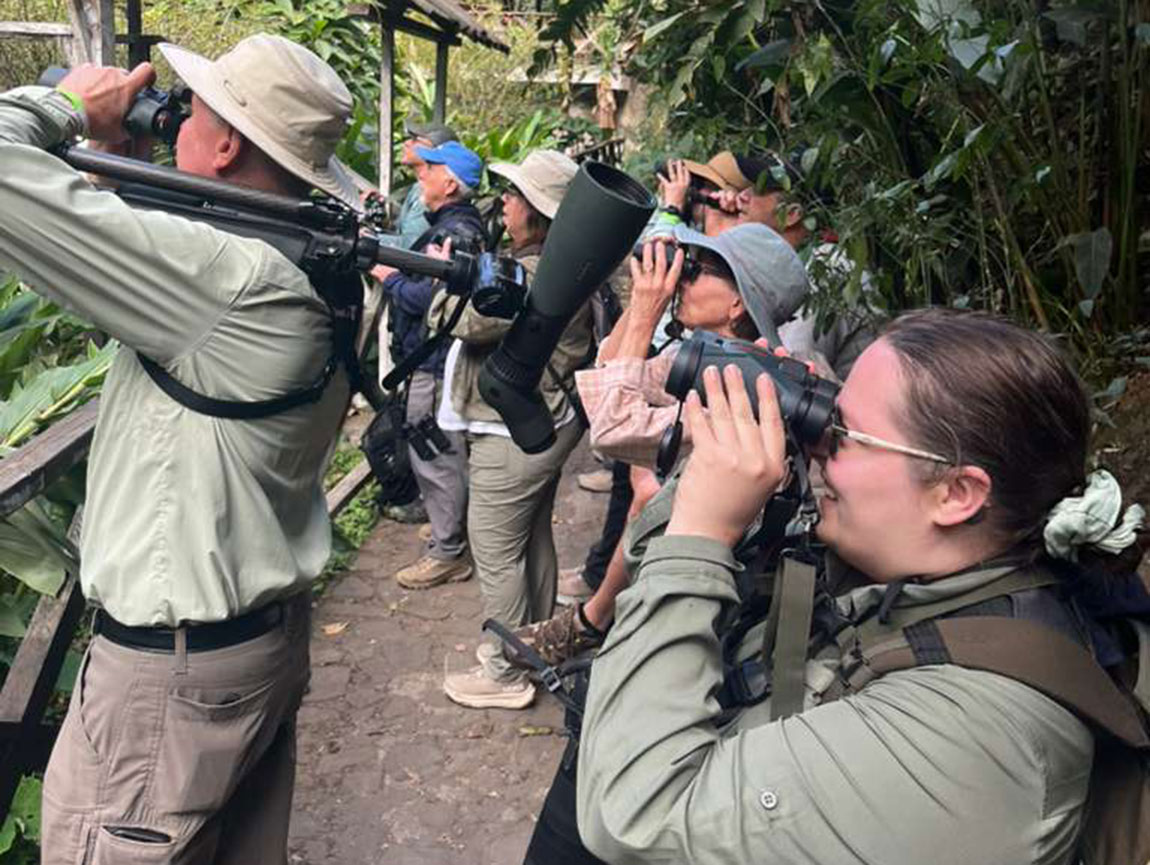
The volunteers on Hilton’s trips make observations, record data and set up nets to catch the birds. Their days also include exploring the nearby environment and cultural sites.
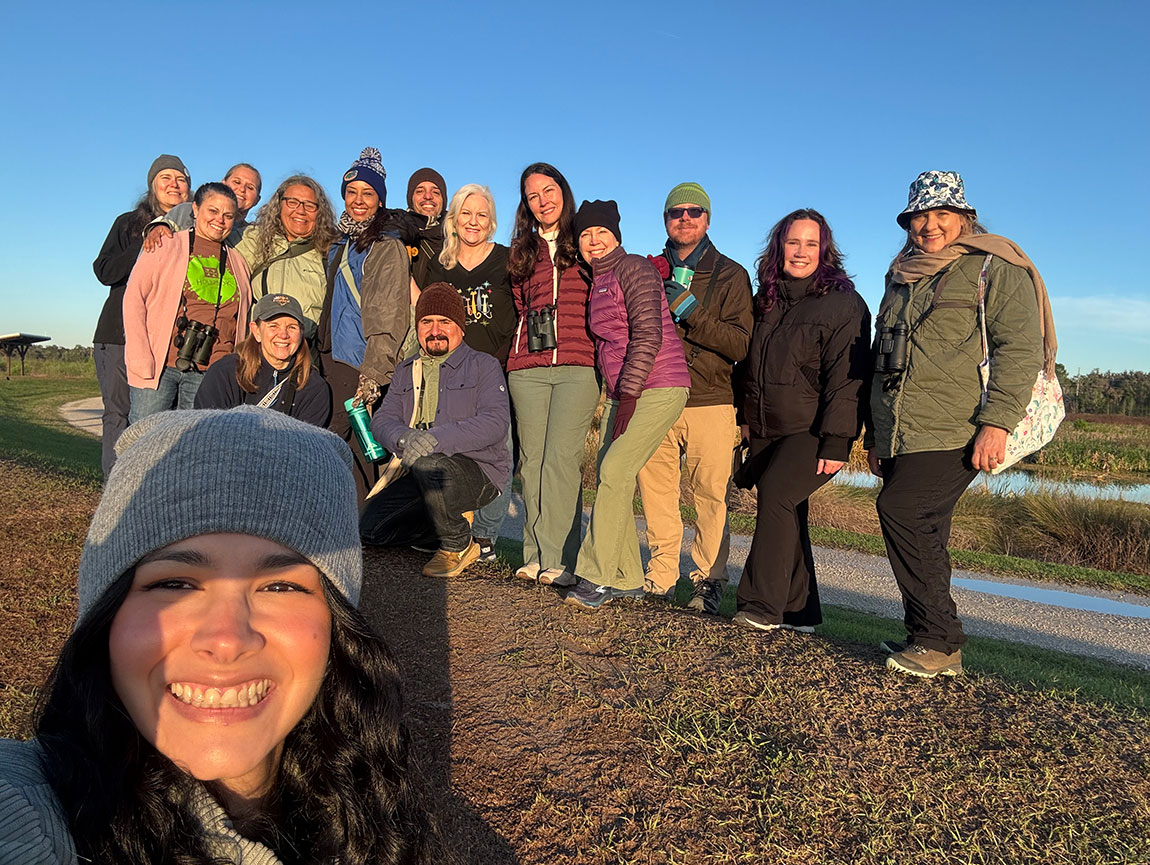
Over the past two years, Brenda Piper has been on four of Hilton’s RubyThroat trips. The birding enthusiast enjoyed actively contributing to research instead of passively watching.
“I wish more people knew about it,” she said. “It’s hard work but it’s rewarding.”
On Operation RubyThroat, volunteers can do everything but band the hummingbirds. This process requires a permit from the Bird Banding Laboratory. Hilton is one of about 150 people in the world who are officially allowed to band hummingbirds.
“It’s real easy to catch them,” Hilton said. “Banding them is the hard part.”
The numbered aluminum bands must be precise to the millimeter so that they won’t pinch or fall off of the birds’ delicate legs.
Volunteers set up mist nets, made from finely woven mesh, to catch the birds without harming them. Hilton allows the participants to hold the birds before releasing them back in to the wild.
“It’s a feeling you can’t put into words,” Piper said. “How often do you get to hold a hummingbird in the palm of your hand?”
Hilton has led 14 Operation Ruby Throat programs through Holbrook Travel, an educational travel provider based in Gainesville, Fla., to observe these hummingbirds. Originally, he only went to Costa Rica; now, the program has expanded to Belize and Guatemala.
“He really gets the participants involved in the program,” Holbrook Travel consultant Debbie Sturdivant said. “They have to do presentations each evening. There is a high degree of hands-on involvement.”
Ever summer, Ruby-throated Hummingbirds migrate to eastern regions of North America to breed. The United States and Canada have made efforts to protect the bird’s summer habitat; however, conservation efforts in Costa Rica are not on par, said Hilton.
His research proves that conservation efforts in Costa Rica are a necessity. The volunteers who travel with him see the evidence first-hand.
“There are indicators there of how we’re treating the environment,” Piper said.
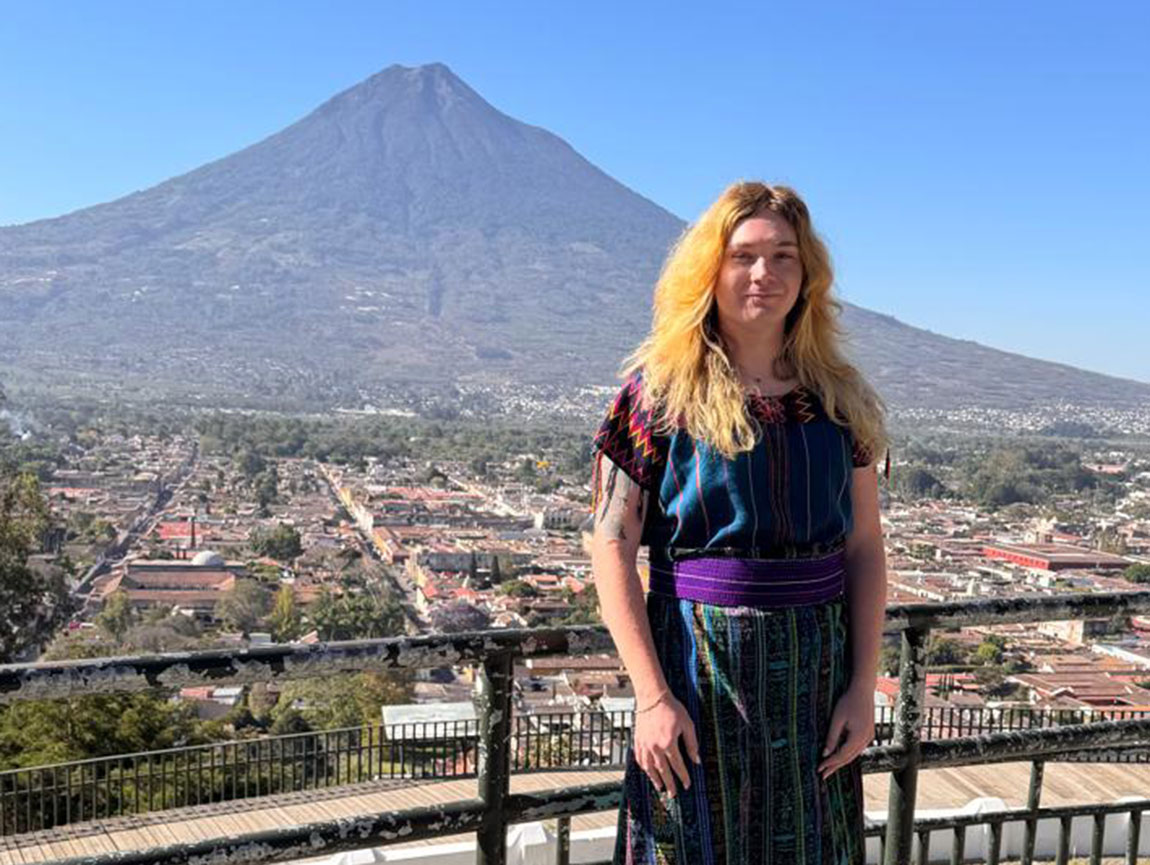
On Piper’s trip to Guatemala in 2011, the team traveled to an aloe field, expecting to find hummingbirds. When they arrived, there were no blossoms or birds. Global warming had caused the plants to bloom six weeks early, she said.
“We don’t do science just for the sake of doing science,” Hilton said. “We do science because it sometimes can have very practical applications.”
Locals will often stop and watch the banding process. Hilton teaches them basic information about the hummingbirds in their backyards.
“Sometimes educating the local people is just as important as contacting the government,” he said.
Read part 2 of this story.