United States | Exploring Yellowstone and Grand Teton National Parks




About this trip

 In a land built on fire, earthquakes, and other extreme geological forces, the sheer beauty of Yellowstone and Grand Teton National Parks is simply unmatched. Their prolific wildlife and geothermal activity are the ideal setting for capturing iconic images and learning about our national treasures. Join NRF of Wisconsin on this exciting 8-day program to examine the unique geological and ecological history that continues to shape this region. Discover how it came into existence, and learn about the plants and animals that call this wilderness home. Explore Lamar Valley, “the Serengeti of North America,” as you search for wildlife only seen in this region. Our expert biologist and wildlife guide takes you away from crowded boardwalks to more remote places in search of elusive species of birds and predators like wolves and bears. Gain insight on conservation during talks at local organizations such as Teton Science School and Bear River Migratory Bird Refuge.
Highlights
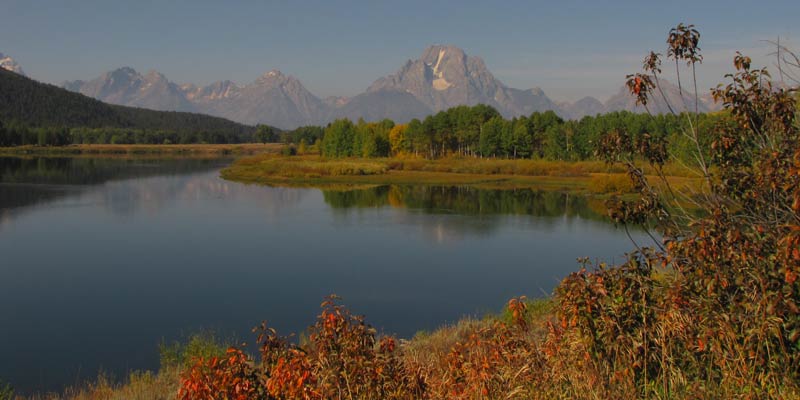
- Take in majestic views of Grand Teton National Park on a float trip down the scenic Snake River and gain local knowledge from expert river guides.
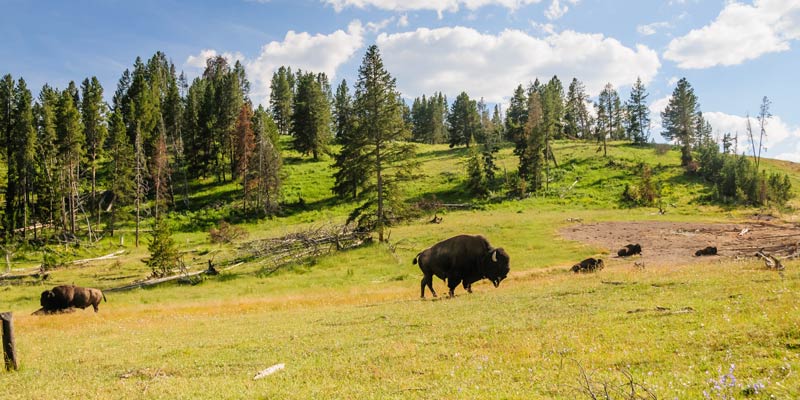
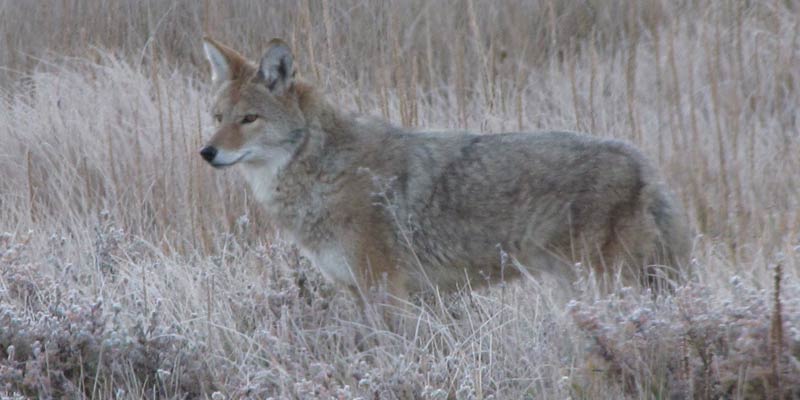
- See herds of bison and elk and look for longhorn sheep, Bald Eagles, Ospreys, badgers, deer, wolves, and coyotes in Lamar Valley, America’s Serengeti.
- Visit the Grizzly and Wolf Discovery Center, an educational wildlife park dedicated to conservation of the area’s wild animals.
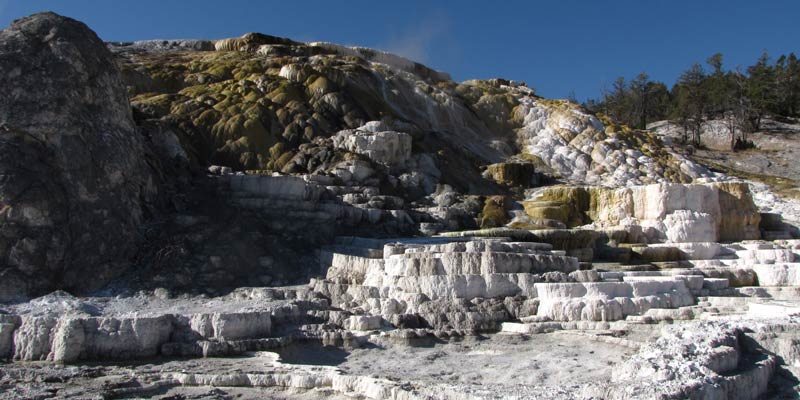
- Witness the mudpots, geysers, hot springs, and fumaroles of Yellowstone's Lower Geyser Basin, Fountain Paint Pots, and iconic Old Faithful.
- Hike trails and search for wildlife around Teton's Jenny Lake and the forests around West Yellowstone.
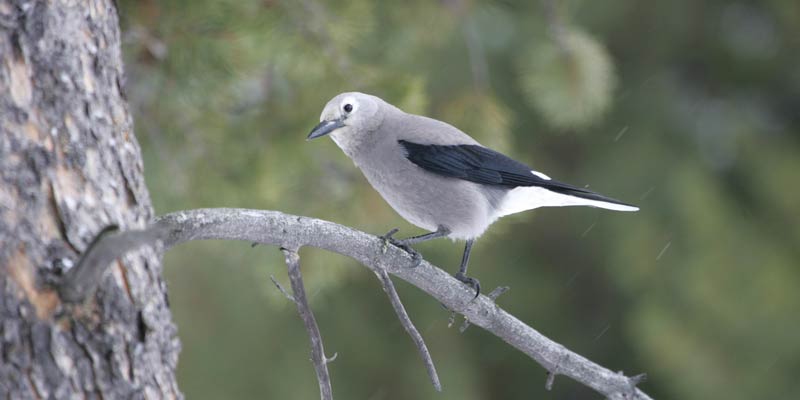
- Learn how the Bear River Migratory Bird Refuge provides critical habitat for migrating birds including the American White Pelican, Snowy Plover, Black-necked Stilt, Cinnamon Teal, and Tundra Swan.
$3,690
Per person
About this price
Land cost only. Does not include round-trip airfare to and from destination.
What makes us different

Carbon offsetting

Service anytime

Low stress travel planning

Wildlife up-close

Expert guides

Flight arrangements
Daily Itinerary
Print ItinerarySalt Lake City
Jackson, WY
Jackson, WY
West Yellowstone, MT
West Yellowstone, MT
West Yellowstone, MT
Salt Lake City
Depart
Pricing
Print Pricing$3,690
Per person
About this price
Land cost only. Does not include round-trip airfare to and from destination.
What's Included
- Activities and meals as mentioned in itinerary
- Arrival and departure transfers based on individual flight schedules
- Water refill station during transfers
- Carbon Offset
- Donation
- Full time driver/guide for the duration of your program
- Non alcoholic beverage with meals
What's Not Included
- Items of personal nature
- Round-trip airfare to and from destination
- Gratuities
- Travel Insurance
Pricing Details
A $200 per person deposit and enrollment form is due to hold your space on this trip. This deposit is refundable 120 days prior to departure . Cancellations after this date will result in loss of full deposit.
Please note: Your participation as a traveler indicates acceptance of Holbrook Travel’s Covid-19 protocols in place at time of travel.
Holbrook Travel strongly recommends the purchase of travel insurance for medical emergencies while traveling and to protect your investment. Please note the purchase of Cancel for Any Reason Coverage or to exclude pre-existing conditions with Trip Cancellation coverage may require policy purchase within 10-14 days of your initial deposit, depending upon the provider.
Final payment due date: June 29, 2022
Travel Info
Print Travel InfoEntry & Exit Requirements
U.S. citizens need a government-issued photo ID to travel domestically in most instances. To enter the U.S. by air, Canadian citizens need a passport or valid NEXUS card; to enter the U.S. by land, Canadian citizens need a passport, Trusted Traveler Program card, enhanced driver’s licence (EDL) or enhanced identification card (EIC) from a province or territory where a U.S.-approved EDL/EIC program has been implemented, or a Secure Certificate of Indian Status.
If you are not traveling from the United States or Canada, please check with the U.S. Embassy for requirements based on your nationality.
Health Information
IMMUNIZATIONS
The CDC recommends that all travelers be up to date on routine vaccinations such as measles-mumps-rubella (MMR) vaccine, diphtheria-pertussis-tetanus vaccine, varicella (chicken pox) vaccine, and your yearly flu shot before every trip.
Please consult your physician for additional information and recommendations based on your individual circumstances.
FROSTBITE
Frostbite is damage to the skin from freezing and is due to prolonged exposure to cold temperatures. Symptoms include patches of reddened skin that become white, hard, and swollen; or skin that burns, tingles, or is numb or painful. Severe cases can result in blisters or ulcers forming and may involve deeper tissues. The most common sites for frostbite are the fingers, hands, toes, feet, ears, nose, and cheeks.
To avoid frostbite, dress warmly and in layers but avoid tight clothing as it may reduce circulation. Keep the face and extremities covered. Avoid overheating and excessive perspiration. Change wet clothing, especially socks and gloves.
HYPOTHERMIA
Hypothermia is life threatening. It is caused by cold, wet, or windy weather that causes the body to lose heat faster than it can produce heat. Hypothermia can occur in rugged mountain terrain where the weather can change extremely fast, or after being soaked in a stream crossing or a boating accident in cold water.
Symptoms include feeling cold, uncontrollable shivering, clumsiness due to loss of muscle coordination, slurred speech, inability to think clearly, and eventual unconsciousness and cessation of reflexes including heart and lung functions. Many victims in the later stages of hypothermia feel warm and try to shed clothing.
To treat hypothermia, first warm the core of the body before the extremities. Remove any wet clothing. Re-warm the victim slowly; do not warm fast by immersing in warm/hot water. Provide shelter out of the weather. Warm drinks are not necessary, but may help in the psychological recovery. Do NOT give alcohol. Try to keep the victim awake as this helps keep the body temperature up.
Wildlife
Follow all instructions from your guides regarding wildlife. Animals may attack to protect themselves, their young or their mates, or to guard a food supply. Do not make sudden movements either toward or away from them, as this may be interpreted as aggressive or territorial. Never approach a bear cub, even if the mother does not seem to be present. It is illegal to willfully remain near or approach wildlife, including birds, within any distance that disturbs or displaces the animal. If any wild animal changes its behavior due to your presence, you are too close.
ANIMAL BITES/RABIES
Avoid wild animals that seem curious, exhibit strange behavior, or don’t run away from humans. Skunks, bats, raccoons, foxes, coyotes, and other mammals are known to carry rabies. In the unlikely event of being bitten, clean the wound and control bleeding. Seek medical attention immediately.
Resources
Print ResourcesSuggested Packing List
Everyone has personal preferences when it comes to packing; for this reason, the information below is offered as a general guide and not a definitive list. You know yourself best: Use your discretion and pack what you think will serve you, based on your personal preferences, specific itinerary, and time of year. You may find many of the items below in our Gear Store.
CLOTHING
Bring enough clothing suitable for the length of your program. Pack clothing that can be worn in layers to adapt to weather changes throughout the day.
- A combination of short- and long-sleeved shirts, turtlenecks: ability to layer is very important as mornings and evenings can be cold, even in summer, warming up during the day.
- Shorts: one or two pairs for warm days.
- Pants: Light to medium weight cotton pants or jeans, plus a pair of fast-drying pants
- Sweater, sweatshirt, fleece, or medium-weight jacket
- A lightweight rain jacket or poncho
- Hat with brim
- Undergarments
- Swimsuit
- Socks: Bring extra pairs
- Footwear: Comfortable walking shoes/hiking boots; slip-on sandals or flip-flops for around your accommodations; you may also wish to bring a pair of Tevas or Keen-style strap-on sandals
MISCELLANEOUS
- Binoculars and lens cleaner
- Camera: Pack extra memory cards and batteries.
- Flashlight or headlamp
- A small daypack for hikes and excursions
- Photocopies of ID and other travel documentation
- Prescription drugs and a copy of the prescription
- Personal toiletries
- Sunscreen and lip balm with SPF (30 or higher recommended)
- Insect repellent
- Sunglasses
- Reusable water bottle
- Alarm clock
- Zip-top style baggies (to use as dry bags or for storing wet or muddied shoes/clothing)
- Notepad or journal and pen
In addition to your toiletries it is useful to pack a small medical kit which you can easily prepare. Helpful items include a pocketknife, a lighter, Band-Aids, antihistamine (such as Benadryl), a pain-reliever, individually-wrapped moist towelettes, anti-diarrhea medicine, anti-fungal cream, an extra pair of disposable contact lenses or glasses if you wear them, and a small sewing kit.
NOTE: Please do not pack valuables such as money, cameras, jewelry, and expensive clothing in your checked baggage. We cannot be held responsible for any losses.

Questions?
Contact Debbie Jordan at 866-748-6146 or debbie@holbrooktravel.com
Want to subscribe to the Holbrook Explorer?

The Great Backyard Bird Count

8 Ways to Travel More Responsibly