Mexico | Birding Oaxaca`s Pacific Slope
About this trip
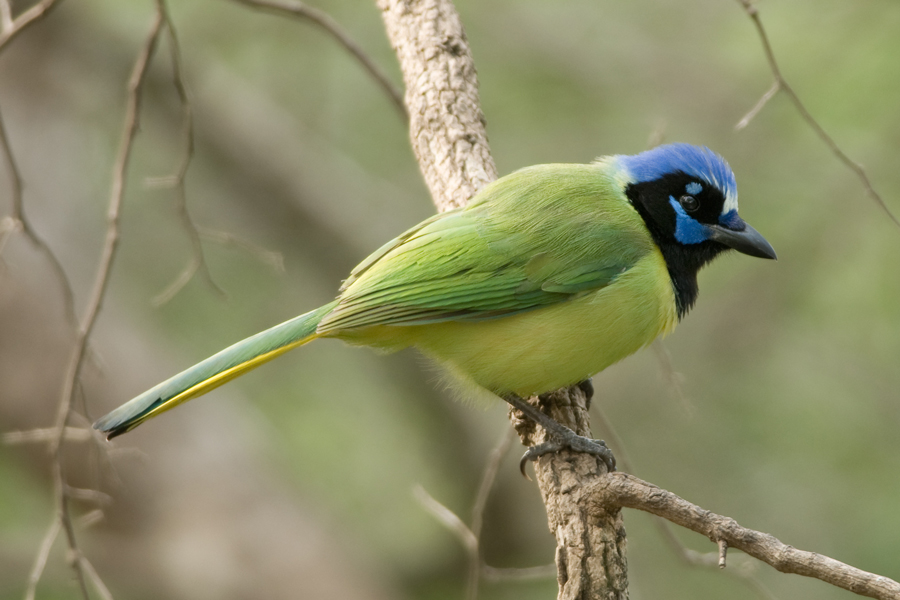
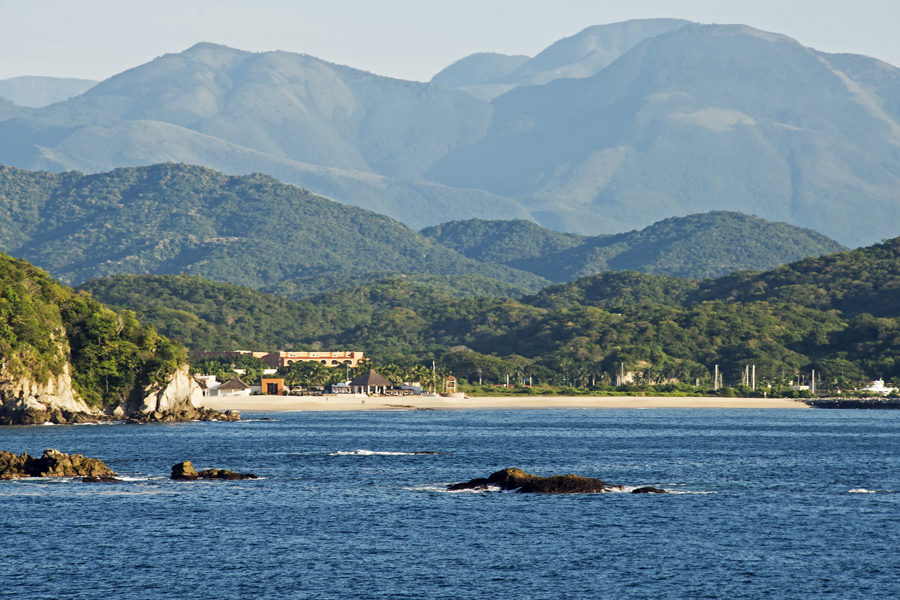
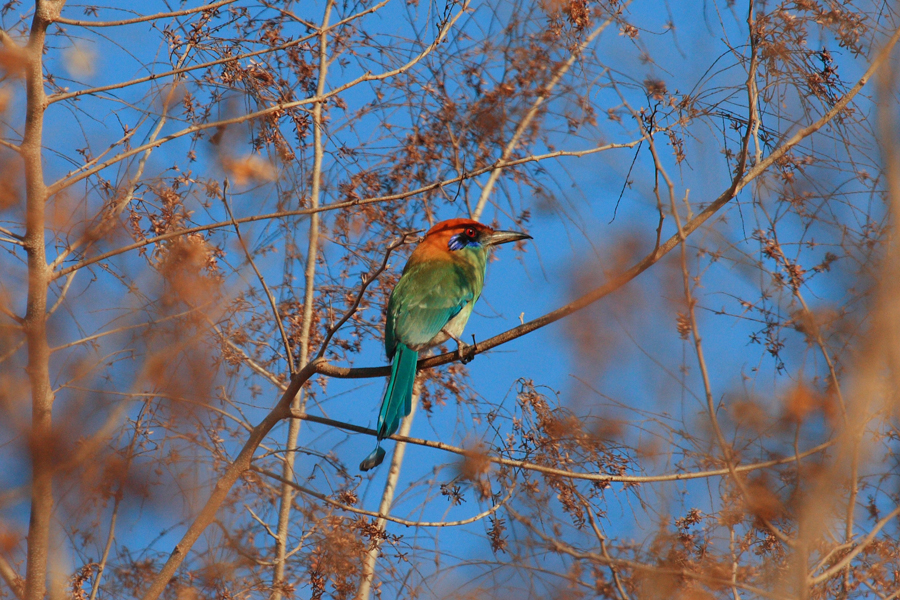
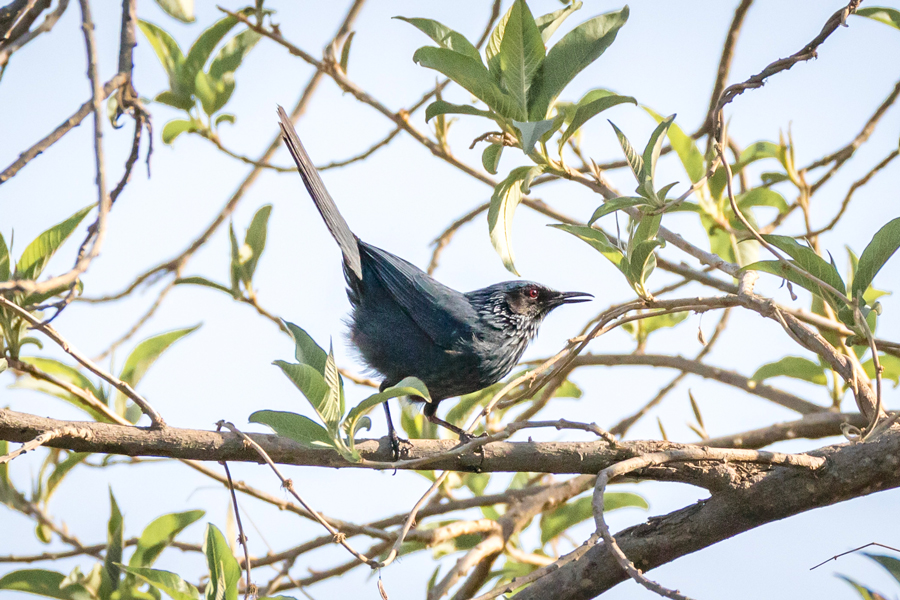
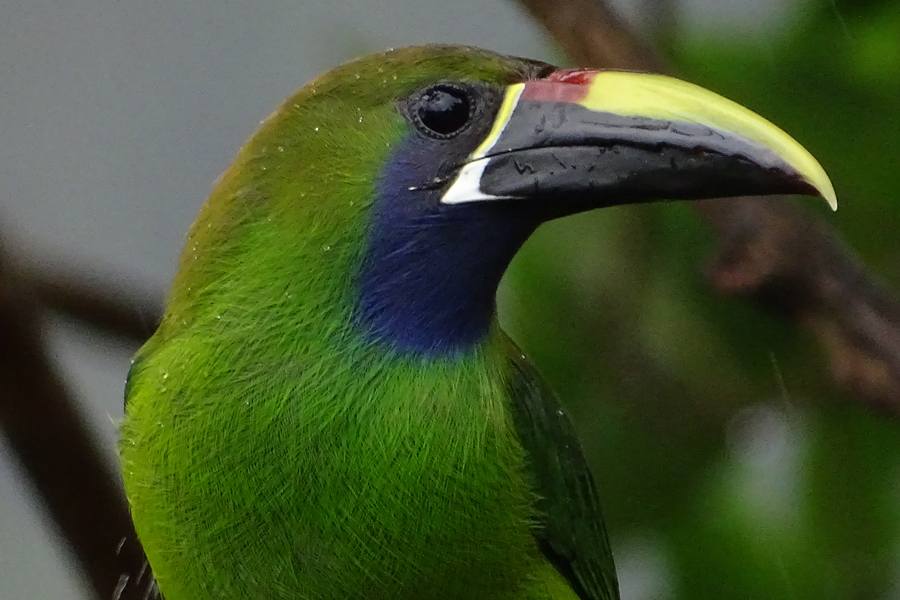
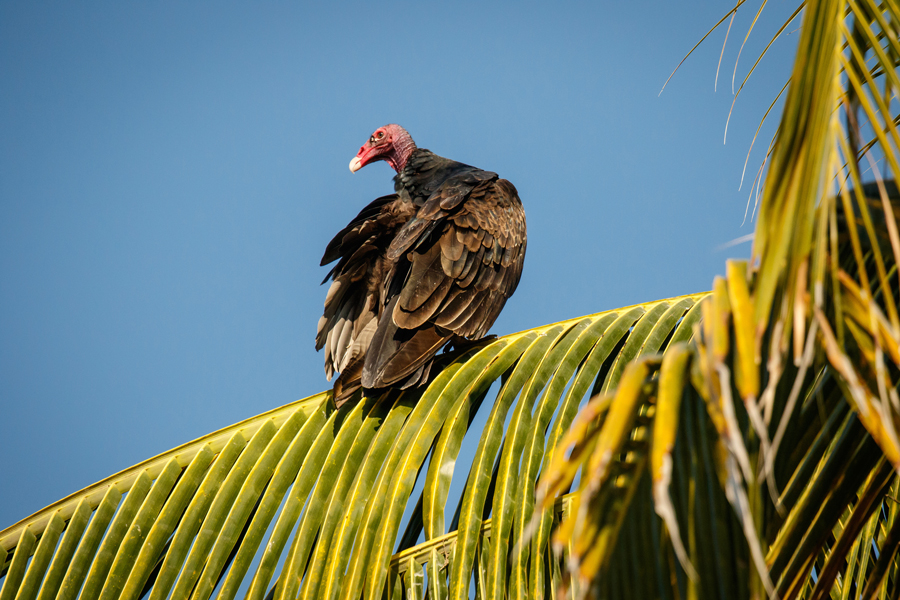
Discover the rich history and impressive avifauna of one of the most biodiverse regions in Mexico. Oaxaca is a must-visit for anyone looking to expand their birding experiences and enhance their cultural perspectives. This 11-day birding adventure explores the natural treasures of this region and the remarkable Indigenous culture present throughout the state — going from the vibrant capital city rich in commerce and architecture, to the breathtaking mountain ranges of the Oaxacan Complex and the beautiful beaches along the coast. Journey across a variety of high- and low-elevation ecosystems that make Oaxaca the state with the biggest and most diverse bird list in all of Mexico.
Highlights
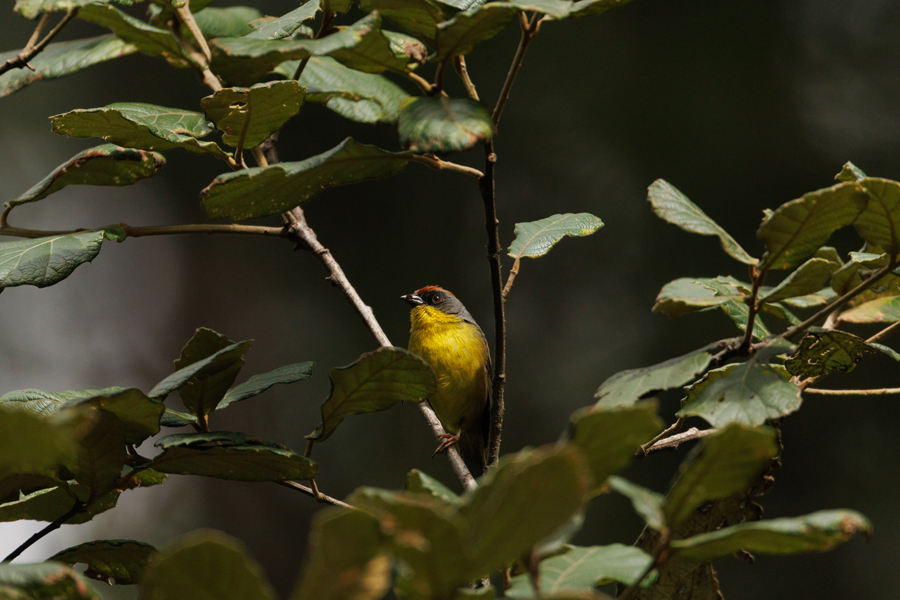
- Bird all across the Oaxacan Complex, a series of mountain ranges that converge in this region, and see some magnificent bird species like the Dwarf Jay, Slaty Vireo, and Blue-capped Hummingbird.
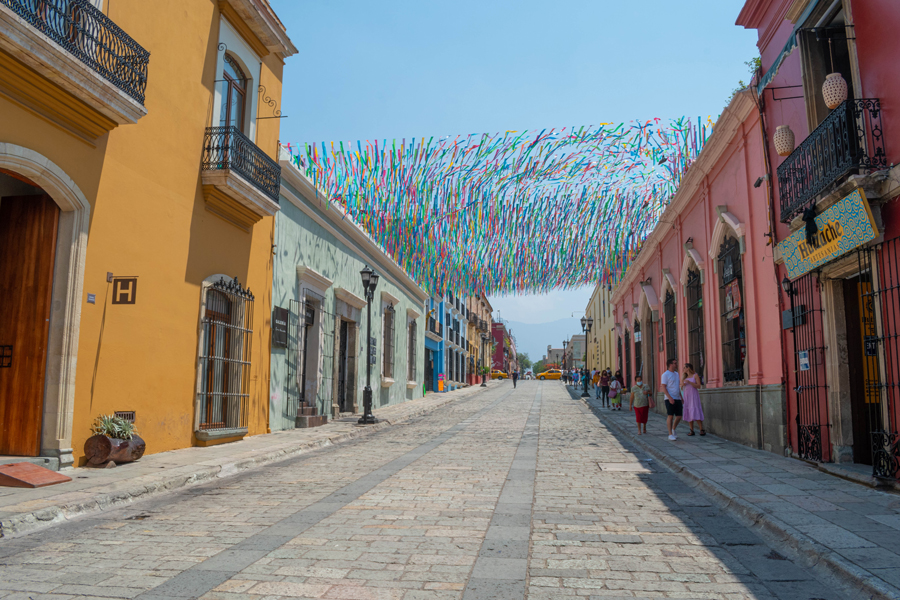
- Explore the city of Oaxaca and its colorful colonial buildings, delicious gastronomy, and uniquely preserved Indigenous history and culture.
- Visit Monte Albán and its significant archaeological site to seek out birds like the Vermilion Flycatcher, White-throated Towhee, and Ocellated Thrasher while learning about the remarkable architecture of the Olmec, Zapotec, and Mixtec peoples.
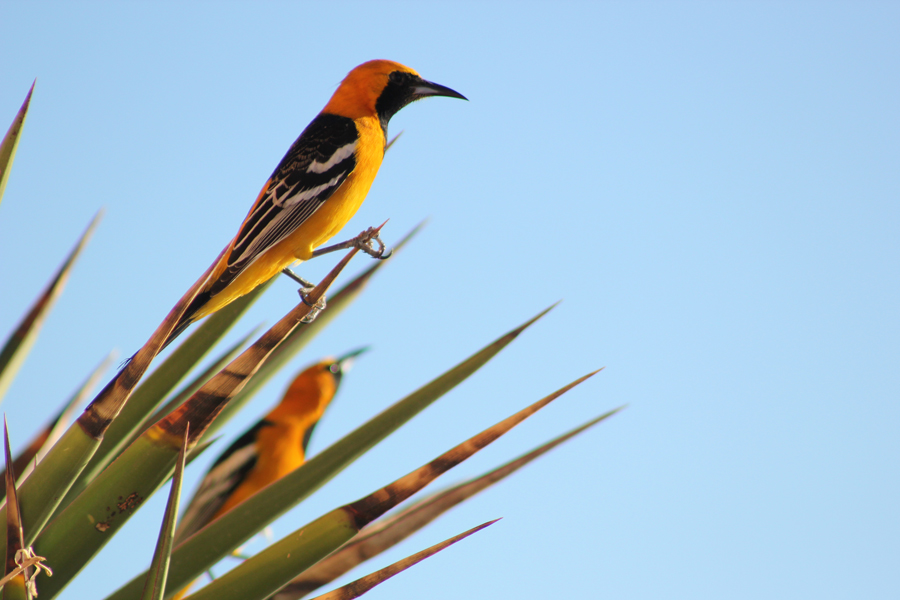
- Discover hotspots like Arroyo Guacamaya, La Cumbre Ixtepeji, Santo Tomás Jalieza, Pluma Hidalgo, and the Benito Juárez Road for a chance to see Dusky Hummingbird, West Mexican Chachalaca, Yellow-eyed Junco, Audubon's Oriole, and much more.
- Venture into the stunning Huatulco National Park to explore its trails and varied ecosystems, and go on a pelagic trip to see striking seabirds, sea turtles, dolphins, and more marine wildlife.
Activity Level 3: Moderate
Participants should be able to ascend or descend 60 stairs consecutively, plus walk for at least 3 hours over some steep slopes, uneven, and potentially slippery surfaces without difficulty. Physical activities typically last for 3 or more hours at a time.
Land Cost
$5,350 - Jan 1, 2026 - Dec 31, 2027
$5,550 - Jan 1 - Dec 31, 2028
Book 8 travelers and 1 group
leader travels for free
What makes us different

Rich content

Worry-free Planning & Travel

Wildlife up-close

Top birding guides

Unique Itineraries

Sustainable travel
Daily Itinerary
Print ItineraryOaxaca City
Day 1Oaxaca City
Day 2Oaxaca City
Day 3Oaxaca City
Day 4Oaxaca City
Day 5San José del Pacífico
Day 6San José del Pacífico
Day 7Huatulco
Day 8Huatulco
Day 9Huatulco
Day 10Day 11
Pricing
Print PricingLand Cost
$5,350 - Jan 1, 2026 - Dec 31, 2027
$5,550 - Jan 1 - Dec 31, 2028
Book 8 travelers and 1 group
leader travels for free
What's Included
- Activities and meals as mentioned in itinerary
- Carbon Offset
- Full time expert birding guide for duration of program
- Non alcoholic beverage with meals
- Private transportation and driver for the duration of the program
- Gratuities for activity guides, meals and porters
- Arrival and departure transfers based on individual flight schedules
- Water refill station during transfers
What's Not Included
- International airfare
- Gratuities for main guide and driver
- Travel Insurance
Pricing Details
Prices are valid for travel from Jan 1, 2026 - Dec 31, 2027. Holiday surcharges may apply.
Travel Info
Print Travel InfoEntry & Exit Requirements
U.S. citizens must have a valid passport to enter Mexico. Passports must be valid for at least the duration of your stay. As this requirement is subject to change at any time without notice, we recommend at least 6 months’ validity. A passport card is not acceptable for entry to the U.S. by air.
If you are not traveling with a U.S. passport, please check with the Mexican Embassy for the requirements based on your nationality.
Health Information
IMMUNIZATIONS
The Centers for Disease Control recommends that all travelers be up to date on routine vaccinations such as measles-mumps-rubella (MMR) vaccine, diphtheria-pertussis-tetanus vaccine, varicella (chicken pox) vaccine, and your yearly flu shot before every trip.
There are no vaccinations required for entry into Mexico. Though not required, the CDC recommends inoculation against hepatitis A, hepatitis B, and typhoid for most unvaccinated travelers to Mexico.
Please consult your physician for additional information and recommendations based on your individual circumstances.
MALARIA
Malaria is caused by a parasite found in Anopheles mosquitos, which are active from dusk until dawn. According to the CDC, malaria transmission in the state of Oaxaca is rare. Travelers are advised to take normal precautions against mosquitos: cover exposed skin with lightweight, long-sleeved shirts and pants, consider treating clothes with permethrin, and use an insect repellent containing an EPA-registered active ingredient like DEET, picaridin, or oil of lemon eucalyptus (OLE). Apply sunscreen first, followed by the repellent, ideally 20 minutes later.
Be careful when applying products containing DEET, as it can damage or dissolve certain synthetic fabrics as well as plastic, rubber, vinyl, or elastic materials, such as those used in camera equipment, binoculars, phone cases, sunglasses, or watches. Additionally, some research suggests that when DEET and picaridin enter local waterways, they can be harmful to amphibians and other wildlife. When selecting a repellent, it is ultimately up to each traveler to weigh the risks and benefits of different options, keeping in mind both environmental factors and the importance of protecting against illness.
Dengue Fever & Other Insect-borne Illnesses
Dengue fever, leishmaniasis, Zika virus, and other insect-borne illnesses are known to occur in Mexico. The CDC recommends that travelers to Mexico protect themselves against insect bites using the measures noted above.
As a precaution, the CDC advises women who are pregnant to consider postponing travel to any area where Zika virus transmission is ongoing.
To protect against tick bites, follow the measures above. After spending time outdoors in grassy or wooded areas, the CDC recommends showering and conducting a full-body check for ticks. If you find a tick attached to your skin, safely remove it as soon as possible.
ALTITUDE SICKNESS
At elevations above 5,000 feet, altitude sickness is a possibility. Stay hydrated and well-rested, and avoid heavy, fatty foods and alcohol in the days before arrival. Consult your physician prior to travel for advice specific to your situation.
Travelers’ Diarrhea
The CDC warns that travelers’ diarrhea is the most common travel-related illness. Consumption of contaminated food and water may cause diarrhea. To avoid this, do not drink tap water, and use bottled water to brush your teeth. Avoid ice and uncooked vegetables or fruit without a peel. When in doubt, ask your guide. Restrict yourself to cooked food at restaurants, and avoid food sold on the streets. If you contract diarrhea, it is very important to drink large quantities of purified water. Consult your doctor for appropriate medication should you contract diarrhea.
SUN EXPOSURE
The effects of the sun can be damaging to the eyes and skin. Spending time outdoors exposes you to the sun’s harmful ultraviolet (UV) rays, even on cloudy days. To protect yourself from the sun, use a broad spectrum sunscreen of at least SPF 15, protect skin with clothing, wear a wide-brimmed hat and sunglasses, and drink plenty of fluids.
Respiratory Illness Protocols
Please review our Respiratory Illness Protocols page, which explains our policy and procedures if you or another traveler should develop symptoms of a respiratory illness during your trip. Your participation in a Holbrook Travel program indicates that you are in agreement with these protocols.
Liability Waivers
Please note you may be asked locally to sign liability waivers in order to participate in certain activities. If you would like to receive a copy of any required waiver in advance, please contact Holbrook Travel.
Resources
Print ResourcesPacking Recommendations
Everyone has personal preferences when it comes to packing; for this reason, the information below is offered as a general guide and not a definitive list. You know yourself best: Use your discretion and pack what you think will serve you, based on your personal preferences and specific itinerary.
You may find many of the items below in the New Headings Gear Store. Use code HolbrookGuest10 for a 10% discount on your purchase.
CLOTHING
Bring enough clothing suitable for the length of your program. Casual, comfortable clothing is suitable for most activities. This program visits a variety of habitats at varying elevations, from the cool highlands of the montane cloud forest to a warm, tropical climate at sea level; pack clothing that can be worn in layers to adapt to different weather conditions. Note that summer and early fall are the region’s rainy season.
For birding programs, pack muted colors such as khaki, olive, and forest green.
- A combination of short-sleeved and long-sleeved shirts that can be worn in layers
- Shorts, skirts, and/or sundresses
- A combination of light- and medium-weight long pants (such as jeans, khakis, or field pants)
- Undergarments
- Sleepwear
- Light- to medium-weight jacket, sweater, or sweatshirt
- Bathing suit
- Socks – Bring extra pairs.
- Shoes – You’ll likely want at least one pair of comfortable, closed-toe walking or hiking shoes or boots suitable for forest hikes and walking over cobblestones or other uneven terrain. In addition, many participants opt for a pair of sturdy sport-strap sandals (e.g. Keens, Tevas, or similar) and/or casual flip-flops or sandals.
- Lightweight rain jacket, hooded poncho, or windbreaker
- Cap, beanie or wool hat
- Visor or wide-brimmed sun hat
- Bandana, scarf, or neck gaiter
Personal Toiletries
Pack toiletries based on your personal preferences and habits. Below are just a few recommendations to keep in mind.
- Shampoo, conditioner, lotion, deodorant/antiperspirant , etc. – If possible, avoid strong fragrances if you are sensitive to insect bites (and to be considerate of you fellow travelers).
- Soap and washcloth or a small, quick-drying microfiber towel – Washcloths are not standard in all hotels. If you normally use a washcloth, you may wish to bring one from home.
- Hairbrush, comb, hair ties, shower cap
- Toothbrush and toothpaste
- Razor
- Ear plugs, especially if you are a light sleeper
- Personal hygiene products
- Insect repellent with DEET or picaridin
- Sunscreen and lip balm with SPF – If you’ll be in the ocean, we recommend reef-safe sunscreen.
- Aloe vera gel
- A travel pack of tissues – also useful as napkins or toilet paper if needed
In addition to your personal toiletries, it is useful to pack a small medical kit, which you can easily prepare. Helpful items might include: bandages, antihistamine, a pain reliever, motion sickness and/or altitude sickness medication (if you are prone to either), anti-diarrhea medicine, individually wrapped pre-moistened towelettes and/or hand sanitizer, antibiotic ointment, anti-fungal cream, moleskin for blisters, eye drops, tweezers, a mini sewing kit, and an extra pair of disposable contact lenses or eyeglasses if you wear them.
Miscellaneous
Remember to pack valuables such as your passport, cash/credit cards, and medications in your carry-on luggage.
- Passport and photocopies of all travel documentation
- Personal insurance card and travel insurance information
- Money – ATM/credit card and cash; small bills in good condition are recommended
- Prescription medicines (if applicable), with a copy of the prescription
- Sunglasses with strap
- Small day pack for hikes and excursions
- Flashlight and/or head lamp
- Travel alarm clock or inexpensive waterproof wristwatch with alarm – Not all hotels provide alarm clocks.
- A pocket calculator or phone to assist with conversions and currency exchange
- Binoculars with lens cleaner
- Camera and related equipment, such as charger, lenses, and extra memory cards
- Reusable water bottle
- Non-perishable snacks
- Pocket-knife or multipurpose tool - Pack in your checked luggage
- Zip-top style bags – useful for packing toiletries, sorting clothing, storing damp or muddy shoes, or as a dry bag for protecting electronics
- Notepad or travel journal and pen
- Music or reading material for down time, long bus drives, or on the airplane, and a portable bright light to read by
- Collapsible walking stick with rubber tip
- A small quantity of laundry detergent if you’ll be washing clothing by hand
- Money belt
- Chargers for electronics

Questions?
For more information, contact us at 800-451-7111 or email travel@holbrooktravel.com.
Want to subscribe to the Holbrook Explorer?
eBird Trip Reports: Mexico

Four Tips to Capture Amazing Bird Photos