

About this trip
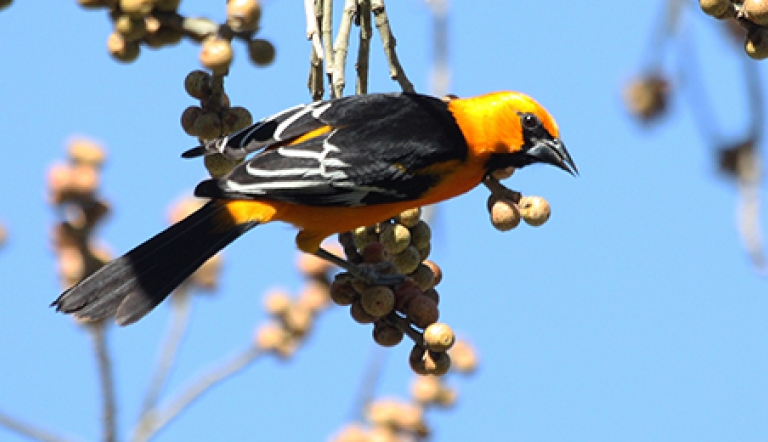
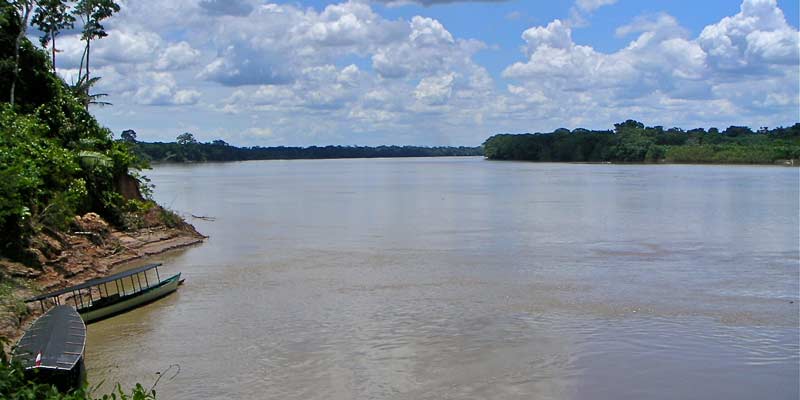
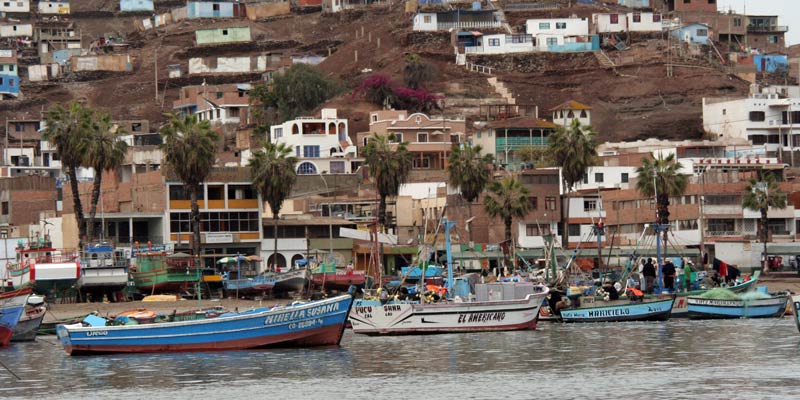
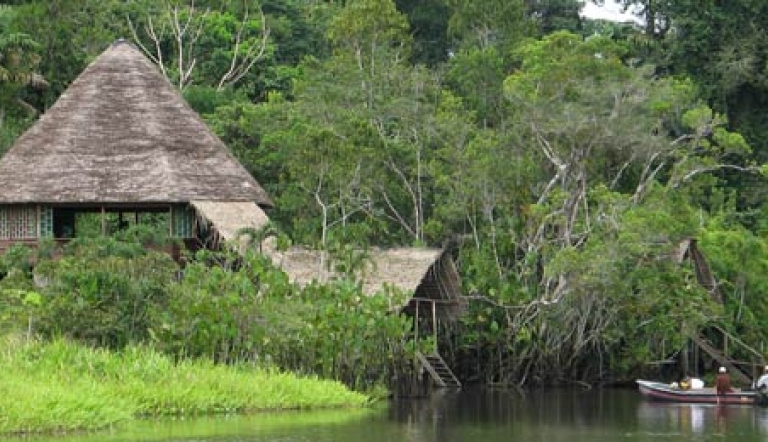
Peru’s tremendous range of ecosystems and the consequent diversity of its endemic species make it a favorite among birders. Explore some of the country's natural and cultural highlights—including the Peruvian desert, Huaca Pucllana ruins, and the Amazon— while seeking out a variety of avifauna on this active 9-day program. As you traverse different landscapes, you’ll cross more than just birds off your life list: take a boat ride through the rainforest on the Amazon River, visit the small fishing village of Pucusana, and more.
OPTIONAL EXTENSION: Continue your birding experience with an optional post-trip extension to Machu Picchu, July 23-26, 2025.
Highlights
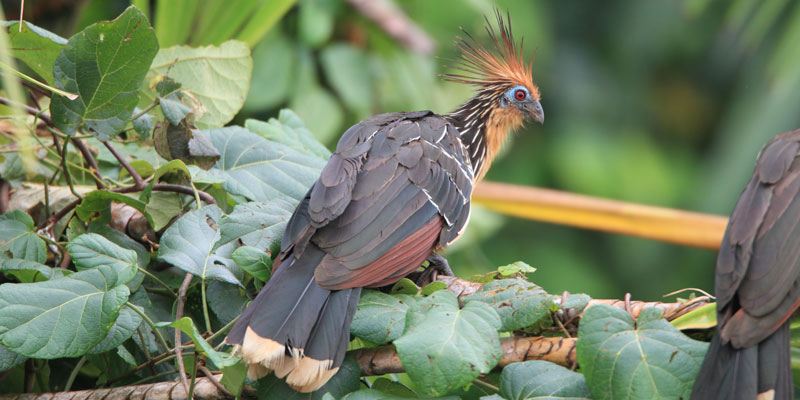
- View the Amazonian lowlands by boat and on foot to look for colorful macaws, tanagers, and the enigmatic Hoatzin.
- Discover the mist-fed ecosystem of Lomas de Lachay, home to an oasis of dwarf forest in the Peruvian desert.
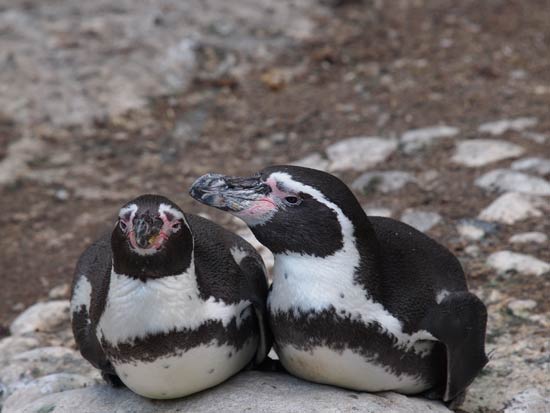
- Take a small boat from the fishing village of Pucusana to look for Peruvian Booby, Inca Tern, and the elusive Humboldt Penguin.
- Explore the quintessential rainforest on the 5-mile Ocelot Trail and the 5-mile Toucan Trail systems at Tambopata Research Center (TRC).
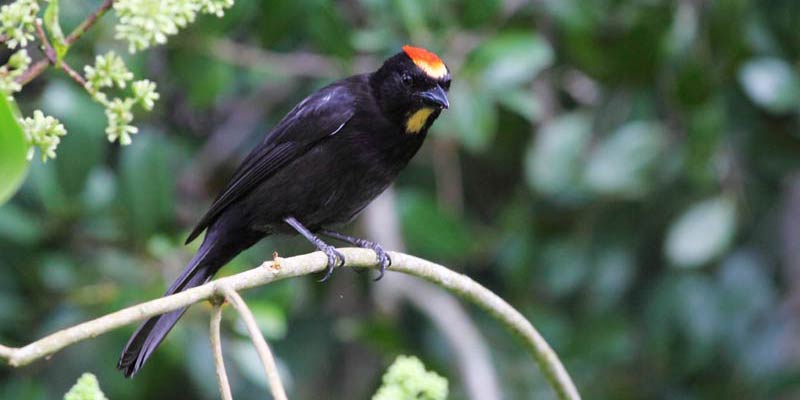
- Climb to the top of TRC's 100-foot canopy tower, where you can watch for mixed flocks composed predominately of tanagers, including Paradise Tanager.
Meet your leader
 Jody Enck
Jody Enck started birding as a small boy growing up on a farm in Pennsylvania. Since then, he continues to learn more and more about birds and birders. Jody especially loves bird-watching in his back yard and learning what the local residents are up to. He is a closet lister, with more than 550 species seen in the U.S. and nearly 2,000 throughout the Americas. He has a background in wildlife biology and social science. In 2016, he founded the Sister Bird Club Network, which links birders and clubs throughout the Western Hemisphere by raising awareness of the conservation needs of the neotropical migratory birds we all love.
$5,195
Per person
About this price
Land cost only. Does not include round-trip airfare to and from destination.
Single room supplement $975
What makes us different

Scopes

Rich content

Service anytime

Top birding guides

Meaningful experiences

Expert guides
Daily Itinerary
Print ItineraryLima
Lima
Lima
Amazon
Amazon
Amazon
Amazon
Amazon
Farewell!
Pricing
Print Pricing$5,195
Per person
About this price
Land cost only. Does not include round-trip airfare to and from destination.
Single room supplement $975
What's Included
- Activities and meals as mentioned in itinerary
- Full time expert birding guide for duration of program
- Private transportation and driver for the duration of the program
- Internal flights relevant to itinerary
- Arrival and departure transfers based on individual flight schedules
- Non alcoholic beverage with meals
- Water refill station during transfers
What's Not Included
- International airfare
- Tips
- Travel Insurance
- Items of personal nature
- Carbon Offset
Pricing Details
A deposit of $350 is required for participants to register and reserve space on the program. Reservations submitted beyond the final payment deadline noted below will require full payment to enroll. 120 or more days before departure: $100 cancellation fee; remaining balance is refunded. 119 - 96 days before departure: full deposit of $350 is forfeited. 95 - 0 days before departure: 100% of program price is forfeited.
Holbrook Travel strongly recommends the purchase of travel protection for medical emergencies while traveling and to protect your investment. Please note the purchase of Cancel for Any Reason Coverage or to exclude pre-existing conditions with Trip Cancellation coverage may require policy purchase within 10-14 days of your initial deposit, depending upon the provider.
Single room supplement $975
Final payment due date: April 11, 2025
Travel Info
Print Travel InfoEntry & Exit Requirements
U.S. citizens must have a valid passport to enter Peru. Passports must be valid for at least six months after the date of departure. Tourists must provide evidence of return or onwards travel.
For visits fewer than 90 days, you will be issued a tourist card, called the Tarjeta Andina de Migración (TAM), upon arrival in Peru. It is important not to lose this document, as it can be time consuming and inconvenient to replace.
If you are not traveling with a U.S. passport, please check with the Embassy of Peru for the requirements based on your nationality.
Health Information
IMMUNIZATIONS
The Centers for Disease Control recommends that all travelers be up to date on routine vaccinations such as measles-mumps-rubella (MMR) vaccine, diphtheria-pertussis-tetanus vaccine, varicella (chicken pox) vaccine, and your yearly flu shot before every trip.
There are no vaccinations required for entry into Peru.
The CDC recommends inoculation against hepatitis A, hepatitis B, and typhoid for most unvaccinated travelers to Peru.
Yellow fever is a risk in certain parts of Peru, primarily east of the Andes at elevations below 7,500 feet. The CDC recommends the yellow fever vaccine if you are traveling to these areas.
Please consult your physician for additional information and recommendations based on your individual circumstances.
MALARIA
The CDC warns that malaria is a risk in certain parts of Peru, primarily east of the Andes at elevations below 6,500 feet. Malaria is caused by a parasite found in Anopheles mosquitos, which are active from dusk until dawn. There is no vaccine to protect against malaria. If you are visiting areas where malaria is present and choose to use an anti-malarial drug, as recommended by the CDC, see your doctor for a prescription. To protect against mosquitos, cover exposed skin with lightweight, long-sleeved shirts and pants, consider treating clothes with permethrin, and use an insect repellent containing an active ingredient like DEET or picaridin.
DENGUE FEVER AND OTHER MOSQUITO-BORNE ILLNESSES
Dengue is common in Peru in the tropical and sub-tropical areas during the rainy season, especially in urban and suburban areas. Mosquitos that spread dengue do not usually live at elevations above 6,500 feet, so the risk of dengue in Cusco, the Sacred Valley, and Machu Picchu is low. Additionally, locally transmitted cases of chikungunya and Zika virus have previously been reported in Peru. To protect against mosquitos, cover exposed skin with lightweight, long-sleeved shirts and pants, consider treating clothes with permethrin, and use an insect repellent containing an active ingredient like DEET or picaridin.
ALTITUDE SICKNESS
Upon arrival at locations of high elevation, shortness of breath and a pounding heart are normal responses to the lack of oxygen in the air. However, for some visitors, these symptoms can deteriorate into altitude sickness. Headache, extreme tiredness, dizziness, nausea, and loss of appetite are standard symptoms. Staying hydrated and well rested is important to adjust to the altitude. Avoiding heavy, fatty foods and alcohol in the days before arriving to altitude can help. Over-the-counter medications are also available to help prevent or alleviate symptoms. It’s advisable to avoid sleep medications, as they can slow breathing and respiration, which aid in getting the blood oxygenated while sleeping. Participants who take blood pressure medications should discuss this with their doctor as the medication can drop pressure too low at times.
SUN EXPOSURE
The effects of the sun can be damaging to the eyes and skin. Spending time outdoors exposes you to the sun’s harmful ultraviolet (UV) rays, even on cloudy days. To protect yourself from the sun, use a broad spectrum sunscreen of at least SPF 15, protect skin with clothing, wear a wide-brimmed hat and sunglasses, and drink plenty of fluids.
Respiratory Illness Protocols
Please review our Respiratory Illness Protocols page, which explains our policy and procedures if you or another traveler should develop symptoms of a respiratory illness during your trip. Your participation in a Holbrook Travel program indicates that you are in agreement with these protocols.
Resources
Print ResourcesSuggested Packing List
Everyone has personal preferences when it comes to packing; for this reason, the information below is offered as a general guide and not a definitive list. You know yourself best: Use your discretion and pack what you think will serve you, based on your personal preferences and specific itinerary.
You may find many of the items below in our Gear Store.
CLOTHING
Casual, comfortable clothing is suitable for most activities. You may wish to bring a slightly nicer outfit or two (eg sundress, polo shirt) if your itinerary includes dinners out or more formal activities.
Bring enough clothing suitable for the length of your program. If you prefer to pack light, note that many hotels offer laundry services (at additional cost). If you plan to hand-wash items, remember that humidity may delay drying time.
Pack clothing that can be worn in layers to adapt to weather changes throughout the day. For higher elevations, consider packing a warm underlayer, as well as a warm, protective outer layer. Clothing that wicks away moisture and dries quickly is recommended.
- A combination of short-sleeved and long-sleeved shirts (lightweight for sun and mosquito protection; heavier weight for higher elevations)
- Shorts
- Lightweight, quick-drying long pants for sun and mosquito protection
- Medium to heavy weight cotton pants for the highlands
- Undergarments
- Sleepwear
- Lightweight jacket or sweater/sweatshirt
- 1-2 bathing suit(s)
- Socks – Bring extra pairs
- Shoes – Consider your specific itinerary when choosing footwear. For most programs, you’ll likely want at least one pair of comfortable, closed-toe walking or hiking shoes suitable for forest hikes and walking over cobblestones or other uneven terrain. Sturdier hiking boots may be appropriate for more active itineraries. In addition, many participants opt for a pair of sturdy sport-strap sandals (e.g. Keens, Tevas, or similar) and/or casual flip-flops or sandals.
- Lightweight rain jacket, hooded poncho, and/or windbreaker
- Visor or wide-brimmed sun hat
- Bandana, scarf, or neck gaiter
Personal toiletries
Pack toiletries based on your personal preferences and habits. Below are just a few recommendations to keep in mind.
- Shampoo, conditioner, lotion, deodorant/antiperspirant , etc. – If possible, avoid strong fragrances if you are sensitive to insect bites.
- Soap and washcloth or a small, quick-drying microfiber towel – Washcloths are not standard in all hotels. If you normally use a washcloth, you may wish to bring one from home.
- Hairbrush, comb, hair ties, shower cap. Many—but not all—hotel rooms provide a hair dryer, but you may wish to bring one from home.
- Toothbrush and toothpaste
- Razor
- Ear plugs, especially if you are a light sleeper
- Personal hygiene products
- Insect repellent with DEET or picaridin
- Sunscreen and lip balm with SPF
- Aloe vera gel
- A travel pack of tissues – also useful as napkins or toilet paper if needed
In addition to your personal toiletries, it is useful to pack a small medical kit, which you can easily prepare. Helpful items might include: bandages, antihistamine, a pain reliever, motion sickness and/or altitude sickness medication (if you are prone to either), anti-diarrhea medicine, individually wrapped pre-moistened towelettes and/or hand sanitizer, antibiotic ointment, anti-fungal cream, moleskin for blisters, eye drops, tweezers, a mini sewing kit, and an extra pair of disposable contact lenses or eyeglasses if you wear them.
MISCELLANEOUS
Remember to pack valuables such as your passport, cash/credit cards, and medications in your carry-on luggage.
- Passport and photocopies of all travel documentation
- Personal insurance card and travel insurance information
- Money – ATM/credit card, traveler's checks, and/or cash; small bills in good condition are recommended
- Prescription medicines (if applicable), with a copy of the prescription
- Sunglasses with strap
- Small day pack for hikes and excursions
- Flashlight and/or head lamp
- Travel alarm clock or inexpensive waterproof wristwatch with alarm – Not all hotels provide alarm clocks.
- A pocket calculator or phone to assist with conversions and currency exchange
- Binoculars with lens cleaner
- Camera and related equipment, such as charger, lenses, and extra memory cards
- Reusable water bottle
- Non-perishable snacks
- Pocket-knife or multipurpose tool - Pack in your checked luggage
- Zip-top style bags – useful for packing toiletries, sorting clothing, storing damp or muddy shoes, or as a dry bag for protecting electronics
- Notepad or travel journal and pen
- Music or reading material for down time, long bus drives, or on the airplane, and a portable bright light to read by
- Walking stick with rubber tip (folding or collapsible, for walking on rough and uneven terrain)
- A small quantity of laundry detergent if you’ll be washing clothing by hand
- Travel-size umbrella – Some people find this unwieldy to carry, while others find it offers better protection than a rain jacket alone.
- Money belt
- Converter and adapter for electronics
- Chargers for electronics
PLEASE NOTE: There is a weight limit of 11 pounds for luggage on the train transfer to Machu Picchu. Please be prepared to pack an overnight bag for the night spent in the Machu Picchu area. Your bag must weigh no more than 11 pounds and measure no more than 62 linear inches / 157 cm (length + height + width). You can safely store excess luggage at the prior night’s hotel, or at one of our field offices.

Questions?
Contact Debbie Jordan at 866-748-6146 or debbie@holbrooktravel.com
Want to subscribe to the Holbrook Explorer?

Video: A 50th Anniversary Celebration
Where Culture and Conservation Meet: Understanding Indigenous Tourism