Panama | Cultural Exploration and Adventure with Centerville High School


About this trip
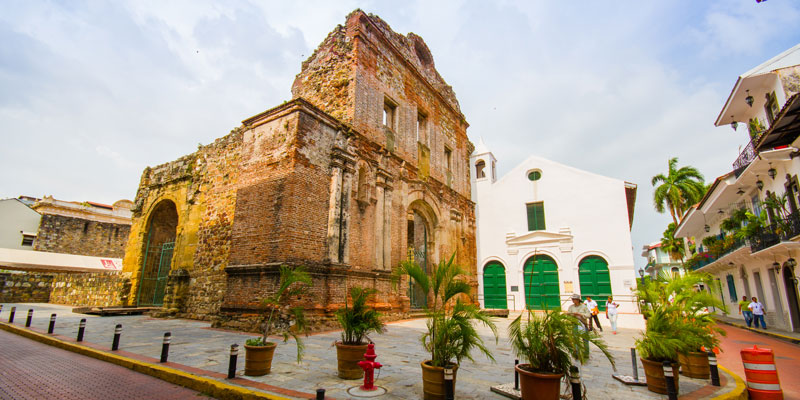
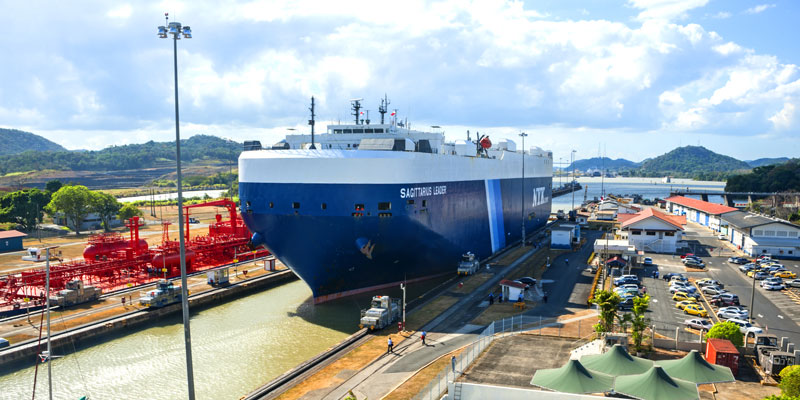
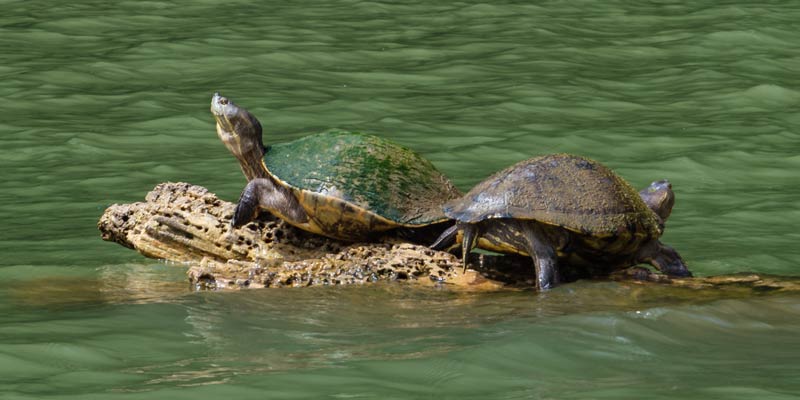
Join Centerville High School on a journey to the “Crossroads of the World” for an informative look at Panama’s fascinating history, culture, and natural beauty. Explore the Pacific and Atlantic sides of the country and examine how Panama’s unique geography played a vital role in shaping the ecology of the Americas. Marvel at the engineering prowess of the Canal’s elaborate lock system as you witness the Miraflores Locks in action. Go beyond the canal and delve deeper into the country’s cultural identity, spending time with Indigenous communities and local artisans and reflecting on the effects of colonization in Panama’s historical districts.
Highlights
- Uncover Panama’s role as an international trade center and land of cultural diversity in the historical district of Casco Viejo.
- Discover the skills of talented local artisans and learn about their process of making Panama’s national dress, accessories, and drums.
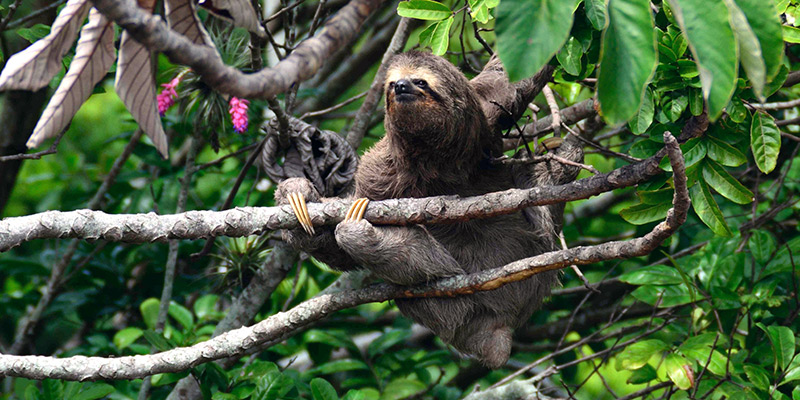
- Learn about the geological origins, natural history, and ecological effects of the Panamanian isthmus at the Frank Gehry-designed BioMuseo.
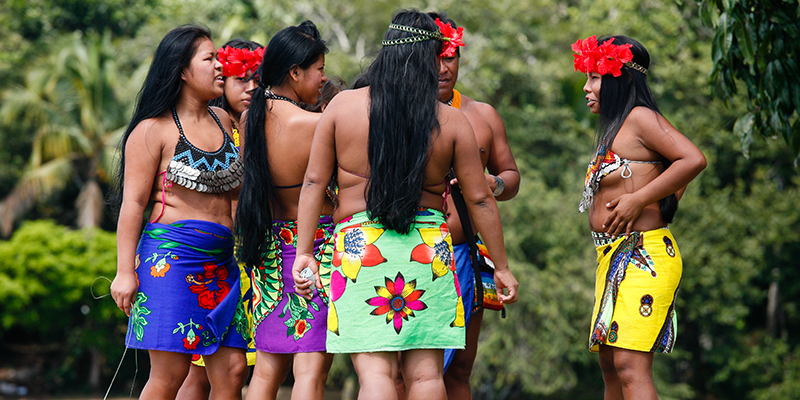
- Meet members of the Emberá and Guna Yala communities to learn about the rich Indigenous history, traditions, and culture of Panama.
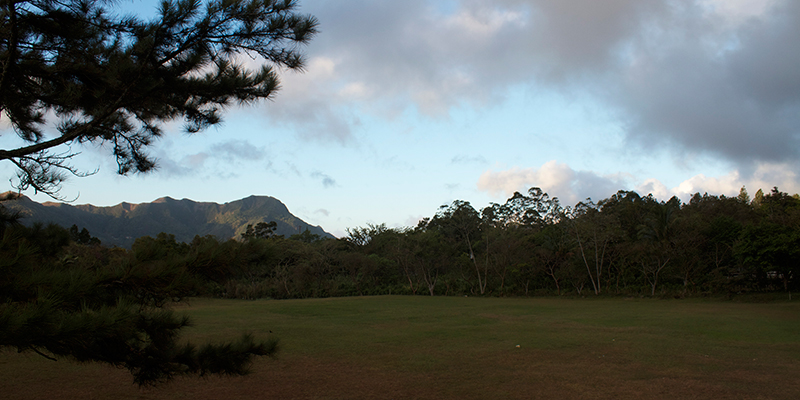
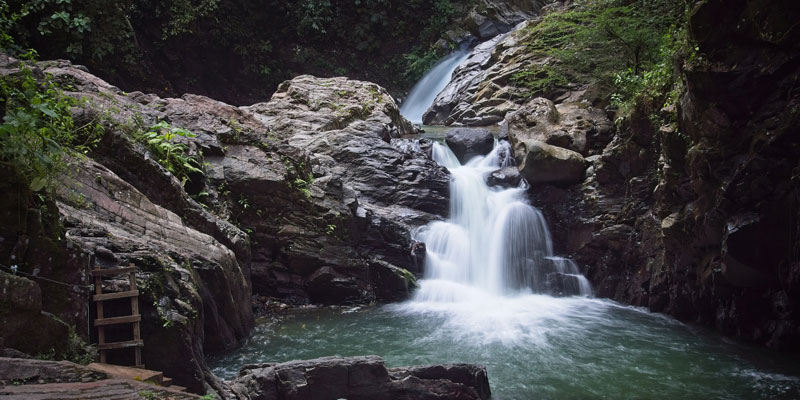
- Explore the natural wonders of the country in excursions to stunning spots like the Pozo Azul waterfalls, the San Blas Islands, and more.
$3,150
Per person
About this price
Land cost only. Does not include round-trip airfare to and from destination.
PROGRAM PRICE RANGE:
Group of 4 - $3150
Group of 7 - $2595
Group of 10 - $2175
Group of 14 - $1895
What makes us different

Rich content

Worry-free Planning & Travel

Cultural immersion

Value for your money

Support local communities

Flight arrangements
Daily Itinerary
Print ItineraryPanama City
Panama City
Anton Valley
Chitré
Chitré
Panama City
Panama City
Panama City
Depart
Pricing
Print Pricing$3,150
Per person
About this price
Land cost only. Does not include round-trip airfare to and from destination.
PROGRAM PRICE RANGE:
Group of 4 - $3150
Group of 7 - $2595
Group of 10 - $2175
Group of 14 - $1895
What's Included
- Activities and meals as mentioned in itinerary
- Full time guide for the duration of your program
- Private transportation and driver for the duration of the program
- Airport transfers are provided on group basis (not individual flight basis)
- Water refill station during transfers
- Non alcoholic beverage with meals
What's Not Included
- International airfare
- Tips for hotel staff, luggage assistance, meals, and local guides
- Travel Insurance
- Items of personal nature
- Carbon Offset
Pricing Details
A $350 per person deposit and enrollment form is due to hold your space on this trip. This deposit is refundable 81 days prior to departure excluding a $100 cancellation fee. Cancellations after this date are non refundable.
Holbrook Travel strongly recommends the purchase of travel protection for medical emergencies while traveling and to protect your investment. Please note the purchase of Cancel for Any Reason Coverage or to exclude pre-existing conditions with Trip Cancellation coverage may require policy purchase within 10-14 days of your initial deposit, depending upon the provider.
Final payment due date: March 11, 2024
Travel Info
Print Travel InfoEntry & Exit Requirements
U.S. citizens must have a valid passport to enter Panama. Passports must be valid for at least three months after the date of entry.
A visa is not required for visits up to 180 days.
If you are not traveling with a U.S. passport, please check with the Panamanian Embassy for the requirements based on your nationality.
U.S. citizens entering Panama by commercial flight may be charged a $5 tourist fee if Holbrook does not make your air reservations.
Health Information
IMMUNIZATIONS
The Centers for Disease Control recommends that all travelers be up to date on routine vaccinations such as measles-mumps-rubella (MMR) vaccine, diphtheria-pertussis-tetanus vaccine, varicella (chicken pox) vaccine, and your yearly flu shot before every trip.
There are no vaccinations required for entry into Panama unless you are arriving from a country where yellow fever transmission is a risk.
Yellow fever is a risk in certain parts of Panama, primarily east of the area surrounding the Panama Canal. The CDC recommends the yellow fever vaccine if you are traveling to these areas. Consult your physician for more information.
Though not required, the CDC recommends inoculation against hepatitis A, hepatitis B, and typhoid for most unvaccinated travelers to Panama.
Please consult your physician for additional information and recommendations based on your individual circumstances.
MALARIA
The CDC warns that travelers to certain areas of Panama may be at risk for exposure to malaria. Malaria is caused by a parasite found in Anopheles mosquitos, which are active from dusk until dawn. There is no vaccine to protect against malaria. If you are visiting areas where malaria is present and choose to use an anti-malarial drug, as recommended by the CDC, see your doctor for a prescription. To protect against mosquitos, cover exposed skin with lightweight, long-sleeved shirts and pants, consider treating clothes with permethrin, and use an insect repellent containing an active ingredient like DEET or picaridin.
DENGUE FEVER & OTHER INSECT-BORNE ILLNESSES
Locally transmitted cases of dengue fever have been reported in Panama. Local transmission means that mosquitoes in the area have been infected with dengue and are spreading it to people. In addition, locally transmitted cases of Zika virus, leishmaniasis, and other insect-borne illnesses have previously been reported in Panama.
The CDC recommends that travelers to Panama protect themselves against insect bites. As a precaution, the CDC advises women who are pregnant to consider postponing travel to any area where Zika virus transmission is ongoing.
SUN EXPOSURE
The effects of the sun can be damaging to the eyes and skin. Spending time outdoors exposes you to the sun’s harmful ultraviolet (UV) rays, even on cloudy days. To protect yourself from the sun, use a broad spectrum sunscreen of at least SPF 15, protect skin with clothing, wear a wide-brimmed hat and sunglasses, and drink plenty of fluids.
Resources
Print ResourcesActivity Level 3: MODERATE
Participants should be able to ascend or descend 60 stairs consecutively, plus walk for at least 3 hours over some steep slopes, uneven, and potentially slippery surfaces without difficulty. Physical activities typically last for 3 or more hours at a time.
Suggested Packing List
Everyone has personal preferences when it comes to packing; for this reason, the information below is offered as a general guide and not a definitive list. You know yourself best: Use your discretion and pack what you think will serve you, based on your personal preferences and specific itinerary. You may find many of these items in our Gear Store.
CLOTHING
Casual, comfortable clothing is suitable for most activities. You may wish to bring a slightly nicer outfit or two (eg sundress, polo shirt) if your itinerary includes dinners out or more formal activities. Bring enough clothing suitable for the length of your program. If you prefer to pack light, note that many hotels offer laundry services at additional cost. If you plan to hand-wash items, remember that humidity may delay drying time. Pack clothing that can be worn in layers to adapt to weather changes throughout the day. Clothing that wicks away moisture and dries quickly is recommended.
- A combination of short-sleeved and lightweight, long-sleeved shirts for sun and mosquito protection
- Shorts
- Lightweight, quick-drying long pants for sun and mosquito protection; jeans tend to be uncomfortable in hot and humid conditions, but are fine in the cooler highlands.
- Undergarments
- Sleepwear
- Lightweight jacket or sweater/sweatshirt (or heavier weight if visiting high-elevation areas)
- 1-2 bathing suit(s) for the beach, if applicable, plus many hotels have pools
- Socks – Bring extra pairs. If your itinerary indicates muddy hikes with rubber boots provided on-site, pack a few pairs of knee socks to prevent blisters.
- Shoes – Consider your specific itinerary when choosing footwear. For most programs, you’ll likely want at least one pair of comfortable, closed-toe walking or hiking shoes suitable for forest hikes and walking over cobblestones or other uneven terrain. Sturdier hiking boots may be appropriate for more rugged itineraries. In addition, many participants opt for a pair of sturdy sport-strap sandals (e.g. Keens, Tevas, or similar) and/or casual flip-flops or sandals. If you’re whitewater rafting or visiting the beach, you may also want a pair of aqua socks, reef walkers, or water shoes.
- Lightweight rain jacket, hooded poncho, and/or windbreaker
- Visor or wide-brimmed sun hat
- Bandana, scarf, or Buff-style headwear
MISCELLANEOUS
Remember to pack valuables such as your passport, cash/credit cards, and medications in your carry-on luggage.
- Personal toiletries
- Passport and photocopies of all travel documentation
- Personal insurance card and travel insurance information
- Money – ATM/credit card, traveler's checks, and/or cash; small bills in good condition are recommended
- Prescription medicines (if applicable), with a copy of the prescription
- Yellow fever certificate (if required; only if arriving from a country where yellow fever transmission is a risk)
- Sunglasses with strap
- Small day pack for hikes and excursions
- Flashlight and/or head lamp
- Travel alarm clock or inexpensive waterproof wristwatch with alarm – Not all hotels provide alarm clocks.
- A pocket calculator or phone to assist with conversions and currency exchange
- Binoculars with lens cleaner
- Camera and related equipment, such as charger, lenses, and extra memory cards
- Reusable water bottle
- Non-perishable snacks
- Pocket-knife or multipurpose tool - Pack in your checked luggage
- Zip-top style bags – useful for packing toiletries, sorting clothing, storing damp or muddy shoes, or as a dry bag for protecting electronics
- Notepad or travel journal and pen
- Music or reading material for down time, long bus drives, or on the airplane, and a portable bright light to read by
- Collapsible walking stick with rubber tip
- A small quantity of laundry detergent if you’ll be washing clothing by hand
- Travel-size umbrella – Some people find this unwieldy to carry, while others find it offers better protection than a rain jacket alone.
- Money belt
- Chargers for electronics
In addition to your personal toiletries, it is useful to pack a small medical kit, which you can easily prepare. Helpful items might include: bandages, antihistamine, a pain reliever, motion sickness and/or altitude sickness medication (if you are prone to either), anti-diarrhea medicine, individually wrapped pre-moistened towelettes and/or hand sanitizer, antibiotic ointment, anti-fungal cream, moleskin for blisters, eye drops, tweezers, a mini sewing kit, and an extra pair of disposable contact lenses or eyeglasses if you wear them.

Questions?
Contact Lisa Ernest at Lisa.Ernest@centerville.k12.oh.us
Want to subscribe to the Holbrook Explorer?
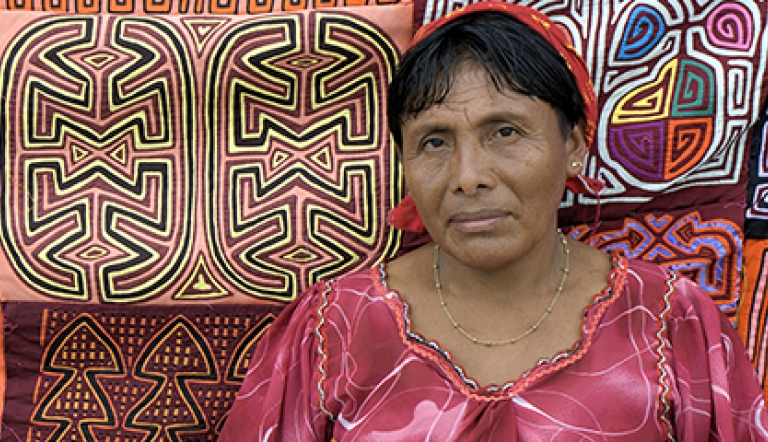
Kuna Culture: Traditional Dress
Where Culture and Conservation Meet: Understanding Indigenous Tourism
