Galápagos Islands | Discovering the Eastern and Central Islands` Natural Treasures
About this trip
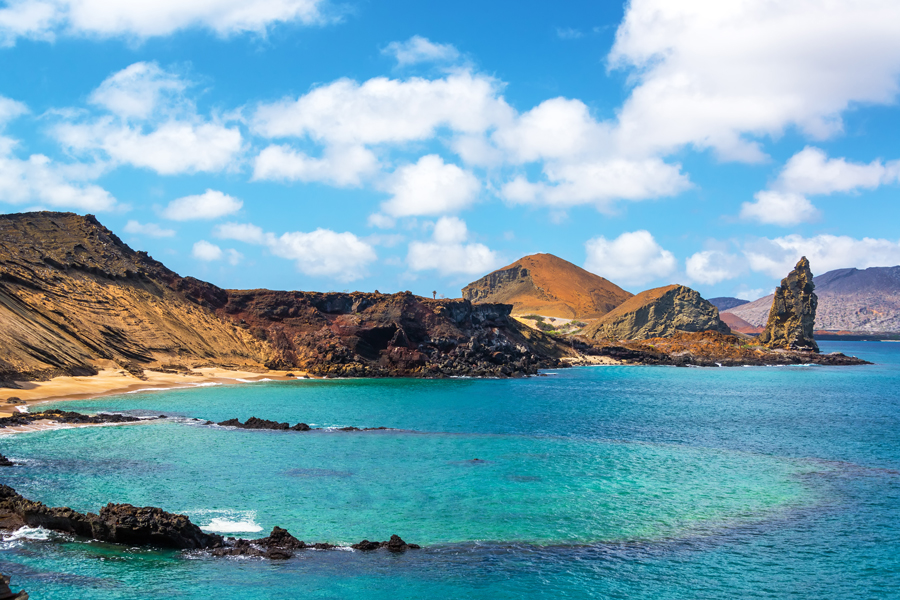
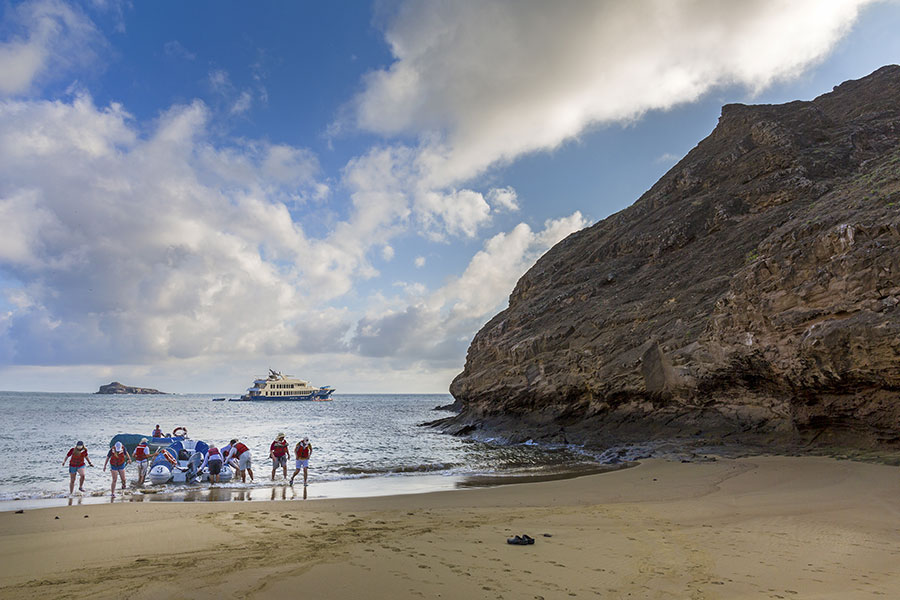
The magic and appeal of the Galápagos Islands continue to attract visitors to Ecuador year after year, especially nature lovers seeking out some of the most fascinating and unique flora and fauna in the world. Embark on this 11-day exploration to one of the most biodiverse countries on earth, which boasts an impressive list of more than 1,600 bird species. Begin the adventure on a tour of Quito, Ecuador’s capital and one of the best-preserved colonial centers in the Americas. Then, head to the volcanic landscapes of the Galápagos Islands to explore the iconic wildlife and geological wonders that inspired Charles Darwin’s theory of evolution by natural selection. Cruise around the eastern and central islands of the archipelago aboard the M/C Seaman and gain a deeper understanding of the wildlife, people, and places that make up this natural wonderland as you seek out a variety of resident and migrant avian species, mammals, reptiles, and more.
PLEASE NOTE: Cruise itineraries are subject to change without prior notice due to unforeseen circumstances (e.g. weather) or at the discretion of the captain, guide, or the Galápagos National Park.
AVAILABLE "TRIPS TO GO"
The following sets of dates have been pre-reserved to guarantee availability for trip planners or organizations interested in booking this itinerary. Please contact us if you'd like to secure one of these departures for your group, or if you'd like to inquire about availability for other dates.
| Seaman East + Central | Seaman West | |
|---|---|---|
| • Sept. 2 - 9, 2027 | • Jun. 17 - 24, 2027 | • Aug. 26 - Sept. 2, 2027 |
| • Jul. 1 - 8, 2027 | • Sept. 9 - 16, 2027 | |
| • Jul. 15 - 22, 2027 | • Dec. 16 - 23, 2027 | |
Highlights
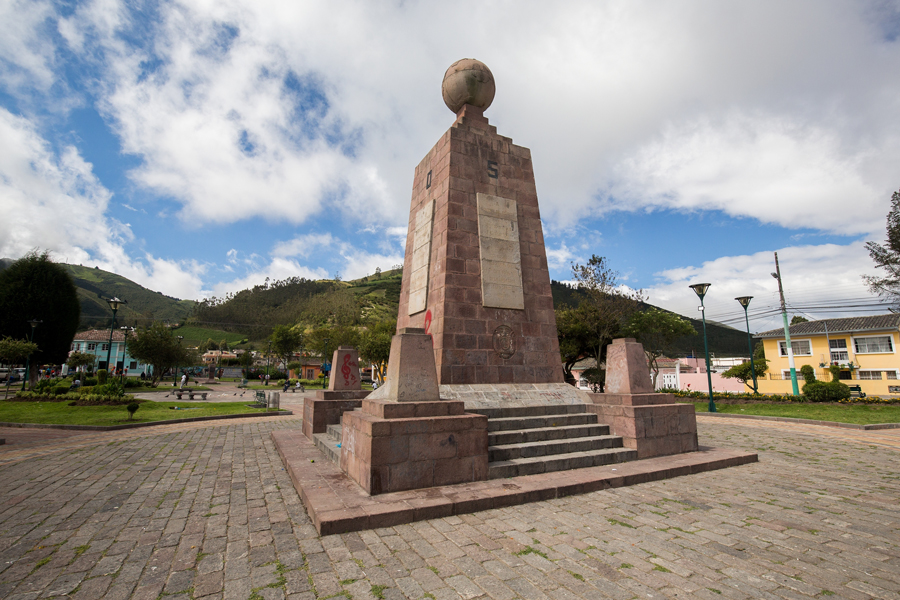
- Explore historical Quito, a UNESCO World Heritage Site, and straddle both hemispheres at once at the Middle of the World Monument.
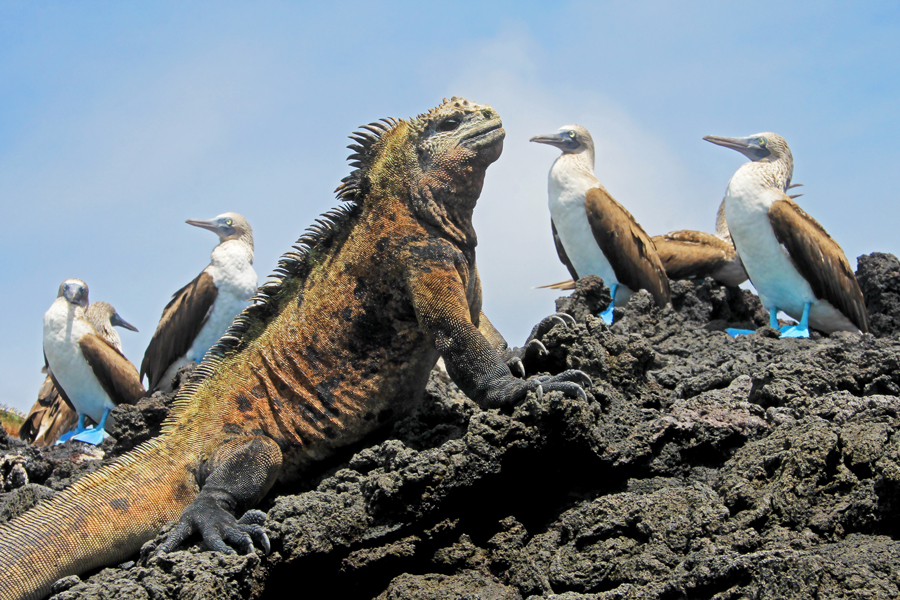
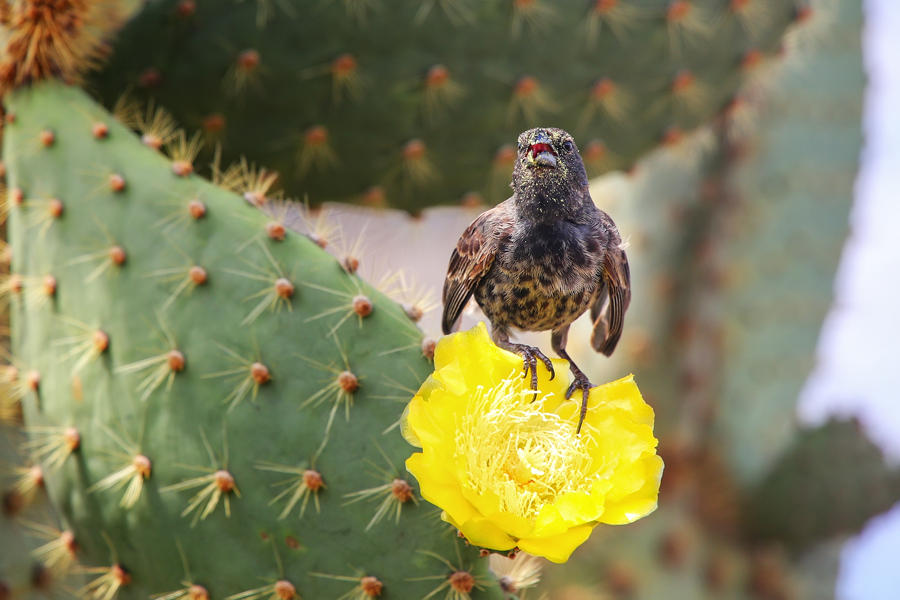
- Encounter the iconic wildlife of the Galápagos, including Blue-footed, Red-footed and Nazca Boobies, Darwin’s finches, frigatebirds, shorebirds, and land and marine iguanas.
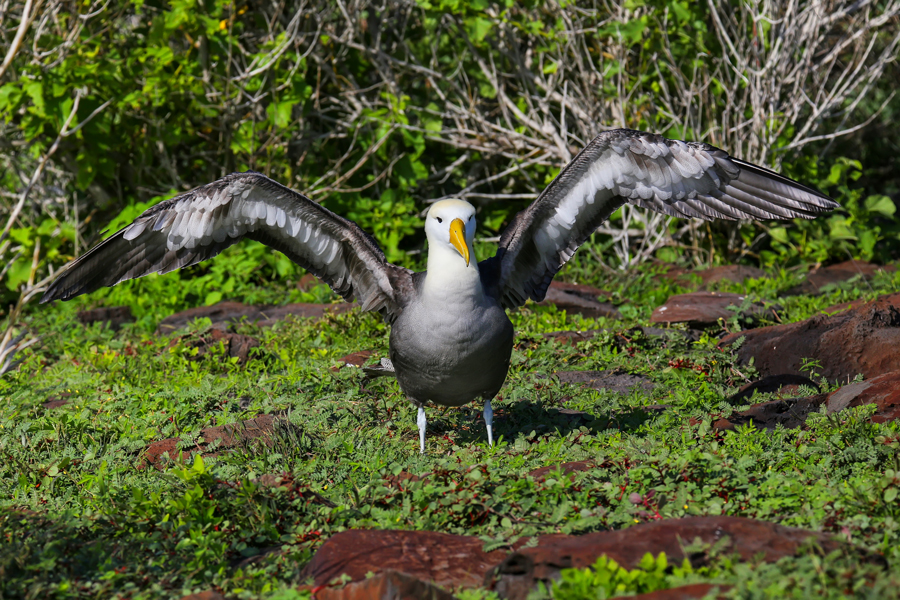
- Walk along the lava beds of Española Island, one of the best places in the world to see the Waved Albatross.
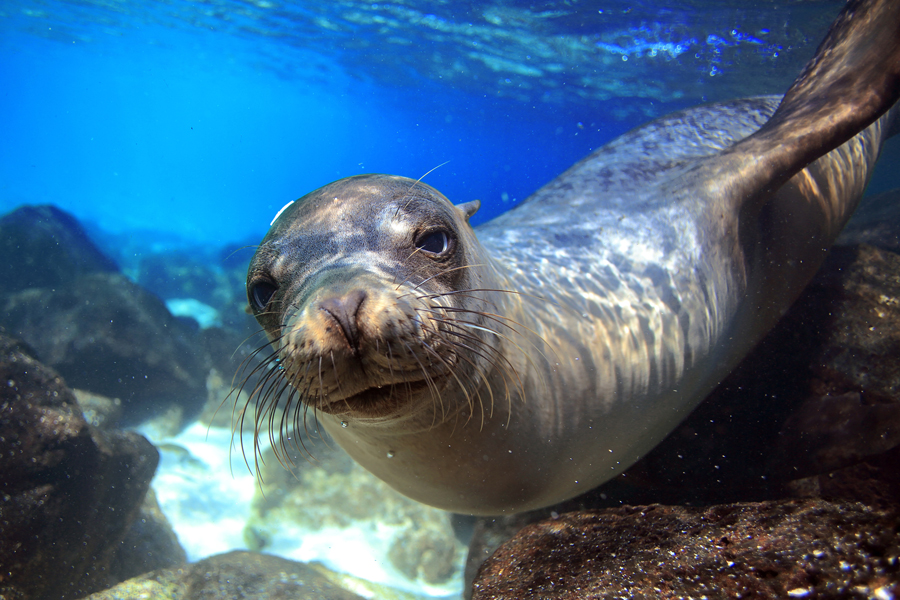
- Come face-to-face with sea lions, sea turtles, colorful fish, and much more marine life during several snorkeling excursions.
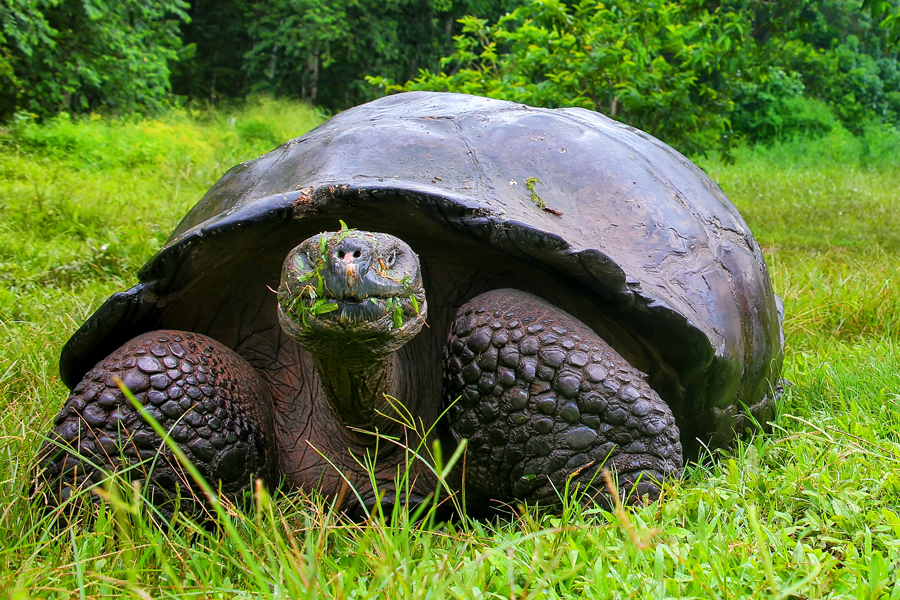
- See giant tortoises up close and learn about the important conservation and education efforts taking place at the David Rodríguez Tortoise Breeding Center in San Cristóbal Island and the Charles Darwin Research Center and Fausto Llerena Breeding Center in Santa Cruz Island.
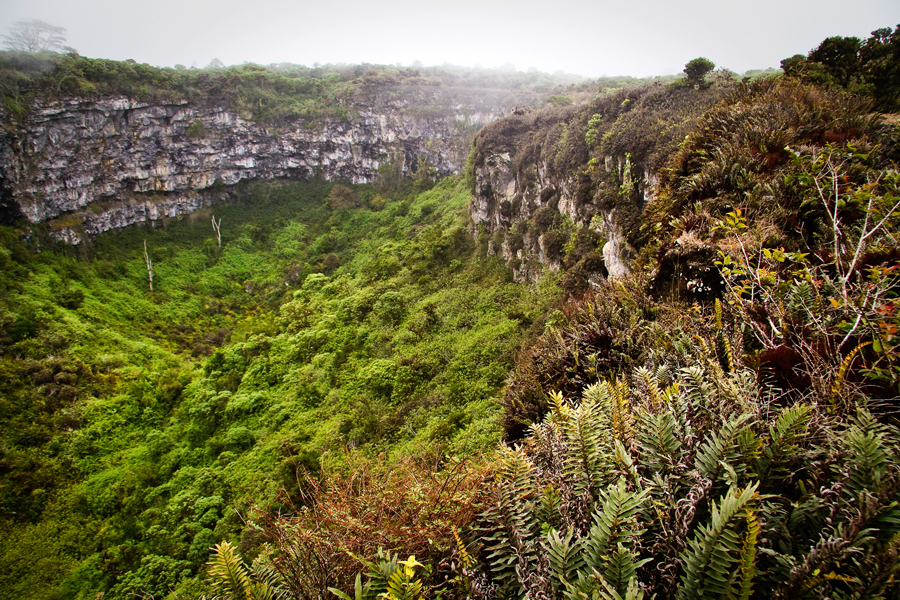
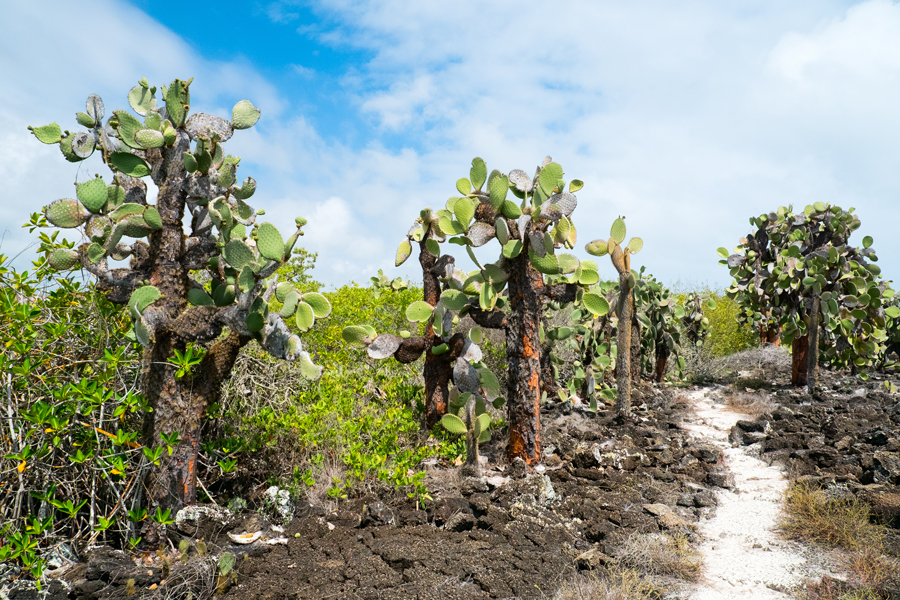
- Marvel at striking landscapes and hardy vegetation endemic to the Galápagos and its volcanic terrain, like red Sesuvium and Opuntia cactus forests.
Activity Level 4: Moderate-Strenuous
Participants should be able to ascend or descend 80 stairs consecutively, plus walk for at least 4 hours over some steep slopes, uneven, and potentially slippery surfaces without difficulty. Physical activities typically last for 4 or more hours at a time.
$7,240
Land Cost
Group size
Book 8 travelers and 1 group
leader travels for free
$7,640
Land Cost
Group size
Book 12 travelers and 1 group
leader travels for free
$6,995
Land Cost
Group size
Book 14 travelers and 1 group
leader travels for free
With 9-12 travelers, the group will travel on a non-charter basis and will be sharing the boat with non-Holbrook travelers. With 13-16 travelers, the vessel will be on a charter basis exclusively for Holbrook travelers.
All Holbrook groups, regardless of the group size or charter status will have a dedicated guide.
What makes us different

Rich content

Custom-tailored trips

Wildlife up-close

Support conservation

Sustainable travel

Expert guides
Daily Itinerary
Print ItineraryQuito
Day 1Quito
Day 2Galápagos
Day 3Galápagos
Day 4Galápagos
Day 5Galápagos
Day 6Galápagos
Day 7Galápagos
Day 8Galápagos
Day 9Puembo
Day 10Day 11
Pricing
Print Pricing$7,240
Land Cost
Group size
Book 8 travelers and 1 group
leader travels for free
$7,640
Land Cost
Group size
Book 12 travelers and 1 group
leader travels for free
$6,995
Land Cost
Group size
Book 14 travelers and 1 group
leader travels for free
With 9-12 travelers, the group will travel on a non-charter basis and will be sharing the boat with non-Holbrook travelers. With 13-16 travelers, the vessel will be on a charter basis exclusively for Holbrook travelers.
All Holbrook groups, regardless of the group size or charter status will have a dedicated guide.
What's Included
- Activities and meals as mentioned in itinerary
- Arrival and departure transfers based on individual flight schedules
- Full time guide per region for the duration of your program
- Internal flights relevant to itinerary
- Galapagos National Park fees
- INGALA card
- Snorkel gear
- Non alcoholic beverage with meals
- Carbon Offset
What's Not Included
- International airfare
- Gratuities
- Items of personal nature
- Travel Insurance
Pricing Details
Prices are valid for travel from Jan 1, 2026 - Dec 30, 2027. Holiday surcharges may apply.
Travel Info
Print Travel InfoEntry & Exit Requirements
U.S. citizens must have a valid passport to enter Ecuador. Passports must be valid for at least six months after the date of entry.
For visits fewer than 90 days, visas will be issued upon arrival in Ecuador. Tourists may be required to provide evidence of return or onwards travel.
The Galápagos National Park Administration also requires travelers to complete an electronic affidavit with their travel information and a declaration of transported goods.
This affidavit may be completed up to 48 hours prior to arrival in the Galápagos. As most travelers will already be in Ecuador or en route to Ecuador during this timeframe, your guide will be able to assist you with this process. It will be helpful for you to have a smartphone or other mobile device to complete the affidavit, but if you don’t have one, your guide can help make arrangements for you to access the internet before your flight. Should you be arriving to Ecuador with more time available, you may complete the form within 48 hours of your flight at https://declaracion.abgalapagos.gob.ec.
If you are not traveling with a U.S. passport, please check with the Embassy of Ecuador for the requirements based on your nationality.
Health Information
IMMUNIZATIONS
The Centers for Disease Control recommends that all travelers be up to date on routine vaccinations such as measles-mumps-rubella (MMR) vaccine, diphtheria-pertussis-tetanus vaccine, varicella (chicken pox) vaccine, and your yearly flu shot before every trip.
There are no vaccinations required for entry into Ecuador (unless you have spent more than 10 days in Bolivia, Brazil, Colombia, or Peru immediately prior to arrival, or are arriving from the Democratic Republic of the Congo or Uganda, in which case proof of yellow fever vaccine is required. The vaccine must have been administered at least 10 days before arrival, and is valid for life.)
Though vaccination is not required for most travelers, yellow fever is a risk in certain parts of Ecuador, especially east of the Andes at elevations below 7,550 feet. In addition to protecting against mosquitos, the CDC recommends the yellow fever vaccine if you are traveling to these areas.
The CDC also recommends inoculation against hepatitis A, hepatitis B, and typhoid for most unvaccinated travelers to Ecuador.
Please consult your physician for additional information and recommendations based on your individual circumstances.
MALARIA
Malaria is not known to be present in Quito or in the Galápagos Islands. If you are concerned about malaria prevention, please consult your physician.
Other Insect-borne Illnesses
Other insect-borne illnesses are known to occur on mainland Ecuador, including dengue fever, leishmaniasis, Zika virus, and others. The CDC recommends that travelers to Ecuador protect themselves against insect bites: cover exposed skin with lightweight, long-sleeved shirts and pants and use an insect repellent containing an EPA-registered active ingredient like DEET, picaridin, or oil of lemon eucalyptus (OLE). Apply sunscreen first, followed by the repellent, ideally 20 minutes later.
Be careful when applying products containing DEET, as it can damage or dissolve certain synthetic fabrics as well as plastic, rubber, vinyl, or elastic materials, such as those used in camera equipment, binoculars, phone cases, sunglasses, or watches. Additionally, some research suggests that when DEET and picaridin enter local waterways, they can be harmful to amphibians and other wildlife. When selecting a repellent, it is ultimately up to each traveler to weigh the risks and benefits of different options, keeping in mind both environmental factors and the importance of protecting against illness.
As a precaution, the CDC advises women who are pregnant to consider postponing travel to any area where Zika virus transmission is ongoing.
SEA SICKNESS
If you’re prone to feeling queasy, we suggest you consult your physician for advice on the best ways to prevent motion sickness. We recommend that you avoid showering when the boat is in motion and remain cautious of activities while passing through rocky waters.
ALTITUDE SICKNESS
Upon arrival at locations of high elevation, shortness of breath and a pounding heart are normal responses to the lack of oxygen in the air. However, for some visitors, these symptoms can deteriorate into altitude sickness. Headache, extreme tiredness, dizziness, nausea, and loss of appetite are standard symptoms. Staying hydrated and well rested is important to adjust to the altitude. Avoiding heavy, fatty foods and alcohol in the days before arriving to altitude can help. Over-the-counter medications are also available to help prevent or alleviate symptoms. It’s advisable to avoid sleep medications, as they can slow breathing and respiration, which aid in getting the blood oxygenated while sleeping. Participants who take blood pressure medications should discuss this with their doctor as the medication can drop pressure too low at times.
SUN EXPOSURE
The effects of the sun can be damaging to the eyes and skin. Spending time outdoors exposes you to the sun’s harmful ultraviolet (UV) rays, even on cloudy days. To protect yourself from the sun, use a broad spectrum sunscreen of at least SPF 15, protect skin with clothing, wear a wide-brimmed hat and sunglasses, and drink plenty of fluids.
PHYSICAL FITNESS REQUIREMENTS
Visitors to the Galápagos Islands should be in good health and capable of walking over rocky, uneven, and potentially slippery terrain. Regardless of your physical stamina, bringing a walking stick will help maintain your balance.
Respiratory Illness Protocols
Please review our Respiratory Illness Protocols page, which explains our policy and procedures if you or another traveler should develop symptoms of a respiratory illness during your trip. Your participation in a Holbrook Travel program indicates that you are in agreement with these protocols.
Liability Waivers
Please note you may be asked locally to sign liability waivers in order to participate in certain activities. If you would like to receive a copy of any required waiver in advance, please contact Holbrook Travel.
Resources
Print ResourcesVessel
Video: Galápagos Fitness Information
Video: Snorkeling in the Galapagos
Suggested Packing List
Everyone has personal preferences when it comes to packing; for this reason, the information below is offered as a general guide and not a definitive list. You know yourself best: Use your discretion and pack what you think will serve you, based on your personal preferences and specific itinerary.
You may find many of the items below in the New Headings Gear Store. Use code HolbrookGuest10 for a 10% discount on your purchase.
CLOTHING
Casual, comfortable clothing is suitable for most activities. You may wish to bring a slightly nicer outfit or two (eg sundress, polo shirt) if your itinerary includes dinners out or more formal activities.
Bring enough clothing suitable for the length of your program. Pack clothing that can be worn in layers to adapt to weather changes throughout the day.
- A combination of short-sleeved and lightweight, long-sleeved shirts for sun and mosquito protection
- Shorts
- Lightweight, quick-drying long pants for sun and mosquito protection
- Undergarments
- Sleepwear
- Lightweight jacket or sweater/sweatshirt
- 1-2 bathing suit(s)
- Socks
- Shoes – Consider your specific itinerary when choosing footwear. For most programs, you’ll likely want at least one pair of comfortable, closed-toe walking or hiking shoes suitable for forest hikes and walking over cobblestones or other uneven terrain. Sturdier hiking boots may be appropriate for more active itineraries. In addition, many participants opt for a pair of sturdy sport-strap sandals (e.g. Keens, Tevas, or similar) and/or casual flip-flops or sandals. In the Galápagos, a pair of aqua socks, reef walkers, or water shoes is recommended.
- Lightweight rain jacket, hooded poncho, and/or windbreaker
- Visor or wide-brimmed sun hat
- Bandana, scarf, or neck gaiter
- Wetsuit (shorty wetsuits are available to rent, but you may prefer your own)
Personal toiletries
Pack toiletries based on your personal preferences and habits. Below are just a few recommendations to keep in mind.
- Shampoo, conditioner, lotion, deodorant/antiperspirant, etc. – Note: In the Galápagos, biodegradable shampoo and soap are provided onboard the boat; if you wish to bring your own, or if you bring your own conditioner, please make sure they are biodegradable to comply with conservation policies. If possible, avoid strong fragrances if you are sensitive to insect bites.
- Soap and washcloth or a small, quick-drying microfiber towel – Washcloths are not standard in all hotels. If you normally use a washcloth, you may wish to bring one from home.
- Hairbrush, comb, hair ties, shower cap.
- Toothbrush and toothpaste
- Razor
- Ear plugs, especially if you are a light sleeper
- Personal hygiene products
- Insect repellent
- Biodegradable, reef-safe sunscreen and lip balm with SPF
- A travel pack of tissues – also useful as napkins or toilet paper if needed
In addition to your personal toiletries, it is useful to pack a small medical kit, which you can easily prepare. Helpful items might include: bandages, antihistamine, a pain reliever, motion sickness and/or altitude sickness medication (if you are prone to either), powdered electrolyte packets for dehydration, anti-diarrhea medicine, individually wrapped pre-moistened towelettes and/or hand sanitizer, antibiotic ointment, anti-fungal cream, moleskin for blisters, aloe vera gel for sunburn, eye drops, tweezers, a mini sewing kit, and an extra pair of disposable contact lenses or eyeglasses if you wear them.
MISCELLANEOUS
Remember to pack valuables such as your passport, cash/credit cards, and medications in your carry-on luggage.
- Passport and photocopies of all travel documentation
- Personal insurance card and travel insurance information
- Money – ATM/credit card, traveler's checks, and/or cash; small bills in good condition are recommended
- Prescription medicines (if applicable), with a copy of the prescription
- Yellow fever certificate (if required; only if arriving from a country where yellow fever transmission is a risk)
- Sunglasses with strap
- Small day pack for hikes and excursions
- Flashlight and/or head lamp
- Travel alarm clock or inexpensive waterproof wristwatch with alarm – Not all hotels provide alarm clocks.
- Binoculars with lens cleaner
- Camera and related equipment, such as charger, lenses, and extra memory cards
- Reusable water bottle
- Non-perishable snacks
- Pocket knife or multipurpose tool - Pack in your checked luggage
- Zip-top style bags – useful for packing toiletries, sorting clothing, storing damp or muddy shoes, or as a dry bag for protecting electronics
- Notepad or travel journal and pen
- Music or reading material for down time, long bus drives, or on the airplane, and a portable bright light to read by
- Walking stick with rubber tip (folding or collapsible, for walking on rough and uneven terrain)
- Swim mask/fins (snorkeling equipment is available to rent and often included for most groups)
- A small quantity of laundry detergent if you’ll be washing clothing by hand
- Money belt
- Converter and adapter for electronics
- Chargers for electronics
NOTE: There is a weight limit of 50 lbs. of checked luggage and one carry-on per person for your flight to the Galápagos Islands. Your luggage and/or carry-on may be subject to inspection by the Ecuadorian government in an effort to prevent the introduction of foreign plants and animals to the Galápagos Islands.

Questions?
For more information, contact us at 800-451-7111 or email travel@holbrooktravel.com.
Want to subscribe to the Holbrook Explorer?
Giovanna Holbrook's First Trip to the Galapagos Islands
The “Big 15” of Galápagos Wildlife
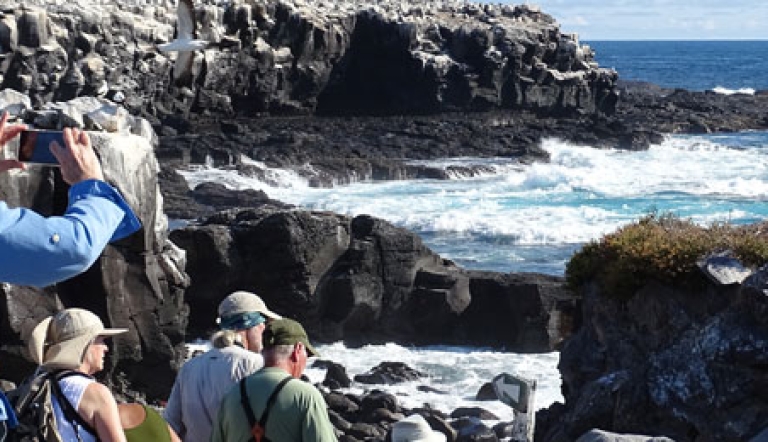
Back From The Field: Discovering And Rediscovering The Magic Of Ecuador

Costa Rica | Experiential Learning in the Osa Peninsula and Cordillera de Talamanca

Mexico | Mystical Migration of the Monarch
