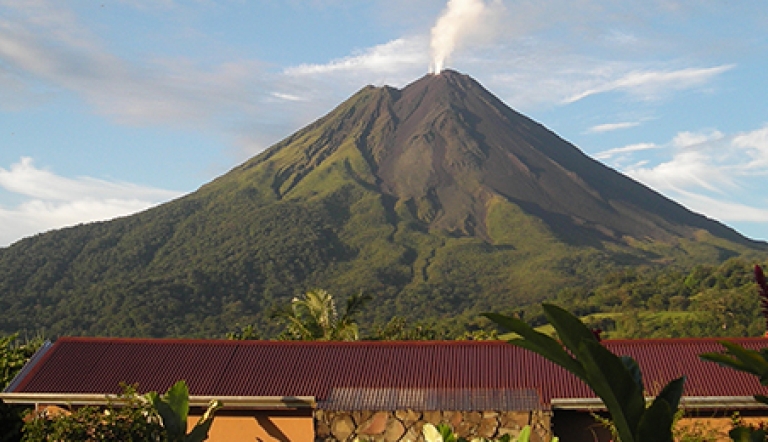
Costa Rica | Coastal Conservation and Tropical Forest Ecology
Date:
Activity Level:
Duration:
Price:
Interests:


About this trip
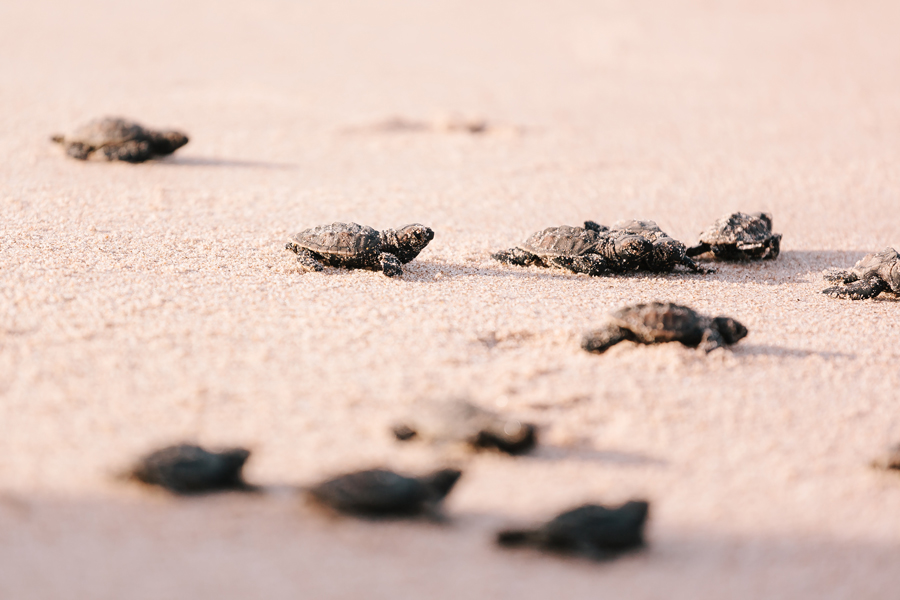
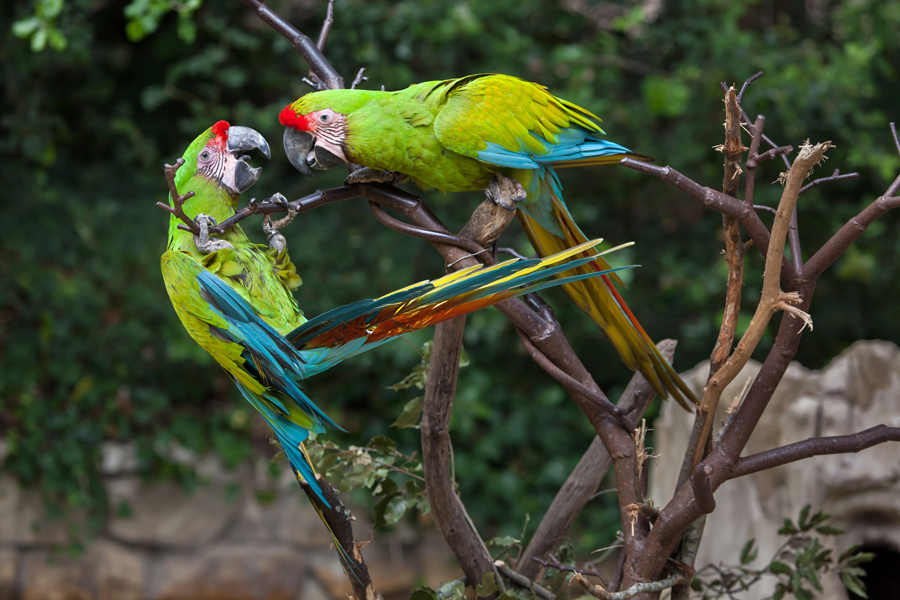
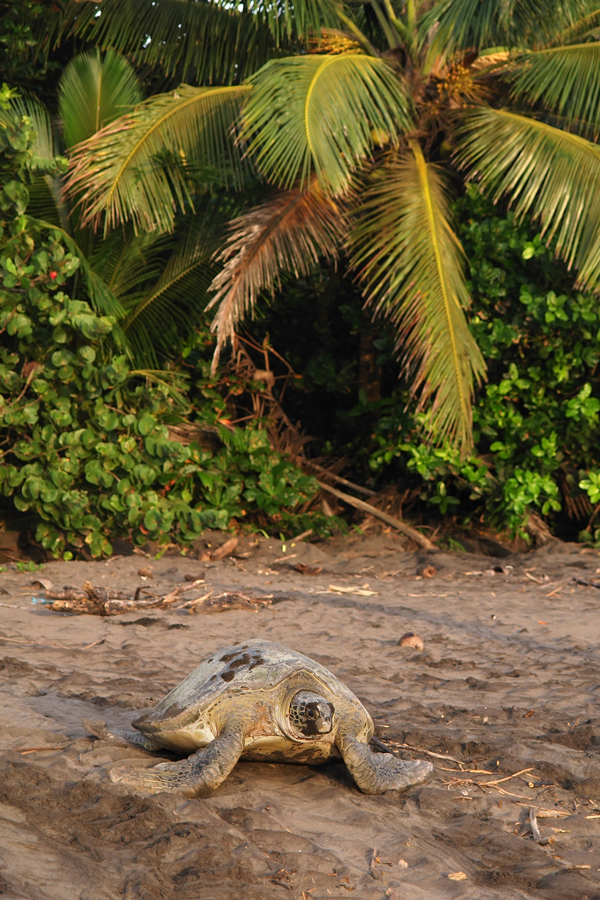
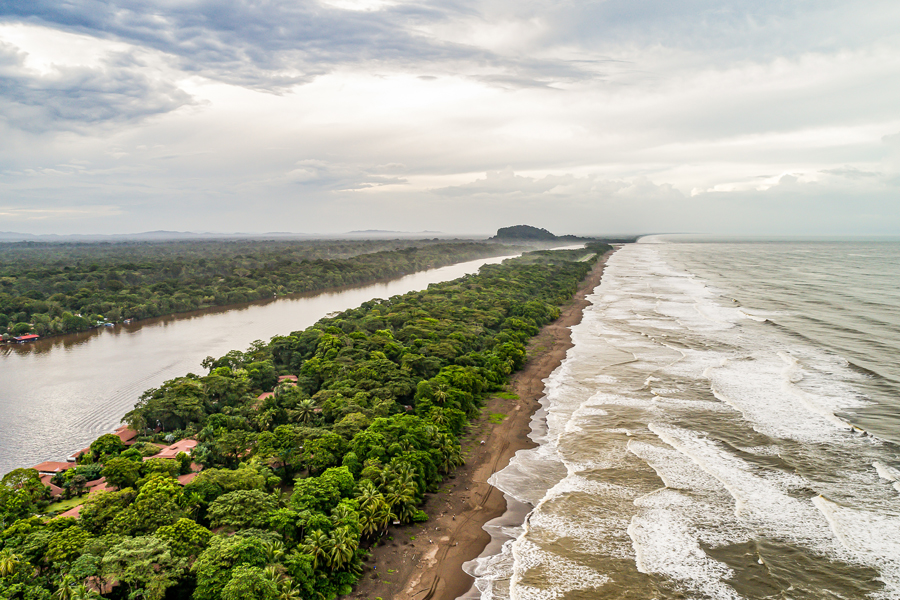
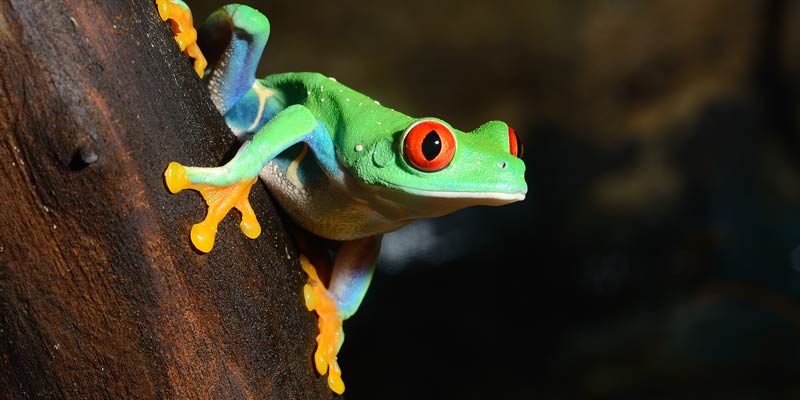
 Discover Costa Rica’s remarkable biodiversity through hands-on research and conservation experiences in its tropical ecosystems. From the coastal wetlands of Tortuguero National Park to the rainforests of Sarapiquí, explore the wildlife that inhabits these diverse environments and the scientific efforts to protect them. Assist researchers with monitoring nesting sea turtles and collecting data, visit La Selva Biological Station to learn about tropical rainforest research, and take part in a workshop exploring the biology and research methods used to study bats.
Highlights
- Spend several nights assisting Sea Turtle Conservancy researchers and patrolling the beaches for nesting sea turtles on the Caribbean coast.
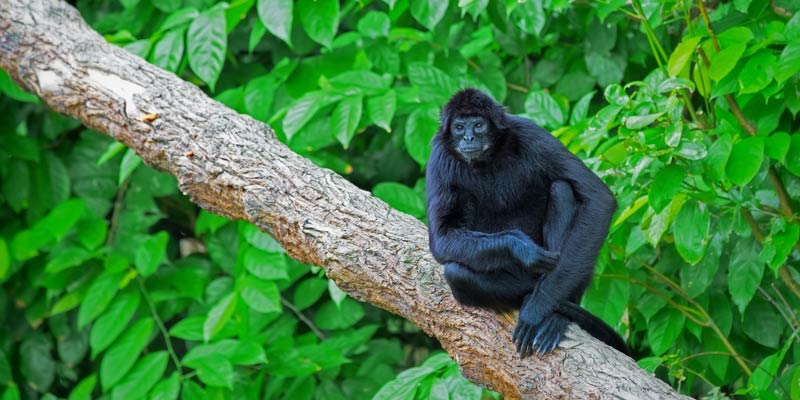
- Look for wildlife like spider and howler monkeys, three-toed sloths, wading birds, manatees, and spectacled caimans on a boat safari along Tortuguero`s inland waterways.
- Visit the Organization for Tropical Studies La Selva Biological Station, one of the most important sites in the world for research on tropical rainforests.
- Study the biology of bats at Tirimbina Biological Reserve through a multimedia presentation and closeup observation of bats that were captured for research projects.
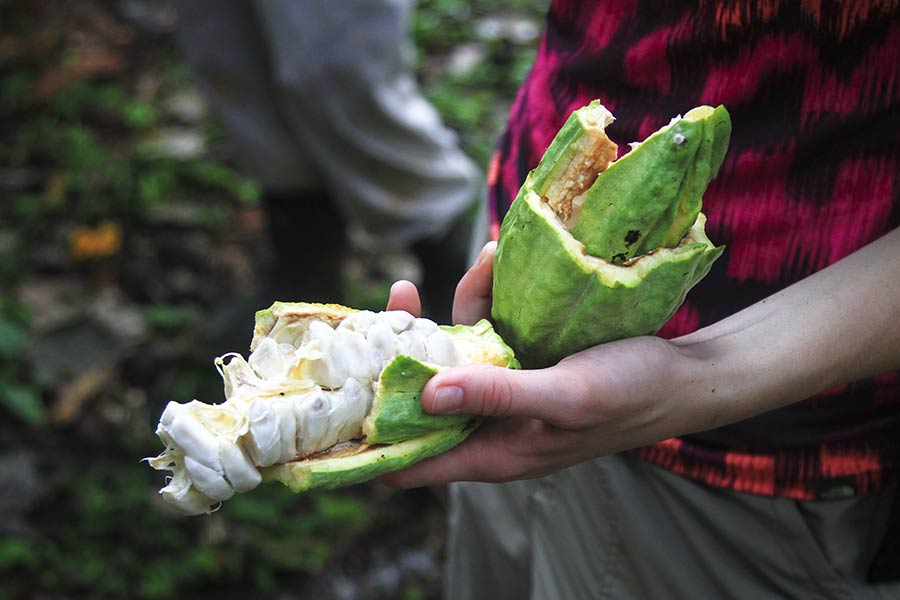
- Learn about traditional methods of chocolate-making as well as the cultural history of this important crop.
Meet your host
 Krista Weatherford
 is Director of Programming and Curator of Natural Resources at Maymont, where she shares her lifelong passion for wildlife and the environment with everyone she meets. As leader of both education programs and animal care at Maymont, she infuses everything she does with both a sense of fun and a deep respect for people and animals.
In addition to planning educational programs for more than 19,000 students who visit Maymont each year, as well as summer camps, night hikes, citizen science programs and more, Krista supervises a dedicated team of animal care specialists who care for more than 300 animals at Maymont, from tiny seahorses to North America’s largest land animal, the bison.
Outside of work, Krista is an evangelist for the environment as a facilitator in Project WET, Project WILD and Project Learning Tree. She is a Virginia Master Naturalist and a Certified Interpretive Guide. Her hobbies feed her love of the natural world, as she enjoys kayaking, hiking and observing wildlife.
Krista has been with Maymont for 11 years, and an environmental educator for a total of 25 years, including stints with Virginia State Parks and Georgia Southern University’s Center for Wildlife Education. She earned a BS in Conservation Biology, with an emphasis in wildlife, from Brigham Young University.
Activity Level 2: EASY-MODERATE
Participants should be able to walk at least 2-3 hours over some uneven and potentially slippery surfaces without difficulty and should be able to ascend or descend 50 stairs consecutively. Physical activities typically last for at least 2-3 hours at a time.
$3,935
Per person
About this price
Land cost only. Does not include round-trip airfare to and from destination.
Single room supplement $565
What makes us different

Rich content

Community service

Culture in context

Cultural Discovery

Meaningful experiences

Worry-free Planning & Travel
Daily Itinerary
Print ItinerarySan Jose
Tortuguero
Tortuguero
Tortuguero
Sarapiqui
Sarapiqui
San Jose
Depart
Pricing
Print Pricing$3,935
Per person
About this price
Land cost only. Does not include round-trip airfare to and from destination.
Single room supplement $565
What's Included
- Activities and meals as mentioned in itinerary
- Arrival and departure transfers based on individual flight schedules
- Full time guide for the duration of your program
- Private transportation and driver for the duration of the program
- Gratuities for activity guides, meals and porters
- Non alcoholic beverage with meals
- Water refill station during transfers
- Carbon Offset
What's Not Included
- Internal airfare
- Items of personal nature
- Gratuities for main guide and driver
- Travel Insurance
Pricing Details
A deposit of $350 per person is required to reserve your place on the program. Reservations received after the final payment deadline must be accompanied by full payment. Should you need to cancel your reservation, the following per person fees will apply: 120 days or more before departure: $100 cancellation fee. 119-96 days before departure: $350 cancellation fee (full deposit). 95 days or fewer before departure: 100% of the total program cost is non-refundable. In most cases, any applicable refunds will be issued to the original form of payment.
Holbrook Travel strongly recommends the purchase of travel protection for medical emergencies while traveling and to protect your investment. Please note the purchase of Cancel for Any Reason Coverage or to exclude pre-existing conditions with Trip Cancellation coverage may require policy purchase within 10-14 days of your initial deposit, depending upon the provider.
Single room supplement $565
Final payment due date: June 04, 2027
Travel Info
Print Travel InfoEntry & Exit Requirements
U.S. citizens must have a valid passport to enter Costa Rica. Passports must be valid for at least the duration of your stay. As this requirement is subject to change at any time without notice, we recommend at least 6 months' validity.
A visa is not required for visits up to 90 days.
If you are not traveling with a U.S. passport, please check with the Costa Rican Embassy for the requirements based on your nationality.
Health Information
IMMUNIZATIONS
The Centers for Disease Control recommends that all travelers be up to date on routine vaccinations such as measles-mumps-rubella (MMR) vaccine, diphtheria-pertussis-tetanus vaccine, varicella (chicken pox) vaccine, and your yearly flu shot before every trip.
There are no vaccinations required for entry into Costa Rica, unless you are traveling from a country where yellow fever transmission is a risk. Though not required for entry, the CDC recommends vaccination against hepatitis A, hepatitis B, and typhoid for most unvaccinated travelers to Costa Rica.
Please consult your physician for additional information and recommendations based on your individual circumstances.
MALARIA
The CDC advises that malaria transmission is present in certain regions of Costa Rica, primarily in the provinces of Alajuela and Limón. Malaria is caused by a parasite found in Anopheles mosquitos, which are active from dusk until dawn. If you are visiting areas where malaria is present and choose to use an anti-malarial drug, as recommended by the CDC, see your doctor for a prescription.
To protect against mosquitos, the CDC recommends that you cover exposed skin with lightweight, long-sleeved shirts and pants, consider treating clothes with permethrin, and use an insect repellent containing an EPA-registered active ingredient like DEET, picaridin, or oil of lemon eucalyptus (OLE). Apply sunscreen first, followed by the repellent, ideally 20 minutes later.
Be careful when applying products containing DEET, as it can damage or dissolve certain synthetic fabrics as well as plastic, rubber, vinyl, or elastic materials, such as those used in camera equipment, binoculars, phone cases, sunglasses, or watches. Additionally, some research suggests that when DEET and picaridin enter local waterways, they can be harmful to amphibians and other wildlife. When selecting a repellent, it is ultimately up to each traveler to weigh the risks and benefits of different options, keeping in mind both environmental factors and the importance of protecting against illness.
OTHER INSECT-BORNE ILLNESSES
Other insect-borne illnesses are known to occur in Costa Rica, including dengue fever, leishmaniasis, Zika virus, and others. Travelers to Costa Rica should protect themselves against insect bites using the measures described above.
After spending time outdoors in grassy or wooded areas, the CDC recommends showering and conducting a full-body check for ticks. If you find a tick attached to your skin, safely remove it as soon as possible.
As a precaution, the CDC advises women who are pregnant to consider postponing travel to any area where Zika virus transmission is ongoing.
OTHER NUISANCE PESTS
In places with rich vegetation and proximity to bodies of water, you may encounter chiggers. These are mites that can superficially attach to skin and leave behind itchy red bumps that appear 3-6 hours after initial contact. Their bites are sometimes mistaken for those of bed bugs or other insects; however, unlike bed bugs, which tend to target exposed skin, chiggers look for skin folds or areas where clothing fits tightly, like the ankles, waist, underarms, elbow creases, and the back of the knees to feed on broken down skin cells. They do not transmit any illnesses in Costa Rica.
We recommend that travelers to Costa Rica protect themselves against chigger bites using the measures noted above. Additionally, if potential exposure occurs, we recommend showering and scrubbing skin with soap and hot water as quickly as possible. If that is not immediately feasible, promptly rub skin with a dry towel or cloth and place any exposed clothing in a zip-top bag until it can be washed. To treat any itchiness, we suggest over-the-counter anti-itch lotion and/or oral antihistamines.
SUN EXPOSURE
The effects of the sun can be damaging to the eyes and skin. Spending time outdoors exposes you to the sun’s harmful ultraviolet (UV) rays, even on cloudy days. To protect yourself from the sun, use a broad spectrum sunscreen of at least SPF 15, protect skin with clothing, wear a wide-brimmed hat and sunglasses, and drink plenty of fluids.
ALTITUDE SICKNESS
If your itinerary includes locations at high elevation (above 5,000 feet), altitude sickness is a possibility. Stay hydrated and well-rested, and avoid heavy, fatty foods and alcohol in the days before arrival. Consult your physician prior to travel for advice specific to your situation.
Respiratory Illness Protocols
Please review our Respiratory Illness Protocols page, which explains our policy and procedures if you or another traveler should develop symptoms of a respiratory illness during your trip. Your participation in a Holbrook Travel program indicates that you are in agreement with these protocols.
Liability Waivers
Please note you may be asked locally to sign liability waivers in order to participate in certain activities. If you would like to receive a copy of any required waiver in advance, please contact Holbrook Travel.
Resources
Print ResourcesPacking Recommendations
Everyone has personal preferences when it comes to packing; for this reason, the information below is offered as a general guide and not a definitive list. You know yourself best: Use your discretion and pack what you think will serve you, based on your personal preferences and specific itinerary.
You may find many of the items below in the New Headings Gear Store. Use code HolbrookGuest10 for a 10% discount on your purchase.
CLOTHING
Casual, comfortable clothing is suitable for most activities in Costa Rica. You may wish to bring a slightly nicer outfit or two (eg sundress, polo shirt) if your itinerary includes dinners out or more formal activities.
Bring enough clothing suitable for the length of your program. If you prefer to pack light, note that many hotels offer laundry services at additional cost. If you plan to hand-wash items, remember that humidity may delay drying time.
Pack clothing that can be worn in layers to adapt to weather changes throughout the day. Costa Rica’s rainy season is May through November, but it can rain at any time. Clothing that wicks away moisture and dries quickly is recommended.
If your program includes visits to higher elevations (e.g. Savegre, Monteverde, or Cordillera de Talamanca), warm clothing is strongly recommended. Temperatures can get quite chilly, especially at night and early in the morning, and hotel rooms don’t always have heat. It can also be windy at times. Consider packing a warm underlayer, as well as a warm, protective outer layer.
If participating in turtle patrols, bring dark-colored pants and shirts.
- A combination of short-sleeved and lightweight, long-sleeved shirts for sun and mosquito protection
- Shorts
- Lightweight, quick-drying long pants for sun and mosquito protection; jeans tend to be uncomfortable in hot and humid conditions, but are fine in the cooler highlands.
- Undergarments
- Sleepwear
- Lightweight jacket or sweater/sweatshirt (or heavier weight if visiting high-elevation areas)
- 1-2 bathing suit(s) for the beach, if applicable, plus many hotels have pools
- Socks – Bring extra pairs. If your itinerary indicates muddy hikes with rubber boots provided on-site, pack a few pairs of knee socks to prevent blisters.
- Shoes – You’ll likely want at least one pair of comfortable, closed-toe walking or hiking shoes or boots suitable for forest hikes and walking over cobblestones or other uneven terrain. In addition, many participants opt for a pair of sturdy sport-strap sandals (e.g. Keens, Tevas, or similar) and/or casual flip-flops or sandals for around the accommodations. If you’re whitewater rafting or visiting the beach, you may also want a pair of aqua socks, reef walkers, or water shoes.
- Lightweight rain jacket, hooded poncho, and/or windbreaker
- Visor or wide-brimmed sun hat
- Bandana, scarf, or neck gaiter
Personal Toiletries
Pack toiletries based on your personal preferences and habits. Below are just a few recommendations to keep in mind.
- Shampoo, conditioner, lotion, deodorant/antiperspirant , etc. – If possible, avoid strong fragrances if you are sensitive to insect bites (and to be considerate of you fellow travelers).
- Soap and washcloth or a small, quick-drying microfiber towel – Washcloths are not standard in all hotels. If you normally use a washcloth, you may wish to bring one from home.
- Hairbrush, comb, hair ties, shower cap. Most—but not all—hotel rooms provide a hair dryer, but you may wish to bring one from home.
- Toothbrush and toothpaste
- Razor
- Ear plugs, especially if you are a light sleeper
- Personal hygiene products
- Insect repellent (see note below about treating clothing with permethrin)
- Sunscreen and lip balm with SPF – If you’ll be in the ocean, we recommend reef-safe sunscreen.
- A travel pack of tissues – also useful as napkins or toilet paper if needed, as it may not be available at all roadside stops
In addition to your personal toiletries, it is useful to pack a small medical kit, which you can easily prepare. Helpful items might include: bandages, antihistamine, a pain reliever, motion sickness and/or altitude sickness medication (if you are prone to either), anti-diarrhea medicine, powdered electrolyte packets to prevent dehydration, individually wrapped pre-moistened towelettes and/or hand sanitizer, aloe vera gel for sunburn, antibiotic ointment, anti-fungal cream, moleskin for blisters, eye drops, tweezers, a mini sewing kit, and an extra pair of disposable contact lenses or eyeglasses if you wear them.
Days before you leave home, you may wish to consider spraying any clothing, socks, and shoes that will be worn in lowland, tropical sites with permethrin, an anti-parasite medication, to repel irritating pests and prevent the spread of disease. A recommended brand is Sawyer. Carefully read all instructions before use. Please note permethrin is highly toxic to cats and fish, and some aerosol products may be harmful to birds. Side effects may include minor itching, burning, or redness. You may want to use a laundry marker to label and keep track of which socks are permethrinized. Only one application per item is necessary; permethrin on treated clothes remains effective through several washings. Permethrin should NOT be applied directly to skin.
Miscellaneous
Remember to pack valuables such as your passport, cash/credit cards, and medications in your carry-on luggage.
- Passport and photocopies of all travel documentation
- Personal insurance card and travel insurance information
- Money – ATM/credit card and/or cash; small bills in good condition are recommended
- Prescription medicines (if applicable) – It’s recommended to pack medications in their original bottles/packaging with pharmacy labeling.
- Yellow fever certificate (if required; only if arriving from a country where yellow fever transmission is a risk)
- Sunglasses with strap
- Small day pack for hikes and excursions
- Flashlight and/or head lamp
- Travel alarm clock or inexpensive waterproof wristwatch with alarm – Not all hotels provide alarm clocks.
- A pocket calculator or phone to assist with conversions and currency exchange
- Binoculars with lens cleaner
- Camera and related equipment, such as charger, lenses, and extra memory cards
- Reusable water bottle – especially important in national parks, which do not permit single-use plastic bottles or containers
- Non-perishable snacks
- Pocket-knife or multipurpose tool – Pack in your checked luggage.
- Zip-top style bags – useful for packing toiletries, sorting clothing, storing damp or muddy shoes, or as a dry bag for protecting electronics
- Notepad or travel journal and pen
- Entertainment (e.g. music, a deck of cards, reading material and a portable bright light to read by, etc.) for down time, long drives, or on the airplane
- Collapsible walking stick with rubber tip – Pack in your checked luggage.
- A small quantity of laundry detergent if you’ll be washing clothing by hand
- Travel-size umbrella – Some people find this unwieldy to carry, while others find it offers better protection than a rain jacket alone.
- Money belt
- Chargers for electronics
- Dry bags for electronics

Questions?
For more information, contact Kevin Van Dien at kevin@holbrooktravel.com or 800-451-7111 x312
Want to subscribe to the Holbrook Explorer?
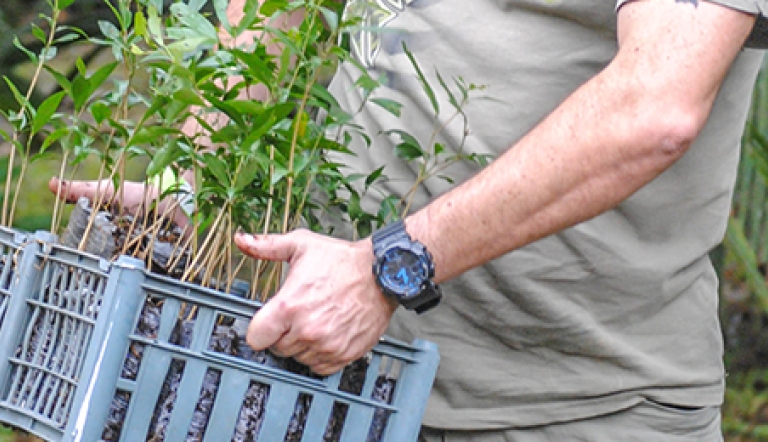
Reforesting hope: Costa Rica, conservation, and ecotourism

Back from the Field: Tracking the "River of Raptors" in Costa Rica