Date:
Activity Level:
Duration:
Price:
Interests:

About this trip
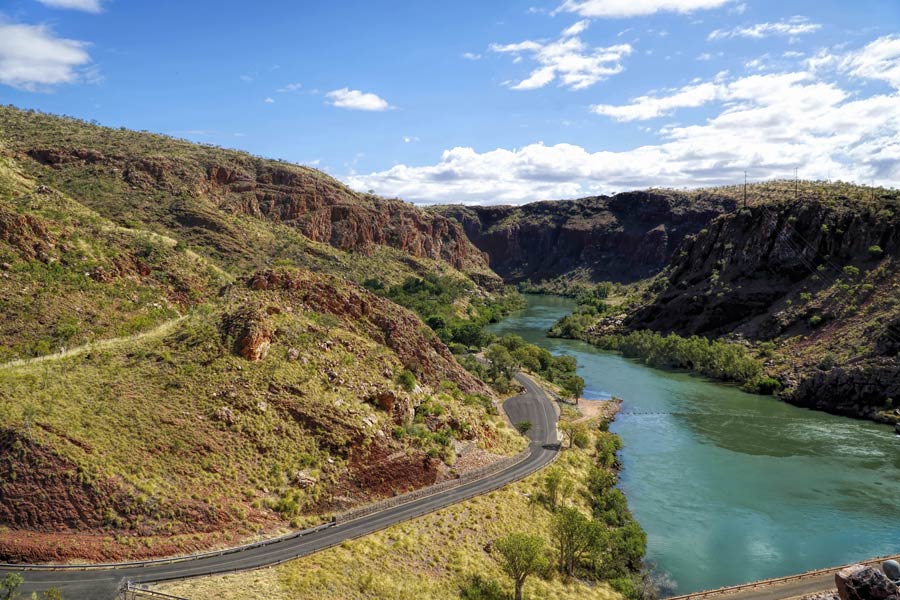
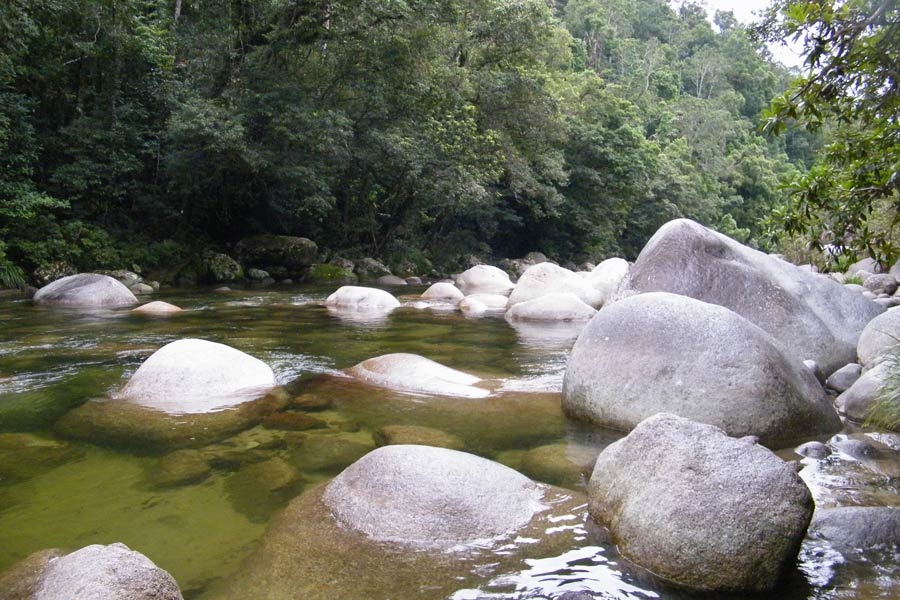
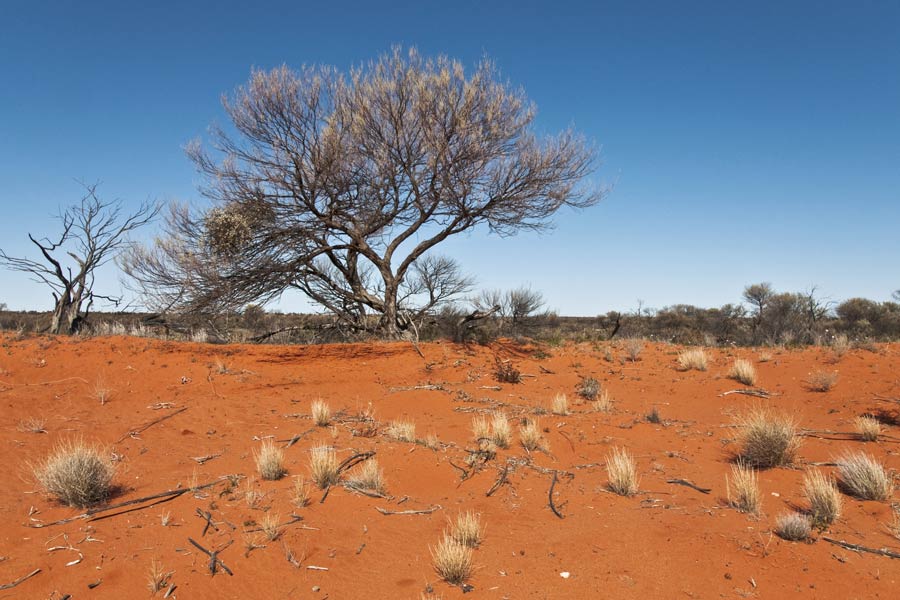
 Timed to coincide with an unforgettable celestial event, this 13-day immersive journey showcases the remarkable diversity of Australia, from the ancient rainforests of the Daintree and the colorful coral of the Great Barrier Reef to the endemic wildlife of the Atherton Tablelands and the dramatic landscapes of Western Australia's rugged northwest. Along the way, discover Australia's incredible biodiversity with expert naturalist guides, experience the living traditions of Indigenous communities, and explore some of the continent's most iconic natural environments by land and water. Culminating with a private eclipse viewing from a secluded site within the path of totality, this extraordinary adventure combines world-class wildlife, breathtaking scenery, and one of the rarest astronomical events on Earth into a once-in-a-lifetime experience.
Highlights
- Witness an unforgettable total solar eclipse from a private viewing site within the path of totality in Western Australia's remote Kimberley region.
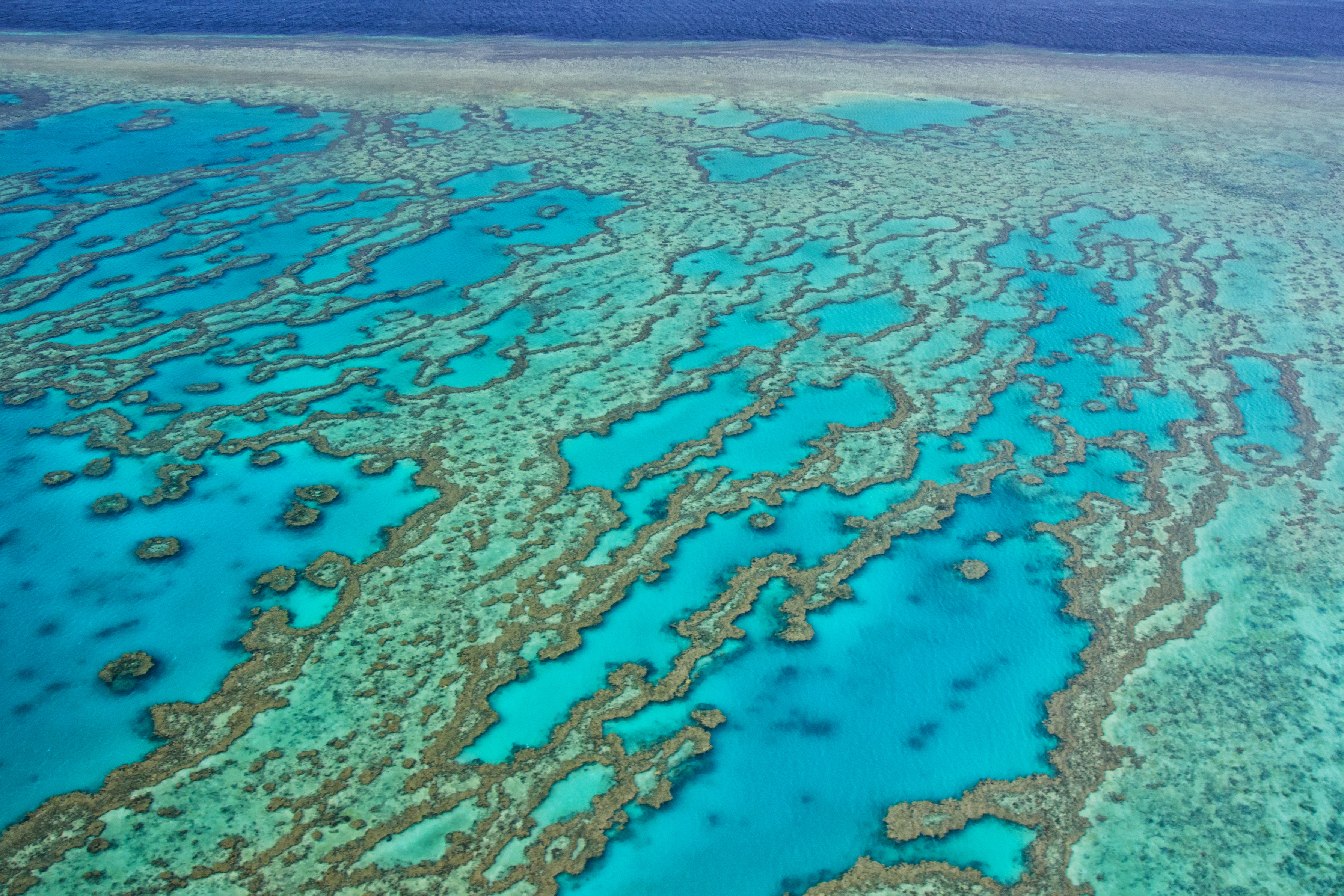
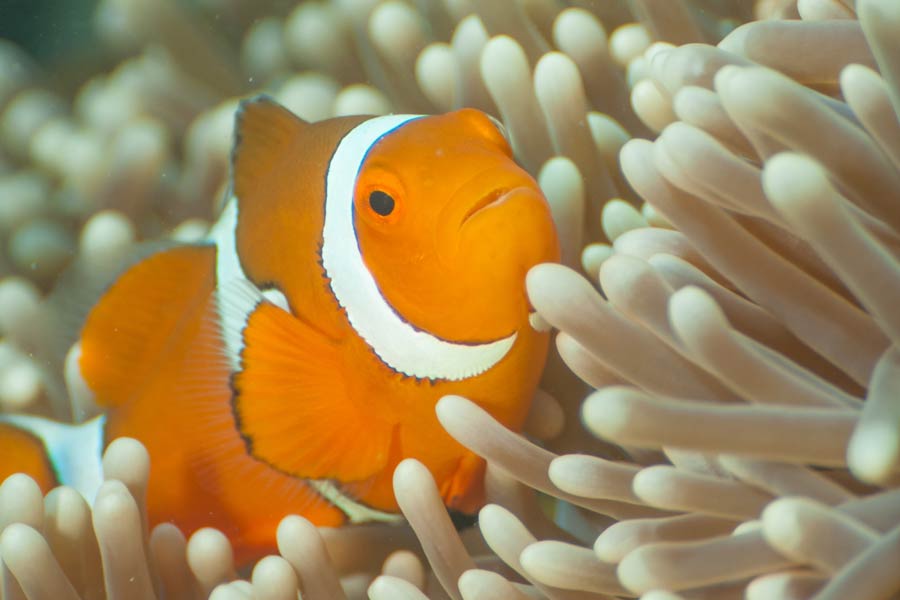
- Snorkel or scuba dive across multiple sites on the Great Barrier Reef, with opportunities to observe colorful corals, sea turtles, reef fish, manta rays, and other marine life.
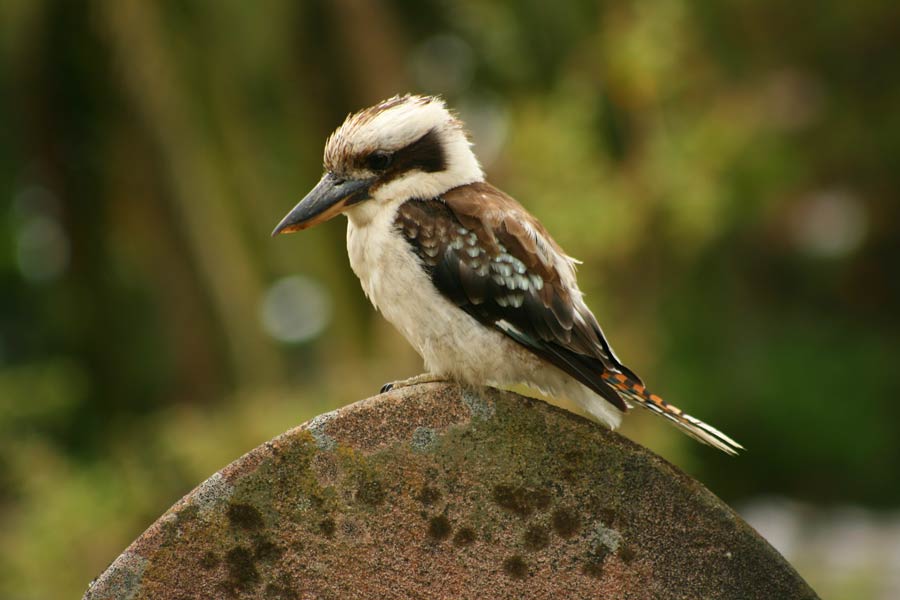
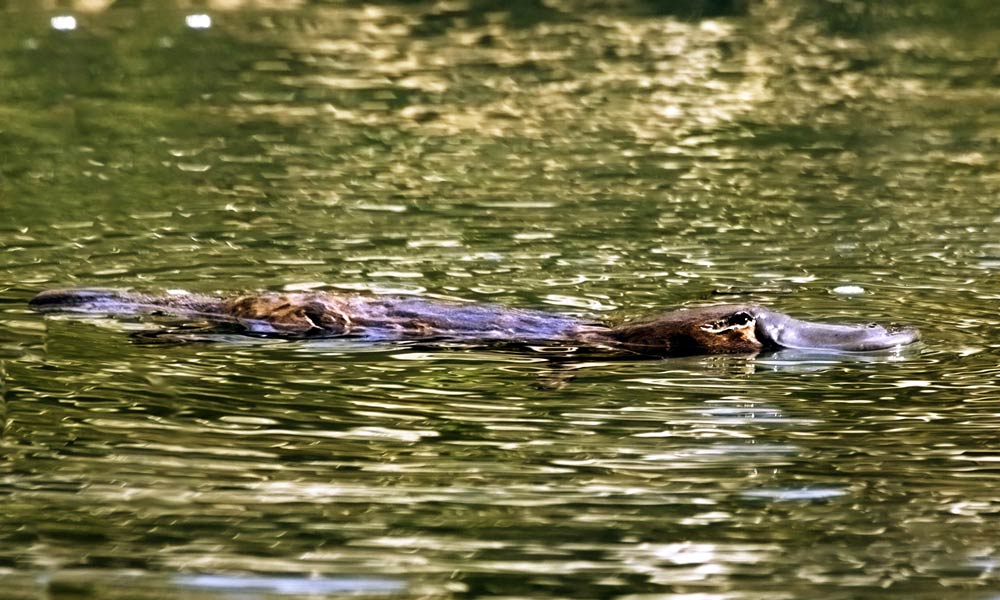
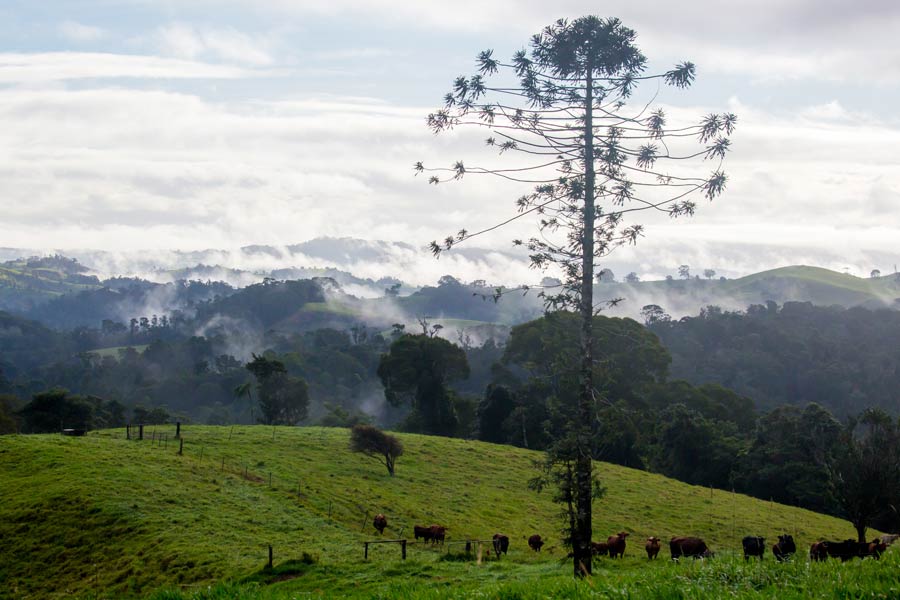
- Discover the remarkable biodiversity of the Atherton Tablelands, home to endemic birds, ancient rainforest, volcanic lakes, the iconic Curtain Fig Tree, and elusive mammals including platypuses and tree-kangaroos.
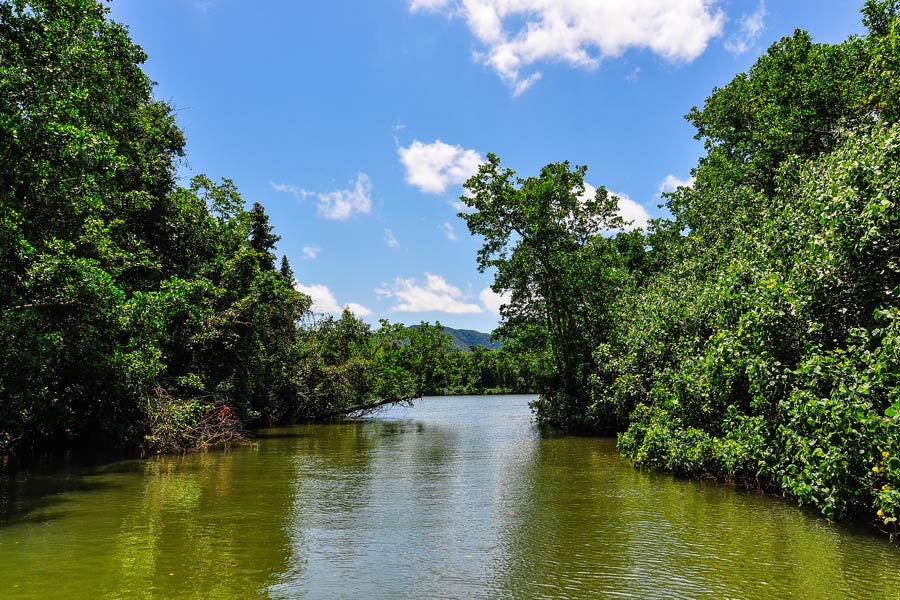
- Cruise quietly along the Daintree River aboard a solar-powered boat in search of crocodiles, birds, and other wildlife while minimizing your environmental impact.
Meet your host
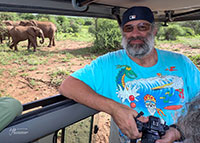 Eric J. Simon
, Ph.D., is a Senior Professor in the Department of Biology and Health Science at New England College, in Henniker, New Hampshire. Dr. Simon has led over a dozen international trips to learn about biology and culture to such destinations as Belize, Patagonia, Galapagos, Tanzania, the Amazon, and Cuba. As a biology author, Dr. Simon has over 2 million books in print, translated into 7 languages, and used in over 40 countries.
$19,450
Per person
About this price
Land cost only. Does not include round-trip airfare to and from destination.
(Single Supplement excludes Discovery Resorts - Lake Kununurra)
What makes us different

Rich content

Wildlife up-close

Cultural immersion

Local cuisine

Cultural Discovery

Expert guides
Daily Itinerary
Print ItineraryPort Douglas
Port Douglas
Port Douglas
Malanda
Cairns
Darwin
Kununurra
Kununurra
Kununurra
Perth
Depart
Pricing
Print Pricing$19,450
Per person
About this price
Land cost only. Does not include round-trip airfare to and from destination.
(Single Supplement excludes Discovery Resorts - Lake Kununurra)
What's Included
- Activities and meals as mentioned in itinerary
- Full time guide for the duration of your program
- Private transportation and driver for the duration of the program
- Internal flights relevant to itinerary
- Arrival and departure transfers based on individual flight schedules
- Gratuities for all guides, drivers, meals and porters
- Non alcoholic beverage with meals
- Carbon Offset
What's Not Included
- International airfare
- Travel Insurance
- Items of personal nature
Pricing Details
A deposit of $2000 per person is required to reserve your place on the program. Reservations received after the final payment deadline of February 28, 2028 must be accompanied by full payment. Should you need to cancel your reservation, the following per person fees will apply: 445 days (April 24, 2027) or more days before departure: $500 cancellation fee; remaining balance is refunded. 444 - 136 days (April 25, 2027 - February 27, 2028) before departure: full deposit of $2000 is forfeited. 135 - 0 days (February 28 - July 12, 2028) before departure: 100% of program price is forfeited. In most cases, any applicable refunds will be issued to the original form of payment.
Holbrook Travel strongly recommends the purchase of travel protection for medical emergencies while traveling and to protect your investment. Please note the purchase of Cancel for Any Reason Coverage or to exclude pre-existing conditions with Trip Cancellation coverage may require policy purchase within 10-14 days of your initial deposit, depending upon the provider.
Final payment due date: February 28, 2028
Travel Info
Print Travel InfoEntry & Exit Requirements
U.S. citizens must have a valid passport with at least one blank page to enter Australia. Passports must be valid for at least the duration of your stay. As this requirement is subject to change at any time without notice, we recommend at least 6 months' validity.
A visa is re¬quired for entry into Australia. Most U.S. passport holders can obtain an electronic label-free visa known as the Electronic Travel Authority (ETA) for approximately USD $15. You must have your passport, email address and a valid credit card to complete the online application. For more details, visit https://www.eta.homeaffairs.gov.au/ETAS3/etas.
If you are not traveling with a U.S. passport, please check with the Australian Embassy for the requirements based on your nationality.
Health Information
Immunizations
The Centers for Disease Control recommends that all travelers be up to date on routine vaccinations such as measles-mumps-rubella (MMR) vaccine, diphtheria-pertussis-tetanus vaccine, varicella (chicken pox) vaccine, and your yearly flu shot before every trip.
There are no vaccinations required for entry into Australia, unless you are traveling from a country where yellow fever transmission is a risk (including transit longer than 12 hours in an airport located in a country with risk of yellow fever), in which case proof of yellow fever vaccination is required.
The CDC recommends vaccination against hepatitis B for most unvaccinated travelers to Australia.
Please consult your physician for additional information and recommendations based on your individual circumstances.
Insect-borne Illnesses
Dengue fever, Ross River virus disease, and other insect-borne illnesses have been reported in Australia. Travelers to Australia should protect themselves against mosquitos and other biting insects: Cover exposed skin with lightweight, long-sleeved shirts and pants, consider treating clothes with permethrin, and use an insect repellent containing an active ingredient like DEET or picaridin. Apply sunscreen first, followed by the repellent (preferably 20 minutes later).
After spending time outdoors, especially in grassy or wooded areas, it is recommended to shower and conduct a full-body check for ticks. If you find a tick attached to your skin, safely remove it as soon as possible.
Sun Exposure & Heat Exhaustion
The effects of the sun can be damaging to the eyes and skin, and the sun can be particularly harsh in Australia. Spending time outdoors exposes you to the sun’s harmful ultraviolet (UV) rays, even on cloudy days. To protect yourself from the sun, use a broad spectrum sunscreen of at least SPF 15, protect skin with clothing, and wear a wide-brimmed hat and sunglasses. In areas of high temperatures, be sure to drink sufficient water and maintain adequate salt intake.
Wildlife
Follow all instructions from your guides regarding wildlife. Animals may attack to protect themselves, their young or their mates, or to guard a food supply. Do not make sudden movements either toward or away from them, as this may be interpreted as aggressive or territorial. Avoid approaching or remaining near wildlife, including birds, within any distance that disturbs or displaces the animal. If any wild animal changes its behavior due to your presence, you are too close.
Be aware that Australia is home to a number of venomous snakes. Snakes are not naturally aggressive and will typically only bite humans if hurt or provoked. If you encounter a snake, leave it alone and give it space to retreat; never attempt to capture or kill a snake. Venomous spiders are also found throughout Australia and should be avoided.
In the north, saltwater crocodiles are found in estuaries, rivers, creeks and sometimes even further inland. Do not swim in waters posted with crocodile warning signs. If you’re uncertain, ask your guide before going in the water. Also found on the northern coast is the box jellyfish, which has venomous tentacles up to 9 feet in length. This jellyfish is most prevalent during the months of October through April, though they can be present at any time. Remain vigilant when swimming in the ocean and follow all instructions from your guide.
Respiratory Illness Protocols
Please review our Respiratory Illness Protocols page, which explains our policy and procedures if you or another traveler should develop symptoms of a respiratory illness during your trip. Your participation in a Holbrook Travel program indicates that you are in agreement with these protocols.
Resources
Print ResourcesPacking Recommendations
Everyone has personal preferences when it comes to packing; for this reason, the information below is offered as a general guide and not a definitive list. You know yourself best: Use your discretion and pack what you think will serve you, based on your personal preferences and specific itinerary.
You may find many of the items below in the New Headings Gear Store. Use code HolbrookGuest10 for a 10% discount on your purchase.
CLOTHING
Casual, comfortable clothing is suitable for most activities. You may wish to bring a slightly nicer outfit or two if your itinerary includes dinners out or more formal activities.
Bring enough clothing suitable for the length of your program. If you prefer to pack light, note that many hotels offer laundry services at additional cost. Pack clothing that can be worn in layers to adapt to weather changes throughout the day. Clothing that wicks away moisture and dries quickly is recommended.
The climate is generally pleasant without extremes in temperatures. Broadly speaking, there are two climatic zones: the tropical zone above the Tropic of Capricorn, and the temperate zone. Keep in mind Australia’s seasons are the opposite to those of the Northern Hemisphere. July is typically the dry season across northern Australia, with warm to hot days, strong sun, and generally milder mornings and evenings. Sun protection is very important, as UV levels are high in Australia.
- A combination of short-sleeved and lightweight, long-sleeved shirts for sun and insect protection
- Shorts and/or skirts
- Long pants, trousers, jeans, and/or lightweight, quick-drying long pants for sun and insect protection
- A long-sleeved UV-protective swim shirt or rash guard
- Undergarments
- Sleepwear
- A lightweight waterproof or windproof jacket and light fleece
- Jacket or sweater/sweatshirt
- 1-2 bathing suit(s)
- Socks – Bring extra pairs.
- Shoes – Consider your specific itinerary when choosing footwear. For most programs, you’ll likely want at least one pair of comfortable, closed-toe walking or hiking shoes or boots suitable for forest hikes and walking over other uneven terrain. Sturdier hiking boots may be appropriate for more active itineraries. In addition, many participants opt for a pair of sturdy sport-strap sandals (e.g. Keens, Tevas, or similar) and/or casual flip-flops or sandals. You may also want a pair of aqua socks, reef walkers, or water shoes for the beach or on the Great Barrier Reef.
- Visor or wide-brimmed sun hat
- Bandana, scarf, or neck gaiter
Personal Toiletries
Pack toiletries based on your personal preferences and habits. Below are just a few recommendations to keep in mind.
- Shampoo, conditioner, soap, lotion, deodorant/antiperspirant , etc. – If possible, avoid strong fragrances if you are sensitive to insect bites (and to be considerate of you fellow travelers).
- Hairbrush, comb, hair ties, shower cap. Most—but not all—hotel rooms provide a hair dryer, but you may wish to bring one from home.
- Toothbrush and toothpaste
- Razor
- Ear plugs, especially if you are a light sleeper
- Personal hygiene products
- Insect repellent with DEET or picaridin (see note below about treating clothing with permethrin)
- Sunscreen and lip balm with SPF – If you’ll be in the ocean, we recommend reef-safe sunscreen.
- Aloe vera gel
- A travel pack of tissues
In addition to your personal toiletries, it is useful to pack a small medical kit, which you can easily prepare. Helpful items might include: bandages, antihistamine, a pain reliever, and motion sickness medication (if you are prone to it), anti-diarrhea medicine, individually wrapped pre-moistened towelettes and/or hand sanitizer, antibiotic ointment, anti-fungal cream, moleskin for blisters, eye drops, tweezers, a mini sewing kit, and an extra pair of disposable contact lenses or eyeglasses if you wear them.
Days before you leave home, you may wish to consider spraying any clothing, socks, and shoes that will be worn in lowland, tropical sites with permethrin, an anti-parasite medication, to repel irritating pests and prevent the spread of disease. A recommended brand is Sawyer. Carefully read all instructions before use. Please note permethrin is highly toxic to cats and fish, and some aerosol products may be harmful to birds. Side effects may include minor itching, burning, or redness. You may want to use a laundry marker to label and keep track of which socks are permethrinized. Only one application per item is necessary; permethrin on treated clothes remains effective through several washings. Permethrin should NOT be applied directly to skin.
Miscellaneous
Remember to pack valuables such as your passport, cash/credit cards, and medications in your carry-on luggage.
- Passport and photocopies of all travel documentation
- Personal insurance card and travel insurance information
- Money – ATM/credit card, and/or cash; small bills in good condition are recommended
- Prescription medicines (if applicable), with a copy of the prescription
- Yellow fever certificate (if required; only if arriving from a country where yellow fever transmission is a risk)
- Sunglasses with strap
- Certified solar-eclipse glasses
- Small day pack for hikes and excursions
- A small soft-sided overnight bag and possibly waterproof dry bag or phone pouch for the liveaboard
- Flashlight and/or head lamp
- A pocket calculator or phone to assist with conversions and currency exchange
- Binoculars with lens cleaner
- Camera and related equipment, such as charger, lenses, and extra memory cards – if visiting the Great Barrier Reef, you may also want an underwater camera
- Reusable water bottle
- Pocket-knife or multipurpose tool - Pack in your checked luggage
- Zip-top style bags – useful for packing toiletries, sorting clothing, storing damp or muddy shoes, or as a dry bag for protecting electronics
- Notepad or travel journal and pen
- Music or reading material for down time, long bus drives, or on the airplane, and a portable bright light to read by
- Collapsible walking stick with rubber tip
- A small quantity of laundry detergent if you’ll be washing clothing by hand
- Money belt
- Voltage converter, plug adapter (A Type I Australian plug adapter; Australia uses a 230V supply, so travelers should check whether their appliances are dual-voltage) and chargers for electronics
Questions?
Contact Lisa Palmese-Graubard at 800-451-7111 x339 or lisa@holbrooktravel.com.
Want to subscribe to the Holbrook Explorer?

Environmentally Friendly Projects for a "Greener" Backyard
Galleries: 2025's Best Travel & Nature Photography From Around the Web
