Madagascar | Photographing Endemic Wildlife, Iconic Scenery, and Ancient Baobabs
Date:
Activity Level:
Duration:
Price:
Interests:
About this trip
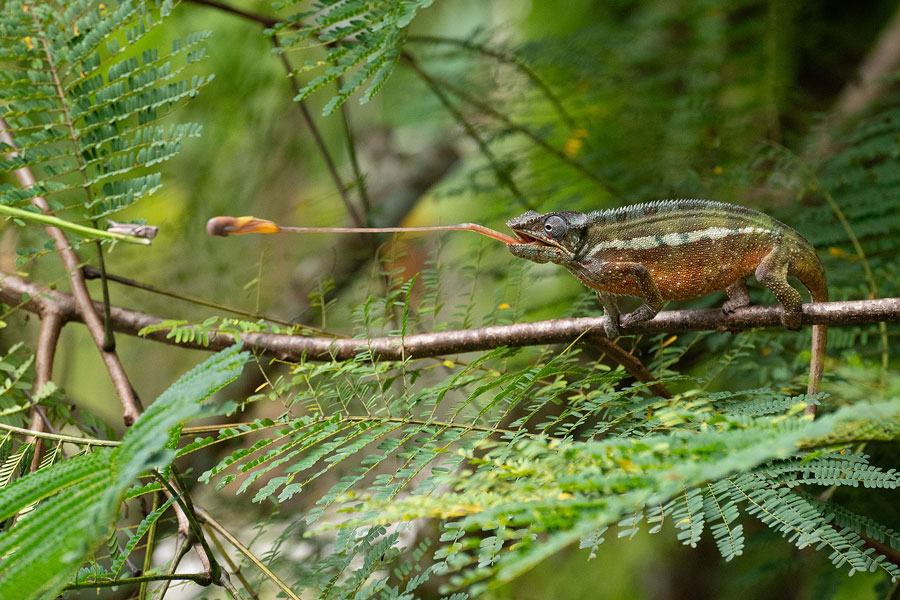
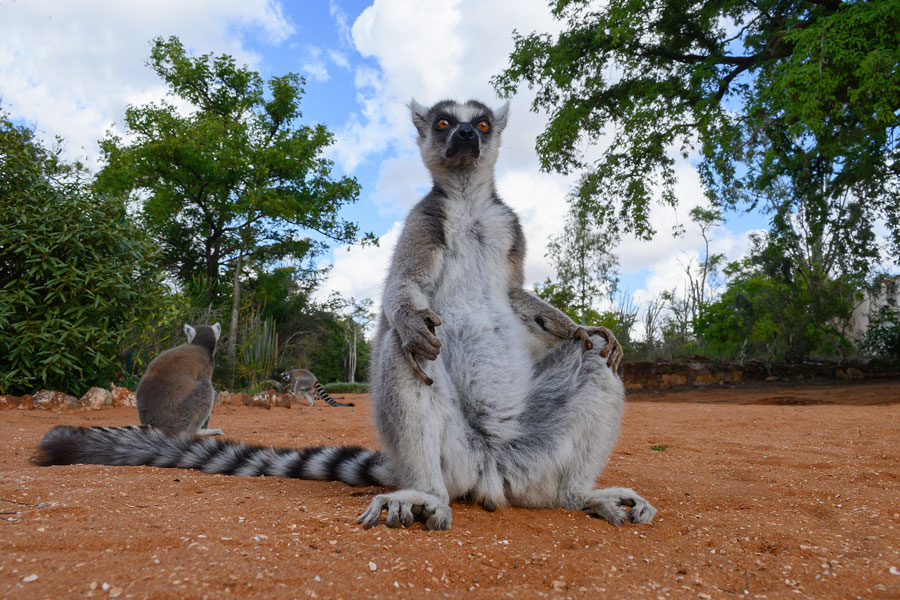
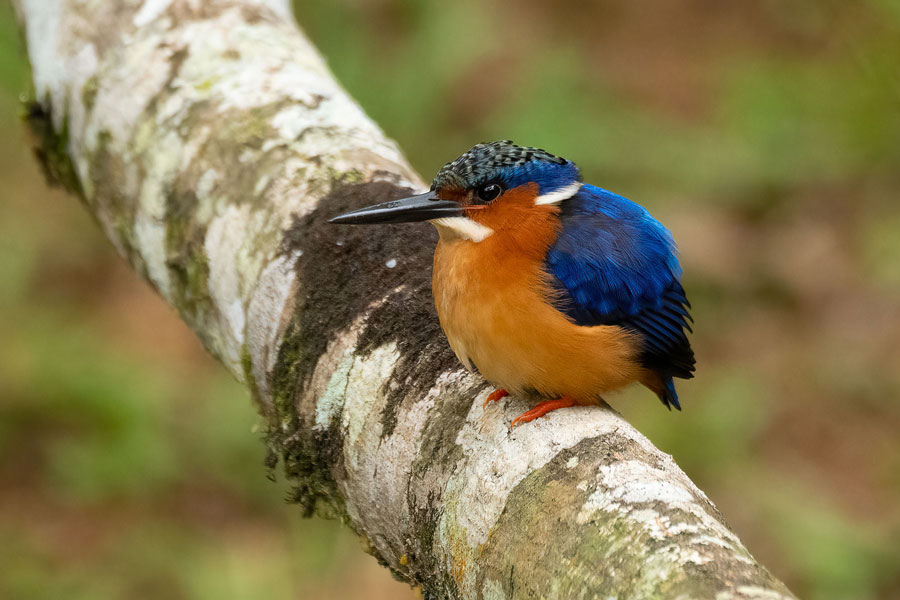
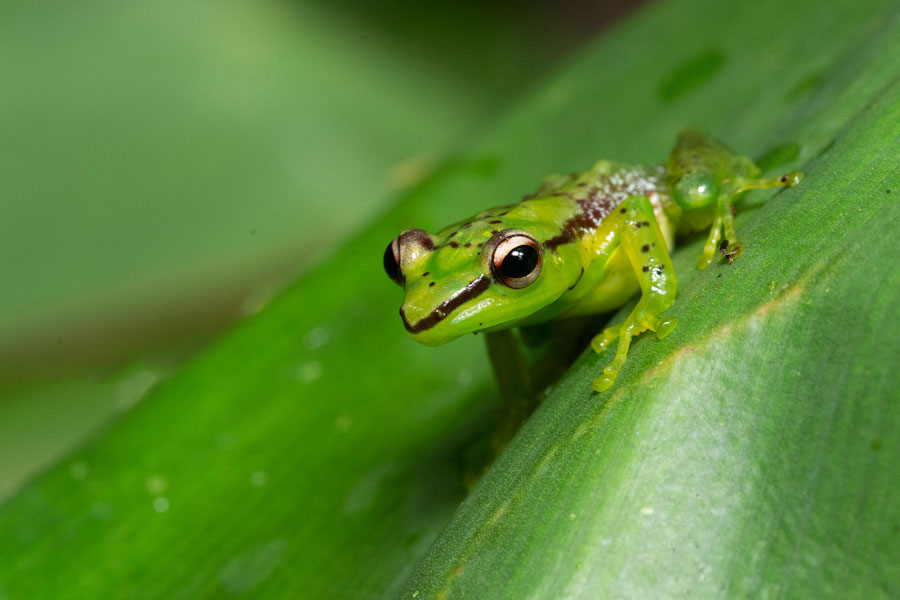
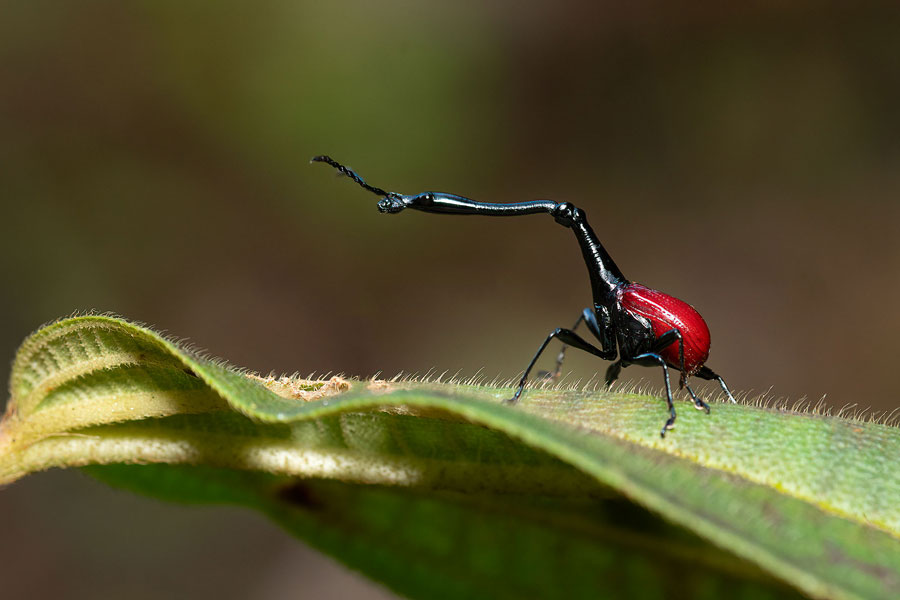
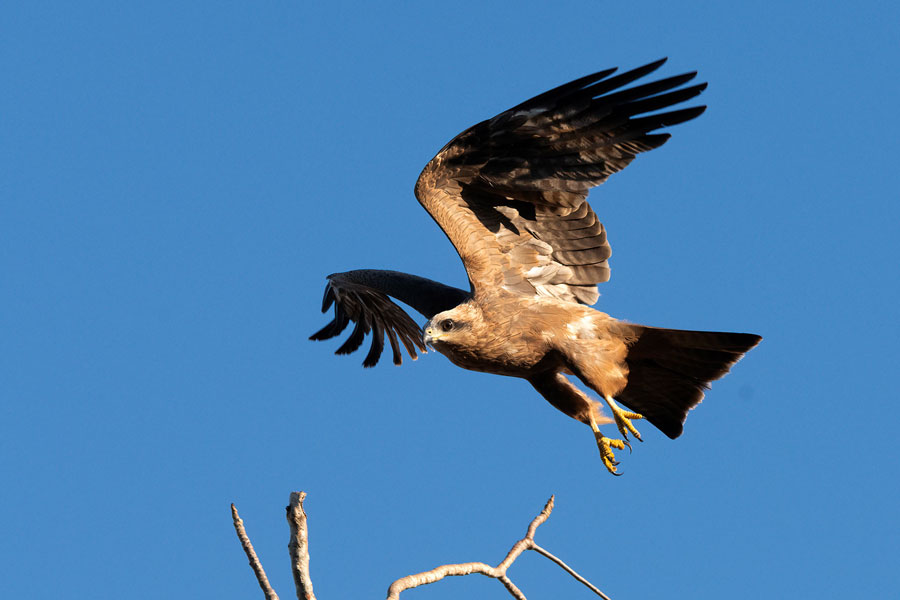
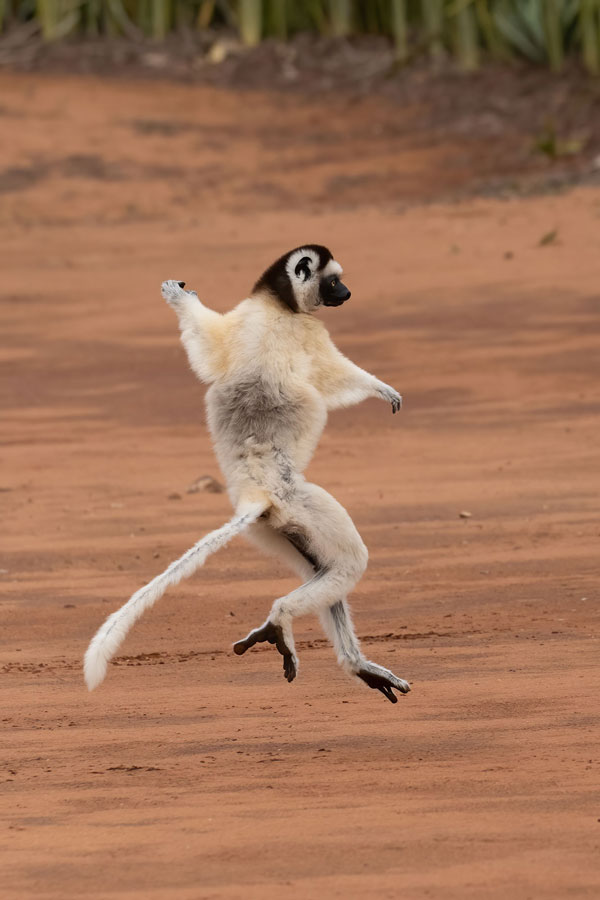
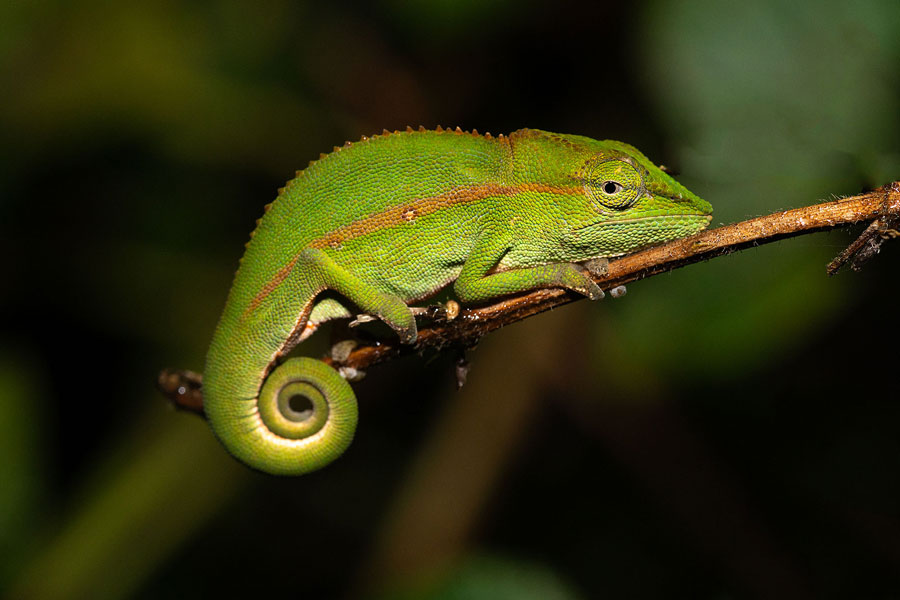
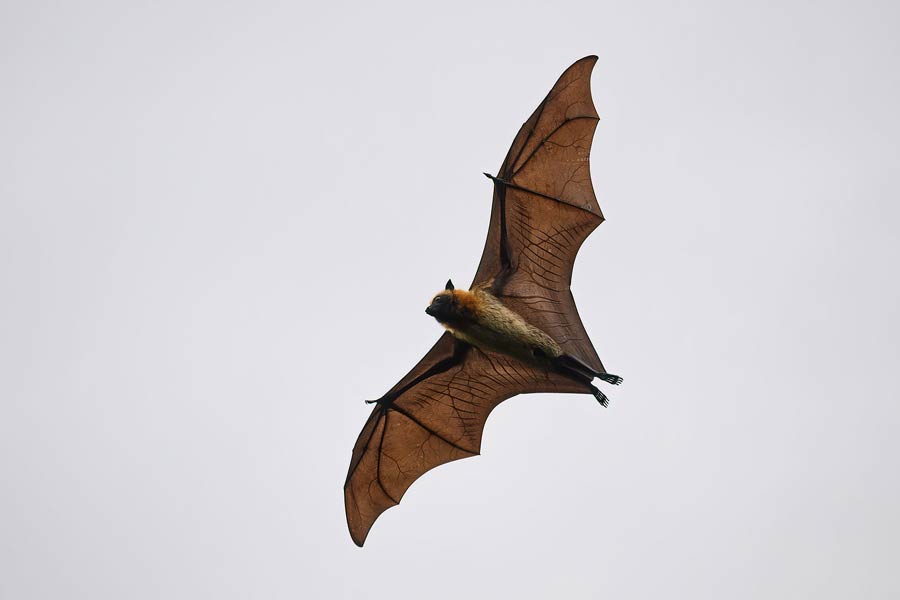
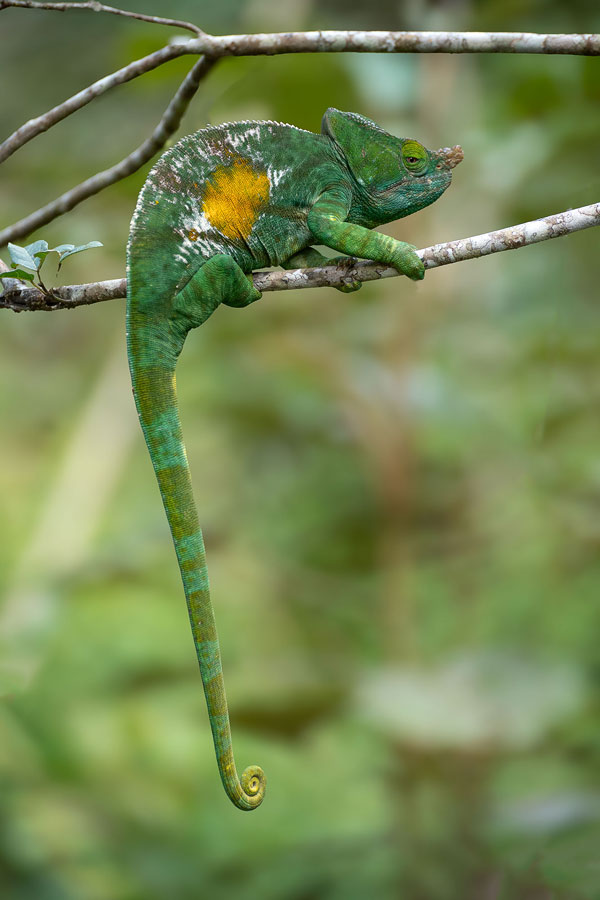
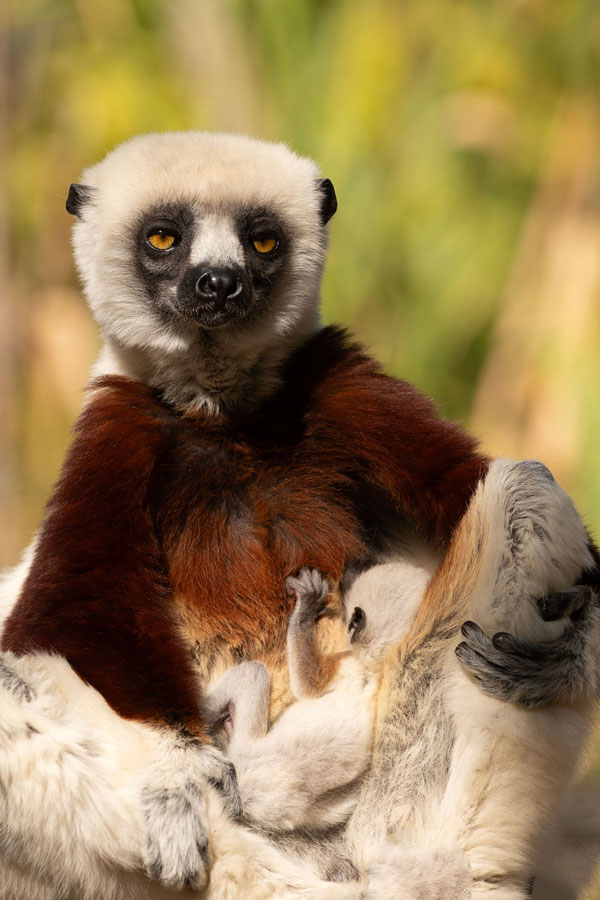
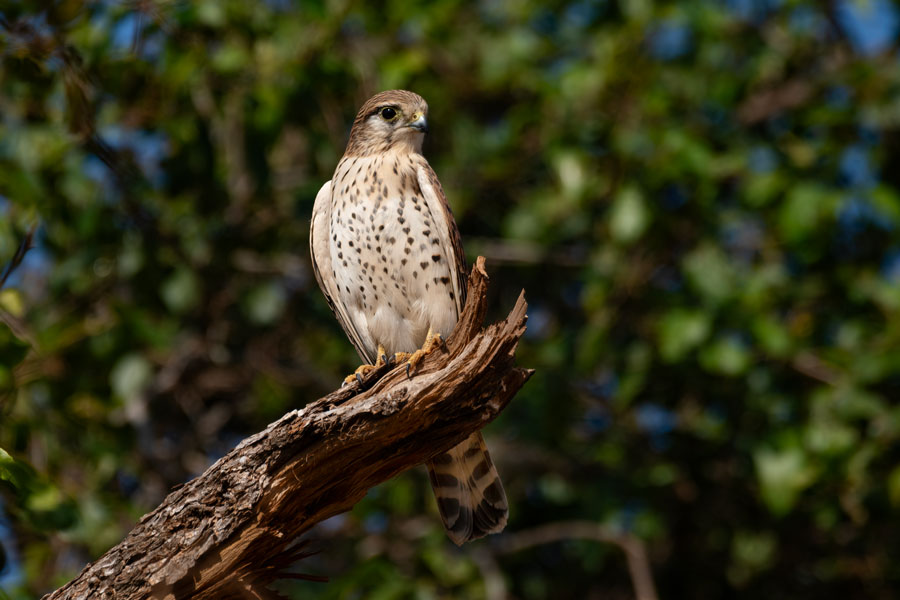
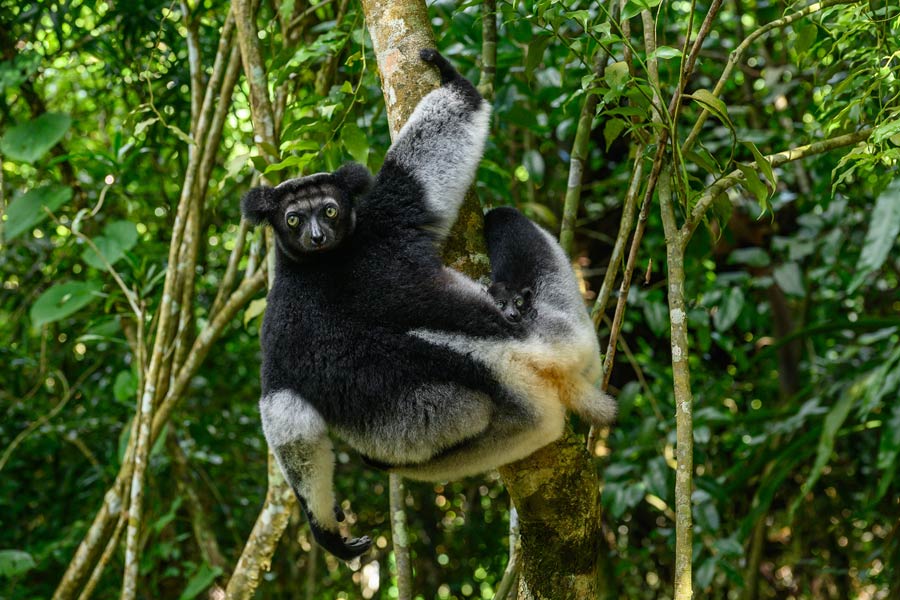
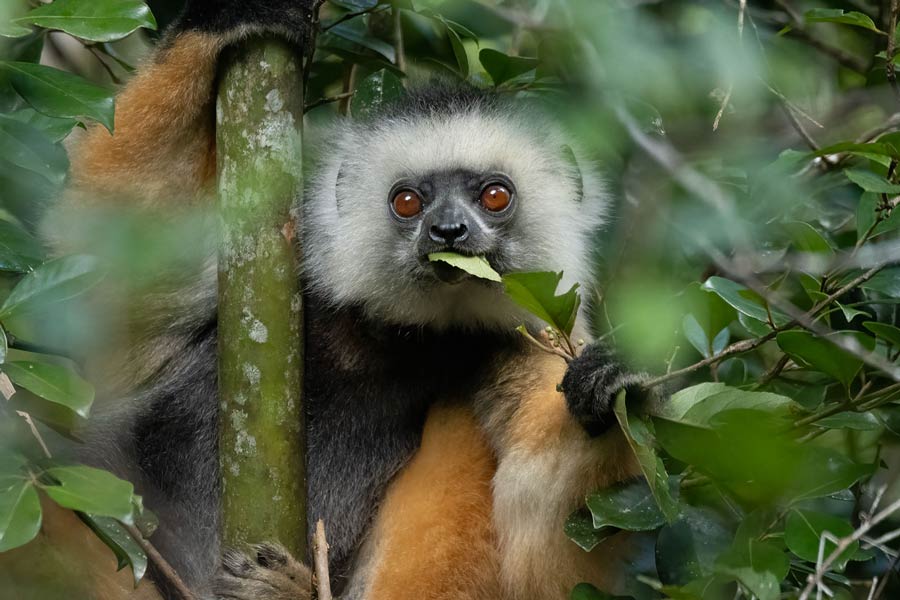
 Madagascar is home to a variety of unique environments, filled with beautiful endemic flora and fauna. Join Reinier Munguía of Wildstock Photography to explore this island nation and have the opportunity to experience incredible locations for day and night photography. Enjoy your days seeking out the perfect shot of one of the 111 species of lemurs, more than 200 species of birds, plentiful frogs and chameleons, delicate orchids, and rare palms. Spend your nights searching for bats, the elusive fossa, the tiny mouse lemur, and other nocturnal animals to add to your portfolio. Make the most of your visits to national parks, private reserves, traditional villages, and the capital of Antananarivo for exciting photographic opportunities at every turn during this journey across one of the world’s most unique biodiversity hotspots.
Highlights
- Photograph Madagascar’s one-of-a-kind endemic wildlife, such as the verreaux’s sifaka, ring-tailed lemur, indri, fossa, chameleons, bats, birds, insects, and much more.
- Experience the culture of a local fishing town and photograph its colorful fishing pirogues and beautiful shoreline.
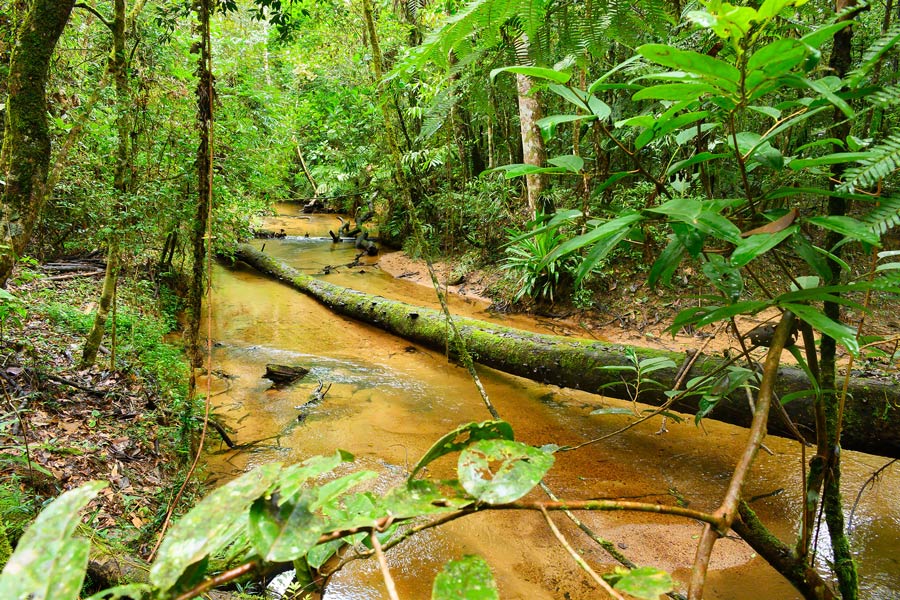
- Venture into the breathtaking and diverse landscapes of the renowned Tsarasaotra Park, Andasibe-Mantadia National Park, Kirindy Private Reserve, VOIMMA Community Reserve, and Mitsinjo Park (Analamazaotra Forest Station).
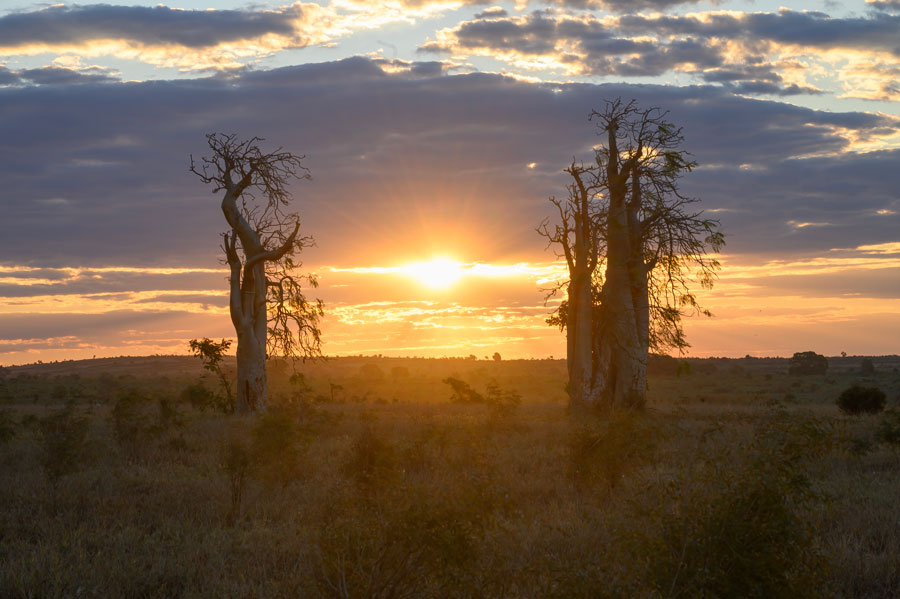
- Marvel at the stunning views of the iconic Avenue of the Baobabs and capture images of its unique 100-foot-tall trees.
- Visit Lemur Island in Vakona Private Reserve, a sanctuary where you can photograph and interact from a respectful distance with lemurs rescued from the pet trade.
Meet your host
 Reinier Munguía
 is a commercial and nature photographer with a strong education and conservation vision. His work has appeared in several publications including textbooks and magazines. His passion for nature has taken him to become an advocate for causes related to the protection of species. Educating people about nature has become his most important goal. Reinier has also taken on the role of vice-president of education for the Lake Region Audubon, where he has been doing multiple presentations as well as leading conservation and outreach programs. Over the years he has presented at large nature and photography events such as the Space Coast Birding Festival, The Big “O” and the First Coast Nature & Photo Fest among others. Wanting to explore more of the natural world has led Reinier to lead photography and birding trips though the United States, as well as other destinations including Costa Rica, Ecuador and Puerto Rico. As the President and teacher of the Polk County Camera Club, he has been educating amateur photographers not only in the proper use of their equipment but also in the ability to self-evaluate their work.
Activity Level 3: Moderate
Participants should be able to ascend or descend 60 stairs consecutively, plus walk for at least 3 hours over some steep slopes, uneven, and potentially slippery surfaces without difficulty. Physical activities typically last for 3 or more hours at a time.
$7,499
Per person
About this price
Land cost only. Does not include round-trip airfare to and from destination.
Single room supplement $865
What makes us different

Rich content

Carbon offsetting

Wildlife up-close

Service anytime

We know what photographers need

Support local communities
Daily Itinerary
Print ItineraryUS Departure
Antananarivo
Antananarivo
Morondava
Morondava
Kirindy Private Reserve
Kirindy Private Reserve
Kirindy Private Reserve
Kirindy Private Reserve
Morondava
Antananarivo
Andasibe
Andasibe
Andasibe
Antananarivo
Departure
Arrive in US
Pricing
Print Pricing$7,499
Per person
About this price
Land cost only. Does not include round-trip airfare to and from destination.
Single room supplement $865
What's Included
- Activities and meals as mentioned in itinerary
- Full time guide for the duration of your program
- Private transportation and driver for the duration of the program
- Arrival and departure transfers based on individual flight schedules
- Internal flights relevant to itinerary
- Gratuities for all guides, drivers, meals and porters
- Non alcoholic beverage with meals
- Water refill station during transfers
- Carbon Offset
What's Not Included
- International airfare
- Gratuities for housekeeping
- Alcoholic drinks
- Items of personal nature
- Travel Insurance
- Visa fees
Pricing Details
A $600 per person deposit and enrollment form is due to hold your space on this trip. The deposit is refundable less $100 cancellation fee until 95 days prior to departure. Cancellations after this date will result in loss of full deposit.
Cancellations after this date will result in loss of full deposit.
Holbrook Travel strongly recommends the purchase of travel protection for medical emergencies while traveling and to protect your investment. Please note the purchase of Cancel for Any Reason Coverage or to exclude pre-existing conditions with Trip Cancellation coverage may require policy purchase within 10-14 days of your initial deposit, depending upon the provider.
Single room supplement $865
Final payment due date: March 23, 2027
Travel Info
Print Travel InfoEntry & Exit Requirements
U.S. citizens must have a passport with at least three blank pages to enter Madagascar. Passports must be valid for at least six months beyond your date of arrival.
A tourist visa is also required for entry and may be obtained upon arrival at the airport. The cost is USD $35 for stays of 14 days or fewer and USD $41 for stays of 15 to 30 days, payable by credit card (Visa or Mastercard); cash is not accepted.
(An e-visa service is also available online at www.evisamadagascar.com. However, at this time we do not recommend using this service, as the process can be lengthy and offers no advantages upon arrival.)
If you are not traveling with a U.S. passport, please be sure to check with the Madagascan Embassy for requirements based on your nationality.
Health Information
IMMUNIZATIONS
The Centers for Disease Control recommends that all travelers be up to date on routine vaccinations such as measles-mumps-rubella (MMR) vaccine, diphtheria-pertussis-tetanus vaccine, varicella (chicken pox) vaccine, polio vaccine, and your yearly flu shot before every trip.
There are no vaccinations required for entry into Madagascar unless you are arriving from a country where yellow fever transmission is a risk (including transiting 12 or more hours through the airport of a country where yellow fever is a risk).
The CDC recommends hepatitis A, hepatitis B, and typhoid vaccines for most travelers visiting Madagascar. The CDC also recommends a single lifetime booster dose of polio vaccine for adults who previously completed the full, routine polio vaccine series.
Please consult your physician for additional information and recommendations based on your individual circumstances.
MALARIA
The CDC warns that travelers to Madagascar may be at risk for exposure to malaria. Malaria is caused by a parasite found in Anopheles mosquitos, which are active from dusk until dawn. Prevention is twofold: the use of anti-malarial drugs and the prevention of insect bites. If you choose to use an anti-malarial drug, as recommended by the CDC, see your physician for a prescription.
To protect against mosquitos, the CDC recommends that you cover exposed skin with lightweight, long-sleeved shirts and pants, consider treating clothes with permethrin, and use an insect repellent containing an EPA-registered active ingredient like DEET, picaridin, or oil of lemon eucalyptus (OLE). Apply sunscreen first, followed by the repellent, ideally 20 minutes later.
Be careful when applying products containing DEET, as it can damage or dissolve certain synthetic fabrics as well as plastic, rubber, vinyl, or elastic materials, such as those used in camera equipment, binoculars, phone cases, sunglasses, or watches. Additionally, some research suggests that when DEET and picaridin enter local waterways, they can be harmful to amphibians and other wildlife. When selecting a repellent, it is ultimately up to each traveler to weigh the risks and benefits of different options, keeping in mind both environmental factors and the importance of protecting against illness.
OTHER INSECT-BORNE ILLNESSES
In addition to malaria, the CDC warns that travelers may be at risk for several insect-borne illnesses carried by mosquitos, ticks, and fleas, such as dengue fever, chikungunya, African tick-bite fever, and others.
The CDC recommends that travelers to Madagascar protect themselves against insect bites using the measures noted above. After spending time outdoors in grassy or wooded areas, the CDC recommends showering and conducting a full-body check for ticks. If you find a tick attached to your skin, safely remove it as soon as possible.
SUN EXPOSURE
The effects of the sun can be damaging to the eyes and skin. Spending time outdoors exposes you to the sun’s harmful ultraviolet (UV) rays, even on cloudy days. To protect yourself from the sun, use a broad spectrum sunscreen of at least SPF 15, protect skin with clothing, wear a wide-brimmed hat and sunglasses, and drink plenty of fluids.
Respiratory Illness Protocols
Please review our Respiratory Illness Protocols page, which explains our policy and procedures if you or another traveler should develop symptoms of a respiratory illness during your trip. Your participation in a Holbrook Travel program indicates that you are in agreement with these protocols.
Resources
Print ResourcesPacking Recommendations
Everyone has personal preferences when it comes to packing; for this reason, the information below is offered as a general guide and not a definitive list. You know yourself best: Use your discretion and pack what you think will serve you, based on your personal preferences and specific itinerary.
You may find many of the items below in the New Headings Gear Store. Use code HolbrookGuest10 for a 10% discount on your purchase.
CLOTHING
Bring enough clothing suitable for the length of your program. If you prefer to pack light, note that many hotels offer laundry services (at additional cost). If you plan to hand-wash items, remember that humidity may delay drying time.
Pack clothing that can be worn in layers to adapt to weather changes throughout the day. Clothing that wicks away moisture and dries quickly is recommended.
- A combination of short-sleeved and lightweight, long-sleeved shirts for sun and insect protection
- Shorts
- A combination of lightweight, quick-drying long pants for sun and insect protection and medium-weight long pants for the cooler highlands
- Undergarments
- Sleepwear
- Lightweight jacket or sweater/sweatshirt (or heavier weight if visiting high-elevation areas)
- 1-2 bathing suit(s) for the beach, if applicable, plus many hotels have pools
- Socks – Bring extra pairs.
- Shoes – Consider your specific itinerary when choosing footwear. For most programs, you’ll likely want at least one pair of comfortable, closed-toe walking or hiking shoes suitable for forest hikes and walking over cobblestones or other uneven terrain. Sturdier hiking boots may be appropriate for more rugged itineraries. In addition, many participants opt for a pair of sturdy sport-strap sandals (e.g. Keens, Tevas, or similar) and/or casual flip-flops or sandals. If you’re visiting the beach, you may also want a pair of aqua socks, reef walkers, or water shoes.
- Lightweight rain jacket, hooded poncho, and/or windbreaker; the rainy season is typically November to April, but it can rain at any time
- Visor or wide-brimmed sun hat
- Bandana, scarf, or neck gaiter
Personal Toiletries
Pack toiletries based on your personal preferences and habits.
- Shampoo, conditioner, lotion, deodorant/antiperspirant , etc. – If possible, avoid strong fragrances if you are sensitive to insect bites and to be considerate of your fellow travelers.
- Soap and washcloth or a small, quick-drying microfiber towel – Washcloths are not standard in all hotels. If you normally use a washcloth, you may wish to bring one from home.
- Hairbrush, comb, hair ties, shower cap
- Toothbrush and toothpaste
- Razor
- Ear plugs, especially if you are a light sleeper
- Personal hygiene products
- Insect repellent with DEET or picaridin (see note below about treating clothing with permethrin)
- Sunscreen and lip balm with SPF – If you’ll be in the ocean, we strongly urge reef-safe sunscreen.
- Aloe vera gel
- A travel pack of tissues – also useful as napkins or toilet paper if needed
In addition to your personal toiletries, it is useful to pack a small medical kit, which you can easily prepare. Helpful items might include: bandages, antihistamine, a pain reliever, motion sickness and/or altitude sickness medication (if you are prone to either), anti-diarrhea medicine, individually wrapped pre-moistened towelettes and/or hand sanitizer, antibiotic ointment, anti-fungal cream, moleskin for blisters, eye drops, tweezers, a mini sewing kit, and an extra pair of disposable contact lenses or eyeglasses if you wear them.
Days before you leave home, you may wish to consider spraying any clothing, socks, and shoes that will be worn in lowland, tropical sites with permethrin, an anti-parasite medication, to repel irritating pests and prevent the spread of disease. A recommended brand is Sawyer. Carefully read all instructions before use. Please note permethrin is highly toxic to cats and fish, and some aerosol products may be harmful to birds. Side effects may include minor itching, burning, or redness. You may want to use a laundry marker to label and keep track of which socks are permethrinized. Only one application per item is necessary; permethrin on treated clothes remains effective through several washings. Permethrin should NOT be applied directly to skin.
Miscellaneous
Remember to pack valuables such as your passport, cash/credit cards, and medications in your carry-on luggage.
- Passport and photocopies of all travel documentation
- Personal insurance card and travel insurance information
- Money – ATM/credit card, traveler's checks, and/or cash; small bills in good condition are recommended
- Prescription medicines (if applicable), with a copy of the prescription
- Yellow fever certificate (if required; only if traveling from a country where yellow fever transmission is a risk)
- Sunglasses with strap
- Small day pack for hikes and excursions
- Flashlight and/or head lamp
- Travel alarm clock or inexpensive waterproof wristwatch with alarm – Not all hotels provide alarm clocks.
- A pocket calculator or phone to assist with conversions and currency exchange
- Binoculars with lens cleaner
- Reusable water bottle
- Non-perishable snacks
- Pocket-knife or multipurpose tool - Pack in your checked luggage
- Zip-top style bags – useful for packing toiletries, sorting clothing, storing damp or muddy shoes, or as a dry bag for protecting electronics
- Notepad or travel journal and pen
- Music or reading material for down time, long bus drives, or on the airplane, and a portable bright light to read by
- Collapsible walking stick with rubber tip
- A small quantity of laundry detergent if you’ll be washing clothing by hand
- Money belt
- Voltage converter and plug adapter
- Chargers for electronics

Questions?
Contact Reinier Munguia at rmung@wildstockphotos.com or Sandy Schmidt at schmidt@holbrooktravel.com or 877-907-5360.
Want to subscribe to the Holbrook Explorer?
Back from the Field: Kenya Trip Report with Reinier Munguia
Photo Tips From Our Travel Community
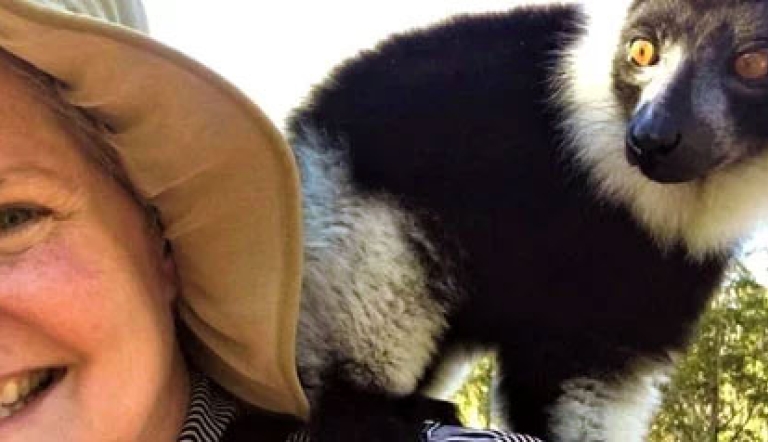
Madagascar: A Photo Essay by Sandy Doss
Alaska Up Close | Prince William Sound to the Kenai Peninsula

Panama | A Taste of Panama: Canal, Rainforest, and Culture