Galapagos and Peru | Mysteries of Machu Picchu and the Enchanting Galapagos

About this trip
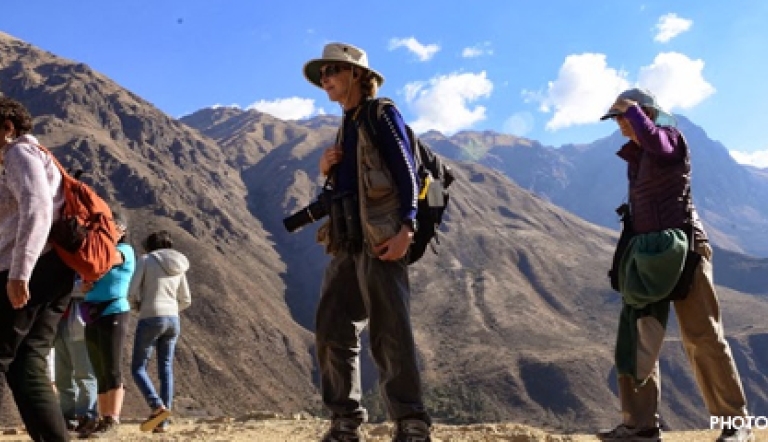
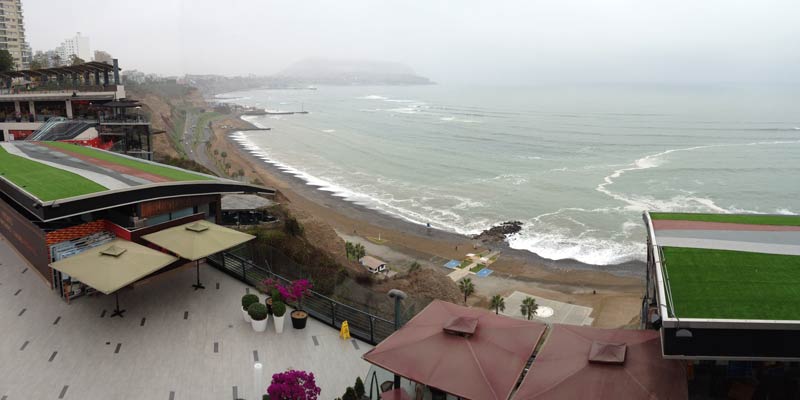
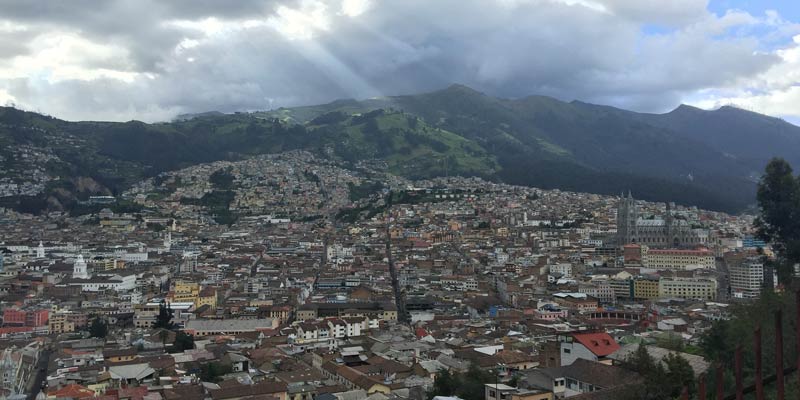
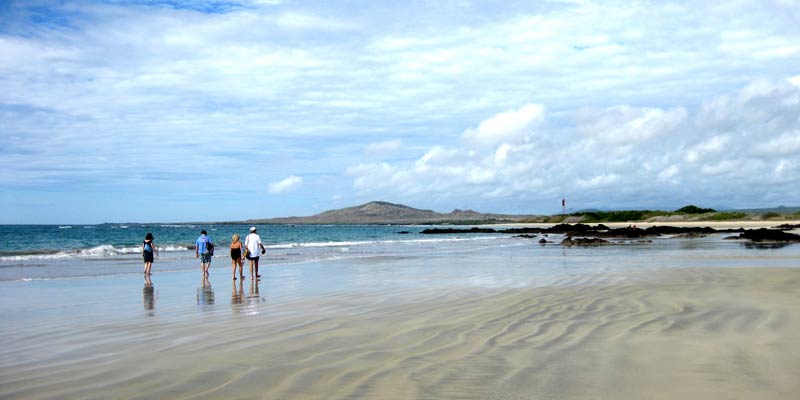
Get ready for the trip of a lifetime! This exciting itinerary combines two destinations at the top of every traveler’s list: Machu Picchu and the Galápagos Islands. Begin your 15-day adventure exploring the highlights of Peru, including the archaeological site of Ollantaytambo, the salt mines of Maras, the agricultural terraces at Moray, the colonial buildings of Cusco and Lima, and of course, Machu Picchu. Continue your journey with a 4-night stay on the Galápagos archipelago’s largest island, Isabela, which is teeming with a variety of wildlife and stunning lagoons. Plus, you’ll have time to explore Quito, Ecuador’s capital and a UNESCO World Heritage Site.
Highlights
- Visit the Sacred Valley of the Incas and explore the mysterious ruins of Machu Picchu.
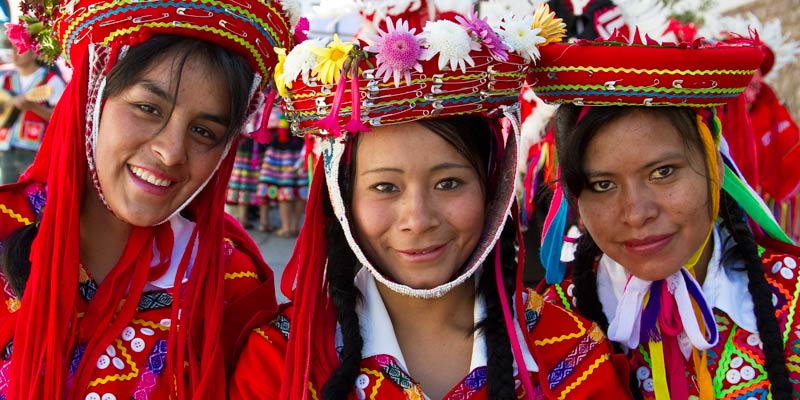
- Have a traditional lunch with members of a local family in the Sacred Valley, learn how to weave baskets from corn husks in Maras, and visit the community of Chincheros, famous for its colorful woven textiles.
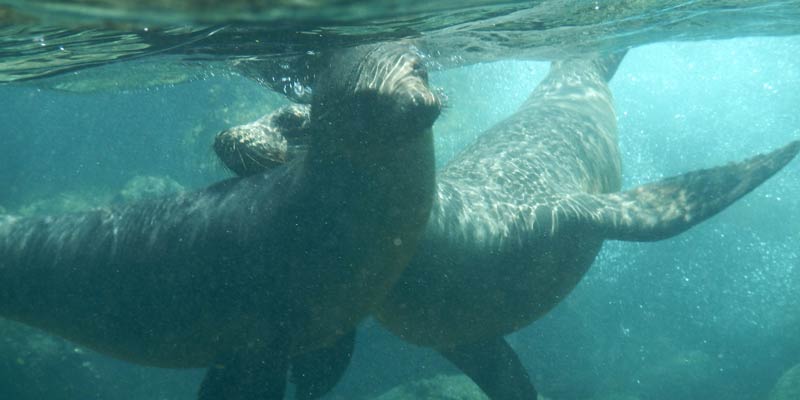
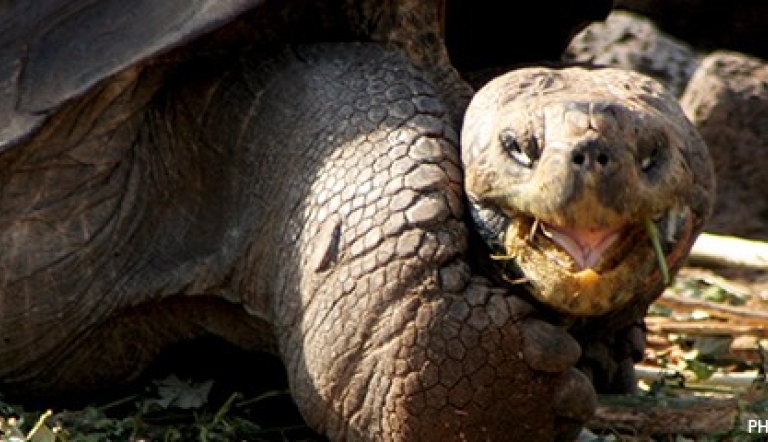
- View the iconic wildlife of the Galápagos, like sea lions, turtles, marine iguanas, and Galápagos Penguins.
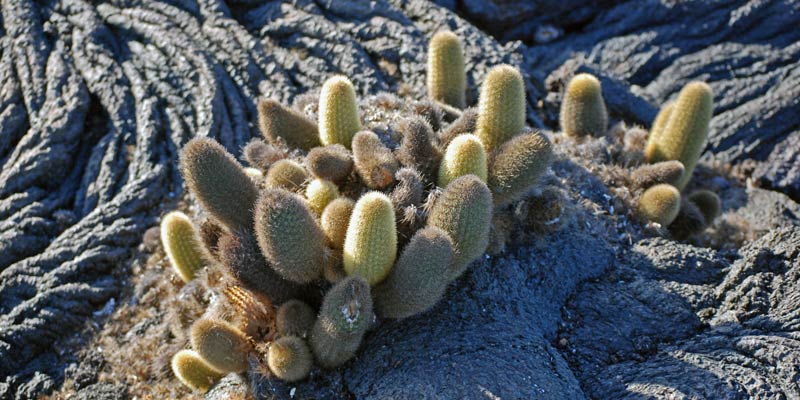
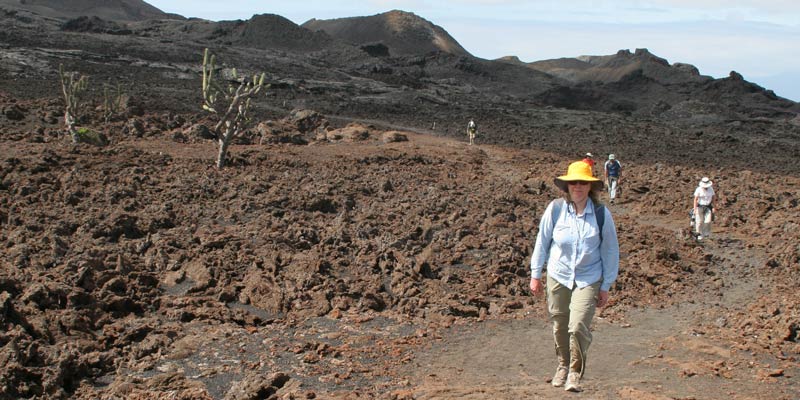
- Explore the fascinating geological features of Isabela Island by land and by sea, including natural pools and estuaries, lava flows, caves, Sierra Negra, and Chico Volcano.
Land Cost
$6,495 - Oct 1, 2021 - Dec 23, 2022
$6,545 - Jan 4 - Dec 23, 2023
Book 10 travelers and 1 group
leader travels for free
Land Cost
$5,995 - Oct 1, 2021 - Dec 23, 2022
$6,095 - Jan 4 - Dec 23, 2023
Book 15 travelers and 1 group
leader travels for free
What makes us different

Rich content

Carbon offsetting

Wildlife up-close

Service anytime

Cultural Discovery

Meaningful experiences
Daily Itinerary
Print ItineraryLima
Day 1Lima
Day 2Yucay
Day 3Yucay
Day 4Aguas Calientes
Day 5Cusco
Day 6Cusco
Day 7Quito
Day 8Quito
Day 9Isabela Island
Day 10Isabela Island
Day 11Isabela Island
Day 12Isabela Island
Day 13Quito
Day 14Depart
Day 15Pricing
Print PricingLand Cost
$6,495 - Oct 1, 2021 - Dec 23, 2022
$6,545 - Jan 4 - Dec 23, 2023
Book 10 travelers and 1 group
leader travels for free
Land Cost
$5,995 - Oct 1, 2021 - Dec 23, 2022
$6,095 - Jan 4 - Dec 23, 2023
Book 15 travelers and 1 group
leader travels for free
What's Included
- Activities and meals as mentioned in itinerary
- Carbon Offset
- Full time guide per region for the duration of your program
- Galapagos National Park fees
- INGALA card
- Internal flights relevant to itinerary
- Snorkel gear
What's Not Included
- International airfare
- Items of personal nature
- Tips
- Travel Insurance
Pricing Details
Rates are based on double occupancy for participants.
Prices are valid for travel from Oct 1, 2021 - Dec 23, 2022. Holiday surcharges may apply.
Travel Info
Print Travel InfoEntry & Exit Requirements
Peru
U.S. citizens must have a valid passport to enter Peru. Passports must be valid for at least six months after the date of departure. Tourists must provide evidence of return or onward travel.
For visits of fewer than 90 days, you will be issued a tourist card, called the Tarjeta Andina de Migración (TAM), upon arrival in Peru. It is important not to lose this document, as it can be time consuming and inconvenient to replace.
If you are not traveling with a U.S. passport, please check with the Embassy of Peru for the requirements based on your nationality.
Ecuador and Galápagos
U.S. citizens must have a valid passport to enter Ecuador. Passports must be valid for at least six months after the date of departure.
For visits fewer than 90 days, visas will be issued upon arrival in Ecuador. Tourists may be required to provide evidence of return or onwards travel.
If you are not traveling with a U.S. passport, please check with the Embassy of Ecuador for the requirements based on your nationality.
Health Information
IMMUNIZATIONS
The Centers for Disease Control recommends that all travelers be up to date on routine vaccinations such as measles-mumps-rubella (MMR) vaccine, diphtheria-pertussis-tetanus vaccine, varicella (chicken pox) vaccine, and your yearly flu shot before every trip.
There are no vaccinations required for entry into Peru or Ecuador, unless you are traveling from Brazil, Democratic Republic of the Congo, or Uganda, in which case Ecuador requires proof of yellow fever vaccination.
The CDC recommends inoculation against hepatitis A, hepatitis B, and typhoid for most unvaccinated travelers to Peru and Ecuador.
Yellow fever is a risk in certain parts of these two countries, primarily east of the Andes at elevations below 7,500 feet. The CDC recommends the yellow fever vaccine if you are traveling to these areas.
Please consult your physician for additional information and recommendations based on your individual circumstances.
MALARIA
Malaria is not known to be present in the areas of Peru and Ecuador visited on this itinerary. According to the CDC, the estimated relative risk of malaria for U.S. travelers to these areas is low.
If you choose to modify or extend your itinerary to other areas of Peru and Ecuador, you may be at risk for malaria. Malaria is caused by a parasite found in Anopheles mosquitos, which are active from dusk until dawn. If you are visiting areas where malaria is present and choose to use an anti-malarial drug, as recommended by the CDC, see your doctor for a prescription. To protect against mosquitos, cover exposed skin with lightweight, long-sleeved shirts and pants, consider treating clothes with permethrin, and use an insect repellent containing an active ingredient like DEET or picaridin.
DENGUE FEVER AND OTHER MOSQUITO-BORNE ILLNESSES
Dengue fever transmission has been reported in Peru and Ecuador. In addition, cases of chikungunya, Zika virus, and other insect-borne illnesses have previously been reported in Peru and Ecuador. The CDC recommends that travelers to Peru and Ecuador protect themselves against insect bites using the measures noted above. As a precaution, the CDC advises women who are pregnant to consider postponing travel to any area where Zika virus transmission is ongoing.
ALTITUDE SICKNESS
Upon arrival at locations of high elevation, shortness of breath and a pounding heart are normal responses to the lack of oxygen in the air. However, for some visitors, these symptoms can deteriorate into altitude sickness. Headache, extreme tiredness, dizziness, nausea, and loss of appetite are standard symptoms. Staying hydrated and well rested is important to adjust to the altitude. Avoiding heavy, fatty foods and alcohol in the days before arriving to altitude can help. Over-the-counter medications are also available to help prevent or alleviate symptoms. It’s advisable to avoid sleep medications, as they can slow breathing and respiration, which aid in getting the blood oxygenated while sleeping. Participants who take blood pressure medications should discuss this with their doctor as the medication can drop pressure too low at times.
SEA SICKNESS
If you’re prone to feeling queasy we suggest you consult your physician for advice on the best ways to prevent motion sickness.
SUN EXPOSURE
The effects of the sun can be damaging to the eyes and skin. Spending time outdoors exposes you to the sun’s harmful ultraviolet (UV) rays, even on cloudy days. To protect yourself from the sun, use a broad spectrum sunscreen of at least SPF 15, protect skin with clothing, wear a wide-brimmed hat and sunglasses, and drink plenty of fluids.
PHYSICAL FITNESS REQUIREMENTS
Visitors to Machu Picchu and the Galápagos Islands should be in good health and capable of walking over rocky, uneven, and potentially slippery terrain. Regardless of your physical stamina, bringing a walking stick will help you maintain your balance.
Resources
Print ResourcesVideo: Galápagos Fitness Information
Video: Snorkeling in the Galapagos
Suggested Packing List
Everyone has personal preferences when it comes to packing; for this reason, the information below is offered as a general guide and not a definitive list. You know yourself best: Use your discretion and pack what you think will serve you, based on your personal preferences and specific itinerary.
You may find many of these items in our Gear Store.
CLOTHING
Casual, comfortable clothing is suitable for most activities. You may wish to bring a slightly nicer outfit or two (eg sundress, polo shirt) if your itinerary includes dinners out or more formal activities.
Bring enough clothing suitable for the length of your program. Pack clothing that can be worn in layers to adapt to weather changes throughout the day. For higher elevations, consider packing a warm underlayer, as well as a warm, protective outer layer. Clothing that wicks away moisture and dries quickly is recommended.
- A combination of short-sleeved and long-sleeved shirts
- Shorts
- Lightweight, quick-drying long pants for sun and mosquito protection
- Medium to heavy weight wool or cotton pants for the highlands
- Undergarments
- Sleepwear
- Jacket or sweater/sweatshirt
- 1-2 bathing suit(s)
- Socks – Bring extra pairs.
- Shoes – You’ll likely want at least one pair of comfortable, closed-toe walking or hiking shoes suitable for forest hikes and walking over cobblestones or other uneven terrain. Sturdier hiking boots may be appropriate for more active itineraries. In addition, many participants opt for a pair of sturdy sport-strap sandals (e.g. Keens, Tevas, or similar) and/or casual flip-flops or sandals. In the Galápagos, a pair of aqua socks, reef walkers, or water shoes is recommended.
- Lightweight rain jacket, hooded poncho, and/or windbreaker
- Visor or wide-brimmed sun hat, plus a warmer wool cap during cooler months
- Bandana, scarf, or neck gaiter
Personal toiletries
Pack toiletries based on your personal preferences and habits. Below are just a few recommendations to keep in mind.
- Shampoo, conditioner, lotion, deodorant/antiperspirant, etc. – If possible, avoid strong fragrances if you are sensitive to insect bites and to be considerate of your fellow travelers.
- Soap and washcloth or a small, quick-drying microfiber towel – Washcloths are not standard in all hotels. If you normally use a washcloth, you may wish to bring one from home.
- Hairbrush, comb, hair ties, shower cap
- Toothbrush and toothpaste
- Razor
- Ear plugs, especially if you are a light sleeper
- Personal hygiene products
- Insect repellent with DEET or picaridin
- Reef-safe sunscreen and lip balm with SPF
- Aloe vera gel
- A travel pack of tissues – also useful as napkins or toilet paper if needed
In addition to your personal toiletries, it is useful to pack a small medical kit, which you can easily prepare. Helpful items might include: bandages, antihistamine, a pain reliever, motion sickness and/or altitude sickness medication (if you are prone to either), anti-diarrhea medicine, individually wrapped pre-moistened towelettes and/or hand sanitizer, antibiotic ointment, anti-fungal cream, moleskin for blisters, eye drops, tweezers, a mini sewing kit, and an extra pair of disposable contact lenses or eyeglasses if you wear them.
MISCELLANEOUS
Remember to pack valuables such as your passport, cash/credit cards, and medications in your carry-on luggage.
- Passport and photocopies of all travel documentation
- Personal insurance card and travel insurance information
- Money – ATM/credit card, traveler's checks, and/or cash; small bills in good condition are recommended
- Prescription medicines (if applicable), with a copy of the prescription
- Yellow fever certificate (if required; only if arriving from Brazil, Democratic Republic of the Congo, or Uganda)
- Sunglasses with strap
- Small day pack for hikes and excursions
- Flashlight and/or head lamp
- Travel alarm clock or inexpensive waterproof wristwatch with alarm – Not all hotels provide alarm clocks.
- Binoculars with lens cleaner
- Camera and related equipment, such as charger, lenses, and extra memory cards
- Reusable water bottle
- Non-perishable snacks
- Pocket knife or multipurpose tool - Pack in your checked luggage
- Zip-top style bags – useful for packing toiletries, sorting clothing, storing damp or muddy shoes, or as a dry bag for protecting electronics
- Notepad or travel journal and pen
- Music or reading material for down time, long bus drives, or on the airplane, and a portable bright light to read by
- Walking stick with rubber tip (folding or collapsible, for walking on rough and uneven terrain)
- Swim mask/fins (snorkeling equipment is available to rent and often included for most groups)
- A small quantity of laundry detergent if you’ll be washing clothing by hand
- Money belt
- Converter and adapter for electronics
- Chargers for electronics
PLEASE NOTE: There is a weight limit of 11 pounds for luggage on the train transfer to Machu Picchu. Please be prepared to pack an overnight bag for the night spent in the Machu Picchu area. Your bag must weigh no more than 11 pounds and measure no more than 62 linear inches / 157 cm (length + height + width). You can safely store excess luggage at the prior night’s hotel, or at one of our field offices.
NOTE: There is a weight limit of 50 lbs. of checked luggage and one carry-on per person for your flight to the Galápagos Islands. Your luggage and/or carry-on may be subject to inspection by the Ecuadorian government in an effort to prevent the introduction of foreign plants and animals to the Galápagos Islands.
Want to subscribe to the Holbrook Explorer?
Books to Read Before You Travel to the Galápagos
Bucket List: Machu Picchu and the Galápagos Islands