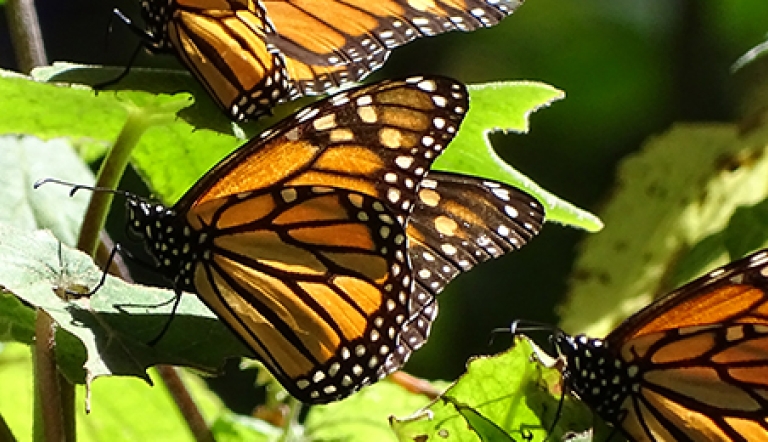
Mexico | Migration of the Monarch Butterflies
About this trip
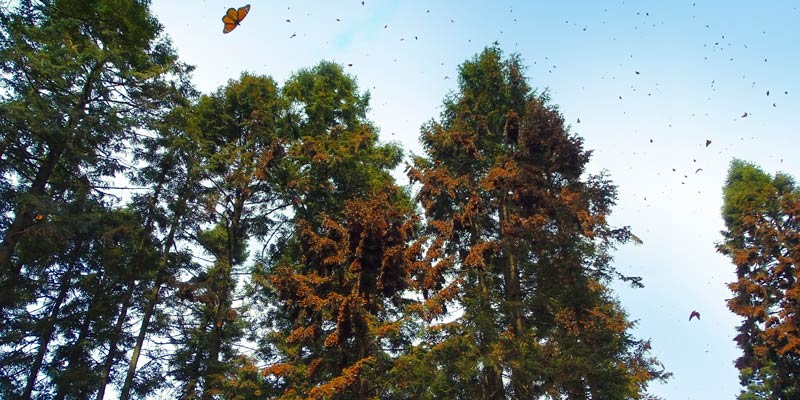
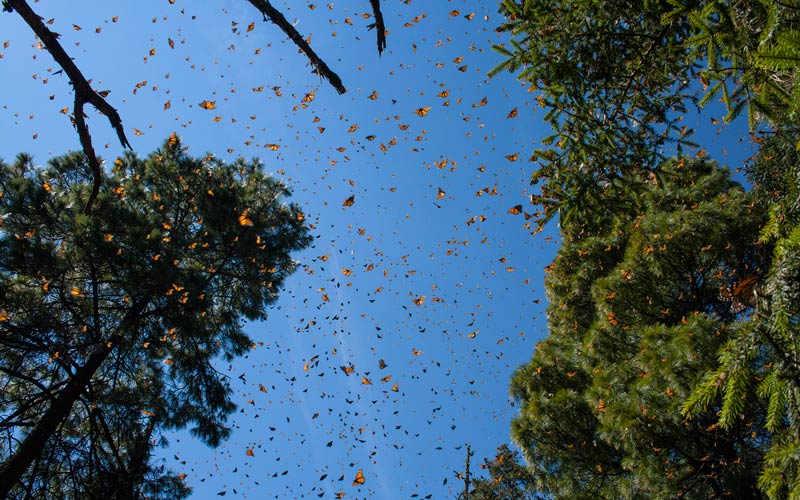
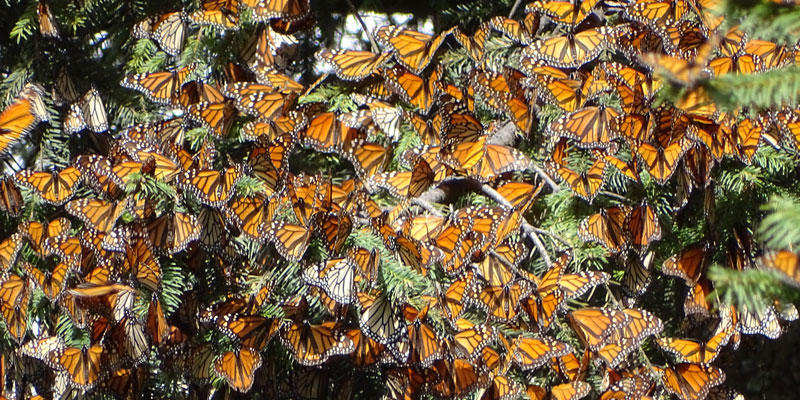
 One of the most amazing phenomena in nature is the annual migration of Monarch butterflies (Danaus plexippus) southward from their breeding grounds in the United States and Canada to overwintering sites high in the mountains of southern Mexico. Hundreds of millions of Monarchs fly along the Gulf Coast, or across the Gulf of Mexico, to eventually reach the belt of high volcanic mountains which stretches across the southern end of the central Mexican plateau. At about a dozen isolated places within the high-altitude forests of this zone, Monarchs pass the winter in aggregations that can exceed 2 billion individual butterflies. Stand amid the fir-covered mountains and witness this awe-inspiring spectacle firsthand as the monarchs flutter, dip, and swoop overhead.
Highlights
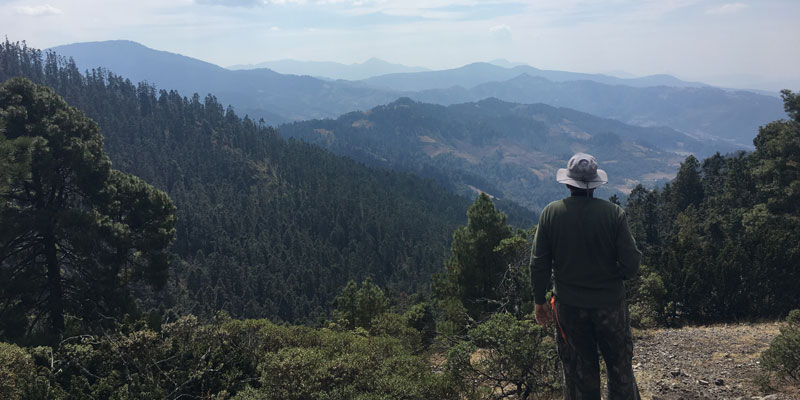
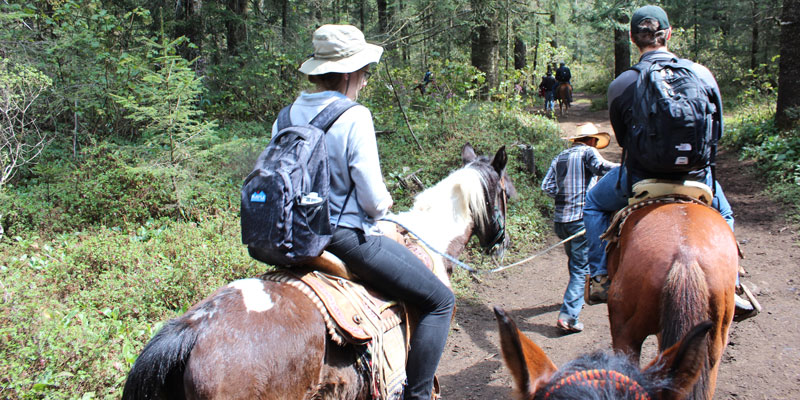
- Hike or ride horseback to three different monarch reserves in Michoacán, where millions of individual monarch butterflies gather.
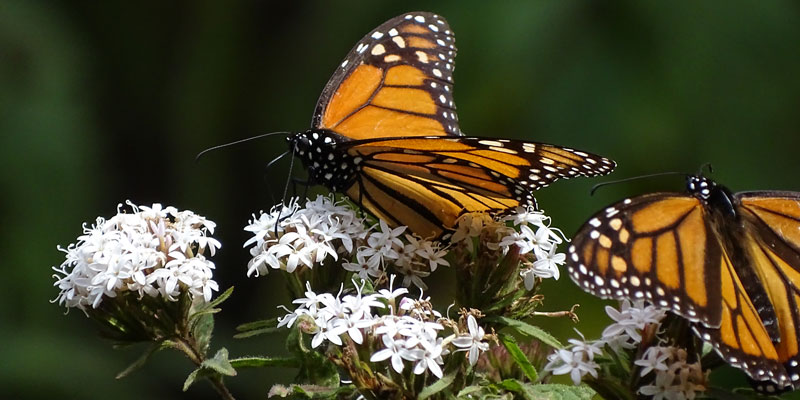
- Photograph the dramatic colors of the butterflies as they hang in clusters from the trees, drink from streams, feed on wildflowers, and soar in the air above.
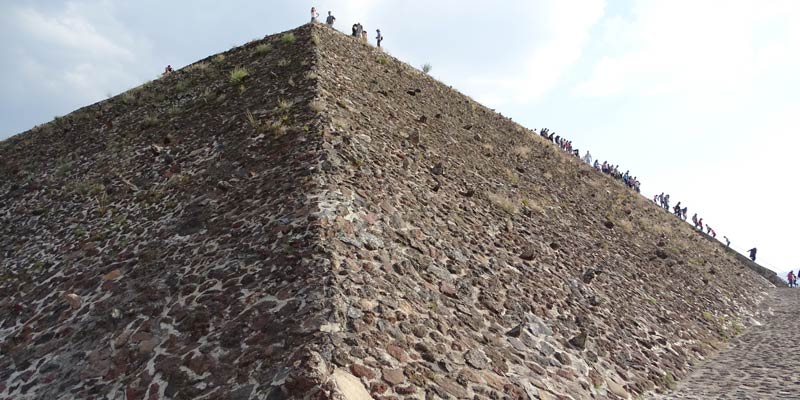
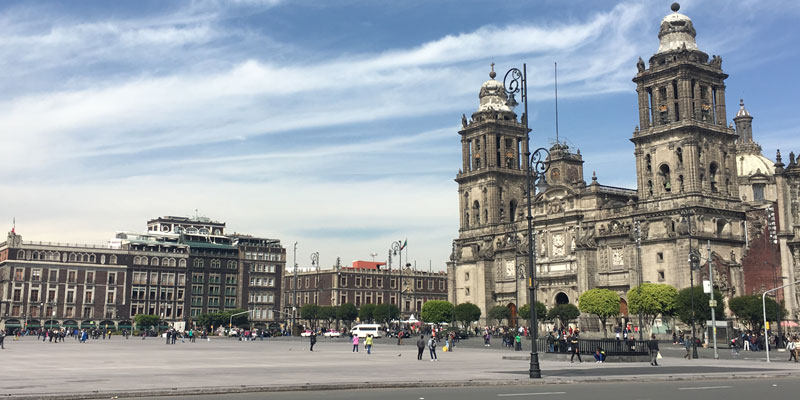
- Visit the pyramids at Teotihuacán, one of the most architecturally significant Mesoamerican sites of pre-Columbian times.
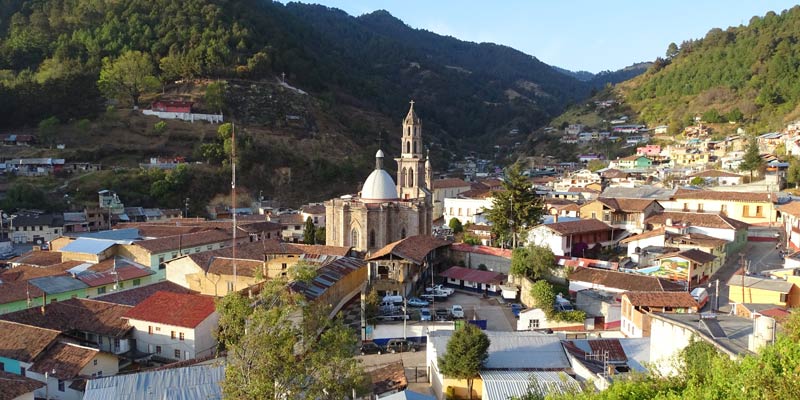
- Spend time exploring colonial Angangueo, which was once a mining town but now derives most of its livelihood from butterfly ecotourism and agriculture.
Meet your leader
 Marta Weldon
Marta grew up in Traverse City, Michigan surrounded by breathtaking views of Lake Michigan. Her family camped on the shores of Lake Superior and explored the Upper Peninsula frequently. She was infused with a love of the outdoors early on.
Marta’s career path evolved from performing clarinet professionally with the Richmond Symphony in Virginia to her love of helping people realize their hopes and dreams through philanthropy. She served as Executive Director of the Fox Valley Symphony in Appleton, Wis. and in development leadership positions with the Wisconsin Foundation for School Music, Boys & Girls Clubs of the Fox Valley, and Junior Achievement of Wisconsin.
Marta joined the Natural Resources Foundation of Wisconsin in August 2023 as Director of Philanthropy. She’s delighted with the joyful opportunity to fuse her passion for the environment with others who desire to conserve, protect, and share the beauty of our natural resources.
Marta is married with three adult children and two grandkids. She and her husband, Michael, completed the Ice Age National Scenic Trail in 2022 and are planning their next hiking adventures.
Activity Level 4: Moderate-Strenuous
This journey is for fit and active nature enthusiasts. Daily activities last for 5 or more hours. There are challenging excursions to butterfly colonies that may require walking for approximately 2 miles at altitudes of up to 10,660 feet on some trails that are narrow and rugged. These may involve both steep uphill and downhill hikes of 30 minutes or more (hiking at your own pace), and require horseback riding for part of the way; please note there is a maximum weight limit of approximately 260 lbs to ride the horses. Restrooms are only available at the base of the mountain. Weather in the Central Highlands during the migration is typically cool and dry with average temperatures in the 50s. Though days are typically sunny, there can be some windy conditions, and nights occasionally drop below 30°F. Also included are walking tours in provincial towns and in Mexico City. At the Teotihuacán archaeological site, you can choose to climb two pyramids: the largest is over 200 feet high with 248 steep steps.
Additional Notes
During site visits, the days entail walking around the butterfly sites on your own and photographing and watching butterflies. Please be prepared to be independent during butterfly watching.
Please also see the information about Safety & Risk Management under the Travel Info tab.
$3,825
Per person
About this price
Land cost only. Does not include round-trip airfare to and from destination.
Single room supplement $575
What makes us different

Service anytime

Cultural Discovery

Meaningful experiences

Sustainable travel

Expert guides

Flight arrangements
Daily Itinerary
Print ItineraryMexico City
Angangueo
Angangueo
Angangueo
Jungapeo
Jungapeo
Mexico City
Pricing
Print Pricing$3,825
Per person
About this price
Land cost only. Does not include round-trip airfare to and from destination.
Single room supplement $575
What's Included
- Activities and meals as mentioned in itinerary
- All Tips except Guide and Driver
- Carbon Offset
- Full time guide for the duration of your program
- Private transportation and driver for the duration of the program
What's Not Included
- International airfare
- Tips for guide and driver
- Travel Insurance
Pricing Details
Full land cost of $3825 is due to hold your space on this trip. This payment is not refundable.
Holbrook Travel strongly recommends the purchase of travel protection for medical emergencies while traveling and to protect your investment. Please note the purchase of Cancel for Any Reason Coverage or to exclude pre-existing conditions with Trip Cancellation coverage may require policy purchase within 10-14 days of your initial deposit, depending upon the provider.
Single room supplement $575
Final payment due date: October 16, 2023
Travel Info
Print Travel InfoSafety & Risk Management
Please note that this program visits the Mexican state of Michoacán, which the U.S. State Department has long designated a Travel Advisory Level 4 due to criminal activity. Mexico City is designated a Level 2. Holbrook has operated programs to view the monarch migration in these locations for many years without incident, and we have strict safety protocols in place for all our destinations. However, it is ultimately up to each traveler to make their own assessment regarding safety and risk. Travelers are advised to visit https://travel.state.gov for more information.
Entry & Exit Requirements
U.S. citizens must have a valid passport to enter Mexico. Passports must be valid for at least the duration of your stay. As this requirement is subject to change at any time without notice, we recommend at least 6 months’ validity. A passport card is not acceptable for entry to the U.S. by air.
Travelers no longer need to fill out the Forma Migratoria Multiple (FMM), also known as the tourist card, if flying in and out of the following airports: Mexico City International Airport (MEX), Cancun International Airport (CUN), Cozumel International Airport (CZM), Los Cabos International Airport (SJD), or Puerto Vallarta International Airport (PVR).
If you are flying in and out of an airport other than those listed above, Mexico still requires submission of an immigration form (tourist card) upon arrival. There is no fee for the form, but it is recommended that you complete the form online at https://www.inm.gob.mx/fmme/publico/en/solicitud.html and print it prior to your departure. While the form will also be available upon arrival, printing the tourist card prior to your trip will expedite your arrival process. For more information about the tourist card, visit https://www.mexicotouristcard.com.
If you are not traveling with a U.S. passport, please check with the Mexican Embassy for the requirements based on your nationality.
Health Information
IMMUNIZATIONS
The Centers for Disease Control recommends that all travelers be up to date on routine vaccinations such as measles-mumps-rubella (MMR) vaccine, diphtheria-pertussis-tetanus vaccine, varicella (chicken pox) vaccine, and your yearly flu shot before every trip.
There are no vaccinations required for entry into Mexico. The CDC recommends inoculation against hepatitis A, hepatitis B, and typhoid for most unvaccinated travelers to Mexico.
Please consult your physician for additional information and recommendations based on your individual circumstances.
MALARIA
The CDC does not consider travelers to Mexico City or the Mexican state of Michoacán to be at risk for malaria.
Dengue Fever & Other Insect-borne Illnesses
Locally transmitted cases of dengue fever have been reported in Mexico. Local transmission means that mosquitoes in the area have been infected with the virus and are spreading it to people. In addition, locally transmitted cases of leishmaniasis, Zika virus, and other insect-borne illnesses have been reported in Mexico.
There are no vaccinations available to protect against dengue, leishmaniasis, or Zika. The CDC recommends that travelers to Mexico protect themselves against insect bites. Cover exposed skin with lightweight, long-sleeved shirts and pants and use an insect repellent containing an active ingredient like DEET or picaridin. Apply sunscreen first, followed by the repellent (preferably 20 minutes later). As a precaution, the CDC advises women who are pregnant to consider postponing travel to any area where Zika virus transmission is ongoing.
Altitude Sickness
The high elevations of Michoacán might cause some travelers to experience altitude sickness during this program. Please discuss appropriate preventative measures with your personal physician prior to travel.
The most common form of the illness is acute mountain sickness (AMS). Symptoms generally include: headache, fatigue, loss of appetite, nausea, and at times, vomiting. The two more serious, and less common, forms of altitude illness are high-cerebral edema (HACE) and high-altitude pulmonary edema (HAPE). HACE and HAPE can be potentially fatal if left untreated. Symptoms include: profound lethargy, extreme confusion, and increased breathlessness.
To alleviate symptoms of altitude sickness: stay hydrated and well-rested; eat high-carbohydrate foods; and avoid heavy, fatty foods, alcohol, sleeping pills, or narcotics during travel and in the days before arrival. Avoid heavy exercise while staying at high elevations.
Visit the CDC website for more information.
Travelers’ Diarrhea
The CDC warns that travelers’ diarrhea is the most common travel-related illness. Consumption of contaminated food and water may cause diarrhea. To avoid this, do not drink tap water, and use bottled water to brush your teeth. Avoid ice and uncooked vegetables or fruit without a peel. When in doubt, ask your guide. Restrict yourself to cooked food at restaurants, and avoid food sold on the streets. If you contract diarrhea, it is very important to drink large quantities of purified water. Consult your doctor for appropriate medication should you contract diarrhea.
SUN EXPOSURE
The effects of the sun can be damaging to the eyes and skin. Spending time outdoors exposes you to the sun’s harmful ultraviolet (UV) rays, even on cloudy days. To protect yourself from the sun, use a broad spectrum sunscreen of at least SPF 15, protect skin with clothing, wear a wide-brimmed hat and sunglasses, and drink plenty of fluids.
Resources
Print ResourcesSuggested Packing List
Everyone has personal preferences when it comes to packing; for this reason, the information below is offered as a general guide and not a definitive list. You know yourself best: Use your discretion and pack what you think will serve you, based on your personal preferences and specific itinerary. You may find many of these items in our Gear Store.
CLOTHING
Casual, comfortable field clothes are suitable for visits to the monarch sites and most other activities. You may wish to bring a slightly nicer, but still casual, outfit for your time in Mexico City.
Bring enough clothing suitable for the length of your program. Make sure to bring warm clothes, as the temperatures at 10,000 feet can be at or below 30 °F in the early morning. It can also be windy on the mountains. Layering is strongly encouraged, as the mid-day temperatures may be in the 60s or 70s. At Teotihuacán, it will likely be 80-90 °F and in full sun. Versatility is key.
- A combination of short-sleeved and long-sleeved shirts suitable for layering
- A combination of light- and medium-weight long pants (such as jeans, khakis, or field pants)
- Undergarments; long underwear and warm socks may be useful at night, as the rooms at Hotel Don Bruno are unheated and could get rather cold
- Warm sleepwear
- Parka or other outerwear: Temperatures may be near freezing for the first hour or two of the day.
- Socks – Bring extra pairs.
- Shoes – You'll likely want at least one pair of hiking boots for dusty forest trails or riding horseback (if desired), and/or a pair of comfortable, well-worn, closed-toe shoes with rubber soles suitable for walking on cobblestone streets, gravel paths, and uneven surfaces. In addition, you may want a pair of sturdy sport-strap sandals (e.g. Keens, Tevas, or similar) and/or casual flip-flops or sandals.
- Swimsuit – There are mineral springs at Hotel Agua Blanca.
- Rain gear – Rain is infrequent, but a lightweight rain jacket or hooded poncho comes in handy should a slight drizzle or snow flurry occur. It also makes a great layer for added warmth.
- Cap or wool hat
- Bandana, scarf, or neck gaiter – These can be helpful on dusty trails.
- Gloves
- Hand warmers – Hand warmers are small, heated pouches found in outdoor sections of many large retail stores as well as specialty sports and camping stores. When you open their packaging, the oxygen reacts with the powder inside the pouches to create heat, and after about 30 minutes they heat up to 120 °F, last for about 6-10 hours, and provide considerable warmth. They come in a variety of sizes and are inexpensive. These have been very popular with travelers in the past and are another way to ensure that you are comfortable during the cool mornings and nights. Due to current security regulations at airports, we recommend you pack these in your checked luggage, NOT your carry-on bag.
Personal Toiletries
Pack toiletries based on your personal preferences and habits. Below are just a few recommendations to keep in mind.
- Shampoo, conditioner, lotion, deodorant/antiperspirant , etc. – All hotels provide shampoo and soap, but you may wish to bring your own from home if you prefer. If possible, avoid strong fragrances in consideration of your fellow travelers.
- Soap and washcloth or a small, quick-drying microfiber towel – These items are not always standard in hotels outside the US, so you may wish to bring them with you.
- Hairbrush, comb, hair ties, shower cap
- Toothbrush and toothpaste
- Razor
- Ear plugs, especially if you are a light sleeper
- Personal hygiene products
- Insect repellent with an active ingredient like DEET or picaridin
- Sunscreen and lip balm with SPF – There is a chance for sunburn when on the mountain, as well as at Teotihuacán, where temperatures may be as high as 80-90 °F.
- A travel pack of tissues – also useful as napkins or toilet paper if needed, as it may not be available at all stops
In addition to your personal toiletries, it is useful to pack a small medical kit, which you can easily prepare. Helpful items might include: bandages, antihistamine, a pain reliever (may be helpful for altitude headaches), motion sickness and/or altitude sickness medication (if you are prone to either), anti-diarrhea medicine, individually wrapped pre-moistened towelettes and/or hand sanitizer, antibiotic ointment, anti-fungal cream, moleskin for blisters, eye drops, tweezers, a mini sewing kit, and an extra pair of disposable contact lenses or eyeglasses if you wear them.
MISCELLANEOUS
Remember to pack valuables such as your passport, cash/credit cards, and medications in your carry-on luggage.
- Passport, FMM (if applicable), and photocopies of all travel documentation
- Personal insurance card and travel insurance information
- Money – ATM/credit card and cash; small bills in good condition are recommended
- Prescription medicines (if applicable), with a copy of the prescription
- Sunglasses with strap
- Small day pack for carrying water, camera gear, rain gear, clothing layers, etc. during monarch site visits
- Flashlight and/or head lamp
- Travel alarm clock or inexpensive waterproof wristwatch with alarm – Not all hotels provide alarm clocks.
- A pocket calculator or phone to assist with conversions and currency exchange
- Hot water bottle (to help warm your bed at Hotel Don Bruno)
- Binoculars with lens cleaner
- Camera and related equipment, such as charger, lenses, and extra memory cards – Be prepared to pay an extra park fee for use of a video camera (anything that looks professional-level) while in the parks.
- Reusable water bottle – Plan to buy bottled water, but you may wish to bring an extra container for refilling
- Non-perishable snacks
- Pocket-knife or multipurpose tool – Pack in your checked luggage
- Notepad or travel journal and pen
- Music or reading material for down time, long bus drives, or on the airplane, and a portable bright light to read by
- Collapsible walking stick with rubber tip
- Zip-top style bags – useful for packing toiletries, sorting clothing, storing damp or muddy shoes, or as a dry bag for protecting electronics
- Money belt
- Chargers for electronics

Questions?
Contact Debbie Jordan at 866-748-6146 or debbie@holbrooktravel.com
Want to subscribe to the Holbrook Explorer?
Behind the Scenes of the Monarch Migration Expedition with Stephanie Kowacz
Guest post: Reflections on Monarch Conservation and Mexico