Cuba | Cuba`s Birding Hotspots and Northern Highlights




About this trip
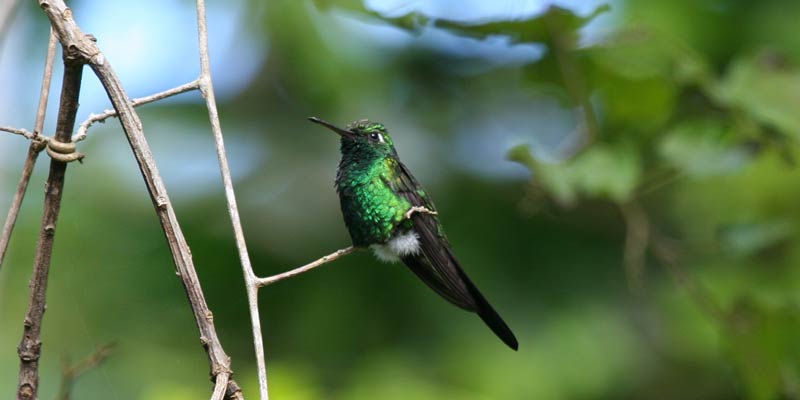
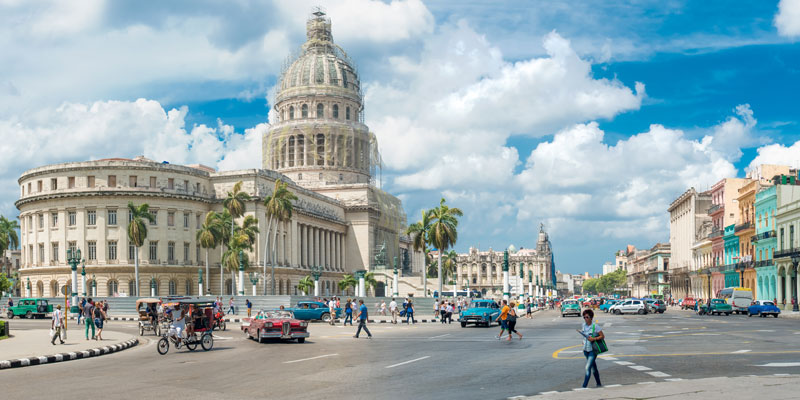
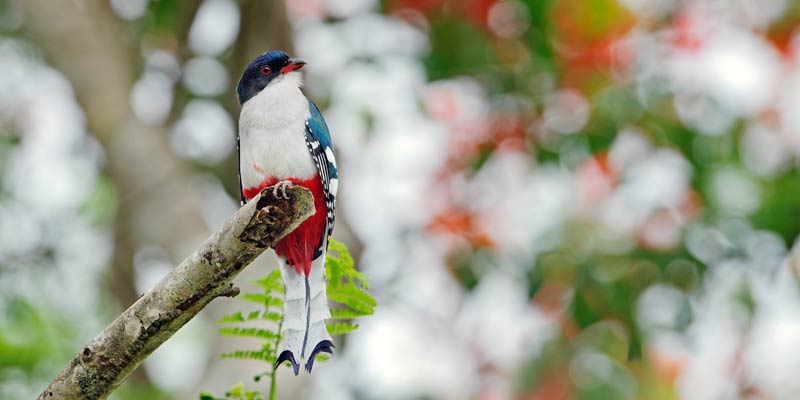
Get to know the birds of Cuba during this exploration of the country's avian hot spots. Cuba’s geography makes it the perfect classroom to study island endemism and biodiversity as you make your way through a selection of ecosystems, including wetlands, forests, coastal lagoons, beaches, and limestone hills. Together with your ornithologist guide, you’ll have the opportunity to seek out and identify highlights like the Cuban Trogon—Cuba’s national bird, known locally as the Tocororo—and the world’s smallest bird, the Bee Hummingbird. Not only will you visit prime birding locations, you'll also encounter the lively spirit of the Cuban people as you interact with and learn from local residents.
Highlights
- Watch for target species like the Cuban Grassquit and Olive-capped Warbler and meet with residents at Las Terrazas, a community and reserve that is a model of sustainability and ecotourism.
- Go birding amid the distinctive limestone formations of Viñales Valley and look for Cuban Solitaire, Cuban Tody, and Cuban Pewee.
- Visit the home of world-renowned nature artist and author Nils Navarro, who will provide a lecture, talk about his book, and show his art studio.
- Explore several sites in Zapata Swamp, a Biosphere Reserve and Ramsar wetland, and meet with area conservationists.
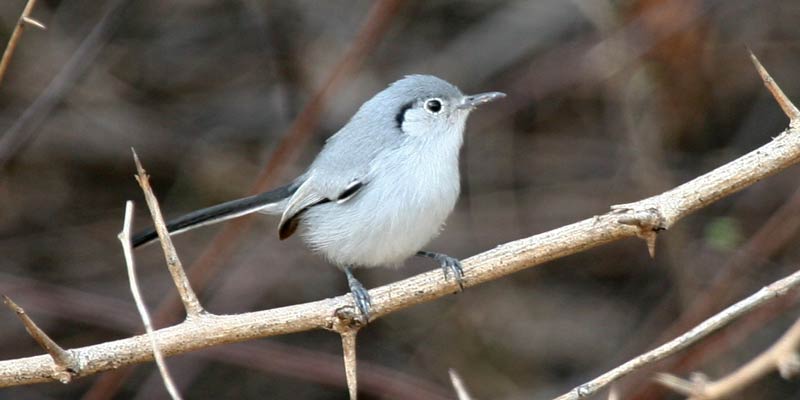
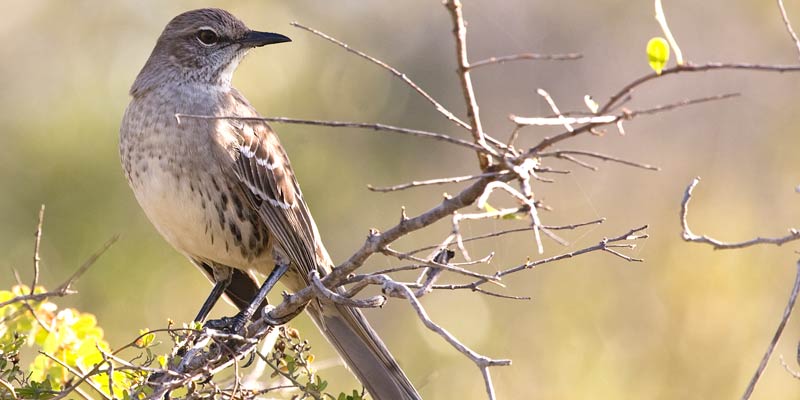
- Spend several days on the beautiful beaches of Cayo Coco and the surrounding area and look for Oriente Warbler, Thick-billed Vireo, Bahama Mockingbird, and Cuban Gnatcatcher, in addition to a variety of waterbirds.
Meet your leader
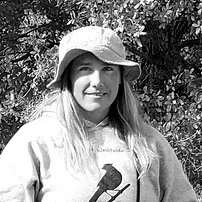 Kristy Gallo
As a Michigan native, Kristy grew up in a family with a passion for nature and birds, spending countless hours camping, canoeing, hiking, and birding throughout the country. She is currently the co-caretaker of Ash Canyon Bird Sanctuary in Arizona, where she helps to continue the legacy of Mary Jo Ballator and enjoys sharing it with visitors. She also runs her own guiding company, Redstart Birding Tours, where she enjoys showing visitors from all over the world the beautiful birds of southern Arizona. Kristy also competed in powerlifting for over twenty years and broke the world record in the bench press in 2012 and then again in 2013.
$4,895
Per person
About this price
Land cost only. Does not include round-trip airfare to and from destination.
Single room supplement $540
What makes us different

Scopes

Top birding guides

Unique Itineraries

Cultural Discovery

Meaningful experiences

Expert guides
Daily Itinerary
Print ItineraryHavana
Havana
Vinales
Vinales
Zapata Peninsula
Zapata Peninsula
Zapata Peninsula
Morón
Morón
Morón
Depart
Pricing
Print Pricing$4,895
Per person
About this price
Land cost only. Does not include round-trip airfare to and from destination.
Single room supplement $540
What's Included
- Airport transfers
- Cuban tourist visa ($65.00)
- Accommodations with private bathrooms
- Full time expert birding naturalist guide for duration of program
- All Tips except Guide and Driver
- Non alcoholic beverage with meals
- Water refill station during transfers
- Private transportation and driver for the duration of the program
- Carbon Offset
What's Not Included
- International airfare
- Items of personal nature
- Tips for guide and driver
- Travel Insurance
Pricing Details
A deposit of $350 is required for participants to register and reserve space on the program. Reservations submitted beyond the final payment deadline noted below will require full payment to enroll. 120 or more days before departure: $100 cancellation fee; remaining balance is refunded. 119 - 96 days before departure: full deposit of $350 is forfeited. 95 - 0 days before departure: 100% of program price is forfeited.
Holbrook Travel strongly recommends the purchase of travel protection for medical emergencies while traveling and to protect your investment. Please note the purchase of Cancel for Any Reason Coverage or to exclude pre-existing conditions with Trip Cancellation coverage may require policy purchase within 10-14 days of your initial deposit, depending upon the provider.
Single room supplement $540
Final payment due date: August 28, 2026
Travel Info
Print Travel InfoEntry & Exit Requirements
U.S. citizens need a valid passport to enter Cuba. Passports must be valid for at least six months after the date of entry and have at least two blank pages for entry/exit stamps.
All travelers must also have an electronic visa, which includes a health declaration form. The Cuban e-visa is valid for a single entry and allows the holder to stay in Cuba for 90 days. Your program includes the e-visa fee, and Holbrook will send you an email several weeks prior to departure with a link to your assigned e-visa number. The form may only be completed within 7 days of departure and must be completed before checking in for your flight to Cuba. (Note: This may be easier to do on a laptop or desktop rather than your smart phone.) Upon completion, you will receive an email with a PDF including a QR code for your specific e-visa. Please print or save this document to your phone for ease of submission when requested.
If you are not traveling with a U.S. passport or you are a Cuban-born person, please check with the Cuban Embassy for requirements based on your nationality. Also, be sure to have your required documents (passport, Cuban e-visa) for re-entry into the U.S.
Please note: The U.S. Department of Treasury, Department of Foreign Assets Control (OFAC) requires that travelers to Cuba retain records of all travel-related transactions for at least 5 years; these records may be subject to audit.
Health Information
IMMUNIZATIONS
The Centers for Disease Control recommends that all travelers be up-to-date on routine vaccinations such as measles-mumps-rubella (MMR) vaccine, diphtheria-pertussis-tetanus vaccine, varicella (chicken pox) vaccine, and your yearly flu shot before every trip.
There are no vaccinations required for entry into Cuba, unless you are traveling from a country where yellow fever transmission is a risk, in which case proof of yellow fever vaccination is required. Though not required for entry, the CDC recommends vaccination against hepatitis A, hepatitis B, and typhoid for most unvaccinated travelers to Cuba.
In addition, the CDC advises that Cuba is experiencing an outbreak of chikungunya. Chikungunya is a disease that is spread to humans by mosquitos and whose symptoms may include fever, joint pain, headache, muscle pain, joint swelling, or rash. In addition to taking precautions against mosquito bites (see below), the CDC currently recommends chikungunya vaccination for travelers to Cuba.
Please consult your physician for additional information and recommendations based on your individual circumstances.
INSECT-BORNE ILLNESSES
Chikungunya, dengue fever, Zika virus, and other insect-borne illnesses are known to occur in Cuba. To protect against mosquitos and other insects, the CDC recommends that you cover exposed skin with lightweight, long-sleeved shirts and pants, consider treating clothes with permethrin, and use an insect repellent containing an EPA-registered active ingredient like DEET, picaridin, or oil of lemon eucalyptus (OLE). Apply sunscreen first, followed by the repellent, ideally 20 minutes later.
Be careful when applying products containing DEET, as it can damage or dissolve certain synthetic fabrics as well as plastic, rubber, vinyl, or elastic materials, such as those used in camera equipment, binoculars, phone cases, sunglasses, or watches. Additionally, some research suggests that when DEET and picaridin enter local waterways, they can be harmful to amphibians and other wildlife. When selecting a repellent, it is ultimately up to each traveler to weigh the risks and benefits of different options, keeping in mind both environmental factors and the importance of protecting against illness.
SUN EXPOSURE
The effects of the sun can be damaging to the eyes and skin. Spending time outdoors exposes you to the sun’s harmful ultraviolet (UV) rays, even on cloudy days. To protect yourself from the sun, use a broad spectrum sunscreen of at least SPF 15, protect skin with clothing, wear a wide-brimmed hat and sunglasses, and drink plenty of fluids.
Travelers’ Diarrhea
The CDC warns that travelers’ diarrhea is the most frequent health problem for travelers worldwide. To avoid contracting this, use bottled water, which is about $1.50 to $2 for a small bottle purchased in your private home or casa particular and some restaurants. Water costs much less in stores.
Avoid ice and uncooked vegetables or peeled fruit. When in doubt, ask your trip leader. If you contract diarrhea, it is very important to drink large quantities of purified water with rehydration salts and consult your doctor for appropriate medication.
Respiratory Illness Protocols
Please review our Respiratory Illness Protocols page, which explains our policy and procedures if you or another traveler should develop symptoms of a respiratory illness during your trip. Your participation in a Holbrook Travel program indicates that you are in agreement with these protocols.
Resources
Print ResourcesPacking Recommendations
Everyone has personal preferences when it comes to packing; for this reason, the information below is offered as a general guide and not a definitive list. You know yourself best: Use your discretion and pack what you think will serve you, based on your personal preferences and specific itinerary.
You may find many of the items below in the New Headings Gear Store. Use code HolbrookGuest10 for a 10% discount on your purchase.
CLOTHING
Casual, comfortable clothing is suitable for most activities. You may wish to bring a slightly nicer outfit or two (eg sundress, polo shirt) if your itinerary includes dinners out or more formal activities.
Bring enough clothing suitable for the length of your program. If you plan to hand-wash items, remember that humidity may delay drying time.
Pack clothing that can be worn in layers to adapt to weather changes throughout the day. Clothing that wicks away moisture and dries quickly is recommended.
- A combination of short-sleeved and lightweight, long-sleeved shirts for sun and mosquito protection
- Shorts
- Lightweight, quick-drying long pants for sun and mosquito protection
- Undergarments
- Sleepwear
- Lightweight jacket or sweater/sweatshirt
- 1-2 bathing suit(s) for the beach, if applicable
- Socks – Bring extra pairs. For hikes, long socks that you can tuck your pant legs into are recommended to deter ticks.
- Shoes – Consider your specific itinerary when choosing footwear. For most programs, you’ll likely want at least one pair of comfortable, closed-toe walking or hiking shoes suitable for forest hikes and walking over cobblestones or other uneven terrain. Sturdier hiking boots may be appropriate for more rugged itineraries. In addition, many participants opt for a pair of sturdy sport-strap sandals (e.g. Keens, Tevas, or similar) and/or casual flip-flops or sandals. If you’re visiting the beach, you may also want a pair of aqua socks, reef walkers, or water shoes.
- Lightweight rain jacket, hooded poncho, and/or windbreaker
- Visor or wide-brimmed sun hat
- Bandana, scarf, or neck gaiter to protect against insects
Personal Toiletries
Pack toiletries based on your personal preferences and habits. Below are just a few recommendations to keep in mind.
- Shampoo, conditioner, lotion, deodorant/antiperspirant , etc. – If possible, avoid strong fragrances if you are sensitive to insect bites.
- Soap and washcloth or a small, quick-drying microfiber towel – Washcloths are not standard in all accommodations. If you normally use a washcloth, you may wish to bring one from home.
- Hairbrush, comb, hair ties, shower cap
- Toothbrush and toothpaste
- Razor
- Ear plugs, especially if you are a light sleeper
- Personal hygiene products
- Insect repellent with DEET or picaridin (see note below about treating clothing with permethrin)
- Sunscreen and lip balm with SPF – If you’ll be in the ocean, we recommend reef-safe sunscreen.
- Aloe vera gel
- A travel pack of tissues – also useful as napkins or toilet paper if needed
- Small towel – bath mats are not always provided in accommodations
In addition to your personal toiletries, it is useful to pack a small medical kit, which you can easily prepare. Helpful items might include: bandages, antihistamine, a pain reliever, motion sickness medication, anti-diarrhea medicine, individually wrapped pre-moistened towelettes and/or hand sanitizer, antibiotic ointment, anti-fungal cream, moleskin for blisters, eye drops, tweezers, a mini sewing kit, and an extra pair of disposable contact lenses or eyeglasses if you wear them.
Days before you leave home, you may wish to consider spraying any clothing, socks, and shoes that will be worn in lowland, tropical sites with permethrin, an anti-parasite medication, to repel irritating pests and prevent the spread of disease. A recommended brand is Sawyer. Carefully read all instructions before use. Please note permethrin is highly toxic to cats and fish, and some aerosol products may be harmful to birds. Side effects may include minor itching, burning, or redness. You may want to use a laundry marker to label and keep track of which socks are permethrinized. Only one application per item is necessary; permethrin on treated clothes remains effective through several washings. Permethrin should NOT be applied directly to skin.
Miscellaneous
Remember to pack valuables such as your passport, cash/credit cards, and medications in your carry-on luggage.
- Passport, e-visa, and photocopies of all travel documentation
- Personal insurance card and travel insurance information
- Money – Cash; small bills in good condition are recommended. Please note: Credit or debit cards that are drawn against accounts in the United States cannot be used in Cuba. Therefore, it is important to estimate the amount of cash that is necessary for travel.
- Prescription medicines (if applicable), with a copy of the prescription
- Yellow fever certificate (if required; only if arriving from a country where yellow fever transmission is a risk)
- Sunglasses with strap
- Small day pack for hikes and excursions
- Flashlight and/or head lamp
- Travel alarm clock or inexpensive waterproof wristwatch with alarm – Not all hotels provide alarm clocks.
- A pocket calculator or phone to assist with conversions and currency exchange
- Binoculars with lens cleaner
- Camera and related equipment, such as charger, lenses, and extra memory cards
- Reusable water bottle
- Non-perishable snacks
- Pocket-knife or multipurpose tool - Pack in your checked luggage
- Zip-top style bags – useful for packing toiletries, sorting clothing, storing damp or muddy shoes, or as a dry bag for protecting electronics
- Notepad or travel journal and pen
- Music or reading material for down time, long bus drives, or on the airplane, and a portable bright light to read by
- Collapsible walking stick with rubber tip
- A small quantity of laundry detergent if you’ll be washing clothing by hand
- Travel-size umbrella – Some people find this unwieldy to carry, while others find it offers better protection than a rain jacket alone.
- Money belt
- Chargers for electronics
- Converters and plug adapters for electronics

Questions
Contact Jill Hays at 877-846-6296 or jill@holbrooktravel.com.
Want to subscribe to the Holbrook Explorer?
eBird Trip Reports: Cuba
5 Citizen Science Opportunities for Birders