Chile | Quest for the Puma and Wonders of Patagonia
About this trip
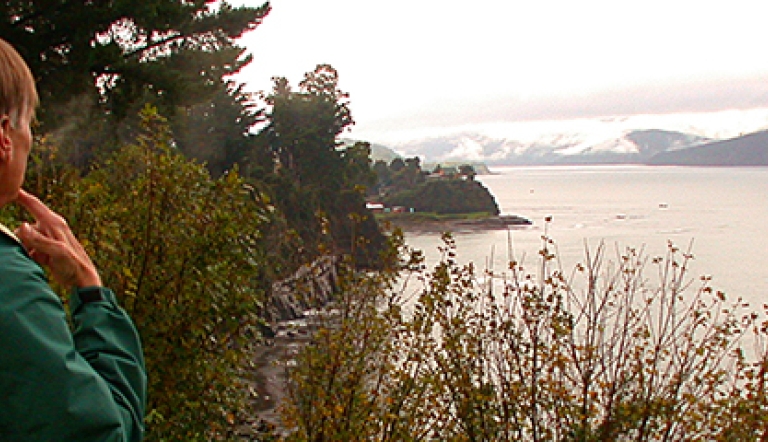
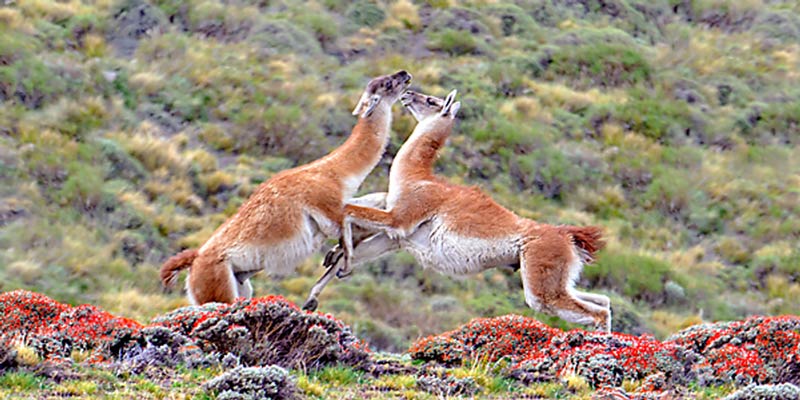
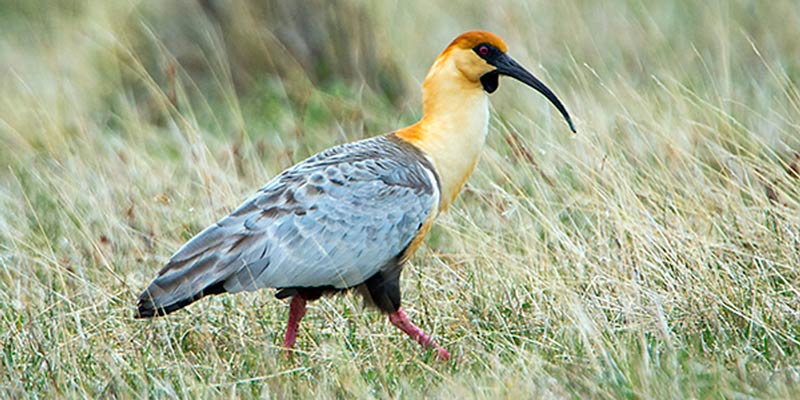
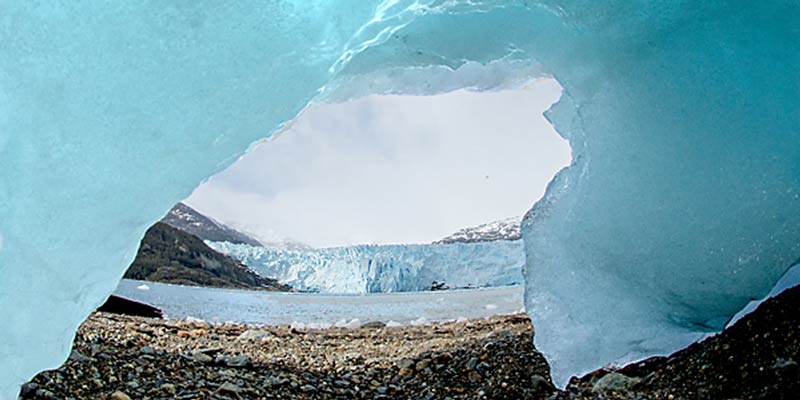
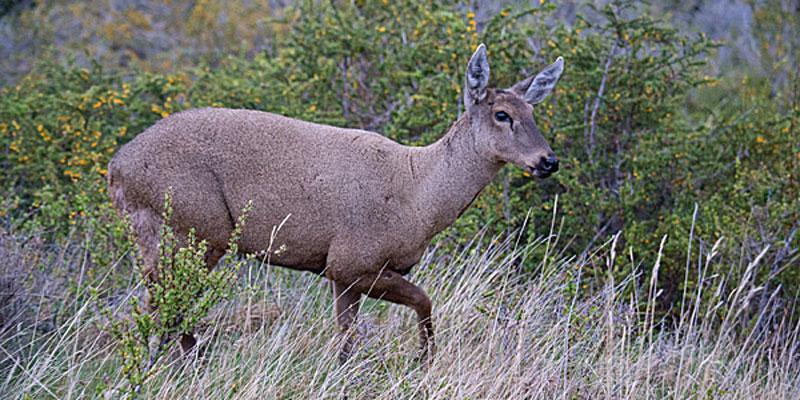
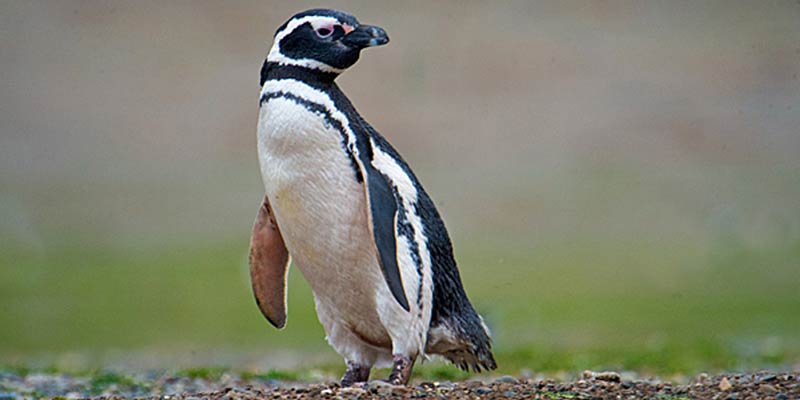
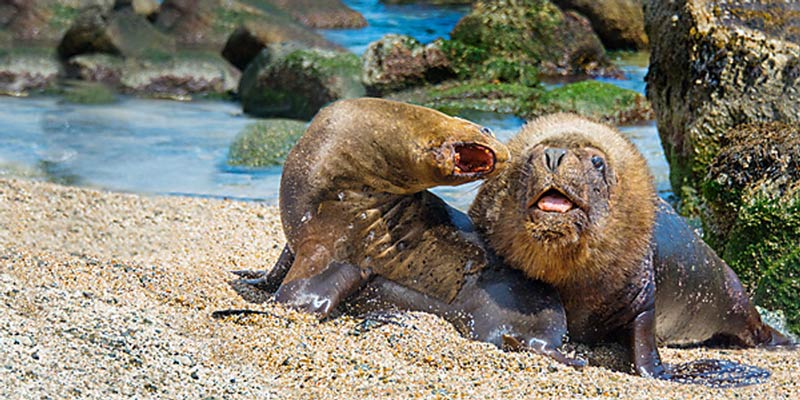
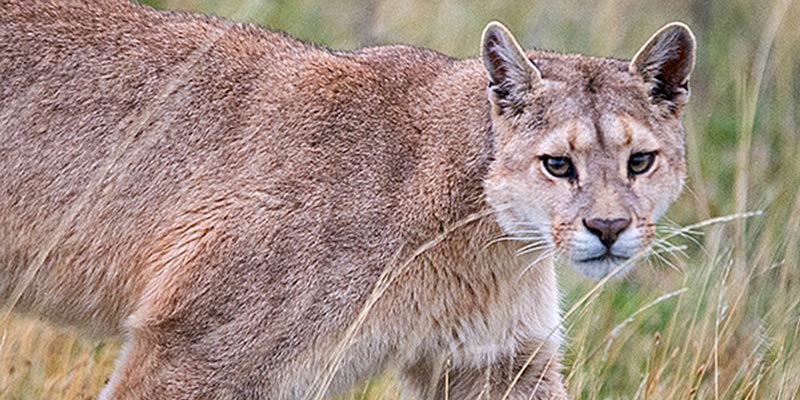
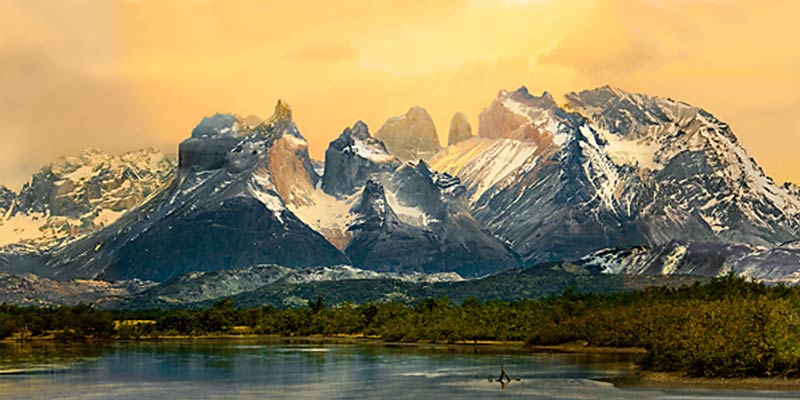
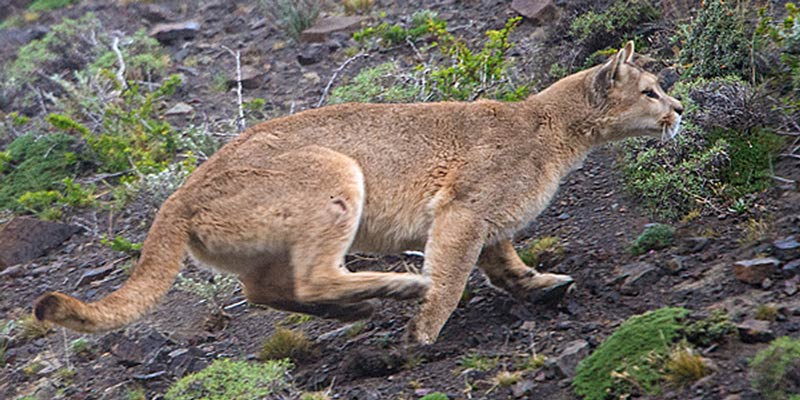
 Join Gustafson Photo Safari for an exceptional photography tour in Patagonia. Patagonia’s incredible landscapes feature towering mountains, thundering glacial waterfalls, and stunning emerald lakes. This trip visits some of the world’s most picturesque natural sites including the Strait of Magellan, the Darwin Mountain Range, Torres del Paine National Park, and Punta Arenas. Under the guidance of professional photographer Todd Gustafson, you will enjoy opportunities to photograph amazing and unique wildlife such as Andean Condor, Magellan and King Penguins, South American Sea Lions, Guanaco, South Andean Deer, and the solitary yet beautiful Puma.
Highlights
- Spend several days searching for and photographing pumas in Torres del Paine National Park and surrounding private lands, in an area well-known for holding one of the world's largest concentrations of wild pumas.
- Ascend into the mountains above Santiago for the chance to witness the impressive Andean Condor as well as other typical Andean birds, including Mountain Caracara, White-sided Hillstar, Mountain Parakeet, and others.
- Visit a King Penguin colony in Tierra del Fuego, where other possible sightings include guanaco, southern gray fox, and Chilean Flamingo.
- Capture stunning images of Torres del Paine’s iconic granite peaks bathed in early morning light.
Meet your leader
 Todd Gustafson
Todd Gustafson is a professional nature photographer and founder of Gustafson Photo Safari. Todd grew up in Tanzania and has won numerous photography awards. His work has been featured in many international publications and museum exhibits, including a display in a permanent exhibit in the Smithsonian Institution Museum of Natural History, publications by the United Nations, and product guides for NIKON Corporation, where he works as a clinician/teacher. Todd is also a highly accomplished trumpet player and has degrees in music education and trumpet performance.
What makes us different

Wildlife up-close

Service anytime

Designed for photographers

Sustainable travel

Expert guides

Flight arrangements
Daily Itinerary
Print ItineraryU.S.A
Punta Arenas
Torres del Paine National Park
Torres del Paine National Park
Torres del Paine National Park
Torres del Paine National Park
Torres del Paine National Park
Torres del Paine National Park
Torres del Paine National Park
Torres del Paine National Park
Torres del Paine National Park
Torres del Paine National Park
Santiago
U.S.A
Pricing
Print PricingWhat's Included
What's Not Included
Pricing Details
A $4000 per person deposit and enrollment form is due to hold your space on this trip. This deposit is not refundable.
Please note: Your participation as a traveler indicates acceptance of Holbrook Travel’s Covid-19 protocols in place at time of travel.
Holbrook Travel strongly recommends the purchase of travel insurance for medical emergencies while traveling and to protect your investment. Please note the purchase of Cancel for Any Reason Coverage or to exclude pre-existing conditions with Trip Cancellation coverage may require policy purchase within 10-14 days of your initial deposit, depending upon the provider.
Final payment due date: June 28, 2022
Travel Info
Print Travel InfoEntry & Exit Requirements
U.S. citizens must have a valid passport to enter Chile. Passports must be valid for at least six months after the date of entry.
A visa is not required for visits up to 90 days.
A tourist card is required for anyone entering Chile from the United States and is issued upon arrival. This card allows visitors to stay for up to 90 days and will allow multiple entries. Keep the tourist card with your passport; it is important not to lose it, as you must present the card to Customs when you leave the country.
If you are not traveling with a U.S. passport, please check with the Chilean Embassy for the requirements based on your nationality.
Health Information
IMMUNIZATIONS
The Centers for Disease Control recommends that all travelers be up-to-date on routine vaccinations such as measles-mumps-rubella (MMR) vaccine, diphtheria-pertussis-tetanus vaccine, varicella (chicken pox) vaccine, and your yearly flu shot before every trip.
There are no vaccinations required for entry into Chile.
The CDC recommends inoculation against hepatitis A, hepatitis B, and typhoid for most unvaccinated travelers to Chile.
Please consult your physician for additional information and recommendations based on your individual circumstances.
ALTITUDE SICKNESS
Upon arrival at locations of high elevation, shortness of breath and a pounding heart are normal responses to the lack of oxygen in the air. However, for some visitors, these symptoms can deteriorate into altitude sickness. Headache, extreme tiredness, dizziness, nausea, and loss of appetite are standard symptoms. Staying hydrated and well rested is important to adjust to the altitude. Avoiding heavy, fatty foods and alcohol in the days before arriving to altitude can help. Over-the-counter medications are also available to help prevent or alleviate symptoms. It’s advisable to avoid sleep medications, as they can slow breathing and respiration, which aid in getting the blood oxygenated while sleeping. Participants who take blood pressure medications should discuss this with their doctor as the medication can drop pressure too low at times.
SUN EXPOSURE
The effects of the sun can be damaging to the eyes and skin. Spending time outdoors exposes you to the sun’s harmful ultraviolet (UV) rays, even on cloudy days. To protect yourself from the sun, use a broad spectrum sunscreen of at least SPF 15, protect skin with clothing, wear a wide-brimmed hat and sunglasses, and drink plenty of fluids.
Resources
Print ResourcesSuggested Packing List
Everyone has personal preferences when it comes to packing; for this reason, the information below is offered as a general guide and not a definitive list. You know yourself best: Use your discretion and pack what you think will serve you, based on your personal preferences and specific itinerary.
You may find many of the items below in our Gear Store.
CLOTHING
Casual, comfortable clothing is suitable for most activities. You may wish to bring a slightly nicer outfit or two if your itinerary includes dinners out or more formal activities. Keep in mind that locals tend to dress conservatively.
Bring enough clothing suitable for the length of your program. If you prefer to pack light, note that many hotels offer laundry services at an additional cost.
Pack clothing that can be worn in layers to adapt to weather changes throughout the day. Santiago experiences a mild, Mediterranean climate, with average highs in the 80s during the summer months (Dec-Feb) and in the 60s during the winter (Jun-Aug). Patagonia is cool and windy all year, with snow in winter.
- Shirts: Several short- and long-sleeved shirts to layer under a sweatshirt and jacket as needed
- A combination of lightweight and medium-weight/warmer long pants, slacks, or jeans
- Undergarments and socks: Bring some thin, synthetic socks (liner socks), heavy woolen socks, and a few pairs of thermal underwear (polypropylene or silk) for the hikes. Underwear, socks, and nightwear should be lightweight and designed to dry quickly. Warm hiking socks (e.g. Smartwool or similar) are recommended. You may wish to pack a fleece top and pants to sleep in.
- Sleepwear
- Jacket, fleece, or sweater/sweatshirt: Include a polar fiber or down jacket. A sweater, vest, and down jacket may be needed for cool nights or at higher elevations.
- Gloves
- Headgear: Include a hat (preferably with a wide brim) for sun protection. A tie under the chin is helpful in case of windy conditions. Beanie hats are excellent for windy conditions.
- Bathing suit: Pools are available at some hotels.
- Shoes: Consider your specific itinerary when choosing footwear. For most programs, you’ll likely want at least one pair of comfortable, closed-toe walking or hiking shoes suitable for outdoor hikes and walking over cobblestones or other uneven terrain. Sturdier hiking boots may be appropriate for more rugged itineraries. In addition, many participants opt for a pair of sturdy sport-strap sandals (e.g. Keens, Tevas, or similar) and/or casual flip-flops or sandals.
- Lightweight rain jacket, hooded poncho, and/or windbreaker
- Bandana, scarf, or neck gaiter
Personal Toiletries
Pack toiletries based on your personal preferences and habits. Below are just a few recommendations to keep in mind.
- Shampoo, conditioner, lotion, deodorant/antiperspirant , etc. – If possible, avoid strong fragrances if you are sensitive to insect bites and in consideration of your fellow travelers.
- Soap and washcloth or a small, quick-drying microfiber towel – Washcloths are not standard in all hotels. If you normally use a washcloth, you may wish to bring one from home.
- Hairbrush, comb, hair ties, shower cap. Most—but not all—hotel rooms provide a hair dryer, but you may wish to bring one from home.
- Toothbrush and toothpaste
- Razor
- Ear plugs, especially if you are a light sleeper
- Personal hygiene products
- Insect repellent with DEET or picaridin
- Sunscreen and lip balm with SPF
- Aloe vera gel
- A travel pack of tissues – also useful as napkins or toilet paper if needed
In addition to your personal toiletries, it is useful to pack a small medical kit, which you can easily prepare. Helpful items might include: bandages, antihistamine, a pain reliever, motion sickness and/or altitude sickness medication (if you are prone to either), anti-diarrhea medicine, individually wrapped pre-moistened towelettes and/or hand sanitizer, antibiotic ointment, anti-fungal cream, moleskin for blisters, eye drops, tweezers, a mini sewing kit, and an extra pair of disposable contact lenses or eyeglasses if you wear them.
Miscellaneous
Remember to pack valuables such as your passport, cash/credit cards, and medications in your carry-on luggage.
- Passport and photocopies of all travel documentation
- Personal insurance card and travel insurance information
- Money – ATM/credit card, traveler's checks, and/or cash; small bills in good condition are recommended
- Prescription medicines (if applicable), with a copy of the prescription
- Sunglasses with strap
- Small day pack for hikes and excursions
- Flashlight and/or head lamp
- Travel alarm clock or inexpensive waterproof wristwatch with alarm – Not all hotels provide alarm clocks.
- A pocket calculator or phone to assist with conversions and currency exchange
- Binoculars with lens cleaner
- Camera and related equipment, such as charger, lenses, and extra memory cards
- Reusable water bottle
- Non-perishable snacks
- Pocket-knife or multipurpose tool - Pack in your checked luggage.
- Zip-top style bags – useful for packing toiletries, sorting clothing, storing damp or muddy shoes, or as a dry bag for protecting electronics
- Notepad or travel journal and pen
- Music or reading material for down time, long bus drives, or on the airplane, and a portable bright light to read by
- Collapsible walking stick with rubber tip
- A small quantity of laundry detergent if you’ll be washing clothing by hand
- Money belt
- Plug adapter and voltage converter for electronics
- Chargers for electronics

Questions?
For more information contact Todd Gustafson at gustaphoto@aol.com or Pelin Karaca at pelin@holbrooktravel.com
Want to subscribe to the Holbrook Explorer?
Fascinating Facts about the Andes Mountains
How to Pack for Patagonia