Brazil | Natural Wonders of the Pantanal
About this trip
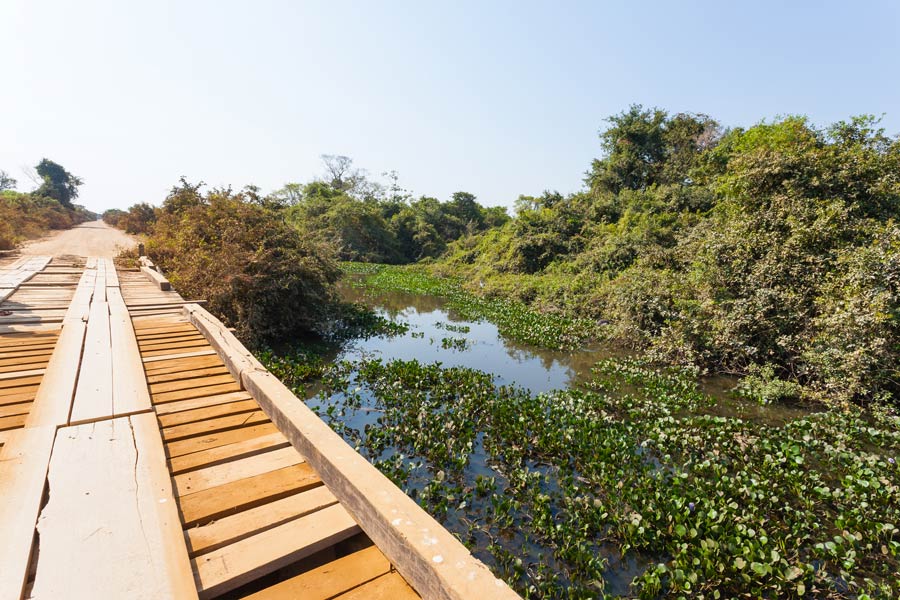
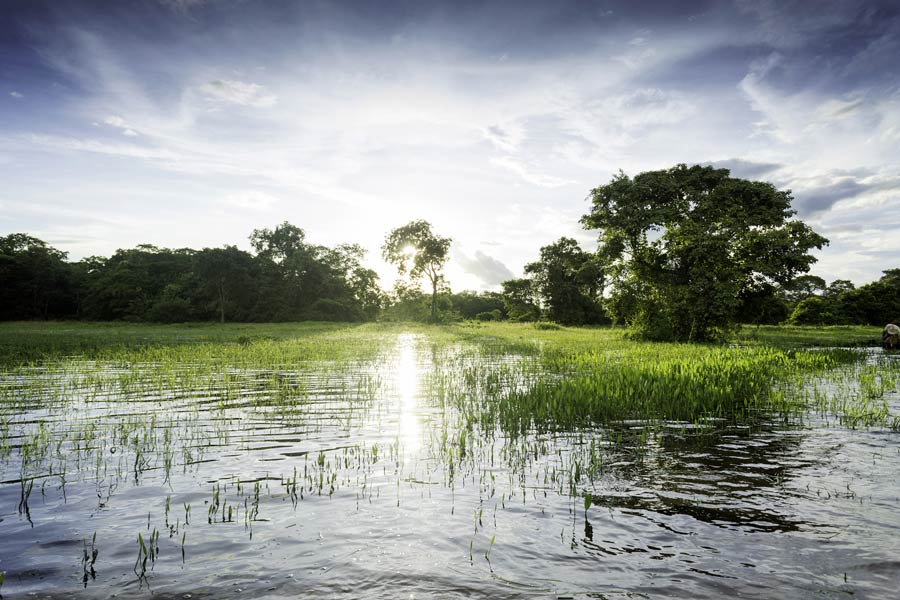
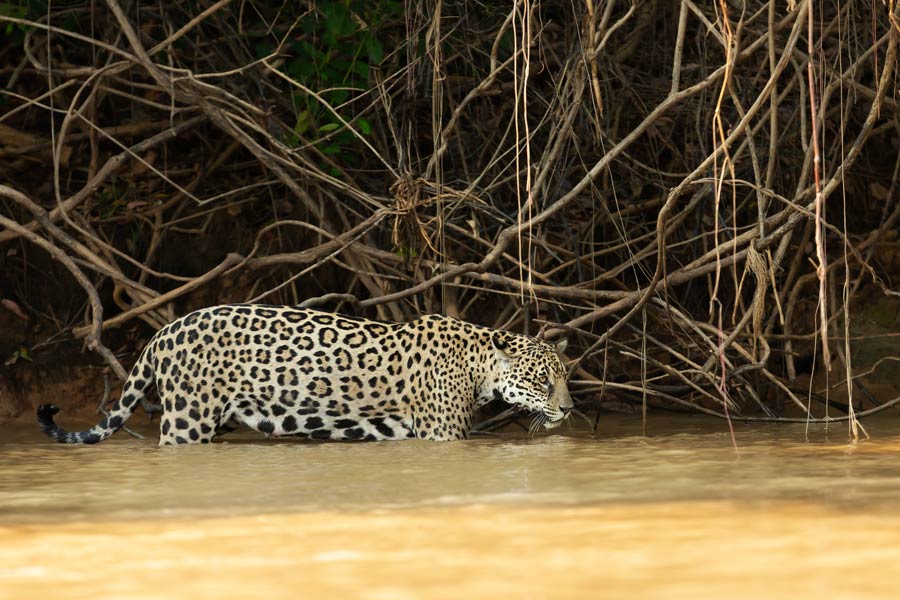
Journey into the heart of central Brazil on this 15-day adventure. Begin your adventure in Bonito, known for its crystal-clear rivers, sinkholes, and waterfalls. Continue into the Panatanal, the world's largest freshwater wetland. This program offers exceptional opportunities to observe wildlife and experience the natural beauty of one of the most biodiverse habitats on the South American continent. along the way, explore varied ecosystems and terrains through snorkel experiences, safari vehicles, small boat excursions, observation towers, and on foot.
Highlights
- Snorkel in the crystal-clear waters of Bonito’s spring-fed streams, observing colorful freshwater fish in their natural habitat.
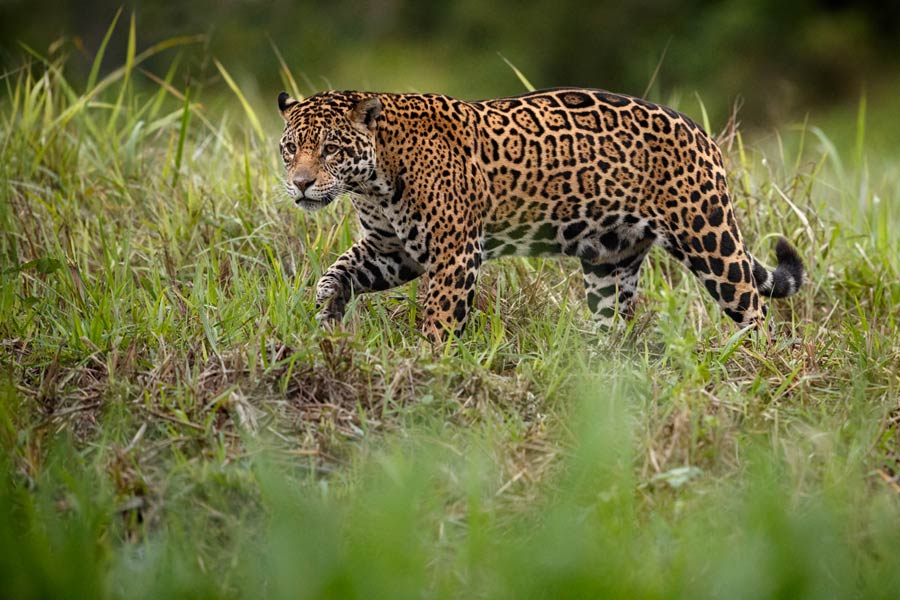
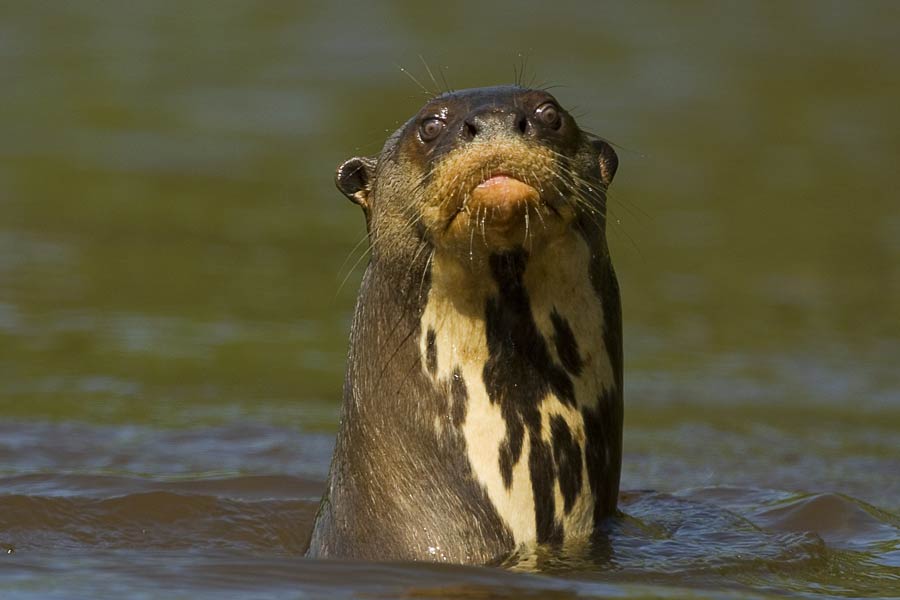
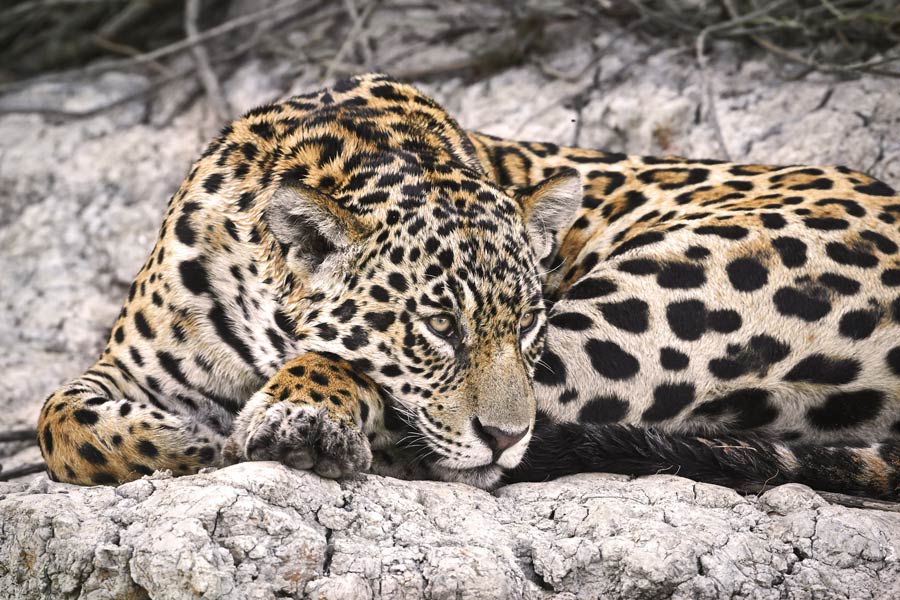
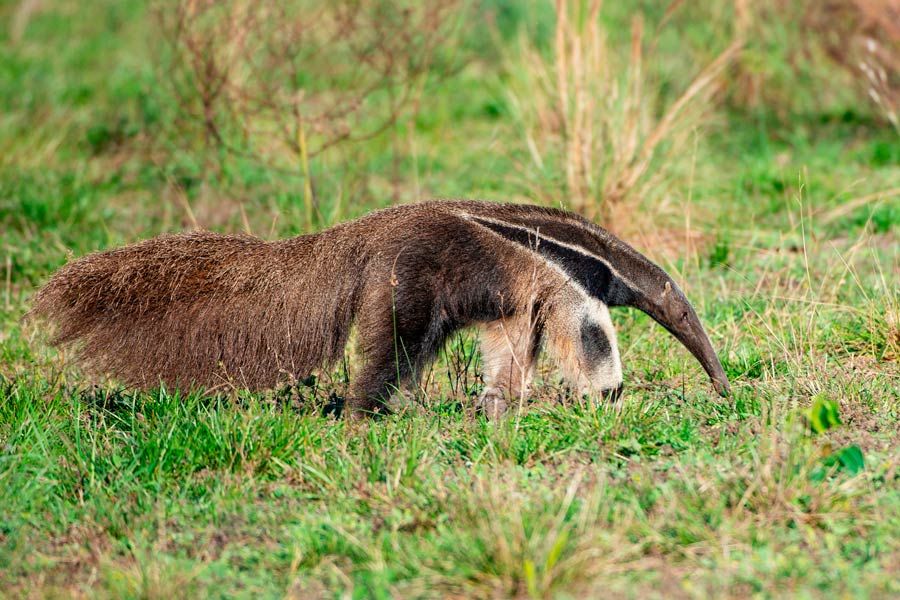
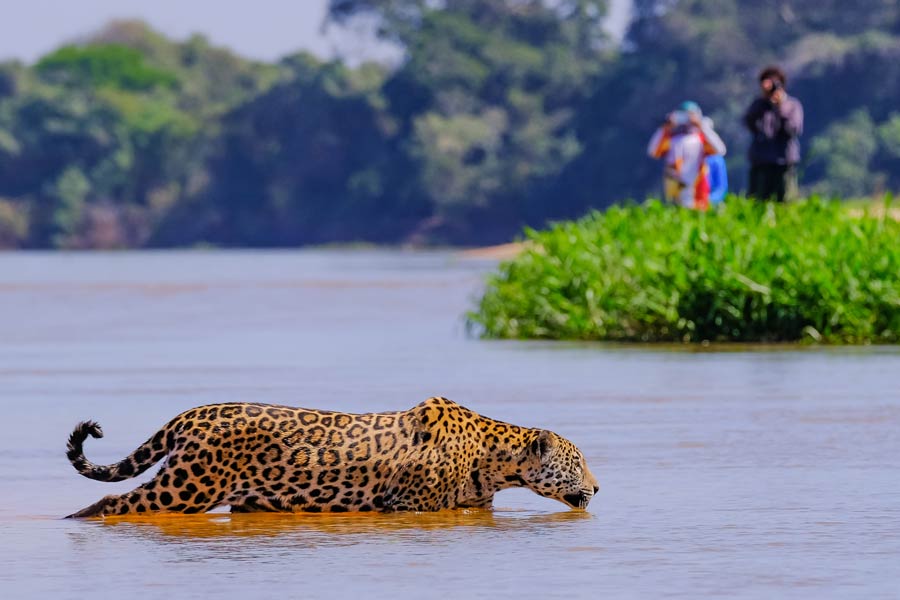
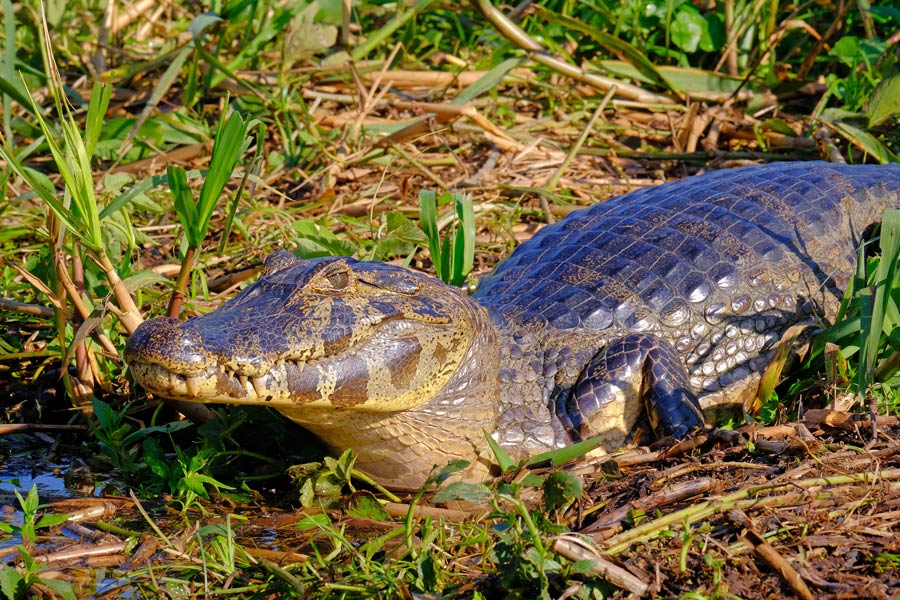
- Search for jaguars, capybaras, anteaters, tapirs, caimans, and much more while exploring the Pantanal.
- Enjoy boat excursions along wildlife-rich rivers and waterways, offering outstanding opportunities for photography and close wildlife observation.
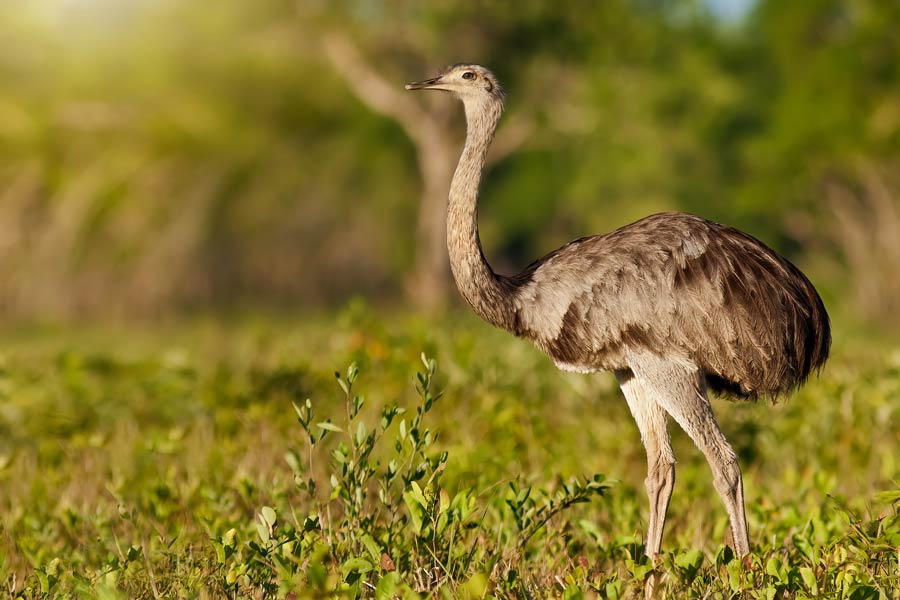
- Visit observation towers and forest trails to experience the region’s remarkable birdlife and panoramic landscapes.
- Learn about the unique ecology and conservation of the Pantanal through guided outings and informative lectures.
Activity Level 2: Easy-Moderate
Participants should be able to walk at least 2-3 hours over some uneven and potential slippery surfaces without difficulty and should be able to ascend or descend 50 stairs consecutively. Physical activities typically last for at least 2-3 hours at a time.
$12,325
Land Cost
Group size
Book 10 travelers and 1 group
leader travels for free
What makes us different

Rich content

Custom-tailored Trips

Worry-free Planning & Travel

Wildlife up-close

Low stress travel planning

Expert guides
Daily Itinerary
Print ItineraryDepart US
Day 1Campo Grande
Day 2Bonito
Day 3Bonito
Day 4South Pantanal
Day 5South Pantanal
Day 6Campo Grande
Day 7North Pantanal
Day 8North Pantanal
Day 9North Pantanal
Day 10North Pantanal
Day 11North Pantanal
Day 12North Pantanal
Day 13Depart
Day 14Arrive US
Day 15Pricing
Print Pricing$12,325
Land Cost
Group size
Book 10 travelers and 1 group
leader travels for free
What's Included
What's Not Included
Pricing Details
Prices are valid for travel from Apr 1, 2026 - Dec 31, 2027. Holiday surcharges may apply.
Travel Info
Print Travel InfoEntry & Exit Requirements
For entry into Brazil, U.S. citizens must have a passport valid for at least one month past your arrival date, and with at least one blank page for the entry stamp. As requirements are subject to change at any time and without notice, we recommend a passport that is valid for at least six months beyond your date of entry.
U.S. citizens must also obtain a visa for entry into Brazil. Visas must be obtained in advance; you cannot apply on arrival. An electronic visa is the easiest option for most travelers and can be obtained online at https://brazil.vfsevisa.com. To apply, you will be prompted to create an account and provide your passport information. You will need a color scan of the bio page of your passport with the MRZ code fully visible, as well as a passport-style photo, i.e. a color photo with a white background, sized 3.5 x 4.5 cm (413 x 531 pixels). The eVisa fee is USD $80.90 and can be paid using a Mastercard or Visa credit or debit card.
Once your application is approved, you will receive an email with a PDF file containing your eVisa, which you should print and be prepared to show prior to boarding your flight and again upon arrival in Brazil. We also recommend saving a digital copy on your phone as a backup. The average processing time for eVisa applications is 5-10 business days; we recommend applying well in advance (at least a month) to account for any possible delays.
If you are not traveling with a U.S. passport, please check with the Brazilian Embassy for the requirements based on your nationality. Also be aware that you are not permitted to apply for the eVisa if you are a Brazilian citizen.
Health Information
IMMUNIZATIONS
The Centers for Disease Control recommends that all travelers be up to date on routine vaccinations such as measles-mumps-rubella (MMR) vaccine, diphtheria-pertussis-tetanus vaccine, varicella (chicken pox) vaccine, and your yearly flu shot before every trip.
There are no vaccinations required for entry into Brazil.
Yellow fever is a risk in certain parts of Brazil, including the states of Mato Grosso and Mato Grosso do Sul. Though not required for entry, the CDC recommends the yellow fever vaccine if you are traveling to these areas.
The CDC also recommends inoculation against hepatitis A, hepatitis B, and typhoid for most unvaccinated travelers to Brazil.
Please consult your physician for additional information and recommendations based on your individual circumstances.
MALARIA
The CDC warns that travelers to Brazil, including the states of Mato Grosso and Mato Grosso do Sul, may be at risk for exposure to malaria. Malaria is caused by a parasite found in Anopheles mosquitos, which are active from dusk until dawn. Prevention is twofold: the use of anti-malarial drugs and the prevention of mosquito bites. If you choose to use an anti-malarial drug, as recommended by the CDC, see your physician for a prescription. To protect against mosquitos, cover exposed skin with lightweight, long-sleeved shirts and pants, consider treating clothes with permethrin, and use an insect repellent containing an active ingredient like DEET or picaridin. Apply sunscreen first, followed by the repellent (preferably 20 minutes later).
Dengue Fever & other insect-borne illnesses
The CDC warns that dengue fever is a potential risk in Brazil. Dengue fever is a viral disease transmitted by the Aedes mosquito, which, as opposed to the Anopheles mosquito, is active during the day. Travelers are unlikely to contract dengue unless they are traveling through an area where there is an outbreak.
In addition, locally transmitted cases of leishmaniasis, Zika virus, and other insect-borne illnesses have previously been reported. The CDC recommends that travelers to Brazil protect themselves against insect bites using the measures noted above. As a precaution, the CDC advises women who are pregnant to consider postponing travel to any area where Zika virus transmission is ongoing.
Other Nuisance Pests
In places with rich vegetation and proximity to bodies of water, you may encounter chiggers. These are mites that can superficially attach to skin and leave behind itchy red bumps that appear 3-6 hours after initial contact. Their bites are sometimes mistaken for those of bed bugs or other insects; however, unlike bed bugs, which tend to target exposed skin, chiggers look for skin folds or areas where clothing fits tightly—like the ankles, waist, underarms, elbow creases, and the back of the knees—to feed on broken-down skin cells. They are not known to transmit any illnesses in Brazil.
We recommend that travelers to the Pantanal protect themselves against chigger bites using the measures noted above. Additionally, if potential exposure occurs, we recommend showering and scrubbing skin with soap and hot water as quickly as possible. If that is not immediately feasible, promptly rub skin with a dry towel or cloth and place any exposed clothing in a zip-top bag until it can be washed. To treat any itchiness, we suggest over-the-counter anti-itch lotion and/or oral antihistamines.
SUN EXPOSURE
The effects of the sun can be damaging to the eyes and skin. Spending time outdoors exposes you to the sun’s harmful ultraviolet (UV) rays, even on cloudy days. To protect yourself from the sun, use a broad spectrum sunscreen of at least SPF 15, protect skin with clothing, wear a wide-brimmed hat and sunglasses, and drink plenty of fluids.
Respiratory Illness Protocols
Please review our Respiratory Illness Protocols page, which explains our policy and procedures if you or another traveler should develop symptoms of a respiratory illness during your trip. Your participation in a Holbrook Travel program indicates that you are in agreement with these protocols.
Resources
Print ResourcesPacking Recommendations
Everyone has personal preferences when it comes to packing; for this reason, the information below is offered as a general guide and not a definitive list. You know yourself best: Use your discretion and pack what you think will serve you, based on your personal preferences and specific itinerary.
You may find many of the items below in the New Headings Gear Store. Use code HolbrookGuest10 for a 10% discount on your purchase.
CLOTHING
Casual, comfortable clothing is suitable for most activities. You may wish to bring a slightly nicer outfit or two if your itinerary includes dinners out or more formal activities.
Bring enough clothing suitable for the length of your program. If you prefer to pack light, note that many hotels offer laundry services at additional cost. If you plan to hand-wash items, remember that humidity may delay drying time.
Pack clothing that can be worn in layers to adapt to weather changes throughout the day. The rainy season in the Pantanal is typically between November and April. Clothing that wicks away moisture and dries quickly is recommended.
- A combination of short-sleeved and lightweight, long-sleeved shirts for sun and insect protection
- Shorts
- Lightweight, quick-drying long pants for sun and insect protection
- Undergarments
- Sleepwear
- Lightweight jacket or sweater/sweatshirt
- Socks – Bring extra pairs.
- Shoes – Consider your specific itinerary when choosing footwear. For most programs, you’ll likely want at least one pair of comfortable, closed-toe, water-resistant or waterproof, walking or hiking shoes or boots. In addition, many participants opt for a pair of sturdy sport-strap sandals (e.g. Keens, Tevas, or similar) and/or casual flip-flops or sandals. You may also want a pair of aqua socks, reef walkers, or water shoes.
- Lightweight rain jacket, hooded poncho, and/or windbreaker
- Visor or wide-brimmed sun hat
- Bandana, scarf, or neck gaiter
Personal Toiletries
Pack toiletries based on your personal preferences and habits. Below are just a few recommendations to keep in mind.
- Shampoo, conditioner, lotion, deodorant/antiperspirant , etc. – If possible, avoid strong fragrances if you are sensitive to insect bites and in consideration of your fellow travelers.
- Soap and washcloth or a small, quick-drying microfiber towel – Washcloths are not standard in all hotels. If you normally use a washcloth, you may wish to bring one from home.
- Hairbrush, comb, hair ties, shower cap. Not all hotel rooms provide a hair dryer, so you may wish to bring one from home.
- Toothbrush and toothpaste
- Razor
- Ear plugs, especially if you are a light sleeper
- Personal hygiene products
- Insect repellent with DEET or picaridin (see note below about treating clothing with permethrin)
- Sunscreen and lip balm with SPF
- Aloe vera gel
- A travel pack of tissues – also useful as napkins or toilet paper if needed
In addition to your personal toiletries, it is useful to pack a small medical kit, which you can easily prepare. Helpful items might include: bandages, antihistamine, a pain reliever, motion sickness and/or altitude sickness medication (if you are prone to either), anti-diarrhea medicine, individually wrapped pre-moistened towelettes and/or hand sanitizer, antibiotic ointment, anti-fungal cream, moleskin for blisters, eye drops, tweezers, a mini sewing kit, and an extra pair of disposable contact lenses or eyeglasses if you wear them.
Days before you leave home, you may wish to consider spraying any clothing, socks, and shoes that will be worn in lowland, tropical sites with permethrin, an anti-parasite medication, to repel irritating pests and prevent the spread of disease. A recommended brand is Sawyer. Carefully read all instructions before use. Please note permethrin is highly toxic to cats and fish, and some aerosol products may be harmful to birds. Side effects may include minor itching, burning, or redness. You may want to use a laundry marker to label and keep track of which socks are permethrinized. Only one application per item is necessary; permethrin on treated clothes remains effective through several washings. Permethrin should NOT be applied directly to skin.
Miscellaneous
Remember to pack valuables such as your passport, cash/credit cards, and medications in your carry-on luggage.
- Passport and photocopies of all travel documentation
- Personal insurance card and travel insurance information
- Money – ATM/credit card, and/or cash; small bills in good condition are recommended
- Prescription medicines (if applicable), with a copy of the prescription
- Sunglasses with strap
- Small day pack for hikes and excursions
- Flashlight and/or head lamp
- Travel alarm clock or inexpensive waterproof wristwatch with alarm – Not all hotels provide alarm clocks.
- A pocket calculator or phone to assist with conversions and currency exchange
- Binoculars with lens cleaner
- Camera and related equipment, such as charger, lenses, and extra memory cards
- Reusable water bottle
- Non-perishable snacks
- Pocket-knife or multipurpose tool - Pack in your checked luggage
- Zip-top style bags – useful for packing toiletries, sorting clothing, storing damp or muddy shoes, or as a dry bag for protecting electronics
- Notepad or travel journal and pen
- Music or reading material for down time, long bus drives, or on the airplane, and a portable bright light to read by
- Collapsible walking stick with rubber tip
- A small quantity of laundry detergent if you’ll be washing clothing by hand
- Money belt
- Chargers for electronics; batteries
- Voltage converter and plug adapter

Questions?
For more information, contact us at 800-451-7111 or email travel@holbrooktravel.com.
Want to subscribe to the Holbrook Explorer?
Back from the Field: On the Jaguar's Trail in the Pantanal
Back from the Field: Experiencing the Cinematic Landscapes of the Pantanal

Environmentally Friendly Projects for a "Greener" Backyard
Alaska Up Close | Prince William Sound to the Kenai Peninsula
Costa Rica | Riches of the Rainforest, Arenal Volcano, and the Pacific Coast

Galápagos Islands | Cruising the Western and Central Islands
