Costa Rica | Rainforests, Cloud Forests, and Gardens
About this trip
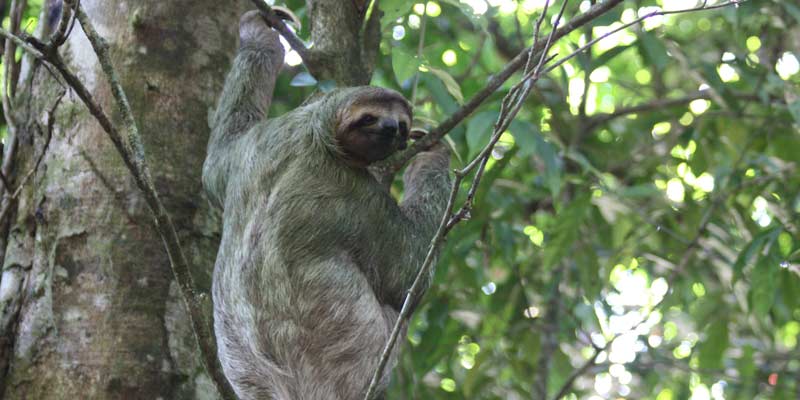
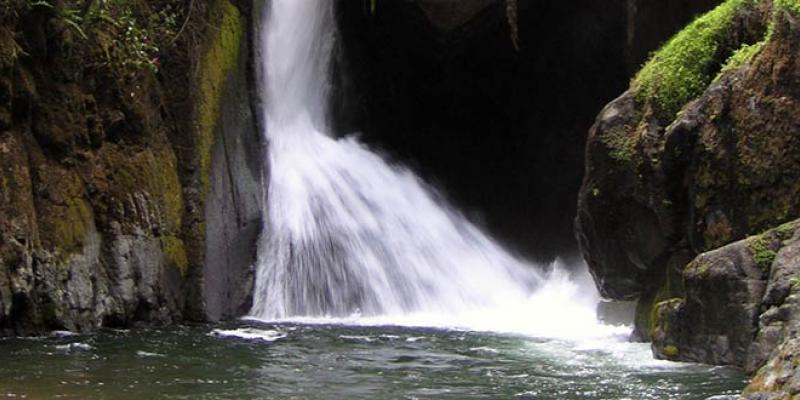
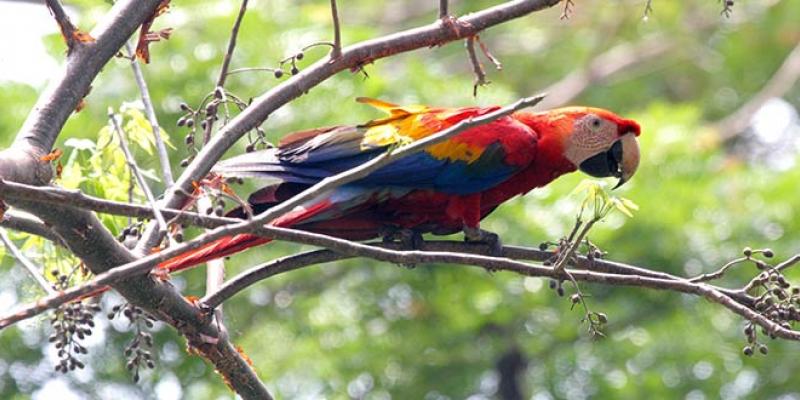
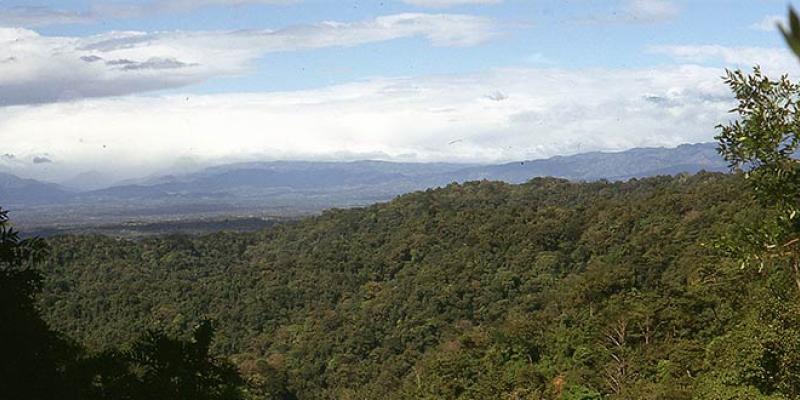
From towering ancient trees in thick transitional forests to well-maintained collections of ornamental plants in formal gardens, Costa Rica’s flora is as diverse and abundant as its famed wildlife. This 10-day garden tour visits rainforest, cloud forest, botanical gardens, and research stations to see examples of tropical, sub-tropical, rare, endangered, and unusual plants. In addition to the botanical highlights, enjoy opportunities to hike to waterfalls, spot wildlife, meet with research scientists, and sample local cuisine among many other activities. Discover why Costa Rica is known as one of the world’s top biodiversity hotspots!
Highlights
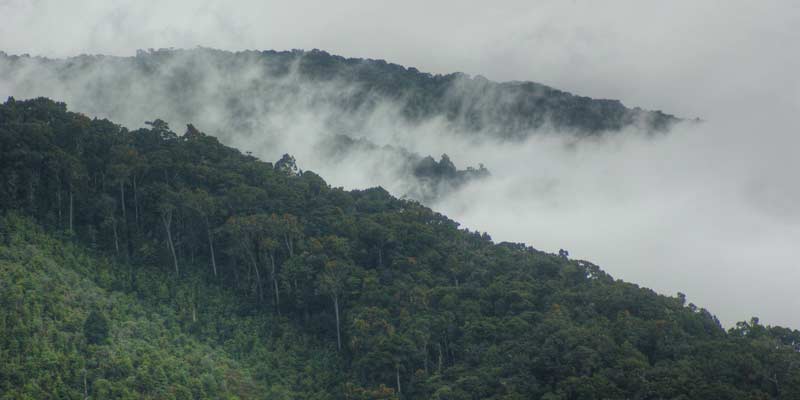
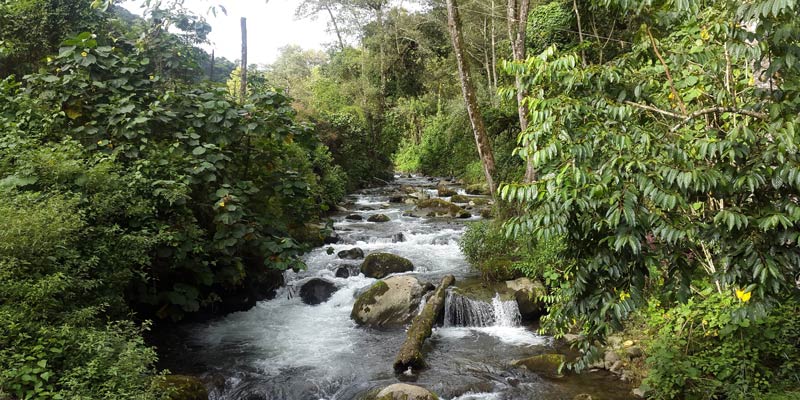
- Examine the varying vibrant flora of different types of Costa Rican forests including cloud forests, tropical rainforests, and premontane forests.
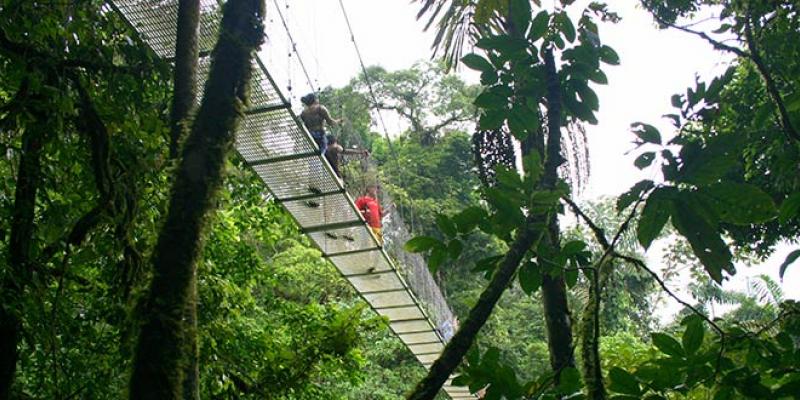
- Walk through the heart of the tropical rainforest on a Sky Walk at Villa Lapas.
- Take a guided hike through transitional forest at Carara National Park.
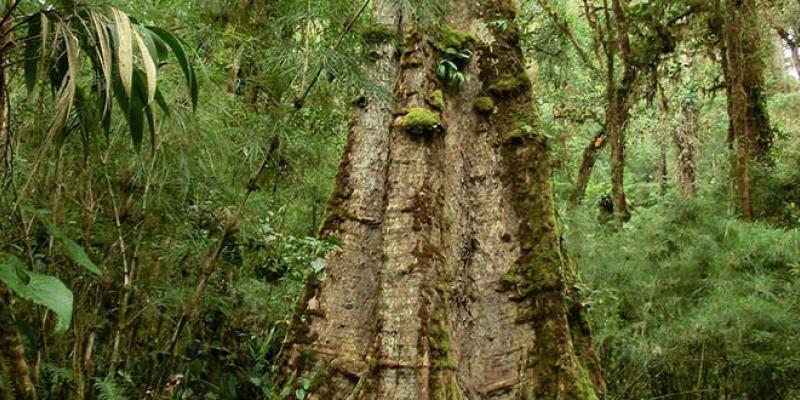
- Hike the trails at Savegre Lodge to see 700 year old tropical oak trees and magnificent waterfalls.
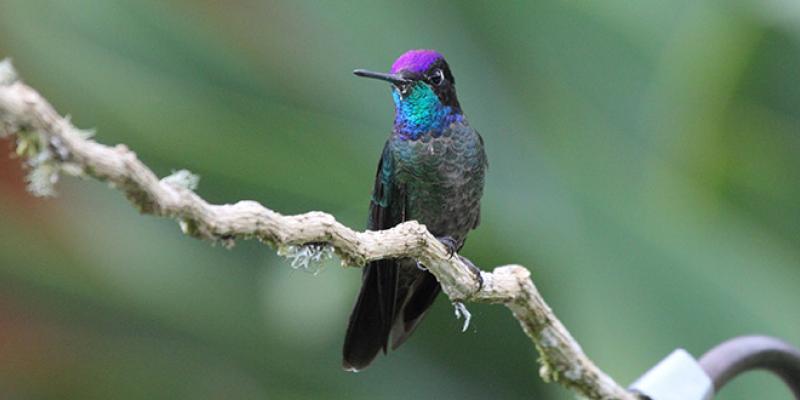
- Keep your eyes peeled for the Resplendent Quetzal, Savegre’s most iconic species.
- Tour the Wilson Botanical Garden, home of one of the world’s largest collections of palms and cycads.
What makes us different

Custom-tailored trips

Support local communities

Sustainable travel

Expert guides

Service anytime

Flight arrangements
Daily Itinerary
Print ItinerarySan José
Day 1San José
Day 2Tarcoles
Day 3Tarcoles
Day 4Las Cruces
Day 5Las Cruces
Day 6San Gerardo de Dota
Day 7San Gerardo de Dota
Day 8San José
Day 9San José
Day 10Pricing
Print PricingWhat's Included
What's Not Included
Travel Info
Print Travel InfoEntry & Exit Requirements
U.S. and Canadian citizens must have a valid passport to enter Costa Rica. Passports must be valid for at least the duration of your stay. As this requirement is subject to change at any time without notice, we recommend at least 6 months' validity.
A visa is not required for visits up to 30 days.
If you are not traveling with a U.S. passport, please check with the Costa Rican Embassy for the requirements based on your nationality.
When leaving Costa Rica there is a departure tax of approximately $29, which may be included in the cost of your ticket depending on your airline.
Health Information
IMMUNIZATIONS
The Centers for Disease Control recommends that all travelers be up to date on routine vaccinations such as measles-mumps-rubella (MMR) vaccine, diphtheria-pertussis-tetanus vaccine, varicella (chicken pox) vaccine, and your yearly flu shot before every trip.
There are no vaccinations required for entry into Costa Rica, unless you are traveling from an endemic yellow fever area within six weeks prior to entry.
Some physicians recommend that travelers get hepatitis A and typhoid vaccines before visiting Costa Rica.
Please consult your physician for additional information and recommendations based on your individual circumstances.
MALARIA
The CDC warns that travelers to Central America may be at risk for exposure to malaria. Malaria is caused by a parasite found in Anopheles mosquitos, which are active from dusk until dawn. Prevention is twofold: the use of anti-malarial drugs and the prevention of insect bites. If you choose to use an anti-malarial drug, as recommended by the CDC, see your physician for a prescription.
CHIKUNGUNYA
In June 2014, El Salvador reported locally transmitted cases of chikungunya in Central America. Local transmission means that mosquitoes in the area have been infected with chikungunya and are spreading it to people. Local transmission of chikungunya is now being reported in other countries in Central America. CDC recommends that travelers to the Central America area protect themselves from mosquito bites.
SUN EXPOSURE
The effects of the sun can be damaging to the eyes and skin. Spending time outdoors exposes you to the sun’s harmful ultraviolet (UV) rays, even on cloudy days. To protect yourself from the sun, use a broad spectrum sunscreen of at least SPF 15, protect skin with clothing, wear a wide-brimmed hat and sunglasses, and drink plenty of fluids.
Resources
Print ResourcesSuggested Packing List
CLOTHING
- T-shirts and one long-sleeved shirt for sun and mosquito protection
- Shorts for the field and in towns
- Pants (lightweight cotton), for protection against mosquitoes
- Lightweight jacket/poncho or sweater/sweatshirt
- Underwear
- Bathing suit
- Socks
- Shoes
- Hat or sun visor
- Waterproof gear -- coat, hat, shoes/boots
MISCELLANEOUS
- Binoculars (expensive ones are not necessary) and lens cleaner
- Camera and extra batteries
- A pocket calculator or phone to assist with currency exchange
- A small backpack for day walks
- Photocopies of all documentation, passport, and tickets
- Prescription drugs and a copy of the prescription
- Sunscreen
- Water bottle
- Non-perishable snacks
In addition to your toiletries, it is useful to pack a small medical kit, which you can easily prepare. Helpful items include bandages, mosquito repellant, antihistamine, a pain-reliever, individually wrapped moist towlettes, anti-diarrhea medicine, anti-fungal cream, and an extra pair of disposable contact lenses or eyeglasses if you wear them.
Want to subscribe to the Holbrook Explorer?

Little-known Facts About Orchids
Exploring the world's gardens: La Paz Waterfall Gardens
