Colombia | Northern Colombia Birding Trail: A Birder`s Paradise
About this trip
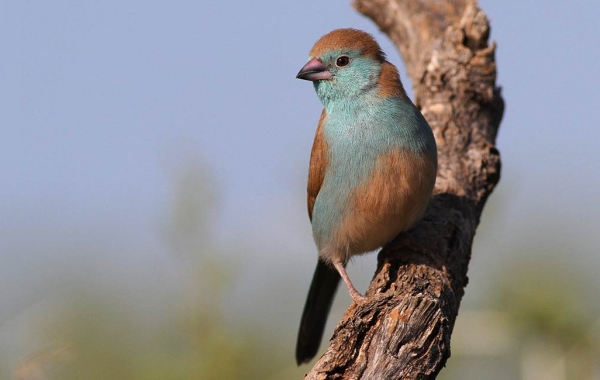
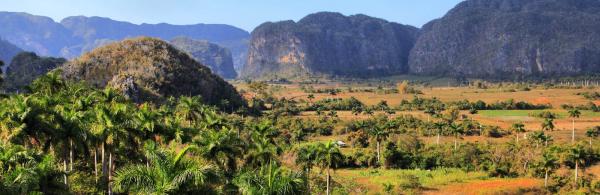
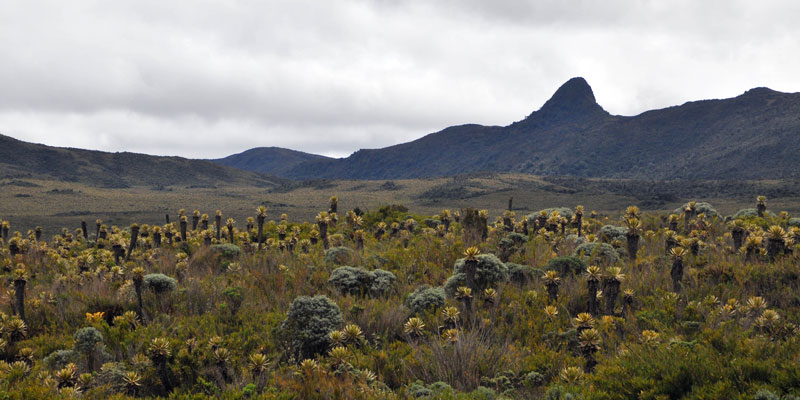
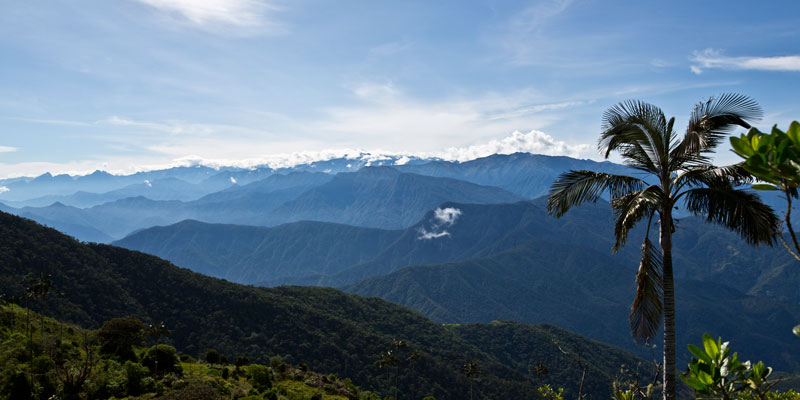
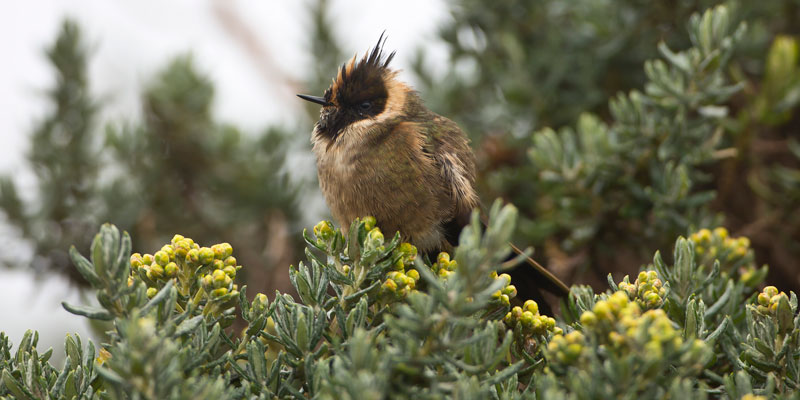
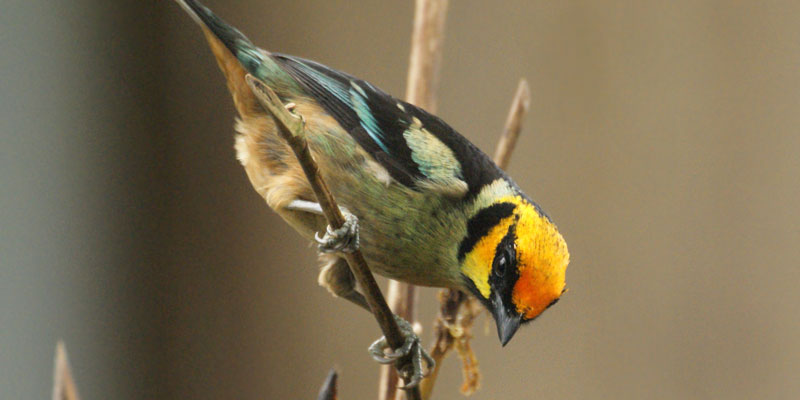
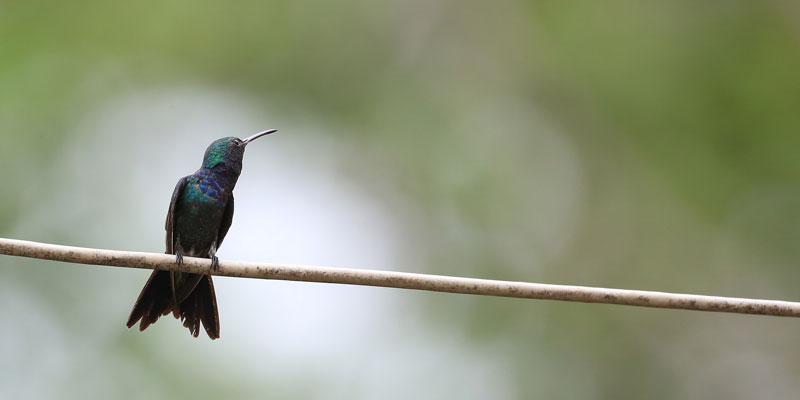
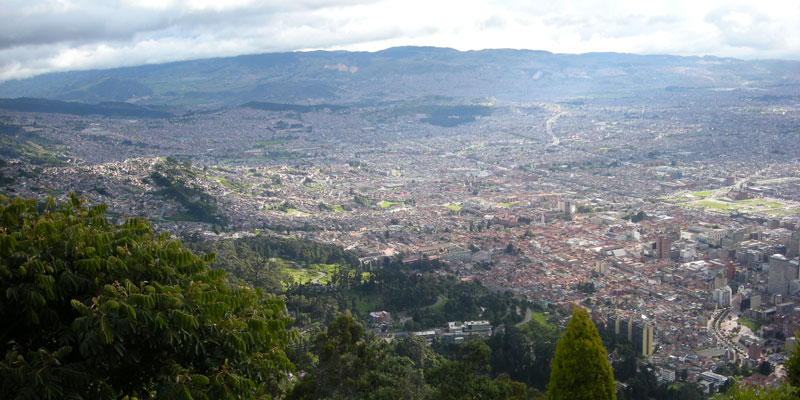
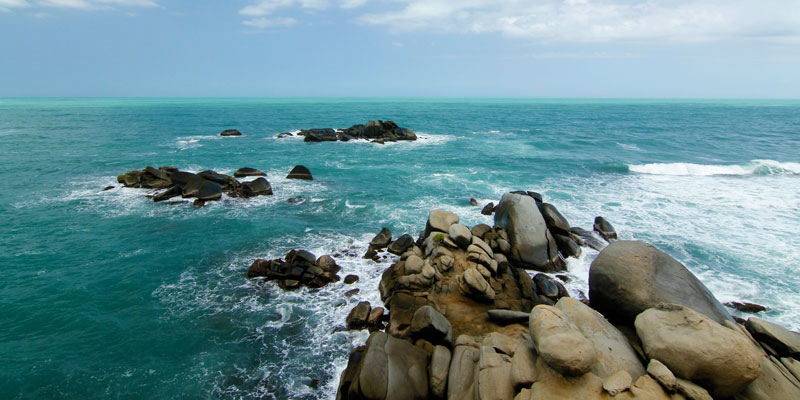
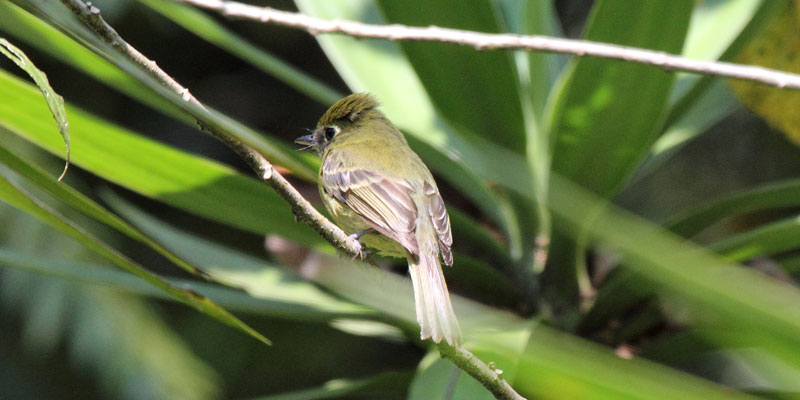
With over 1,900 avian species — more than any other country in the world — Colombia is a birder’s paradise waiting to be discovered. This 12-day program focuses on the country’s northern highlights, including the Caribbean region and the Santa Marta Mountains, famed for their high level of endemic species. Explore high elevation mountains, dry forest, páramo and coastal habitats in search of an array of tropical avifauna, including flycatchers, hummingbirds, tanagers, toucans, and more. Throughout your journey, meet members of the local community and learn about conservation efforts to use birding as a sustainable development resource.
Highlights
- Explore the Sierra Nevada de Santa Marta, home to more than a quarter of the country’s 73 endemic species.
- Discover the Perijá Mountains, one of the least explored areas of Colombia and a Holy Grail for birders.
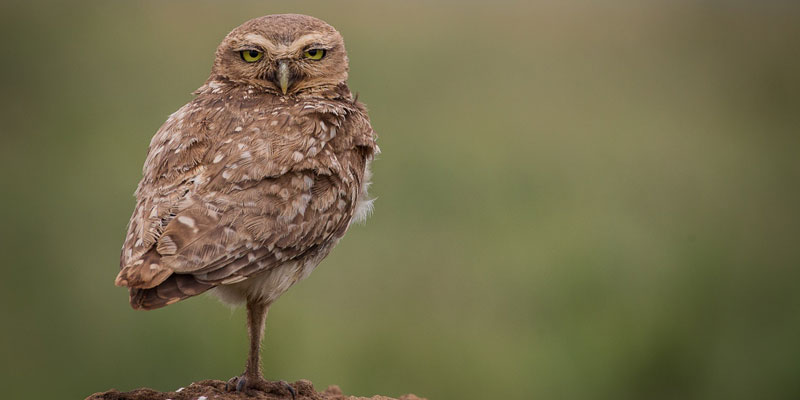
- Go owling in the dry forests of Los Besotes Reserve.
- Enjoy a presentation about conservation and training initiatives at El Dorado reserve in the Santa Marta Mountains.
- Seek out the rare Blue-billed Curassow and other tropical moist forest birds in Tayrona National Park.
Meet your leader
Philip Unitt
Philip Unitt is curator of SDNHM’s birds and mammals department and a specialist in subspecies identification of California birds. He is an active birder whose extensive experience spans more than 30 years. He is the author of The San Diego County Bird Atlas, The Birds of San Diego County, and editor of Western Birds. In the past he has led birding trips to such destinations as Ecuador, Costa Rica, Panama, and Peru.
HIGH INTENSITY: This program is for serious birders. Expect 6-8 hours of birding each day.
$5,250
Per person
About this price
Land cost only. Does not include international airfare.
What makes us different

Scopes

Rich content

Wildlife up-close

Service anytime

Top birding guides

Bird Conservation
Daily Itinerary
Print ItineraryBogotá
Valledupar
Serranía del Perijá
Serranía del Perijá
Serranía del Perijá
Riohacha
After an early start head to Riohacha, birding downslope, arriving in the afternoon. Time permitting, we will visit Los Flamencos Reserve. Those who are feeling the rough roads might prefer to stay back and enjoy the beach across the road. During our stay at Riohacha, we will learn about the Wayúu indigenous people. Taroa Lifestyle Hotel in Riohacha is the first Wayúu Lifestyle Hotel in Colombia. Every space in Taroa Lifestyle Hotel is inspired on the Wayúu culture, which is represented in their weaves, ceramics, vegetation, and gastronomy. The hotel is staffed with native Wayúu people.
Riohacha
Santa Marta Mountains
Santa Marta Mountains
Santa Marta Mountains
Bogotá
Depart
Pricing
Print Pricing$5,250
Per person
About this price
Land cost only. Does not include international airfare.
What's Included
- Accommodations with private bathrooms
- Activities and meals as mentioned in itinerary
- Water refill station during transfers
- Carbon Offset
- Internal flights relevant to itinerary
- Private transportation and driver for the duration of the program
What's Not Included
- Tips
- Trip cancellation coverage
Pricing Details
Cost is based on a minimum of 7 participants in double occupancy. Program may incur unforeseen fuel surcharges.
A $200 per person deposit and enrollment form is due to hold your space on this trip. This deposit is refundable 120 days prior to departure excluding a $100 cancellation fee. Cancellations after this date will result in loss of full deposit.
Travel/trip cancellation insurance is strongly recommended. For more information call Travel Insured at 800-243-3174 or visit travelinsured.com. Holbrook Travel's agency number is 15849.
Final payment due date: January 12, 2018
Travel Info
Print Travel InfoEntry & Exit Requirements
U.S. citizens must present a passport valid for at least the duration of their stay to enter Colombia.
A Colombian visa is not required for tourist stays of 90 days or less. Travelers entering Colombia are sometimes asked to present evidence of return or onward travel, usually in the form of a plane ticket.
No arrival tax is collected upon entry into Colombia, but travelers leaving by plane must pay an exit tax in cash at the airport. Most airlines include all or a portion of this fee in the cost of your airline ticket. Check with your airline beforehand to find out how much you will have to pay at the airport.
If you are not traveling with a U.S. passport, please check with the Colombian Embassy for the requirements based on your nationality.
Health and Safety
Please consult your physician for guidance on medical issues. Holbrook Travel is not authorized to provide medical information and the following advice should be confirmed with your doctor.
Immunizations
The Centers for Disease Control recommends that all travelers be up-to-date on routine vaccinations such as measles-mumps-rubella (MMR) vaccine, diphtheria-pertussis-tetanus vaccine, varicella (chicken pox) vaccine, and your yearly flu shot before every trip.
There are no vaccinations required for entry into Colombia. Some physicians recommend that travelers get hepatitis A and typhoid vaccines before visiting Colombia.
Please visit cdc.gov/travel or consult your physician for additional information and recommendations based on your individual circumstances.
Malaria
The CDC warns that travelers to Colombia may be at risk for exposure to malaria. Malaria is caused by a parasite found in Anopheles mosquitos, which are active from dusk until dawn. Prevention is twofold: the use of anti-malarial drugs and the prevention of insect bites. If you choose to use an anti-malarial drug, as recommended by the CDC, see your physician for a prescription.
Yellow Fever
According to the CDC, yellow fever is a risk in certain parts of Colombia. For more information please consult your physician, who can determine whether a yellow fever vaccination is recommended based on your travel itinerary.
Chikungunya
Locally transmitted cases of chikungunya have been reported in several South American countries, including Colombia. Local transmission means that mosquitoes in the area have been infected with chikungunya and are spreading it to people. The CDC recommends that travelers to Colombia protect themselves from mosquito bites.
ZIKA VIRUS
Locally transmitted cases of Zika virus have been reported in Colombia. Local transmission means that mosquitoes in the area have been infected with Zika and are spreading it to people. The CDC recommends that travelers to Colombia protect themselves from mosquito bites. As a precaution, the CDC advises women who are pregnant to consider postponing travel to any area where Zika virus transmission is ongoing.
ALTITUDE SICKNESS
Upon arrival at locations of high elevation, shortness of breath and a pounding heart are normal responses to the lack of oxygen in the air. However, for some visitors, these symptoms can deteriorate into altitude sickness. Headache, extreme tiredness, dizziness, nausea, and loss of appetite are standard symptoms. Staying hydrated and well rested is important to adjust to the altitude. Avoiding heavy, fatty foods and alcohol in the days before arriving to altitude can help. Over-the-counter medications are also available to help prevent or alleviate symptoms. It’s advisable to avoid sleep medications, as they can slow breathing and respiration, which aid in getting the blood oxygenated while sleeping. Participants who take blood pressure medications should discuss this with their doctor as the medication can drop pressure too low at times.
Resources
Print ResourcesSuggested Packing List
To help you get ready for your expedition, below is a suggested packing list. You may find many of these items in our Gear Store, plus many clothing and accessory items.
CLOTHING
- T-shirts and one long-sleeved shirt for sun and mosquito protection
- Shorts for the field and in towns
- Pants (lightweight cotton), for protection against mosquitoes
- Lightweight jacket/poncho or sweater/sweatshirt
- Underwear
- Bathing suit
- Socks
- Shoes
- Hat or sun visor
- Waterproof gear -- coat, hat, shoes/boots
MISCELLANEOUS
- Binoculars (expensive ones are not necessary) and lens cleaner
- Camera and extra batteries
- A pocket calculator or phone to assist with currency exchange
- A small backpack for day walks
- Photocopies of all documentation, passport, and tickets
- Prescription drugs and a copy of the prescription
- Sunscreen
- Water bottle
- Non-perishable snacks
In addition to your toiletries, it is useful to pack a small medical kit, which you can easily prepare. Helpful items include bandages, mosquito repellant, antihistamine, a pain-reliever, individually wrapped moist towlettes, anti-diarrhea medicine, anti-fungal cream, and an extra pair of disposable contact lenses or eyeglasses if you wear them.

Questions?
Contact Debbie Jordan at 866-748-6146 or debbie@holbrooktravel.com
Want to subscribe to the Holbrook Explorer?
Colombia: Paradise for Birdwatchers

Ten Tips for Planning Your Birding Trip
Great Animal Migrations of the World