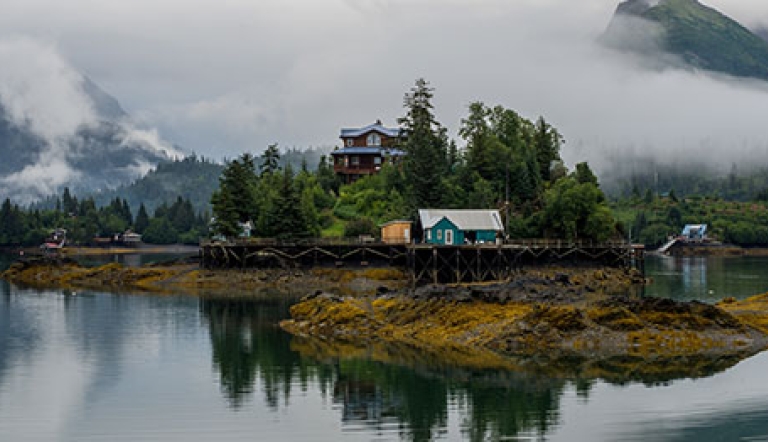
Cordova: Alaska`s Hidden Treasure
Date:
Activity Level:
Duration:
Price:
Interests:
About this trip
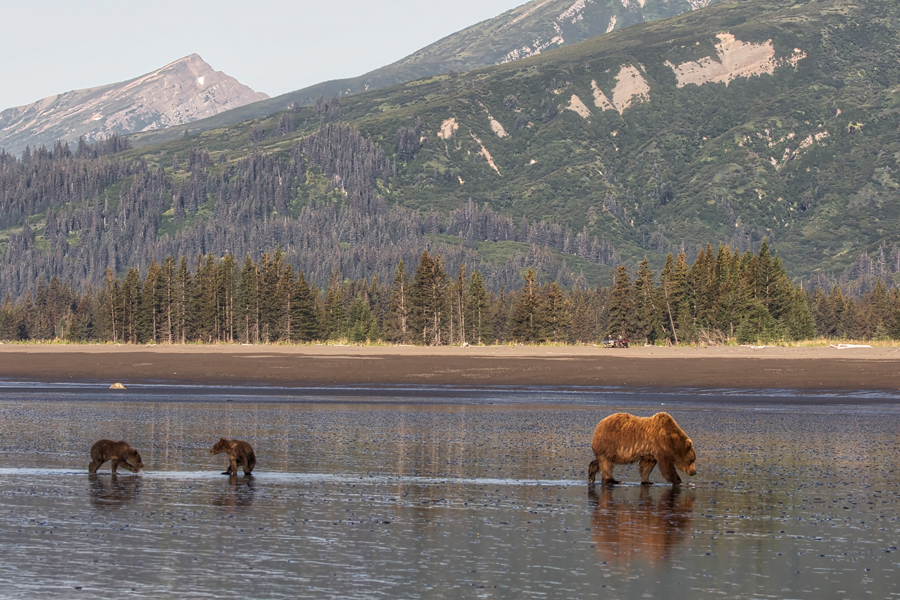
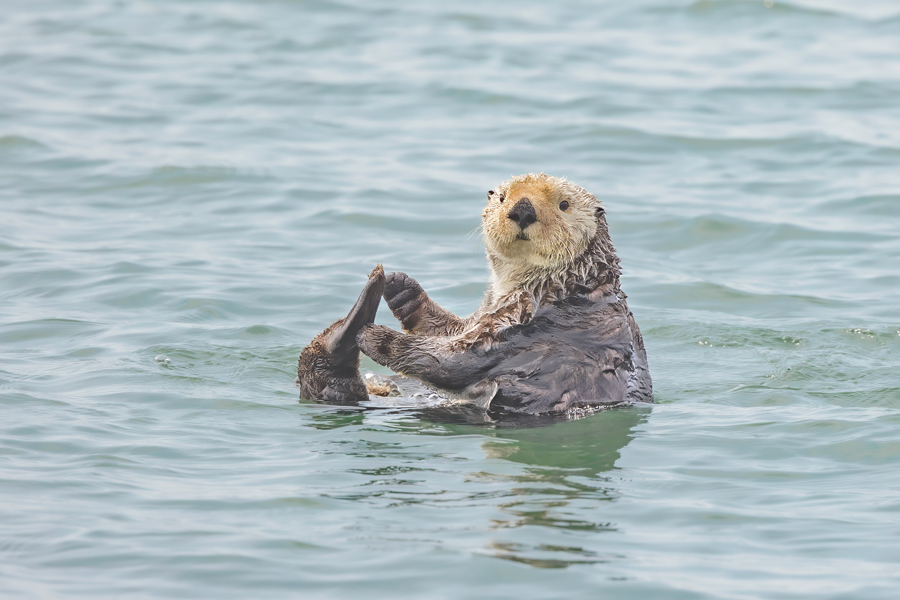
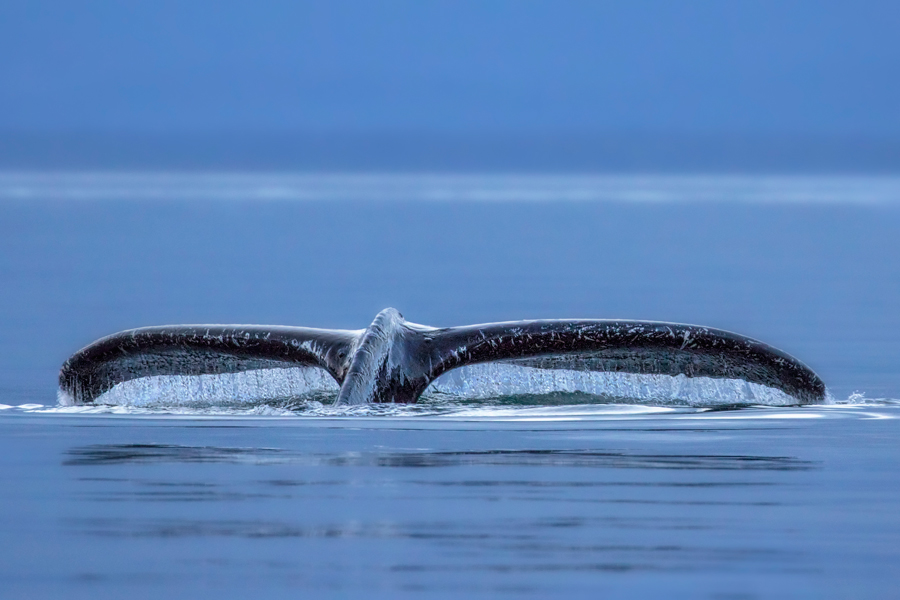
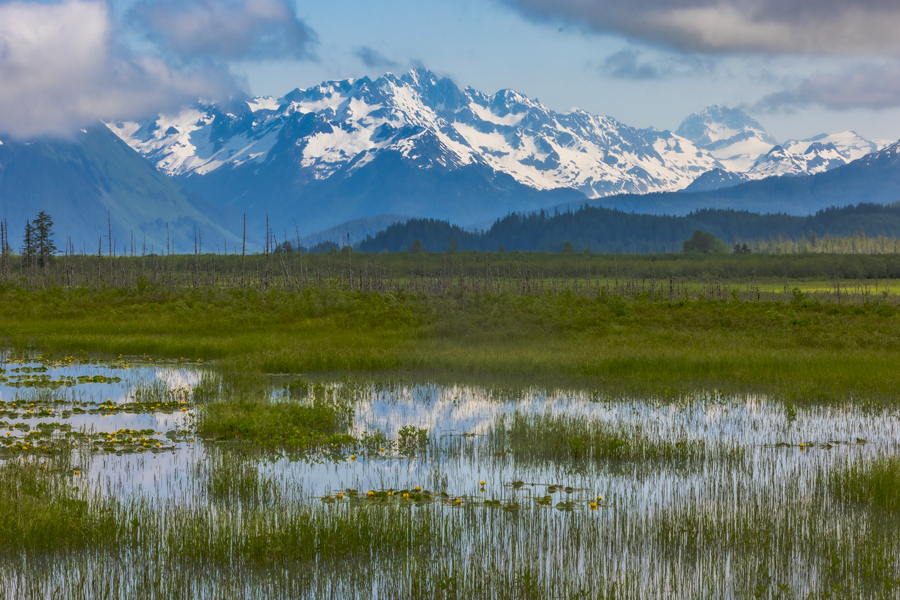
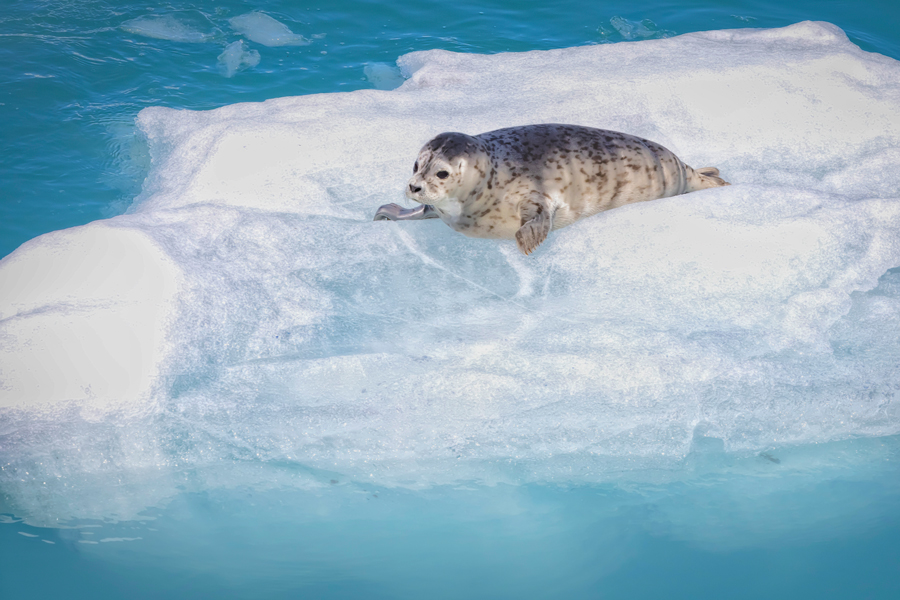
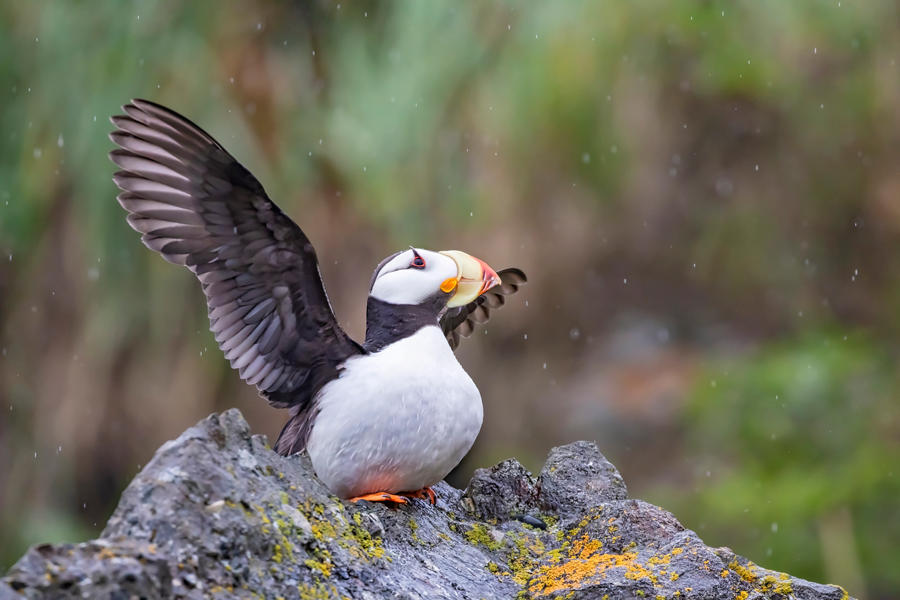
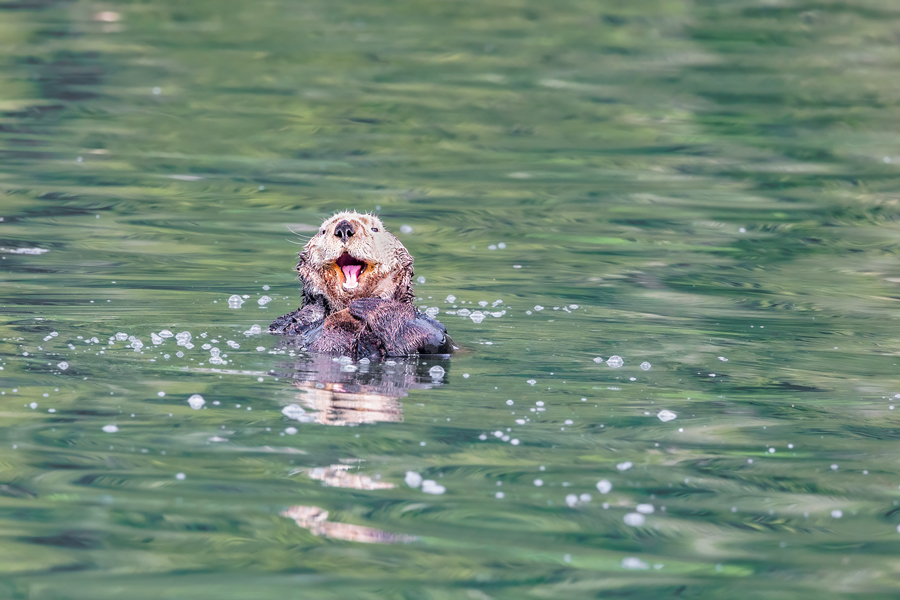
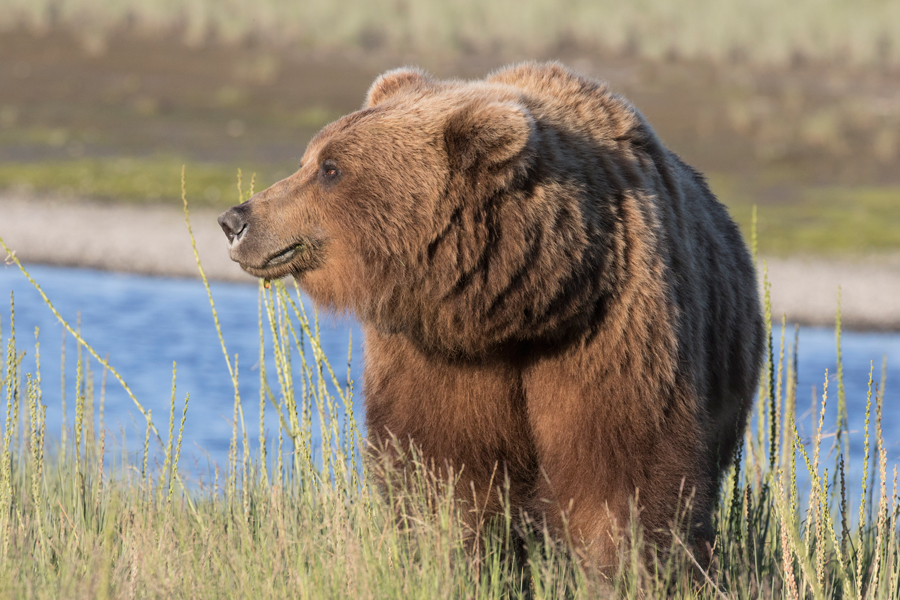
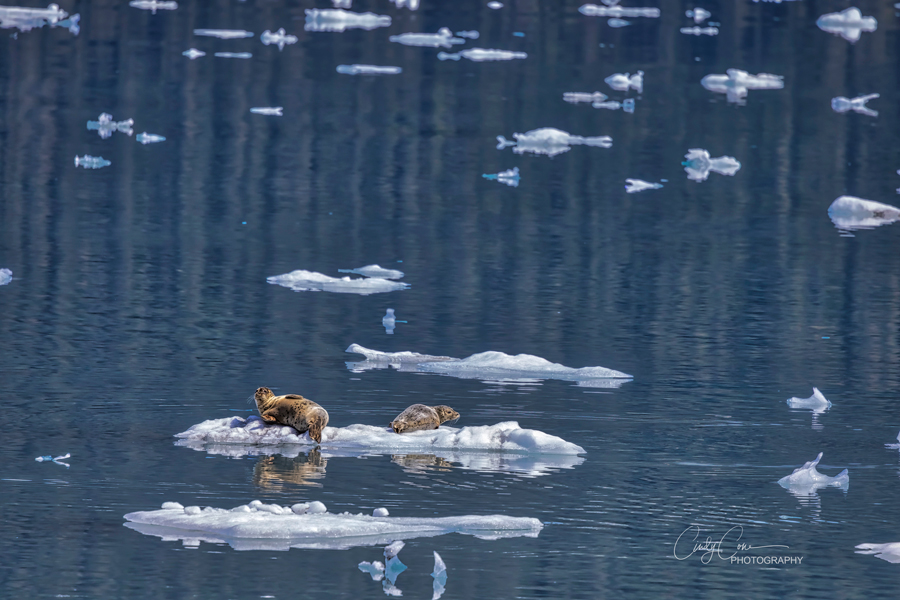
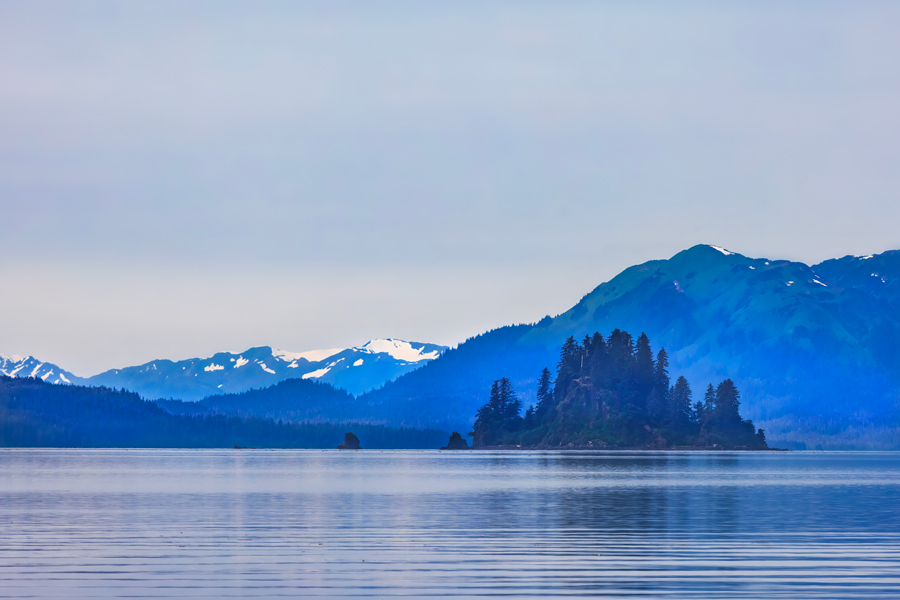
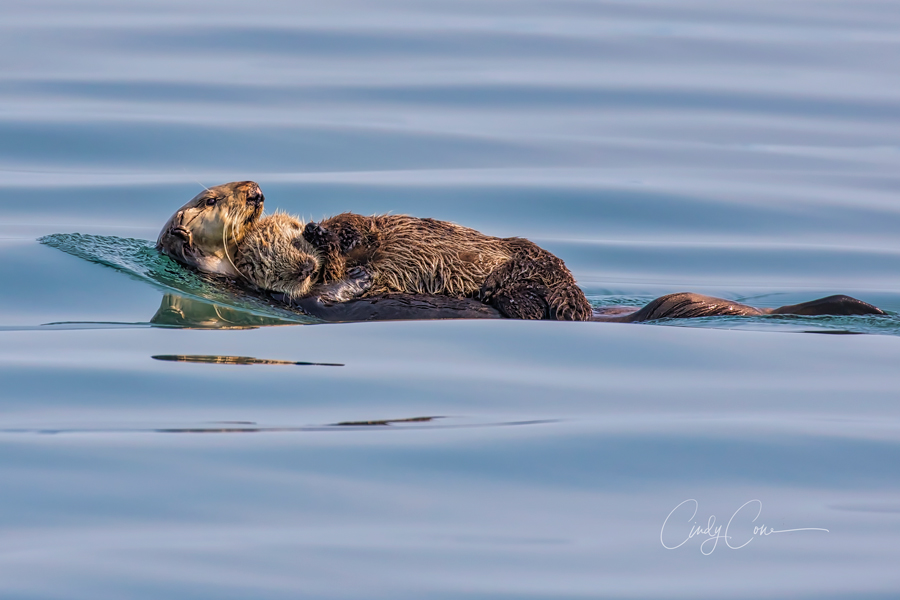
Nestled between the mouth of the Copper River and the Orca Inlet, the small town of Cordova – reached only by ferry or flight – provides a perfect location for exploring the pristine natural wonders of nearby Prince William Sound. Join expert photographer Cindy Cone on a 6-day journey to discover Alaska’s beauty as you hike and kayak through magnificent landscapes amid forests and glaciers, observing sea otters, whales, moose, bears, Kittiwakes, Puffins, and more. Learn about the natural forces, from geological activity to climate change, that have shaped the region over time, not only impacting the land but also the communities living there – past, present, and future.
Highlights
- Examine topics of geology and plate tectonics in the Copper River Delta, where evidence of Alaska's powerful 1964 earthquake is still visible.
- Marvel at the world’s largest population of sea otters, as well as several species of whales and other marine wildlife, at Orca Inlet.
- Take in stunning up-close views of Sheridan Glacier on a hike-and-kayak wilderness excursion and discuss the effects of climate change on this ecosystem.
- Learn about the rich history, culture, art, and ecological wisdom of Alaska’s Native People in several visits to museums, cultural centers, and historical villages.
Meet your host
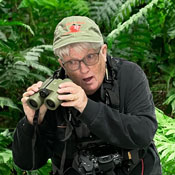 Cindy Cone
$3,200
Per person
About this price
Land cost only. Does not include round-trip airfare to and from destination.
Single room supplement $200
What makes us different

Rich content

Carbon offsetting

Wildlife up-close

Service anytime

Expert guides

Flight arrangements
Daily Itinerary
Print ItineraryCordova
Cordova
Cordova
Cordova
Anchorage
Pricing
Print Pricing$3,200
Per person
About this price
Land cost only. Does not include round-trip airfare to and from destination.
Single room supplement $200
What's Included
- Accommodations with private bathrooms
- Activities and meals as mentioned in itinerary
- Water refill station during transfers
- English-speaking guide, private transportation, and entrance fees.
- Full time guide for the duration of your program
- Carbon Offset
What's Not Included
- Items of a personal nature and tips.
- Round-trip airfare to and from destination
- Travel Insurance
Pricing Details
A deposit of $350 is required for participants to register and reserve space on the program. Reservations submitted beyond the final payment deadline noted below will require full payment to enroll. 120 or more days before departure: $100 cancellation fee; remaining balance is refunded. 119 - 96 days before departure: full deposit of $350 is forfeited. 95 - 0 days before departure: 100% of program price is forfeited.
Holbrook Travel strongly recommends the purchase of travel protection for medical emergencies while traveling and to protect your investment. Please note the purchase of Cancel for Any Reason Coverage or to exclude pre-existing conditions with Trip Cancellation coverage may require policy purchase within 10-14 days of your initial deposit, depending upon the provider.
Single room supplement $200
Final payment due date: May 04, 2026
Travel Info
Print Travel InfoEntry & Exit Requirements
U.S. travelers age 18 and over are required to carry valid government-issued identification—such as a REAL ID-compliant driver’s license, passport, permanent resident card, or other acceptable form of ID—for air travel within the U.S. If you are traveling with identification that is not REAL ID-compliant, you may use an alternative identity verification system called TSA “Confirm.ID” upon check-in and prior to entering the security line at the airport. There is a $45 fee to use this option, and it is valid for a 10-day travel period. If you use Confirm.ID, you may experience additional wait times at the airport.
A passport is required if traveling to Alaska through Canada.
To enter the U.S. by air, Canadian citizens need a passport or valid NEXUS card; to enter the U.S. by land or water, Canadian citizens need a passport, Trusted Traveler Program card, enhanced driver’s license (EDL) or enhanced identification card (EIC) from a province or territory where a U.S.-approved EDL/EIC program has been implemented, or a Secure Certificate of Indian Status.
If you are not traveling from the United States or Canada, please check with the U.S. Embassy for requirements based on your nationality.
Health Information
IMMUNIZATIONS
The CDC recommends that all travelers be up to date on routine vaccinations such as measles-mumps-rubella (MMR) vaccine, diphtheria-pertussis-tetanus vaccine, varicella (chicken pox) vaccine, and your yearly flu shot before every trip.
Please consult your physician for additional information and recommendations based on your individual circumstances.
FROSTBITE
If traveling in winter, frostbite can be a concern. Frostbite is damage to the skin from freezing and is due to prolonged exposure to cold temperatures. Symptoms include patches of reddened skin that become white, hard, and swollen; or skin that burns, tingles, or is numb or painful. Severe cases can result in blisters or ulcers forming and may involve deeper tissues. The most common sites for frostbite are the fingers, hands, toes, feet, ears, nose, and cheeks.
To avoid frostbite, dress warmly and in layers but avoid tight clothing as it may reduce circulation. Keep the face and extremities covered. Avoid overheating and excessive perspiration. Change wet clothing, especially socks and gloves.
HYPOTHERMIA
Hypothermia is life-threatening. It is caused by cold, wet, or windy weather that causes the body to lose heat faster than it can produce heat. Hypothermia can occur in rugged mountain terrain where the weather can change extremely fast, or after being soaked in a stream crossing or a boating accident since most Alaskan waters are very cold all year long.
Symptoms include feeling cold, uncontrollable shivering, clumsiness due to loss of muscle coordination, slurred speech, inability to think clearly, and eventual unconsciousness and cessation of reflexes including heart and lung functions. Many victims in the later stages of hypothermia feel warm and try to shed clothing.
To treat hypothermia, first warm the core of the body before the extremities. Remove any wet clothing. Re-warm the victim slowly; do not warm fast by immersing in warm/hot water. Provide shelter out of the weather. Warm drinks are not necessary, but may help in the psychological recovery. Do NOT give alcohol. Try to keep victim awake as this helps keep the body temperature up.
ANIMAL BITES/RABIES
Avoid wild animals that seem curious or don’t run away from humans. Arctic fox, red fox, wolves, caribou, dogs, and possibly river otters are known to carry rabies in Alaska. In the unlikely event of being bitten, clean the wound and control bleeding. Seek medical attention immediately.
Respiratory Illness Protocols
Please review our Respiratory Illness Protocols page, which explains our policy and procedures if you or another traveler should develop symptoms of a respiratory illness during your trip. Your participation in a Holbrook Travel program indicates that you are in agreement with these protocols.
Resources
Print ResourcesSuggested Packing List
Everyone has personal preferences when it comes to packing; for this reason, the information below is offered as a general guide and not a definitive list. You know yourself best: Use your discretion and pack what you think will serve you, based on your personal preferences, specific itinerary, and time of year.
You may find many of the items below in the New Headings Gear Store. Use code HolbrookGuest10 for a 10% discount on your purchase.
CLOTHING
Bring enough clothing suitable for the length of your program. Pack clothing that can be worn in layers to adapt to weather changes throughout the day.
- A combination of short- and long-sleeved shirts that can be worn in layers
- Shorts: one or two pairs for warm days
- Long pants, jeans, or trousers, plus a pair of fast-drying pants
- Sweater/sweatshirt/medium weight jacket
- Waterproof gear - lightweight rain jacket, hooded poncho, and/or windbreaker
- Wool hat or beanie and/or a hat with a brim (for sun protection)
- Gloves
- Undergarments
- Sleepwear
- Socks: bring extra pairs
- Shoes: You’ll likely want at least one pair of comfortable, closed-toe walking or hiking shoes with good ankle protection. In addition, many participants opt for a pair of sturdy sport-strap sandals (e.g. Keens, Tevas, or similar) and/or casual slip-ons or sandals for around the hotel.
- Bandana, scarf, or neck gaiter
Personal Toiletries
Pack toiletries based on your personal preferences and habits. Below are just a few recommendations to keep in mind.
- Shampoo, conditioner, lotion, deodorant/antiperspirant , etc.
- Soap and washcloth or a small, quick-drying microfiber towel
- Hairbrush, comb, hair ties, shower cap
- Toothbrush and toothpaste
- Razor
- Ear plugs, especially if you are a light sleeper
- Personal hygiene products
- Insect repellent with DEET or picaridin
- Sunscreen and lip balm with SPF
In addition to your personal toiletries, it is useful to pack a small medical kit, which you can easily prepare. Helpful items might include: bandages, antihistamine, a pain reliever, motion sickness and/or altitude sickness medication (if you are prone to either), anti-diarrhea medicine, individually wrapped pre-moistened towelettes and/or hand sanitizer, antibiotic ointment, anti-fungal cream, a travel pack of tissues, moleskin for blisters, eye drops, tweezers, a mini sewing kit, and an extra pair of disposable contact lenses or eyeglasses if you wear them.
Miscellaneous
Remember to pack valuables such as your ID, cash/credit cards, and medications in your carry-on luggage.
- Photo ID (or passport, if traveling internationally) and photocopies of all travel documentation
- Personal insurance card and travel insurance information
- Money – ATM/credit card and/or cash
- Prescription medicines (if applicable), with a copy of the prescription
- Sunglasses with strap
- Small day pack for hikes and excursions
- Flashlight and/or head lamp
- Binoculars with lens cleaner
- Camera and related equipment, such as charger, lenses, and extra memory cards
- Reusable water bottle
- Pocket-knife or multipurpose tool - Pack in your checked luggage
- Zip-top style bags – useful for packing toiletries, sorting clothing, storing damp or muddy shoes, or as a dry bag for protecting electronics
- Notepad or travel journal and pen
- Music or reading material for down time, long transfers, or on the airplane, and a portable bright light to read by
- Collapsible walking stick with rubber tip
- Chargers for electronics
Questions?
Contact Lisa Palmese-Graubard at 800-451-7111 x339 or lisa@holbrooktravel.com.
Want to subscribe to the Holbrook Explorer?
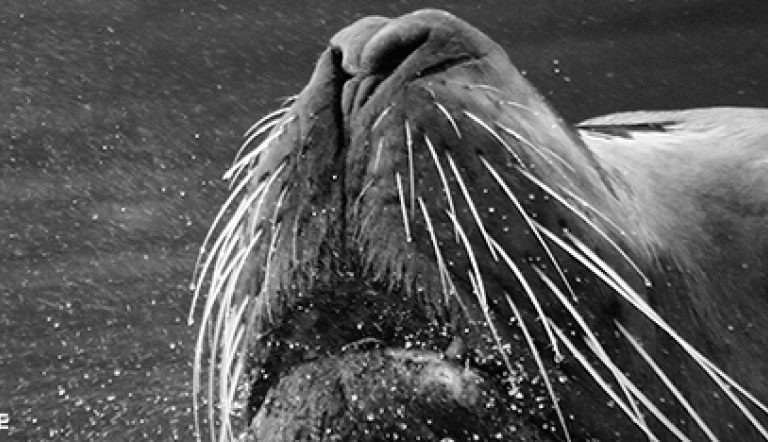
Photography in Alaska: Tips to Prepare Like a Pro
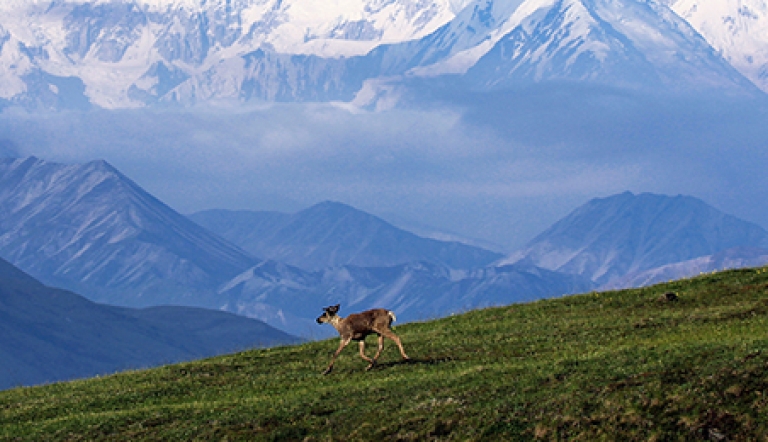
Photo Gallery: Wildlife of the Far North