

About this trip
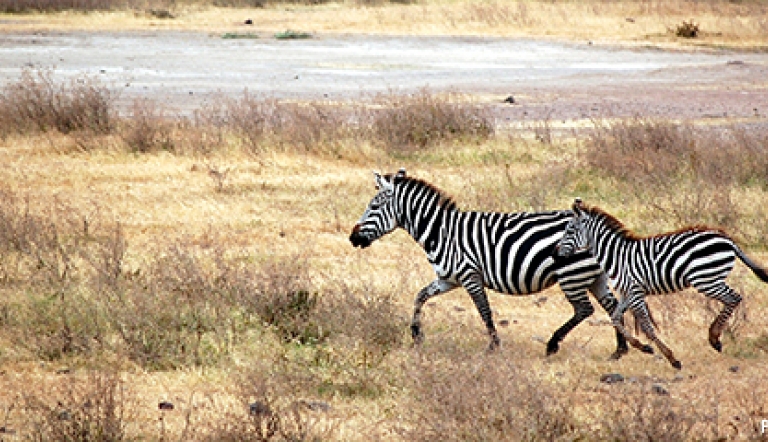
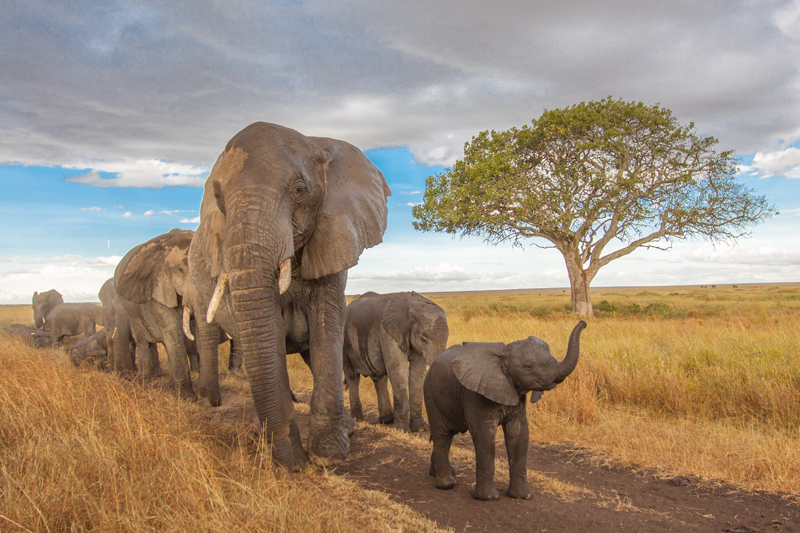
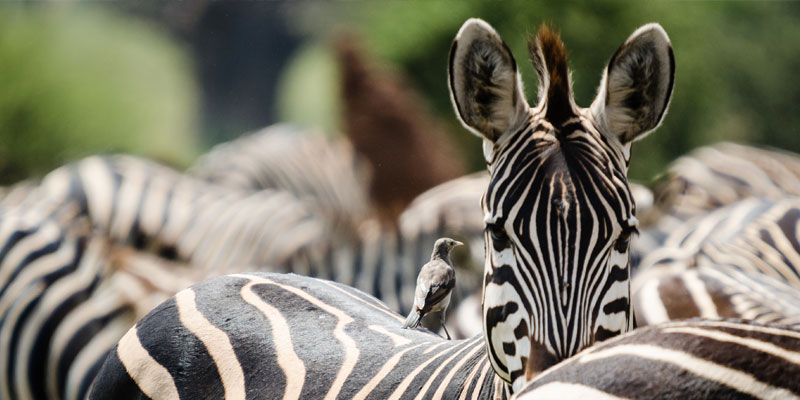
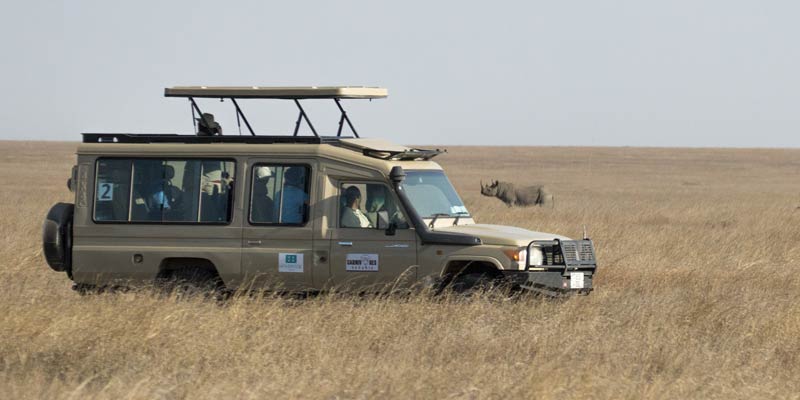
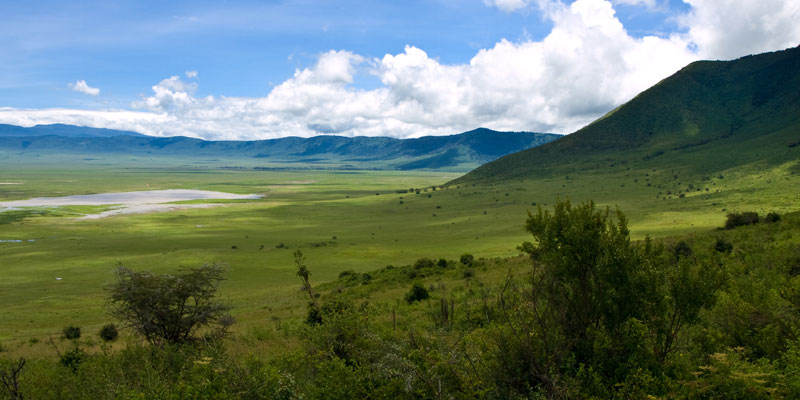
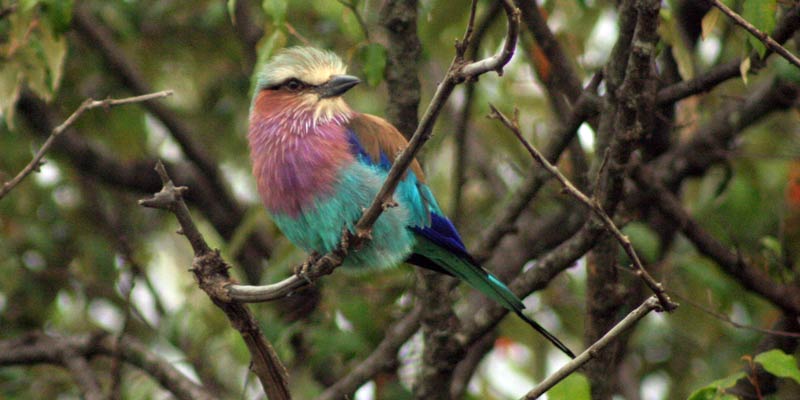
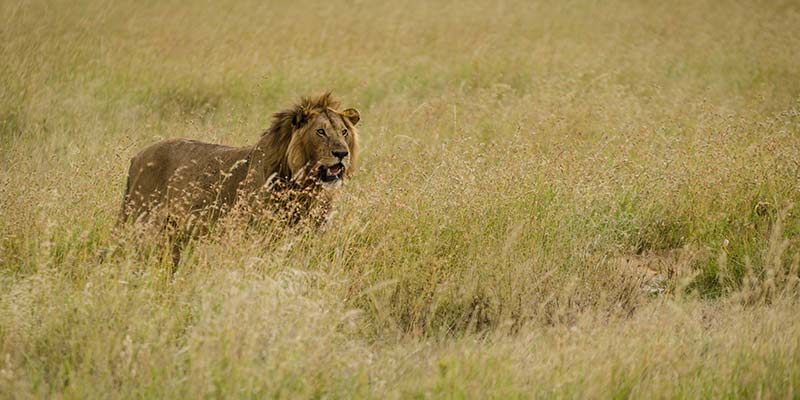
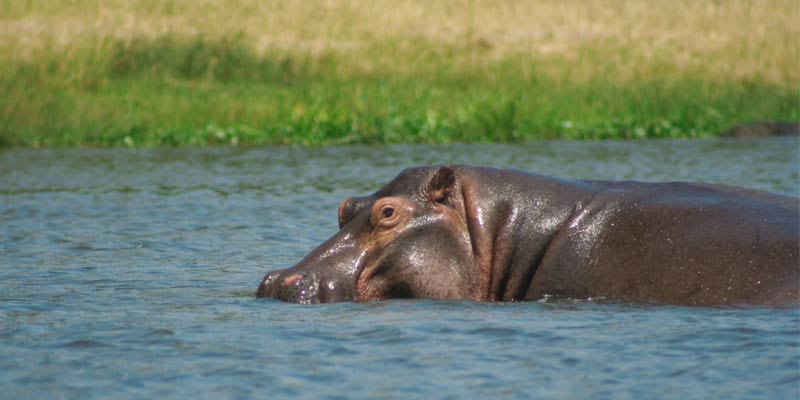
Tanzania calls to mind vast landscapes dotted with herds of wildlife, lions lounging blissfully on sun-drenched rocks, and mighty elephants trundling through tall grasses. This 11-day safari with Eric Simon makes vision a reality in Tanzania’s most celebrated parks for spectacular wildlife viewing. Set out on daily game drives in open-top safari vehicles in the protected natural areas of Ngorongoro Conservation Area and Serengeti and Tarangire National Parks. Return each day to memorable accommodations nestled amid idyllic African beauty, from the rim of Ngorongoro Crater to luxury tented camps perfectly positioned to access migration paths.
Highlights
- Embark on daily game drives for the chance to observe Africa’s iconic “Big Five” and other wildlife up close.
- Witness the legendary Great Migration during peak wildebeest birthing season on game drives in the Central and Southern Serengeti.
- Explore Tarangire National Park, known for its large herds of up to 300 elephants.
- Descend into Ngorongoro Crater, the world's largest intact volcanic caldera and home to the densest population of predators in Africa.
- Learn clues to the origins of mankind at Olduvai Gorge, where important fossil remains were discovered.
$6,495
Per person
About this price
Land cost only. Does not include round-trip airfare to and from destination.
Single room supplement $1190
What makes us different

Wildlife up-close

Expert guides

Rich content

Low stress travel planning

Flight arrangements

Service anytime
Daily Itinerary
Print ItineraryArusha
Arusha
Ngorongoro Crater
Southern Serengeti
Southern Serengeti
Central Serengeti
Karatu
Karatu
Tarangire
Arusha
Home
Pricing
Print Pricing$6,495
Per person
About this price
Land cost only. Does not include round-trip airfare to and from destination.
Single room supplement $1190
What's Included
- Activities and meals as mentioned in itinerary
- Gratuities for all guides, drivers, meals and porters
- Arrival and departure transfers based on individual flight schedules
- Water refill station during transfers
- Flying Doctors membership
- Full time driver/guide for the duration of your program
- Non alcoholic beverage with meals
What's Not Included
- Items of personal nature
- Carbon Offset
- International airfare
- Travel Insurance
- Visa fees
Pricing Details
A $350 per person deposit and enrollment form is due to hold your space on this trip. This deposit is refundable 95 days prior to departure excluding a $100 cancellation fee. Cancellations after this date are non refundable.
Please note: Your participation as a traveler indicates acceptance of Holbrook Travel’s Covid-19 protocols in place at time of travel.
Holbrook Travel strongly recommends the purchase of travel insurance for medical emergencies while traveling and to protect your investment. Please note the purchase of Cancel for Any Reason Coverage or to exclude pre-existing conditions with Trip Cancellation coverage may require policy purchase within 10-14 days of your initial deposit, depending upon the provider.
Single room supplement $1190
Final payment due date: November 16, 2022
Travel Info
Print Travel InfoEntry & Exit Requirements
U.S. citizens must have a valid passport to enter Tanzania. Passports must be valid for at least six months after the date of entry and have at least one blank page available.
A tourist visa is also required for entry. An e-visa can be obtained online in advance by completing the e-visa application form and making payment online with a credit card or bank transfer at www.immigration.go.tz. Processing can take up to 10 days; please allow yourself sufficient time prior to travel. If the e-visa is approved, you will receive a “grant notice” via email. You must present a printed copy of the grant notice to the Immigration Officer on arrival at the airport in Tanzania.
U.S. citizens may also opt to obtain a tourist visa upon arrival at the airport in Tanzania, though we do not recommend this option. Expect delays if you choose to obtain a visa at the airport. Be prepared to pay in cash, as credit card payments can be unreliable due to connectivity issues.
The visa fee is USD $100 for a 12-month multiple-entry visa (subject to change).
If you are not traveling with a U.S. passport, please check with the Tanzanian Embassy for the requirements based on your nationality.
Health Information
IMMUNIZATIONS
The Centers for Disease Control recommends that all travelers be up to date on routine vaccinations such as measles-mumps-rubella (MMR) vaccine, diphtheria-pertussis-tetanus vaccine, varicella (chicken pox) vaccine, and your yearly flu shot before every trip.
There are no vaccinations required for entry into Tanzania, unless you are traveling from a country where yellow fever transmission is a risk, in which case proof of yellow fever vaccination is required.
Additionally, the CDC recommends inoculation against hepatitis A, hepatitis B, and typhoid for most travelers to Tanzania.
Please consult your physician for additional information and recommendations based on your individual circumstances.
MALARIA
The CDC warns that travelers to Tanzania may be at risk for exposure to malaria. Malaria is caused by a parasite found in Anopheles mosquitos, which are active from dusk until dawn. Prevention is twofold: the use of anti-malarial drugs and the prevention of insect bites. If you choose to use an anti-malarial drug, as recommended by the CDC, see your physician for a prescription.
To protect against mosquitos and other biting insects, cover exposed skin with lightweight, long-sleeved shirts and pants, consider treating clothes with permethrin, and use an insect repellent containing an active ingredient like DEET or picaridin. Apply sunscreen first, followed by the repellent (preferably 20 minutes later).
OTHER INSECT-BORNE ILLNESSES
In addition to malaria, the CDC warns that travelers may be at risk for other illnesses transmitted by mosquitos, ticks, or sand flies, such as dengue fever, chikungunya, African tick-bite fever, and others. Travelers are advised to protect themselves against insect bites using the measures noted above.
After spending time outdoors, especially in grassy or wooded areas, the CDC recommends showering and conducting a full-body check for ticks. If you find a tick attached to your skin, safely remove it as soon as possible.
WILDLIFE
Follow all instructions from your guides regarding wildlife. Animals may become aggressive to protect themselves, their young or their mates, or to guard a food supply. Do not make sudden movements either toward or away from them, as this may be interpreted as threatening or territorial. Avoid stray dogs, as they may carry rabies. In the unlikely event of being bitten, clean the wound and control bleeding. Seek medical attention immediately.
Parasites & Bacteria
Avoid swimming or bathing in freshwater lakes or rivers. Some freshwater bodies contain disease-causing parasites or bacteria that may be contracted through contact with infected water.
SUN EXPOSURE
The effects of the sun can be damaging to the eyes and skin. Spending time outdoors exposes you to the sun’s harmful ultraviolet (UV) rays, even on cloudy days. To protect yourself from the sun, use a broad spectrum sunscreen of at least SPF 15, protect skin with clothing, wear a wide-brimmed hat and sunglasses, and drink plenty of fluids.
CPAP Machines
This program spends time in remote areas of Tanzania where electricity is supplied through generators or solar power. Most safari lodges and tented camps shut off electrical power during part of the night in order to conserve energy.
If you use a CPAP machine, please bring a battery pack (and any necessary cables) to power your equipment when electricity is not available. The battery pack can be charged during the day in preparation for nighttime use.
Travelers Diarrhea
The CDC warns that travelers’ diarrhea is one of the most common travel-related illnesses worldwide. Consumption of contaminated food and water may cause diarrhea. To avoid this, do not drink tap water, and use bottled water to brush your teeth. Avoid ice and uncooked vegetables or fruit without a peel. When in doubt, ask your guide. Restrict yourself to cooked food at restaurants, and avoid food sold on the streets. If you contract diarrhea, it is important to drink large quantities of purified water. Consult your doctor for appropriate medication should you experience diarrhea.
Resources
Print ResourcesPacking Recommendations
Everyone has personal preferences when it comes to packing; for this reason, the information below is offered as a general guide and not a definitive list. You know yourself best: Use your discretion and pack what you think will serve you, based on your personal preferences and specific itinerary.
You can find many of the items below in our Gear Store.
CLOTHING
Casual, comfortable clothing is suitable for most activities in Tanzania. You may wish to bring a slightly nicer outfit or two if your itinerary includes dinners out or more formal activities.
Bring enough clothing suitable for the length of your program. If you prefer to pack light, note that many hotels offer laundry services (at additional cost). If you plan to hand-wash items, remember that humidity may delay drying time.
Pack clothing that can be worn in layers to adapt to weather changes throughout the day. Clothing that wicks away moisture and dries quickly is recommended.
Bring clothes in neutral or muted colors such as green, khaki, brown, or grey. We recommend that you avoid wearing bright colors or white as they can easily be spotted by animals. In addition, blue is particularly attractive to certain insects and should be avoided.
Army-style camouflage clothing is illegal in Tanzania.
Locals tend to dress conservatively. Tank tops and shorts cut above the knee are typically not recommended in public.
- A combination of short-sleeved and long-sleeved shirts
- Shorts
- A combination of lightweight, quick-drying long pants and medium-weight pants or trousers
- Undergarments
- Sleepwear
- Light- to medium-weight jacket or sweater/sweatshirt – Evenings can be cold, especially in desert areas and during May-August
- Bathing suit – Some hotels have pools.
- Socks – Bring extra pairs.
- Shoes – Consider your specific itinerary when choosing footwear. For most programs, you’ll likely want at least one pair of comfortable, closed-toe walking or hiking shoes with thorn-proof soles, suitable for forest hikes and walking over cobblestones or other uneven terrain. Sturdier hiking boots may be appropriate for more active itineraries. In addition, many participants opt for a pair of sturdy sport-strap sandals (e.g. Keens, Tevas, or similar), plus a pair of casual flip-flops or sandals for around your hotel.
- Lightweight rain jacket, hooded poncho, and/or windbreaker
- Visor or wide-brimmed sun hat
- Bandana, scarf, or gaiter
Personal Toiletries
Pack toiletries based on your personal preferences and habits.
- Shampoo, conditioner, lotion, deodorant/antiperspirant , etc. – If possible, avoid strong fragrances if you are sensitive to insect bites and to be considerate of your fellow travelers.
- Soap and washcloth or a small, quick-drying microfiber towel – Washcloths are not standard in all hotels. If you normally use a washcloth, you may wish to bring one from home.
- Hairbrush, comb, hair ties, shower cap
- Toothbrush and toothpaste
- Razor
- Ear plugs, especially if you are a light sleeper
- Personal hygiene products
- Insect repellent with DEET or picaridin (see note below about treating clothing with permethrin)
- Sunscreen and lip balm with SPF
- Aloe vera gel
- A travel pack of tissues – also useful as napkins or toilet paper if needed
In addition to your personal toiletries, it is useful to pack a small medical kit, which you can easily prepare. Helpful items might include: bandages, antihistamine, a pain reliever, motion sickness and/or altitude sickness medication (if you are prone to either), anti-diarrhea medicine, individually wrapped pre-moistened towelettes and/or hand sanitizer, antibiotic ointment, anti-fungal cream, moleskin for blisters, eye drops, tweezers, a mini sewing kit, and an extra pair of disposable contact lenses or eyeglasses if you wear them.
Days before you leave home, you may wish to consider spraying any clothing, socks, and shoes that will be worn in lowland, tropical sites with permethrin, an anti-parasite medication, to repel irritating pests and prevent the spread of disease. A recommended brand is Sawyer. Carefully read all instructions before use. Please note permethrin is highly toxic to cats and fish, and some aerosol products may be harmful to birds. Side effects may include minor itching, burning, or redness. You may want to use a laundry marker to label and keep track of which socks are permethrinized. Only one application per item is necessary; permethrin on treated clothes remains effective through several washings. Permethrin should NOT be applied directly to skin.
Miscellaneous
Remember to pack valuables such as your passport, cash/credit cards, and medications in your carry-on luggage.
- Passport and photocopies of all travel documentation
- Personal insurance card and travel insurance information
- Money – ATM/credit card, traveler's checks, and/or cash; small bills in good condition are recommended
- Prescription medicines (if applicable), with a copy of the prescription
- Yellow fever certificate (if required; only if you're traveling from a country where yellow fever transmission is a risk)
- Sunglasses with strap
- Small day pack for hikes and excursions
- Flashlight and/or head lamp
- Travel alarm clock or inexpensive waterproof wristwatch with alarm – Not all hotels provide alarm clocks.
- A pocket calculator or phone to assist with conversions and currency exchange
- Binoculars with lens cleaner
- Camera and related equipment, such as charger, lenses, and extra memory cards
- Reusable water bottle
- Non-perishable snacks
- Pocket-knife or multipurpose tool - Pack in your checked luggage
- Notepad or travel journal and pen
- Music or reading material for down time, long bus drives, or on the airplane, and a portable bright light to read by
- Collapsible walking stick with rubber tip
- A small quantity of laundry detergent if you’ll be washing clothing by hand
- Money belt
- Voltage converter and plug adapter
- Chargers for electronics
Note that Tanzania has banned single-use plastics. Visitors are requested to avoid bringing plastic bags into the country. This includes garbage bags and grocery/shopping bags. Zip-top style bags specifically used to carry toiletries per TSA’s liquids rule are still permitted on the assumption that they will be reused on the return flight. Items purchased at the airport before boarding the aircraft should be removed from plastic bags. Please double-check your carry-on luggage before disembarking in Tanzania; any plastic bags should be left on the plane to avoid delays and possibly fines.
Questions?
Contact Lisa Palmese-Graubard at 800-451-7111 x339 or lisa@holbrooktravel.com.
Want to subscribe to the Holbrook Explorer?
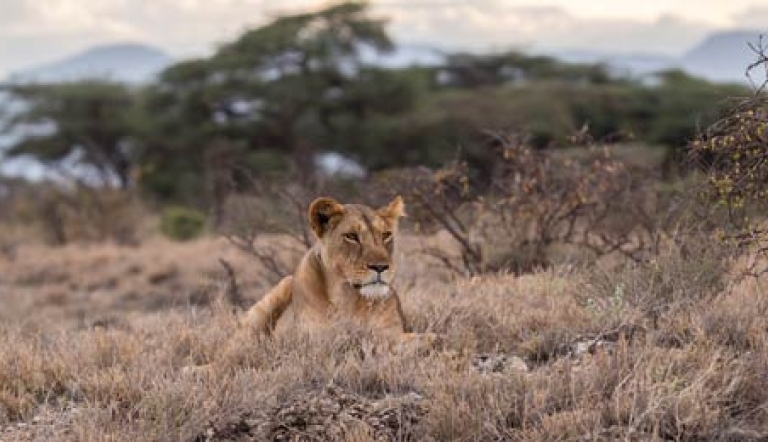
Tanzania: Pride of Africa
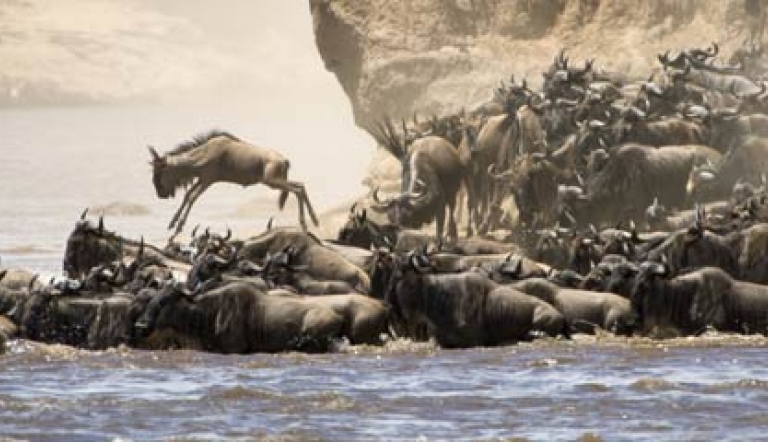
Ten Fascinating Facts about the Great Migration