Remarkable Rwanda

About this trip
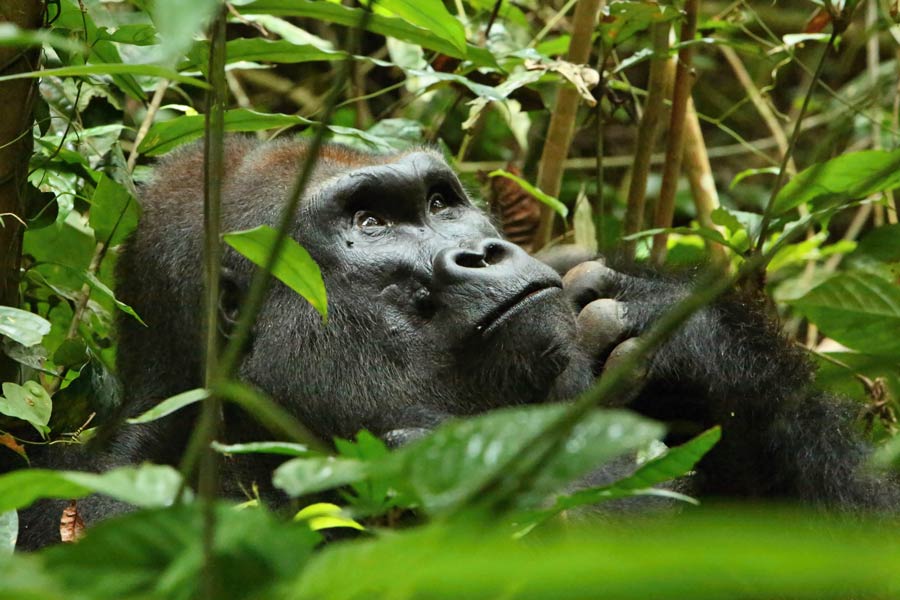
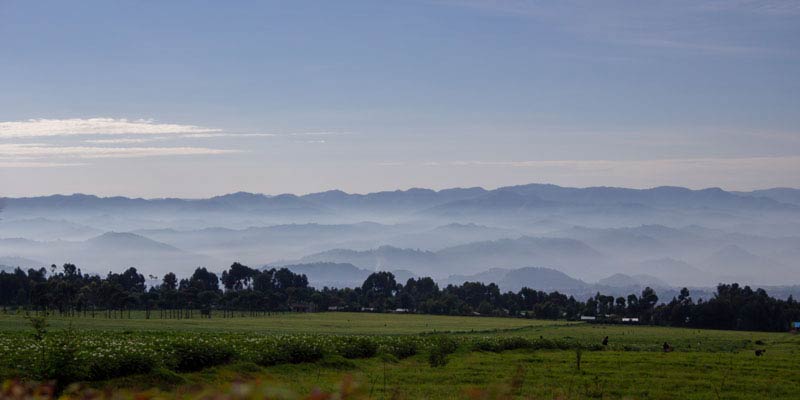
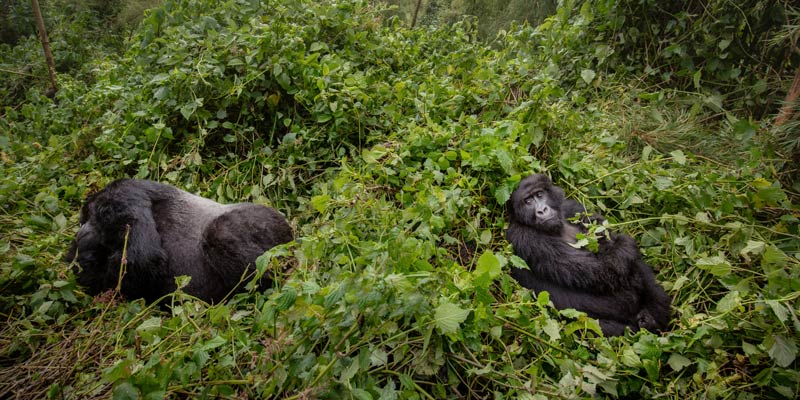
Experience the incredible landscapes, wildlife, and culture of Rwanda, often called the “Land of a Thousand Hills”. This 11-day journey takes you from the savannahs and wetlands of Akagera National Park to the mist-covered volcanic forests that shelter endangered mountain gorillas. You will track wild mountain gorillas and spend time observing these intelligent and social primates in their natural habitat. Guided by expert trackers and conservation professionals, gain insight into gorilla behavior and the ongoing efforts that have made Rwanda one of the world’s leading conservation success stories. Visits to leading conservation institutions and meaningful cultural sites offer a deeper understanding of Rwanda’s history, resilience, and commitment to preserving both its natural heritage and its communities.
Highlights
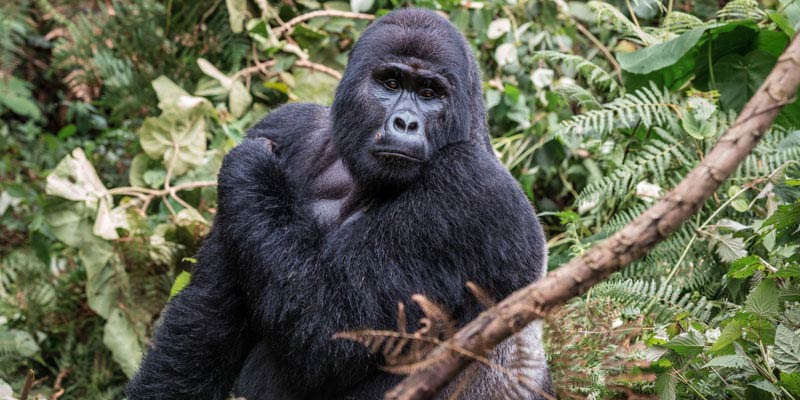
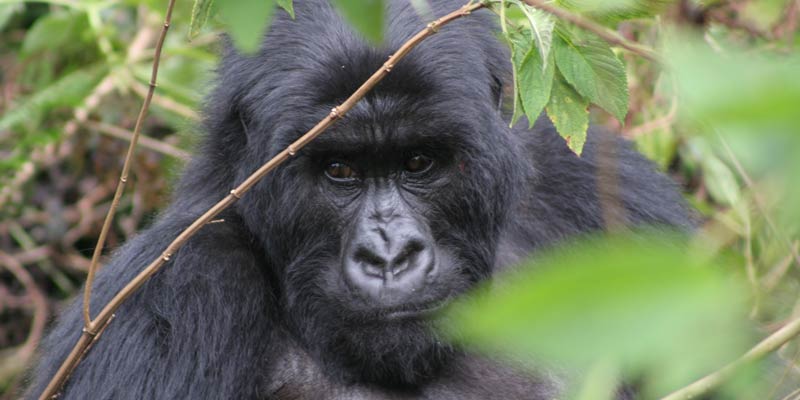
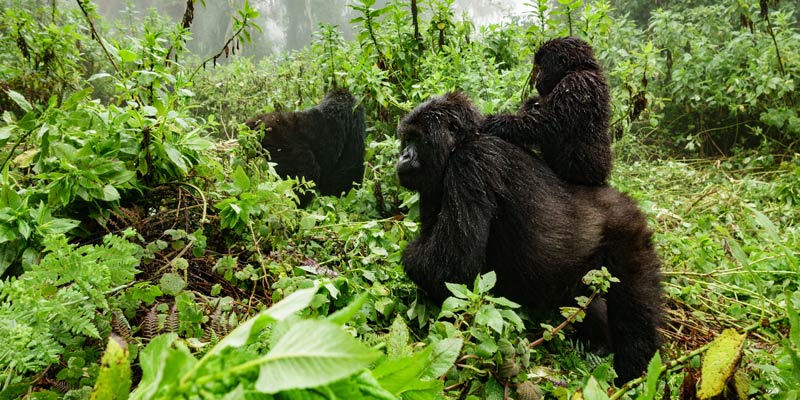
- Journey into Volcanoes National Park, chronicled in Dian Fossey's Gorillas in the Mist, to track and observe endangered mountain gorillas in their natural habitat.
- Visit the Kigali Genocide Memorial and learn about the cultural and political shifts that led up to the Genocide against the Tutsi in 1994 and the steps Rwanda has taken to permanently honor the victims of these violent events.
- Experience the legacy of Dian Fossey with a visit to the Ellen DeGeneres Campus of the Dian Fossey Gorilla Fund and a hike to her former research site and grave near the historic Karisoke camp.
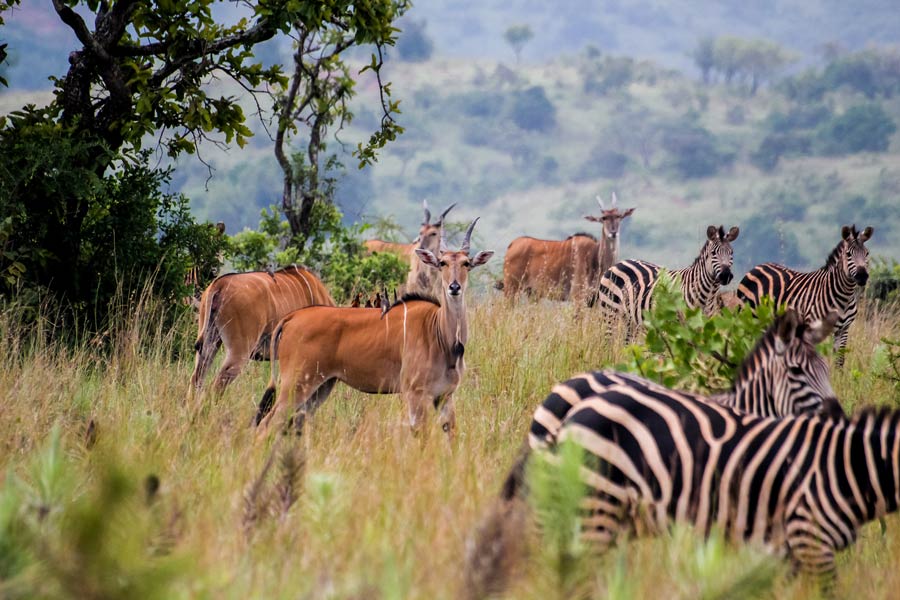
- Explore the diverse ecosystems of Akagera National Park on wildlife drives and a sunset boat excursion, where savannah wildlife, hippos, crocodiles, and abundant birdlife thrive among wetlands and lakes.
Activity Level 4: Moderate-Strenuous
Participants should be able to ascend or descend 80 stairs consecutively, plus walk for at least 4 hours over some steep slopes, uneven, and potentially slippery surfaces without difficulty. Physical activities typically last for 4 or more hours at a time.
$10,195
Land Cost
Group size
Book 10 travelers and 1 group
leader travels for free
Daily Itinerary
Print ItineraryIn Flight
Day 1Kigali
Day 2Akagera National Park
Day 3Akagera National Park
Day 4Akagera National Park
Day 5Volcanoes National Park
Day 6Volcanoes National Park
Day 7Volcanoes National Park
Day 8Volcanoes National Park
Day 9Kigali
Day 10Departure
Day 11Pricing
Print Pricing$10,195
Land Cost
Group size
Book 10 travelers and 1 group
leader travels for free
Pricing Details
Prices are valid for travel from Oct 1, 2025 - Dec 31, 2026. Holiday surcharges may apply.
Travel Info
Print Travel InfoEntry & Exit Requirements
U.S. citizens must have a valid passport to enter Rwanda. Passports must be valid for at least six months after the date of entry and have at least one blank page available for the entry stamp.
A tourist visa is also required for entry into Rwanda. Visas can be obtained at the airport upon arrival. The fee for a 30-day tourist visa (single entry) is USD $50, and the fee for a 90-day tourist visa (multiple entry) is $70. Credit cards are generally accepted at the Kigali International Airport but are not accepted at some land borders. It is recommended that individuals travel with enough cash in U.S. dollars to cover the visa costs in case credit card transactions are not available at the time of arrival.
If you are not traveling with a U.S. passport, please check with the Rwandan Embassy for the requirements based on your nationality.
Health Information
Immunizations
The Centers for Disease Control recommends that all travelers be up to date on routine vaccinations such as measles-mumps-rubella (MMR) vaccine, diphtheria-pertussis-tetanus vaccine, varicella (chicken pox) vaccine, polio vaccine, shingles vaccine, and your yearly flu shot before every trip.
There are no vaccinations required for entry into Rwanda, unless you are traveling from a country where yellow fever transmission is a risk, in which case proof of yellow fever vaccination is required. (If arriving from Tanzania, note the World Health Organization does not consider Tanzania to be a country with risk of yellow fever transmission.)
Though not required for entry, the CDC recommends inoculation against hepatitis A, hepatitis B, and typhoid for most unvaccinated travelers to Rwanda.
Please consult your physician for additional information and recommendations based on your individual circumstances.
Malaria
The CDC warns that travelers to Rwanda may be at risk for exposure to malaria. Malaria is caused by a parasite found in Anopheles mosquitos, which are active from dusk until dawn. Prevention is twofold: the use of anti-malarial drugs and the prevention of insect bites. If you choose to use an anti-malarial drug, as recommended by the CDC, see your physician for a prescription.
To protect against mosquitos, the CDC recommends that you cover exposed skin with lightweight, long-sleeved shirts and pants, consider treating clothes with permethrin, and use an insect repellent containing an EPA-registered active ingredient like DEET, picaridin, or oil of lemon eucalyptus (OLE). Apply sunscreen first, followed by the repellent, ideally 20 minutes later.
Be careful when applying products containing DEET, as it can damage or dissolve certain synthetic fabrics as well as plastic, rubber, vinyl, or elastic materials, such as those used in camera equipment, binoculars, phone cases, sunglasses, or watches. Additionally, some research suggests that when DEET and picaridin enter local waterways, they can be harmful to amphibians and other wildlife. When selecting a repellent, it is ultimately up to each traveler to weigh the risks and benefits of different options, keeping in mind both environmental factors and the importance of protecting against illness.
Other Vector-borne Illnesses
In addition to malaria, the CDC warns that travelers may be at risk for other illnesses transmitted by mosquitos or ticks, such as dengue fever and African tick-bite fever. Travelers are advised to protect themselves against bites using the measures noted above.
After spending time outdoors, especially in grassy or wooded areas, the CDC recommends showering and conducting a full-body check for ticks. If you find a tick attached to your skin, safely remove it as soon as possible.
Wildlife
Follow all instructions from your guides regarding wildlife. Animals may become aggressive to protect themselves, their young or their mates, or to guard a food supply. Do not make sudden movements either toward or away from them, as this may be interpreted as threatening or territorial. Avoid stray dogs, as they may carry rabies. In the unlikely event of being bitten, clean the wound and control bleeding. Seek medical attention immediately.
Parasites & Bacteria
Avoid swimming or bathing in freshwater lakes or rivers. Some freshwater bodies contain disease-causing parasites or bacteria that may be contracted through contact with infected water.
Sun Exposure
The effects of the sun can be damaging to the eyes and skin. Spending time outdoors exposes you to the sun’s harmful ultraviolet (UV) rays, even on cloudy days. To protect yourself from the sun, use a broad spectrum sunscreen of at least SPF 15, protect skin with clothing, wear a wide-brimmed hat and sunglasses, and drink plenty of fluids.
Altitude Sickness
At elevations above 5,000 feet, altitude sickness is a possibility. Stay hydrated and well-rested, and avoid heavy, fatty foods and alcohol in the days before arrival. Consult your physician prior to travel for advice specific to your situation.
Travelers’ Diarrhea
The CDC warns that travelers’ diarrhea is one of the most common travel-related illnesses worldwide. Consumption of contaminated food and water may cause diarrhea. To avoid this, do not drink tap water, and use bottled water to brush your teeth. Avoid ice and uncooked vegetables or fruit without a peel. When in doubt, ask your guide. Restrict yourself to cooked food at restaurants, and avoid food sold on the streets. If you contract diarrhea, it is important to drink large quantities of purified water. Consult your doctor for appropriate medication should you experience diarrhea.
Respiratory Illness Protocols
Please review our Respiratory Illness Protocols page, which explains our policy and procedures if you or another traveler should develop symptoms of a respiratory illness during your trip. Your participation in a Holbrook Travel program indicates that you are in agreement with these protocols.
Resources
Print ResourcesSuggested Packing List
Everyone has personal preferences when it comes to packing; for this reason, the information below is offered as a general guide and not a definitive list. You know yourself best: Use your discretion and pack what you think will serve you, based on your personal preferences and specific itinerary.
You may find many of the items below in the New Headings Gear Store. Use code HolbrookGuest10 for a 10% discount on your purchase.
CLOTHING
Bring enough clothing suitable for the length of your program. If you prefer to pack light, note that many hotels offer laundry services at additional cost. If you plan to hand-wash items, remember that humidity may delay drying time.
Pack clothing that can be worn in layers to adapt to weather changes throughout the day. Clothing that wicks away moisture and dries quickly is recommended. Casual, safari-style clothing is suitable for most activities. Rwanda's rainy season is September to November and March to May.
Bring clothes in neutral or muted colors such as green, khaki, brown, or gray. We recommend that you avoid wearing bright colors or white as they can easily be spotted by animals. It is prohibited for civilians to wear army-style camouflage.
If visiting Akagera National Park, also consider avoiding black and bright or dark blue clothing, as these colors can attract tsetse flies. Although sleeping sickness has been eliminated in Rwanda, the flies can still inflict a painful bite. Clothing and socks made of thick fabric will also provide added protection against bites.
- A combination of short-sleeved and lightweight, quick-drying long-sleeved shirts for sun and insect protection; long sleeves are recommended for gorilla treks to provide protection against vegetation
- Shorts or skirts (knee-length or longer)
- Lightweight, quick-drying long pants for sun and insect protection; long pants are recommended for gorilla treks to provide protection against vegetation
- Undergarments
- Sleepwear
- Jacket or sweater/sweatshirt
- Bathing suit(s) – Some hotels have pools.
- Socks – Bring extra pairs.
- Shoes – For gorilla treks, we strongly recommend a pair of comfortable, sturdy, water-resistant or waterproof hiking shoes or boots with good ankle support. In addition, you may want a pair of comfortable, closed-toe walking shoes for around town. Many participants also opt for a pair of sturdy sport-strap sandals (e.g. Keens, Tevas, or similar) and/or casual flip-flops, sandals, or slip-ons for around the hotel.
- Lightweight rain jacket, hooded poncho, and/or windbreaker
- Visor or wide-brimmed sun hat
- Bandana, scarf, or neck gaiter
- Leather, gardening-type gloves (for gorilla treks)
Personal Toiletries
Pack toiletries based on your personal preferences and habits. Below are just a few recommendations to keep in mind.
- Shampoo, conditioner, lotion, deodorant/antiperspirant , etc. – If possible, avoid strong fragrances.
- Soap and washcloth or a small, quick-drying microfiber towel – Washcloths are not standard in all hotels. If you normally use a washcloth, you may wish to bring one from home.
- Hairbrush, comb, hair ties, shower cap
- Toothbrush and toothpaste
- Razor
- Ear plugs, especially if you are a light sleeper
- Personal hygiene products
- Insect repellent
- Sunscreen and lip balm with SPF
- A travel pack of tissues – also useful as napkins or toilet paper if needed
In addition to your personal toiletries, it is useful to pack a small medical kit, which you can easily prepare. Helpful items might include: bandages, antihistamine, a pain reliever, motion sickness and/or altitude sickness medication (if you are prone to either), anti-diarrhea medicine, powdered electrolyte packets to prevent dehydration, aloe vera gel to treat sunburn, individually wrapped pre-moistened towelettes and/or hand sanitizer, antibiotic ointment, anti-fungal cream, moleskin for blisters, eye drops, tweezers, a mini sewing kit, and an extra pair of disposable contact lenses or eyeglasses if you wear them.
Days before you leave home, you may wish to consider spraying any clothing, socks, and shoes that will be worn in lowland, tropical sites with permethrin, an anti-parasite medication, to repel irritating pests and prevent the spread of disease. A recommended brand is Sawyer. Carefully read all instructions before use. Please note permethrin is highly toxic to cats and fish, and some aerosol products may be harmful to birds. Side effects may include minor itching, burning, or redness. You may want to use a laundry marker to label and keep track of which socks are permethrinized. Only one application per item is necessary; permethrin on treated clothes remains effective through several washings. Permethrin should NOT be applied directly to skin.
Miscellaneous
Remember to pack valuables such as your passport, cash/credit cards, and medications in your carry-on luggage.
- Passport, visa (obtained on arrival), and photocopies of all travel documentation
- Yellow fever certificate, if applicable (only required if traveling from a country where yellow fever transmission is a risk)
- Personal insurance card and travel insurance information
- Money – ATM/credit card and/or cash; small bills in good condition are recommended
- Prescription medicines (if applicable), with a copy of the prescription
- Sunglasses with strap
- Small day pack for hikes and excursions
- Flashlight and/or head lamp
- Travel alarm clock or inexpensive waterproof wristwatch with alarm – Not all hotels provide alarm clocks.
- A pocket calculator or phone to assist with conversions and currency exchange
- Binoculars with lens cleaner
- Camera and related equipment, such as charger, lenses, and extra memory cards
- Reusable water bottle
- Non-perishable snacks
- Pocket-knife or multipurpose tool – Pack in your checked luggage.
- Reusable zip-top style bags – useful for packing toiletries, sorting clothing, storing damp or muddy shoes, or as a dry bag for protecting electronics
- Notepad or travel journal and pen
- Music or reading material for down time, long bus drives, or on the airplane, and a portable bright light to read by
- Trekking poles or collapsible walking stick with rubber tip – Pack in your checked luggage.
- A small quantity of laundry detergent if you’ll be washing clothing by hand
- Money belt
- Chargers for electronics
- Converter and adapter
Plastic bags
Due to Rwanda's ban on plastic bags, travelers are not permitted to bring plastic bags into the country. This includes garbage bags and grocery/shopping bags. Zip-top style bags specifically used to carry toiletries per TSA’s liquids rule are still permitted on the assumption that they will be reused on the return flight. Items purchased at the airport before boarding the aircraft should be removed from plastic bags. Please double-check your carry-on luggage before disembarking in Rwanda; any plastic bags should be left on the plane to avoid delays and possibly fines.

Questions?
For more information, contact us at 800-451-7111 or email travel@holbrooktravel.com.
Want to subscribe to the Holbrook Explorer?
Destination Spotlight: An Inside Look at Mountain Gorilla Trekking

Environmentally Friendly Projects for a "Greener" Backyard
Great Animal Migrations of the World

Costa Rica | Rhythms of Nature: Coastal Conservation and Tropical Forest Ecology