Canada | Polar Bears and Northern Lights with Cincinnati Zoo and Botanical Garden
About this trip
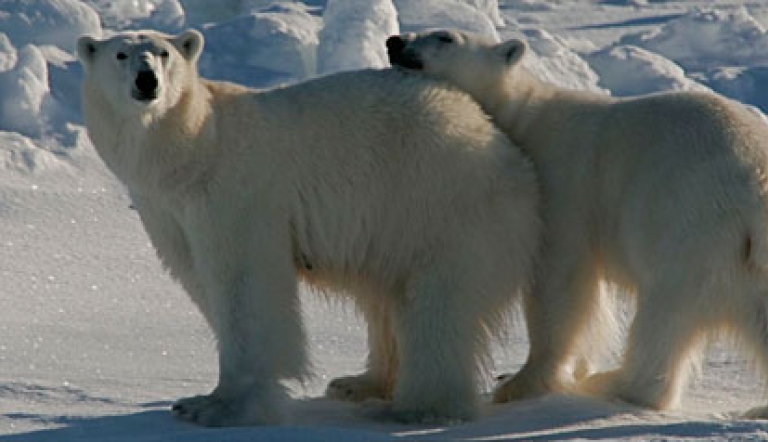
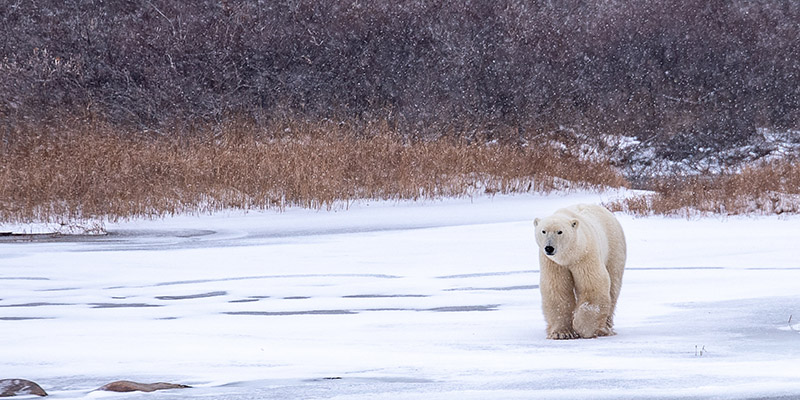
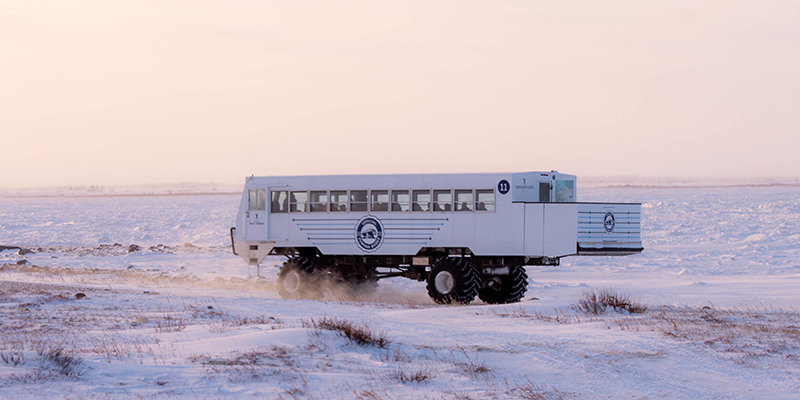
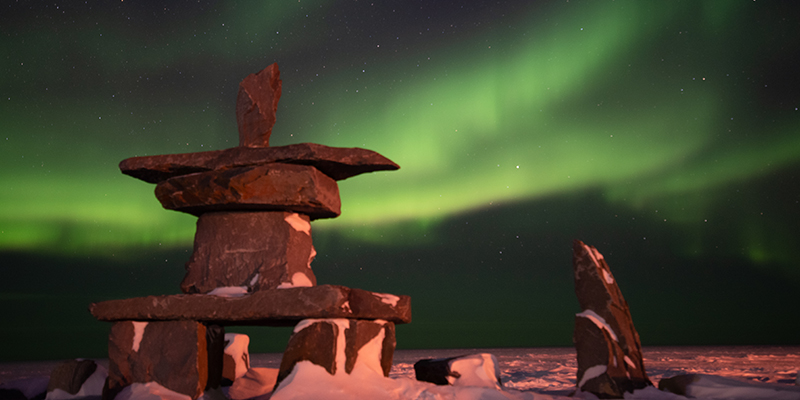
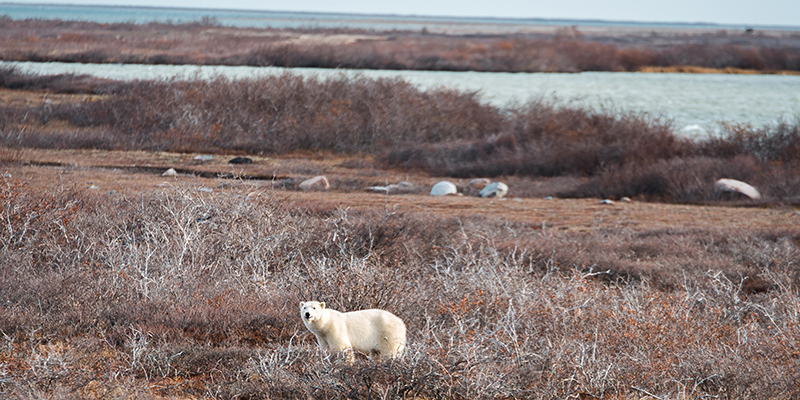
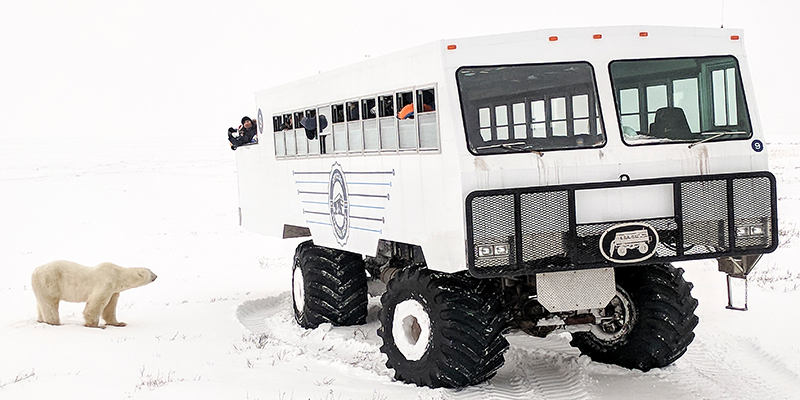
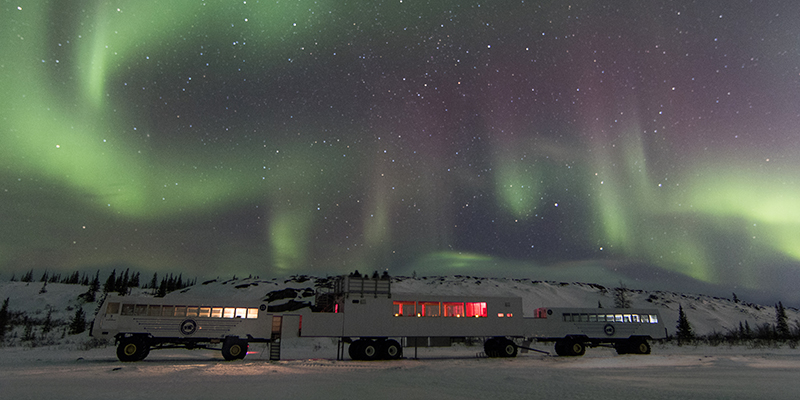
 Discover the beauty and wildness of Canada on this trip to Churchill, Manitoba, known as the polar bear capital of the world and an excellent location for viewing northern lights. Immerse yourself in Manitoba’s majestic north while learning about Inuit culture and history. Spend the day searching for polar bears, arctic foxes, ptarmigans, and other subarctic wildlife while embarking on Tundra Buggy® excursions before examining the skies for northern lights at night. Visit organizations focused on polar bear research and conservation and learn about their projects to protect these incredible creatures.
Highlights
- Learn about polar bear research and conservation at Assiniboine Park Zoo and Polar Bears International House
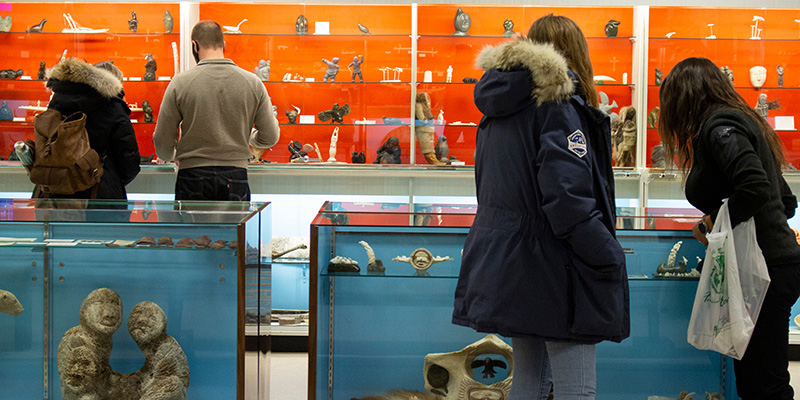
- Admire intricate carvings, hand-made kayaks, and other artifacts at Itsanitaq Museum, home to one of the most extensive collections of Inuit art in the world
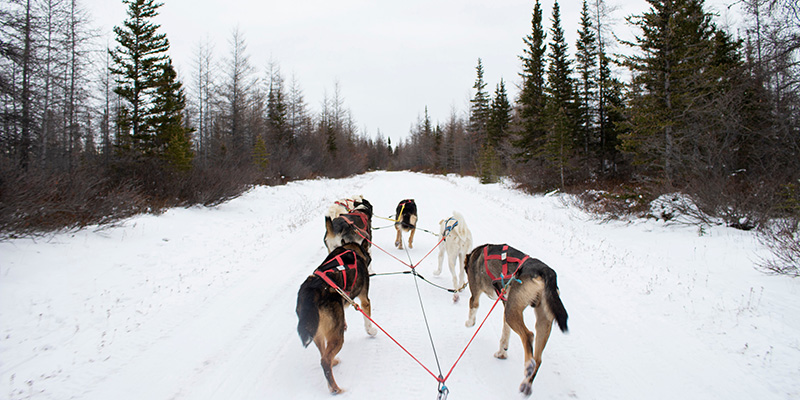
- Learn about the history of dog sledding and experience a thrilling excursion on a custom-built sled behind a team of athletic huskies
- Embark on three full-day Tundra Buggy® adventures in search of polar bears, arctic foxes, ptarmigans, and other subarctic wildlife
- Taste wild herb tea while roasting bannock over an open campfire near an 1890s-era pioneer sod house
$8,800
Per person
About this price
Land cost only. Does not include round-trip airfare to and from destination.
What makes us different

Rich content

Support local communities

Wildlife up-close

Cultural Discovery

Meaningful experiences

Worry-free Planning & Travel
Daily Itinerary
Print ItineraryWinnipeg
Winnipeg
Churchill
Polar Bear Point
Polar Bear Point
Polar Bear Point
Winnipeg
Depart
Pricing
Print Pricing$8,800
Per person
About this price
Land cost only. Does not include round-trip airfare to and from destination.
What's Included
- Activities and meals as mentioned in itinerary
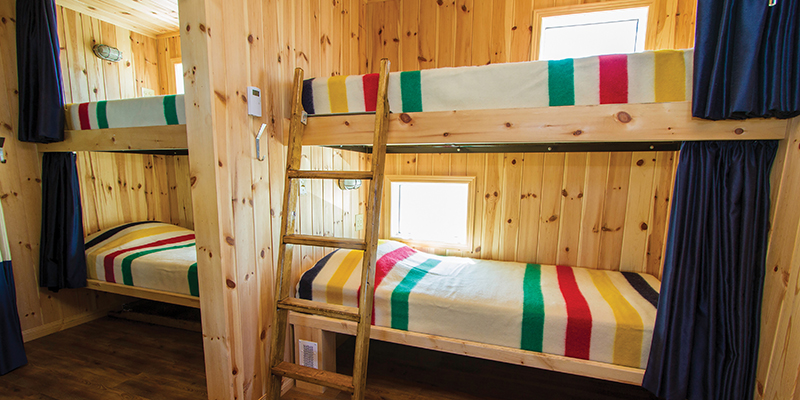
- Dormitory accommodations with shared bathrooms
- Full time driver/guide for the duration of your program
- All tips
- Internal flights relevant to itinerary
- Non alcoholic beverage with meals
- Carbon Offset
What's Not Included
- International airfare
- Travel Insurance
- Items of personal nature
Pricing Details
A $1000 per person deposit and enrollment form is due to hold your space on this trip. This deposit is not refundable.
Holbrook Travel strongly recommends the purchase of travel protection for medical emergencies while traveling and to protect your investment. Please note the purchase of Cancel for Any Reason Coverage or to exclude pre-existing conditions with Trip Cancellation coverage may require policy purchase within 10-14 days of your initial deposit, depending upon the provider.
Final payment due date: March 12, 2024
Travel Info
Print Travel InfoEntry & Exit Requirements
U.S. citizens must have a valid passport to enter Canada. Passports must be valid at the time of entry, with at least one blank page required. As this requirement is subject to change at any time without notice, we recommend at least 6 months' validity.
A visa is not required for visits up to 180 days.
If you are not traveling with a U.S. passport, please check with the Canadian Embassy for the requirements based on your nationality.
Health Information
IMMUNIZATIONS
The CDC recommends that all travelers be up-to-date on routine vaccinations such as measles-mumps-rubella (MMR) vaccine, diphtheria-pertussis-tetanus vaccine, varicella (chicken pox) vaccine, and your yearly flu shot before every trip.
There are no vaccinations required for entry into Canada.
Though not required for entry, the CDC recommends that unvaccinated travelers consider receiving hepatitis A and hepatitis B vaccines before visiting Canada.
Please consult your physician for additional information and recommendations based on your individual circumstances.
FROSTBITE
Frostbite is damage to the skin from freezing and is due to prolonged exposure to cold temperatures. Symptoms include patches of reddened skin that become white, hard, and swollen; or skin that burns, tingles, or is numb or painful. Severe cases can result in blisters or ulcers forming and may involve deeper tissues. The most common sites for frostbite are the fingers, hands, toes, feet, ears, nose, and cheeks.
To avoid frostbite, dress warmly and in layers but avoid tight clothing as it may reduce circulation. Keep the face and extremities covered. Avoid overheating and excessive perspiration. Change wet clothing, especially socks and gloves.
HYPOTHERMIA
Hypothermia is life threatening. It is caused by cold, wet, or windy weather that causes the body to lose heat faster than it can produce heat. Hypothermia can occur in rugged terrain where the weather can change extremely quickly, or after being soaked in a stream crossing or a boating accident.
Symptoms include feeling cold, uncontrollable shivering, clumsiness due to loss of muscle coordination, slurred speech, inability to think clearly, and eventual unconsciousness and cessation of reflexes including heart and lung functions. Many victims in the later stages of hypothermia feel warm and try to shed clothing.
To treat hypothermia, first warm the core of the body before the extremities. Remove any wet clothing. Re-warm the victim slowly; do not warm fast by immersing in warm/hot water. Provide shelter out of the weather. Warm drinks are not necessary, but may help in the psychological recovery. Do NOT give alcohol. Try to keep victim awake as this helps keep the body temperature up.
Wildlife Safety
Avoid wild animals that seem unusually curious or don’t run away from humans. Bats, foxes, skunks, raccoons, and other mammals are known to carry rabies in Canada. In the unlikely event of being bitten, clean the wound and control bleeding. Seek medical attention immediately.
Autumn is Churchill’s polar bear season, meaning this time of year is when they are most active in the region. Always practice bear safety during your time in Churchill. If you encounter a polar bear, keep calm and stay with your group. Back away, facing the bear at all times; do not play dead and do not turn and run away. Get into your vehicle or a building as fast as possible.
Sun exposure
The effects of the sun can be damaging to the eyes and skin. Spending time outdoors exposes you to the sun’s harmful ultraviolet (UV) rays, even on cloudy days. To protect yourself from the sun, use a broad spectrum sunscreen of at least SPF 15, protect skin with clothing, wear a wide-brimmed hat and sunglasses, and drink plenty of fluids.
Resources
Print ResourcesSuggested Packing List
Everyone has personal preferences when it comes to packing; for this reason, the information below is offered as a general guide and not a definitive list. You know yourself best: Use your discretion and pack what you think will serve you, based on your personal preferences and specific itinerary.
You may find many of the items below in our Gear Store.
Please note: Checked baggage for all flights must be limited to one piece per guest for a maximum total of 50 lbs. The maximum dimensions permitted for carry-on baggage is 10” x 16” x 12”. Carry-on that exceeds these dimensions would be considered checked baggage and would have to be stored in the general baggage compartment.
NOTE: Please do not pack valuables such as money, cameras, jewelry, and expensive clothing in your checked baggage. We cannot be held responsible for any losses.
CLOTHING
Bring enough clothing suitable for the length of your program. Temperatures in autumn can vary from 9 °F to 29 °F, but strong winds can make the temperature feel colder. The Tundra Buggy is heated, but the interior cools when wildlife is observed because the windows are opened to get a better view. The best way to stay comfortable is to dress in warm layers.
Canada Goose parkas, snow pants, and Baffin boots may be available to rent; contact your travel specialist for more information.
- A combination of warm base and mid layers – ability to layer is very important
- Snow/ski/wind pants
- Warm hooded parka
- Warm sweater and/or hooded sweatshirt
- Long underwear or thermal layers
- Hat (beanie/knit cap), scarf, neck warmer or similar gear to cover and protect your face against the cold north winds
- Warm gloves/mitts and thin gloves – mitts tend to be warmer, but also restrict movement, making it harder to take pictures, for example. Having a pair of finger gloves you can wear under mitts gives you the best of both worlds.
- Wool blend socks
- Footwear: Warm, rubber-soled winter boots; you may also want a pair of old sneakers or slip-on shoes for around your accommodations
MISCELLANEOUS
- Camera and related equipment – See additional notes below.
- Binoculars and lens cleaner
- Flashlight or headlamp
- A small daypack for hikes and excursions
- Photocopies of ID and other travel documentation
- Prescription drugs and a copy of the prescription
- Personal toiletries
- Sunglasses – Despite the cold weather the sun can still be very strong, especially when it reflects off the snow.
- Sunscreen and lip balm (SPF 30 or higher recommended) to block the sun reflecting off the tundra
- Reusable, sealable travel mug or water bottle
- Zip-top style baggies (to use as dry bags or for storing wet or soiled shoes/clothing)
- Notepad or journal and pen
- Music or reading material for down time, long drives, or on the airplane
- Chargers for electronics
In addition to your toiletries it is useful to pack a small medical kit which you can easily prepare. Helpful items include a pocketknife, a lighter, Band-Aids, antihistamine (such as Benadryl), a pain-reliever, individually-wrapped moist towelettes, anti-diarrhea medicine, anti-fungal cream, an extra pair of disposable contact lenses or glasses if you wear them, and a small sewing kit.
Camera & Related Equipment
Compact cameras or mobile phone cameras are fine at times when bears or other wildlife are close to the Tundra Buggy, but a midrange zoom or interchangeable telephoto lens with image stabilization allows the most flexibility. Many digital cameras also have a video feature built in, which is great for capturing wildlife behavior, movement, and audio.
A midrange zoom lens allows for quick maneuverability and composure. For those with interchangeable lenses, it’s a good idea to have at minimum wide and midrange lenses on hand (less than 80 mm and 70-200 mm, respectively). You may also consider adding a good telephoto lens to complete your kit (greater than 200 mm). In autumn, heavy cloud over Churchill often results in lower light levels, so faster lenses (minimum F4.0) will help combat low-light conditions. Wide angle lenses are well-suited for images of the landscape, northern lights and bears when they’re near the Tundra Buggy, while longer lenses are great for wildlife such as foxes, birds, and bears that may be approaching from further away. Longer lenses also give the illusion of being closer to eye level with your subjects. Autofocus settings (AF) work well the majority of the time but rely on contrast, so they may not function well when aimed directly at light patches of fur or snow without obvious detail. Focus on the animal’s eye, nose or other obvious detail, or change your camera settings to manual focus (MF) if it’s too challenging.
Most point-and-shoot cameras can be handheld, but cameras with longer lenses need support in order to obtain sharper images. A monopod is a good form of support for your camera when shooting from the Tundra Buggy. It is also recommended to bring a beanbag to rest your camera on the windowsill while shooting.
Make sure you have enough memory card storage with you. Bring extra memory cards and/or have a way to download the images on another storage device, such as a laptop and spare hard drive. It’s common to use 32GB of storage—or more—in a single day. TIP: Take a few smaller cards (four 8GB cards) rather than one big card (32GB or 64GB) unless shooting HD or 4K video continuously. If a card breaks, it’s hard to retrieve images.
The cold will drain batteries quicker than normal, so keep spares in a warm pocket near your body to help maintain their charge. There are no outlets to charge batteries on the Tundra Buggy. Make sure to also pack your battery charger, and travel plug adapter if required, so you can recharge your batteries at your overnight accommodations.
Digital capture at ISO 400-800 usually works well on overcast days and early evenings as the light wanes. For bright days when the sun is out, it is recommended to set your camera settings to ISO 100.
Questions
For more information, contact Kevin Van Dien at kevin@holbrooktravel.com or 800-451-7111 x312
Want to subscribe to the Holbrook Explorer?
Manitoba: Attracting Scientists, Wildlife, and Charged Particles
Six tips for eco-friendly travel