Chile | Reserves, Native Forests, Lakes, Parks, Rivers, and the Pacific Coast
About this trip
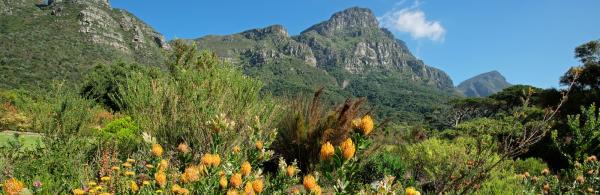
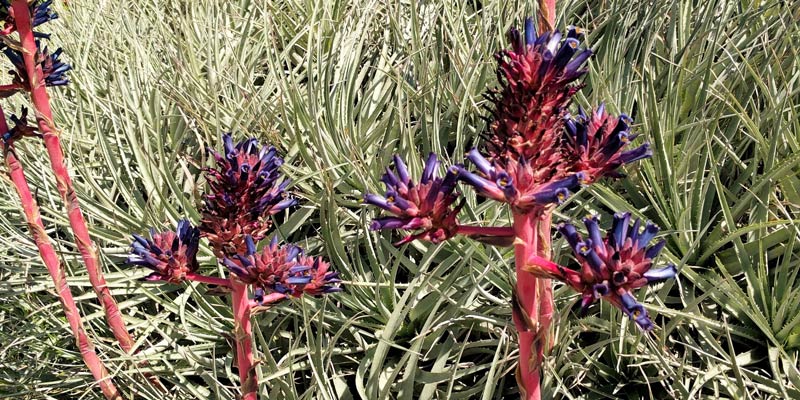
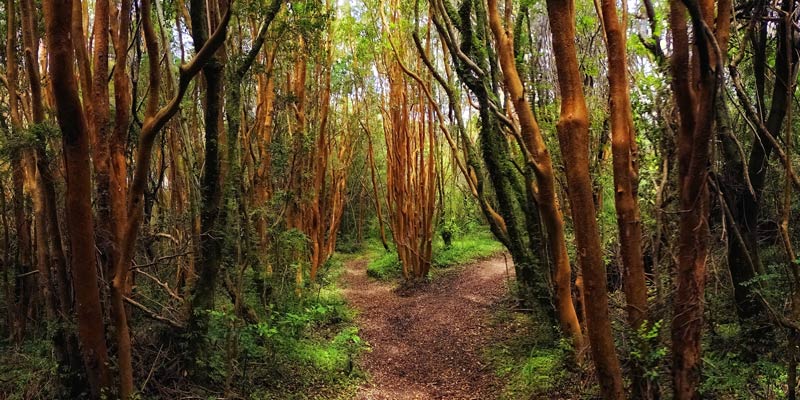
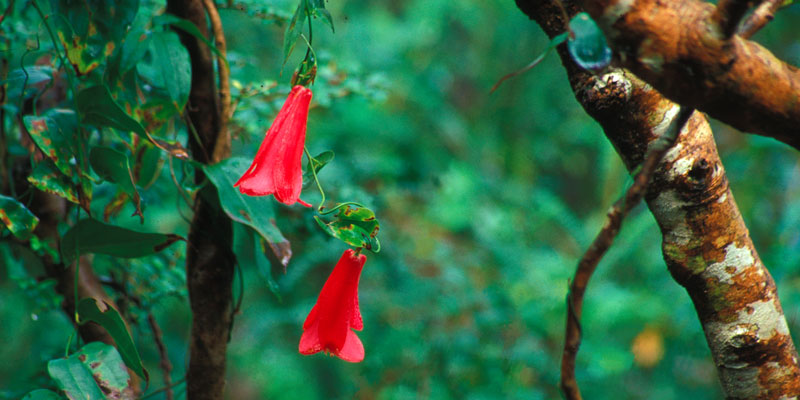
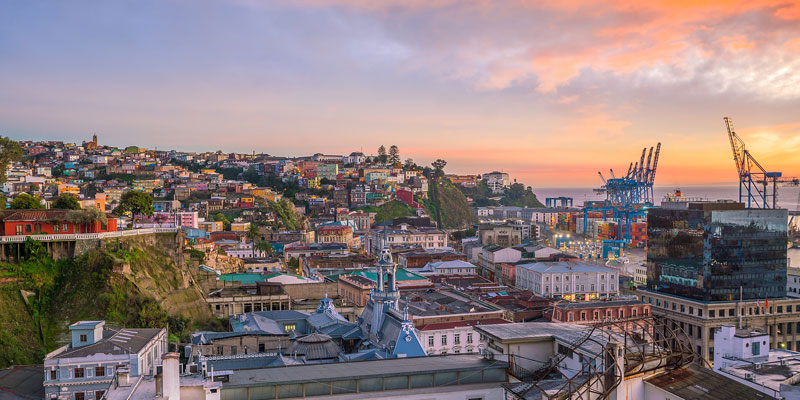
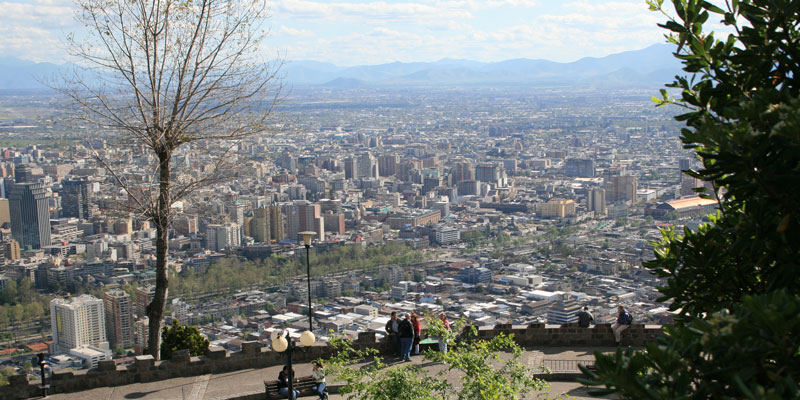
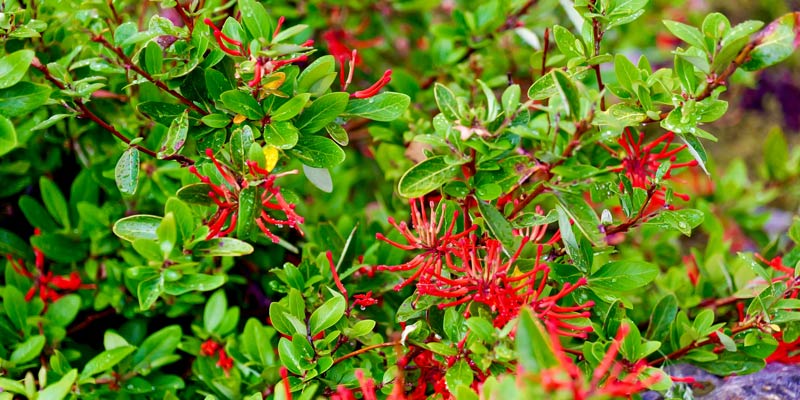
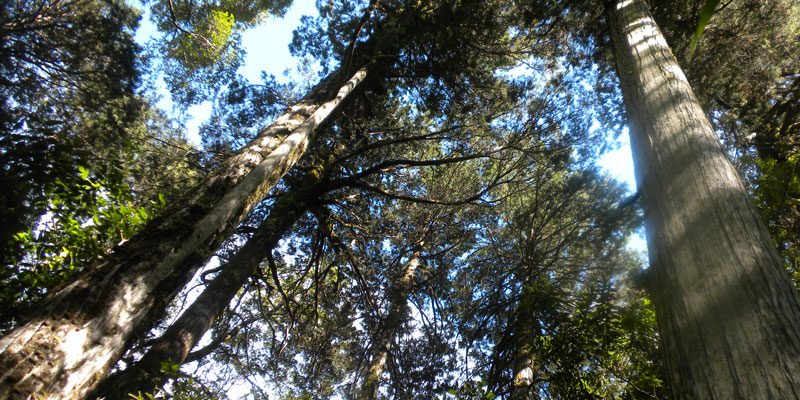
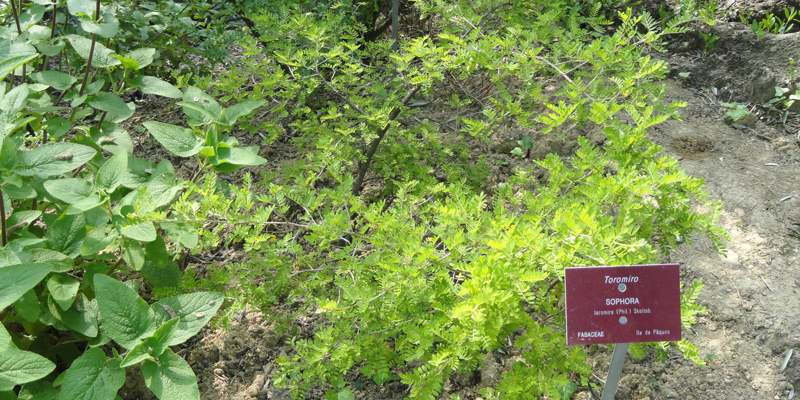
Discover beautiful Chile and its native and endemic flora as you visit botanical gardens, national parks, and private reserves during this 12-day garden tour. Begin in the seaside cities of Zapallar and Valparaiso before heading south to Villarrica where you will explore lush forests and take in picturesque lake views. Venture further south to witness more colorful native and endemic flora in diverse botanical gardens. After rewarding days spent among glorious natural surroundings, enjoy delicious meals prepared with fresh ingredients.
Highlights
- Take a guided hike through Lahuen Ñadi Park, famous for preserving Alerce (Fitzroya cupressoides), practically extinguished due to overexploitation.
- Discover the cultural influence of German immigrants on a walking tour in the small town of Puerto Varas.
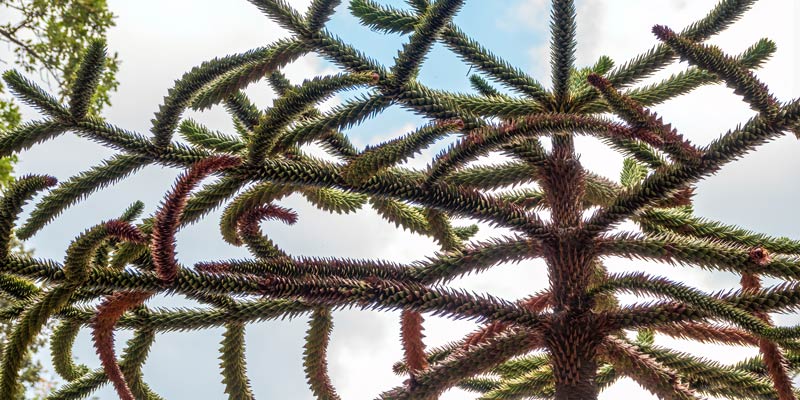
- See The Monkey Puzzle Tree (Araucaria araucana), known locally as as "pehuén”, which holds deep cultural importance for the indigenous Mapuche people.
- Visit Verde Nativo Botanical Park, a 15.63-hectare park home to more than 700 species of native and endemic flora.
- Relax in the hot tubs at the stylish Cancagua Spa with views of Lake Llanquihue while enjoying a glass of sparkling Chilean wine.
Land Cost
$6,995 - Jan 1, 2025 - Dec 31, 2026
$0 - Jan 1 - Dec 31, 2027
Book 14 travelers and 1 group
leader travels for free
Land Cost
$6,695 - Jan 1, 2025 - Dec 31, 2026
$0 - Jan 1 - Dec 31, 2027
Book 18 travelers and 1 group
leader travels for free
Single Supplement: $1650
What makes us different

Rich content

Wildlife up-close

Behind the scenes tours

Diverse ecosystems

Service anytime

Flight arrangements
Daily Itinerary
Print ItineraryDepart US
Day 1Santiago
Day 2Valparaiso
Day 3Santiago
Day 4Villarrica
Day 5Villaricca
Day 6Valdivia
Day 7Valdivia
Day 8Puerto Varas
Day 9Puerto Varas
Day 10Departure
Day 11Arrive US
Day 12Pricing
Print PricingLand Cost
$6,995 - Jan 1, 2025 - Dec 31, 2026
$0 - Jan 1 - Dec 31, 2027
Book 14 travelers and 1 group
leader travels for free
Land Cost
$6,695 - Jan 1, 2025 - Dec 31, 2026
$0 - Jan 1 - Dec 31, 2027
Book 18 travelers and 1 group
leader travels for free
Single Supplement: $1650
What's Included
- Accommodations with private bathrooms
- Full time guide for the duration of your program
- Meals mentioned in the itinerary
- Private transportation and driver for the duration of the program
- Tips for the guide and driver
- Airfare relevant to itinerary
What's Not Included
- International airfare
- Visa fees
- Travel Insurance
Pricing Details
Prices are valid for travel from Jan 1, 2025 - Dec 31, 2026. Holiday surcharges may apply.
Travel Info
Print Travel InfoEntry & Exit Requirements
U.S. citizens must have a valid passport with at least one blank page to enter Chile. Passports must be valid for the duration of your stay in Chile. As this requirement is subject to change at any time without notice, we recommend at least six months’ passport validity.
A visa is not required for visits up to 90 days.
A tourist card is required for anyone entering Chile from the United States and is issued upon arrival. This card allows visitors to stay for up to 90 days and will allow multiple entries. Keep the tourist card with your passport; it is important not to lose it, as you must present the card to Customs when you leave the country.
If you are not traveling with a U.S. passport, please check with the Chilean Embassy for the requirements based on your nationality.
Health Information
IMMUNIZATIONS
The Centers for Disease Control recommends that all travelers be up to date on routine vaccinations such as measles-mumps-rubella (MMR) vaccine, diphtheria-pertussis-tetanus vaccine, varicella (chicken pox) vaccine, and your yearly flu shot before every trip.
There are no vaccinations required for entry into Chile.
Though not required, the CDC recommends inoculation against hepatitis A, hepatitis B, and typhoid for most unvaccinated travelers to Chile.
Please consult your physician for additional information and recommendations based on your individual circumstances.
ALTITUDE SICKNESS
Upon arrival at locations of high elevation, shortness of breath and a pounding heart are normal responses to the lack of oxygen in the air. However, for some visitors, these symptoms can deteriorate into altitude sickness. Headache, extreme tiredness, dizziness, nausea, and loss of appetite are standard symptoms. Staying hydrated and well rested is important to adjust to the altitude. Avoiding heavy, fatty foods and alcohol in the days before arriving to altitude can help. Over-the-counter medications are also available to help prevent or alleviate symptoms. It’s advisable to avoid sleep medications, as they can slow breathing and respiration, which aid in getting the blood oxygenated while sleeping. Participants who take blood pressure medications should discuss this with their doctor as the medication can drop pressure too low at times.
SUN EXPOSURE
The effects of the sun can be damaging to the eyes and skin. Spending time outdoors exposes you to the sun’s harmful ultraviolet (UV) rays, even on cloudy days. To protect yourself from the sun, use a broad spectrum sunscreen of at least SPF 15, protect skin with clothing, wear a wide-brimmed hat and sunglasses, and drink plenty of fluids.
Respiratory Illness Protocols
Please review our Respiratory Illness Protocols page, which explains our policy and procedures if you or another traveler should develop symptoms of a respiratory illness during your trip. Your participation in a Holbrook Travel program indicates that you are in agreement with these protocols.
Resources
Print ResourcesSuggested Packing List
Everyone has personal preferences when it comes to packing; for this reason, the information below is offered as a general guide and not a definitive list. You know yourself best: Use your discretion and pack what you think will serve you, based on your personal preferences and specific itinerary.
You may find many of the items below in the New Headings Gear Store. Use code HolbrookGuest10 for a 10% discount on your purchase.
CLOTHING
Casual, comfortable clothing is suitable for most activities, but participants might wish to pack a slightly nicer outfit for dinners or other outings in Santiago and other cities, keeping in mind that locals tend to dress conservatively.
Bring enough clothing suitable for the length of your program. If you prefer to pack light, note that many hotels offer laundry services at an additional cost.
Remember that seasons in the Southern Hemisphere are reversed from those of the Northern Hemisphere. Pack clothing that can be worn in layers to adapt to weather changes throughout the day. Santiago experiences a mild, Mediterranean climate, with average highs in the 80s during the summer months (Dec-Feb) and in the 60s during the winter (Jun-Aug). The weather in Patagonia can be unpredictable, and the region is known for its strong winds. Average highs are in the 60s and lows in the 30s during summer. In winter, temperatures may get below freezing and snow is possible.
- A combination of short-sleeved and long-sleeved shirts, suitable for layering under a sweatshirt and jacket as needed
- Moisture-wicking or thermal base layer
- Shorts and/or skirts
- Lightweight to medium-weight long pants, slacks, or jeans; quick-drying long pants
- Undergarments and socks
- Sleepwear
- Fleece, down, or synthetic-filled jacket/sweater
- Headgear – Include a hat (preferably with a wide brim) for sun protection. A tie under the chin is helpful in case of windy conditions. Beanie hats are excellent for windy conditions.
- Bathing suit: Pools are available at some hotels.
- Shoes: Consider your specific itinerary when choosing footwear. For most programs, you’ll likely want at least one pair of comfortable, closed-toe walking or hiking shoes or boots suitable for outdoor hikes and walking over cobblestones or other uneven terrain. Sturdier hiking boots with good ankle support may be appropriate for more active itineraries. In addition, many participants opt for a pair of sturdy sport-strap sandals (e.g. Keens, Tevas, or similar) and/or casual flip-flops, sandals, or slip-on tennis shoes to wear around the hotel.
- Water-resistant or waterproof rain jacket, hooded poncho, and/or windbreaker
- Bandana, scarf, or neck gaiter
- Shawl or scarf and waterproof or polar fleece gloves for cold weather
Personal Toiletries
Pack toiletries based on your personal preferences and habits. Below are just a few recommendations to keep in mind.
- Shampoo, conditioner, lotion, deodorant/antiperspirant , etc. – If possible, avoid strong fragrances in consideration of your fellow travelers.
- Soap and washcloth or a small, quick-drying microfiber towel – Washcloths are not standard in all hotels. If you normally use a washcloth, you may wish to bring one from home.
- Hairbrush, comb, hair ties, shower cap. Most—but not all—hotel rooms provide a hair dryer, but you may wish to bring one from home.
- Toothbrush and toothpaste
- Razor
- Ear plugs, especially if you are a light sleeper
- Personal hygiene products
- Insect repellent with DEET or picaridin
- Sunscreen and lip balm with SPF
- A travel pack of tissues – also useful as napkins or toilet paper if needed
In addition to your personal toiletries, it is useful to pack a small medical kit, which you can easily prepare. Helpful items might include: bandages, antihistamine, a pain reliever, motion sickness and/or altitude sickness medication (if you are prone to either), anti-diarrhea medicine, individually wrapped pre-moistened towelettes and/or hand sanitizer, antibiotic ointment, anti-fungal cream, moleskin for blisters, eye drops, tweezers, a mini sewing kit, and an extra pair of disposable contact lenses or eyeglasses if you wear them.
Miscellaneous
Remember to pack valuables such as your passport, cash/credit cards, and medications in your carry-on luggage.
- Passport and photocopies of all travel documentation
- Personal insurance card and travel insurance information
- Money – ATM/credit card, traveler's checks, and/or cash; small bills in good condition are recommended
- Prescription medicines (if applicable), with a copy of the prescription
- Sunglasses with strap
- Small day pack for hikes and excursions
- Flashlight and/or head lamp
- Travel alarm clock or inexpensive waterproof wristwatch with alarm – Not all hotels provide alarm clocks.
- A pocket calculator or phone to assist with conversions and currency exchange
- Binoculars with lens cleaner
- Camera and related equipment, such as charger, lenses, and extra memory cards
- Reusable water bottle
- Non-perishable snacks
- Pocket-knife or multipurpose tool - Pack in your checked luggage.
- Zip-top style bags – useful for packing toiletries, sorting clothing, storing damp or muddy shoes, or as a dry bag for protecting electronics)
- Notepad or travel journal and pen
- Music or reading material for down time, long bus drives, or on the airplane, and a portable bright light to read by
- Collapsible walking stick or trekking poles with rubber tip - Pack in your checked luggage.
- A small quantity of laundry detergent if you’ll be washing clothing by hand
- Money belt
- Plug adapter, voltage converter, and chargers for electronics

Questions
For more information, contact us at 800-451-7111 or email travel@holbrooktravel.com.
Want to subscribe to the Holbrook Explorer?
Books to Read Before You Travel to Chile
5 Unexpected Botanical Garden Benefits
Little-known Facts About Orchids

Costa Rica | Gardens, Local Farms, Conservation, and Forest Reserves