Bridging North and South America, Panama is a small but remarkable country full of jungles, mountains, and wetlands teeming with resident and migratory birds. In this guest post, Austin Hess recounts ten remarkable days exploring the beauty of Central and Eastern Panama, identifying hundreds of bird species, and fulfilling a lifelong dream:
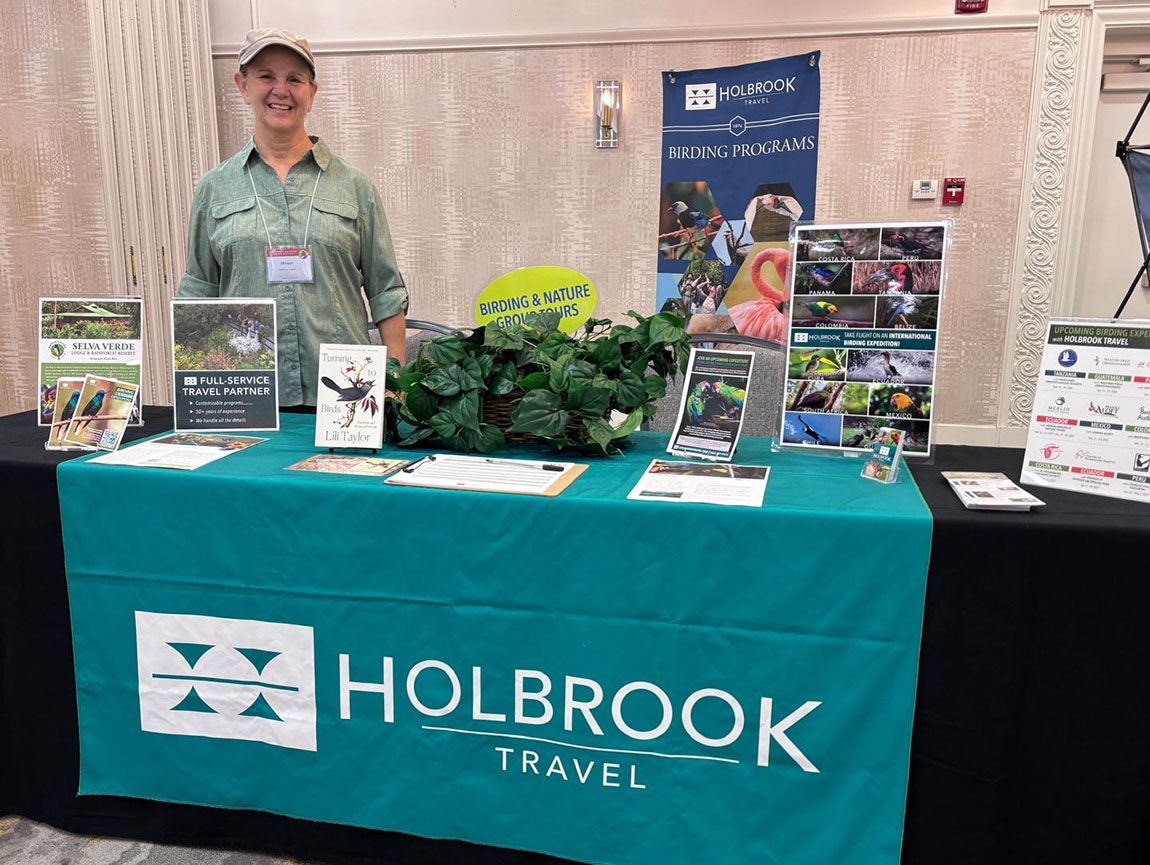
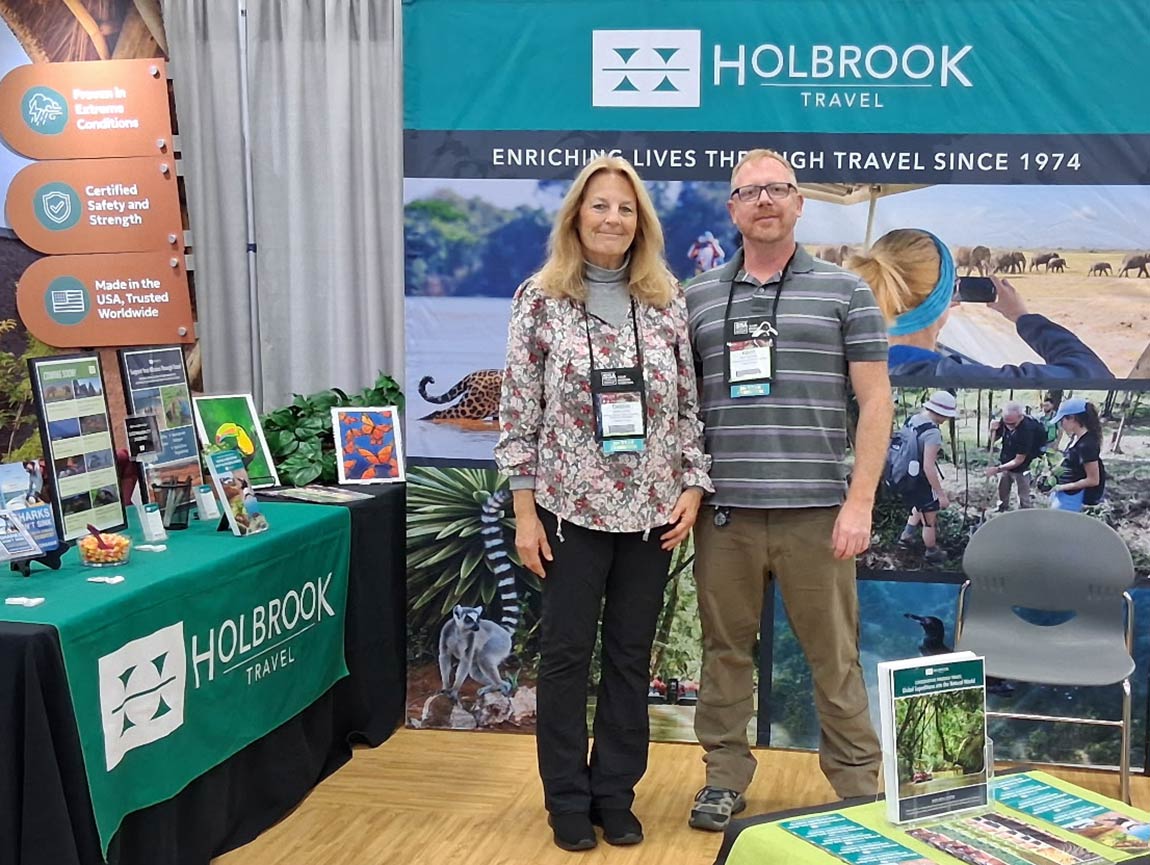
I’ve been a passionate birder, naturalist, and photographer since I was 17 years old, and for nearly 15 years I daydreamed constantly about traveling outside the United States—especially to experience tropical wildlife for the first time. Around my 30th birthday, I finally took the opportunity I had been longing for and joined my dear friend Jill Hays with Holbrook Travel on a birding trip to Central and Eastern Panama. I had no doubt this would become the greatest adventure of my life.
Fueled by childlike excitement, I didn’t sleep a single second the night before flying to Panama City. When I arrived at our hotel in the bustling metropolis on the afternoon of February 1st, 2025, exhaustion was completely overridden by adrenaline. After being greeted by our wonderful guide, Alex Guevara, Jill and I took a short walk around the block—and my first taste of Neotropical birds was underway. Crimson-backed Tanagers, Common Tody-Flycatchers, and Yellow-crowned Amazons appeared on the short stroll. I was already euphoric, and we hadn’t even truly begun.
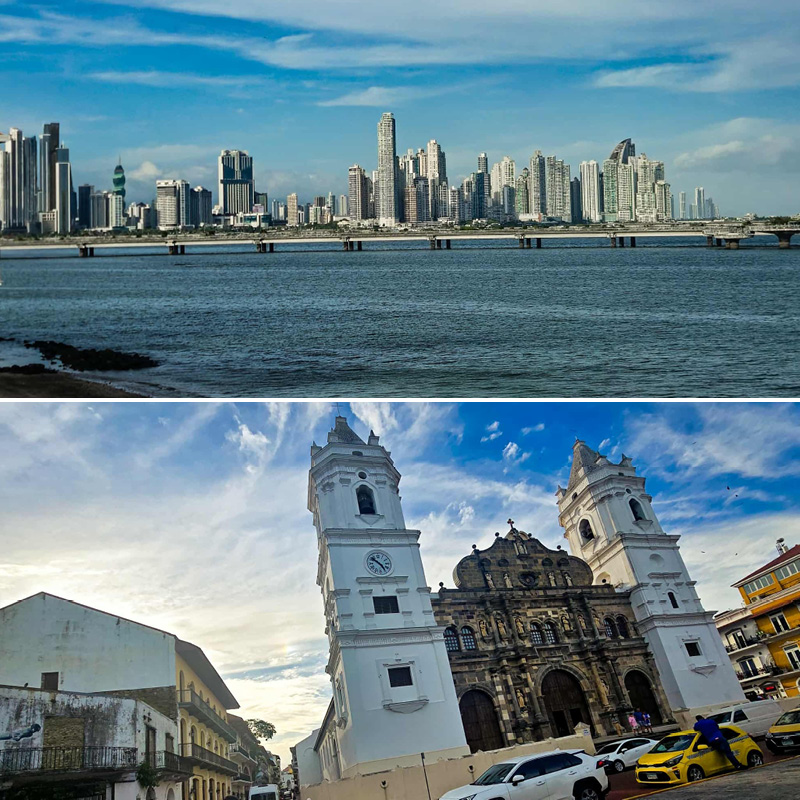
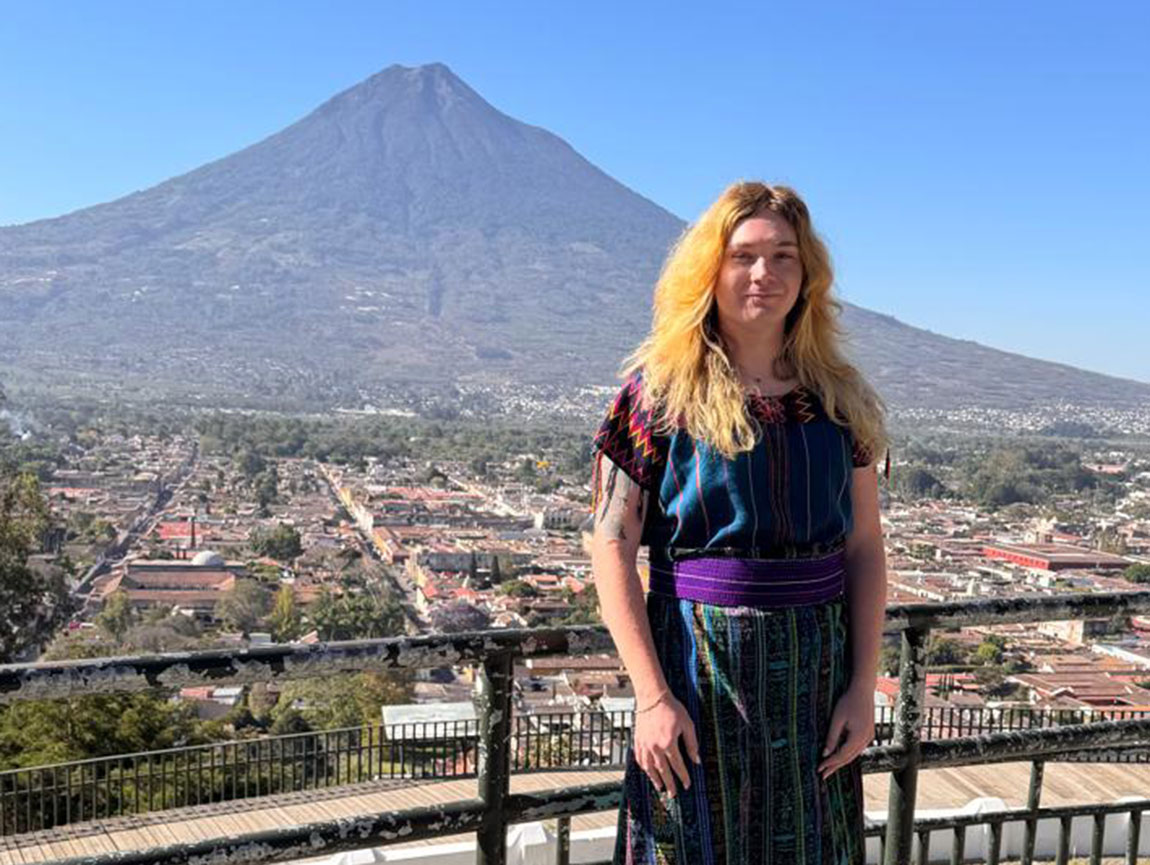
Panama City Skyline and Metropolitan Cathedral; photos by Austin Hess
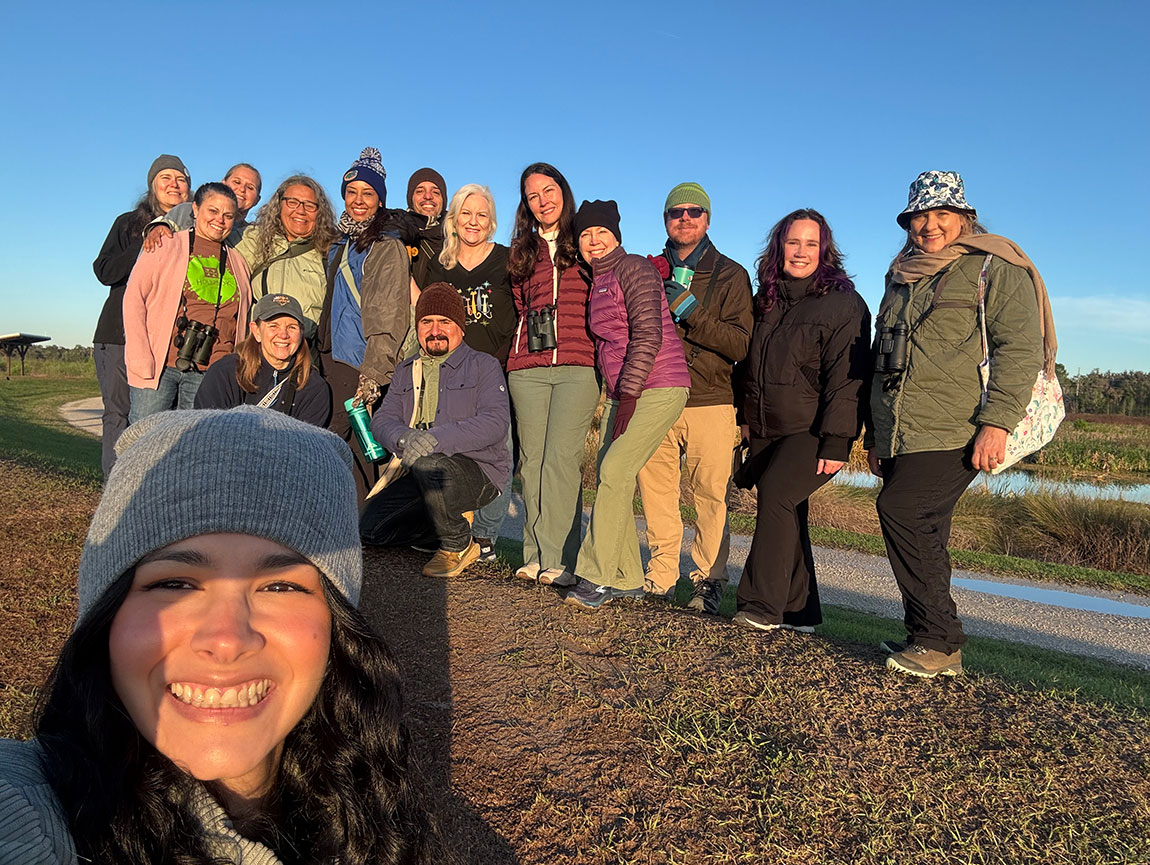
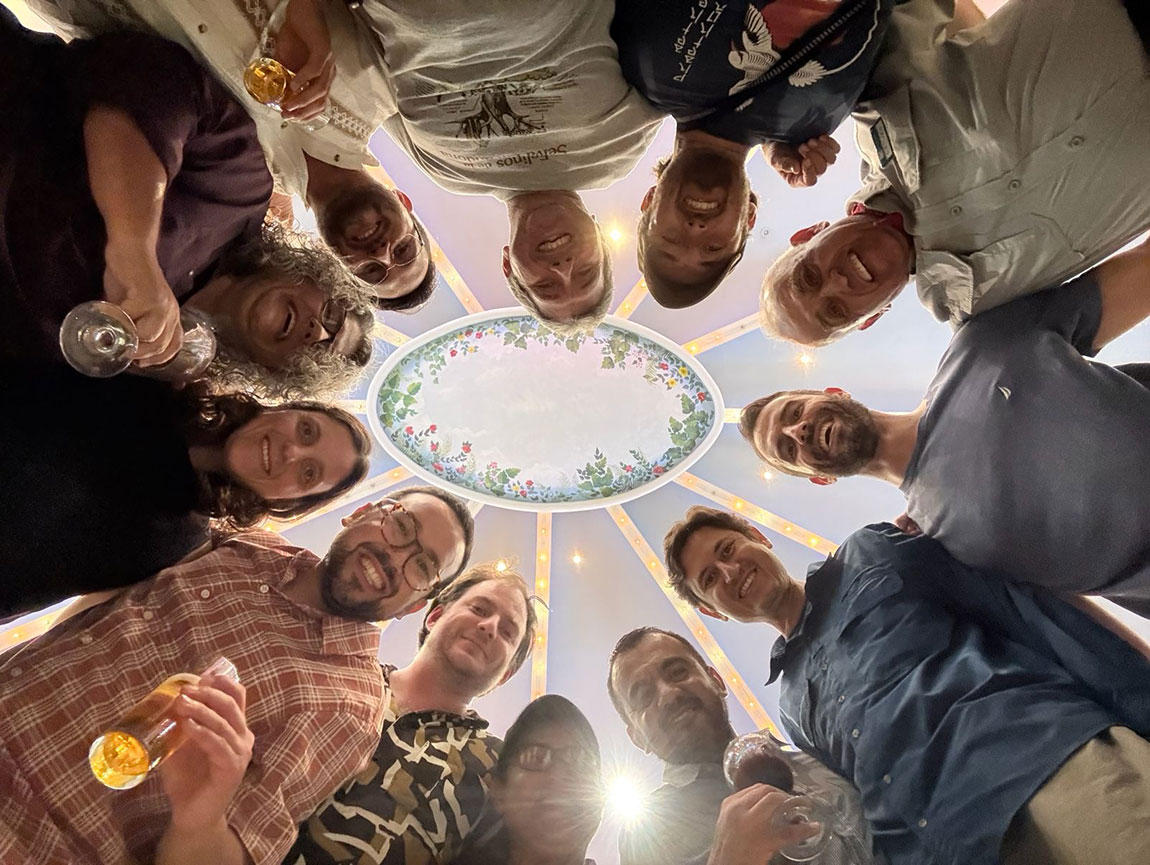
Over the next 10 days, our group of 13—including Alex and our exceptional driver Carlos—covered areas around Panama City and ventured into the remote eastern region known as the Darién. This area holds vast tracts of intact virgin lowland rainforest and hosts an incredible diversity of wildlife, including many species found nowhere else in Panama and reaching the very edge of their South American range.
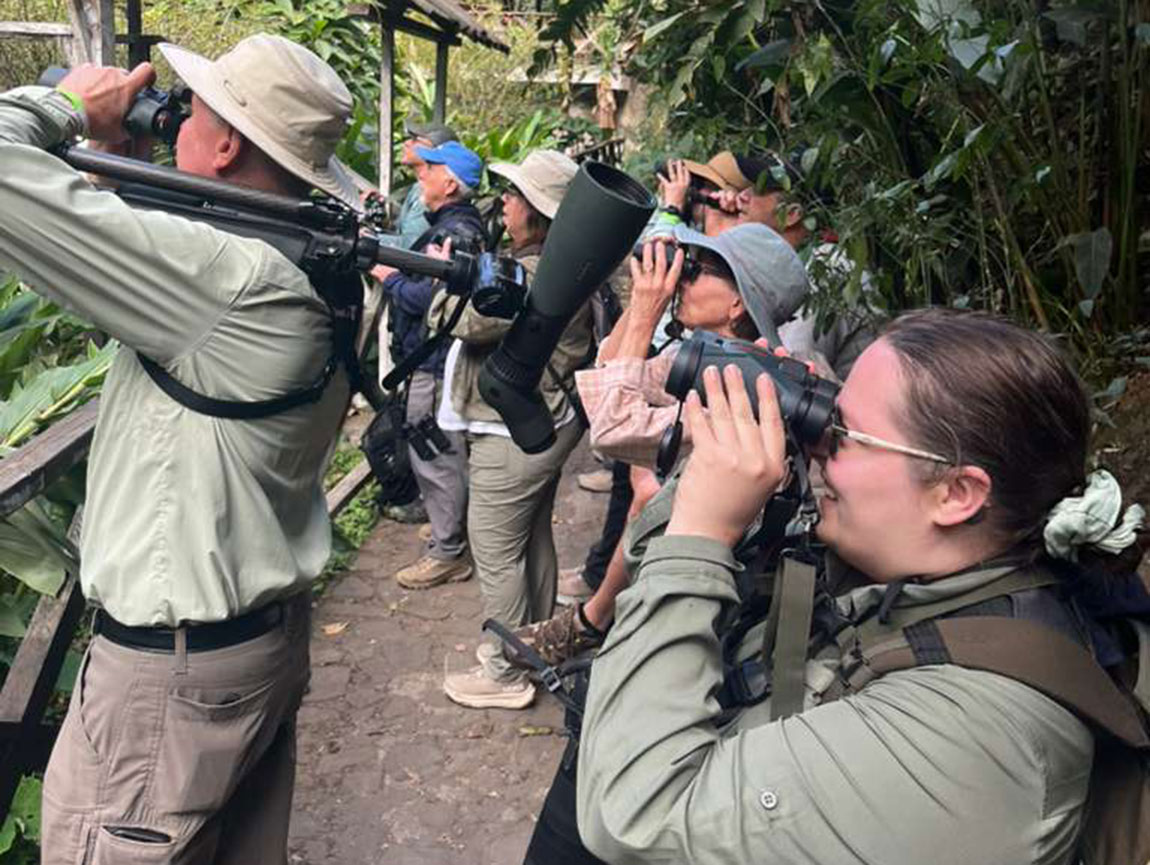
The diversity of birds we encountered was staggering. On the morning of our first full day at Parque Natural Metropolitano, we were immediately rewarded with stellar views of the iconic Keel-billed Toucan, as well as White-necked Puffbird, Great Potoo, Semiplumbeous Hawk, Fasciated Antshrike, and a rare Golden-crowned Spadebill. Mammals were equally cooperative, offering outstanding looks at Brown-throated Three-toed Sloth, Mantled Howler Monkey, Central American Agouti, and White-nosed Coati.
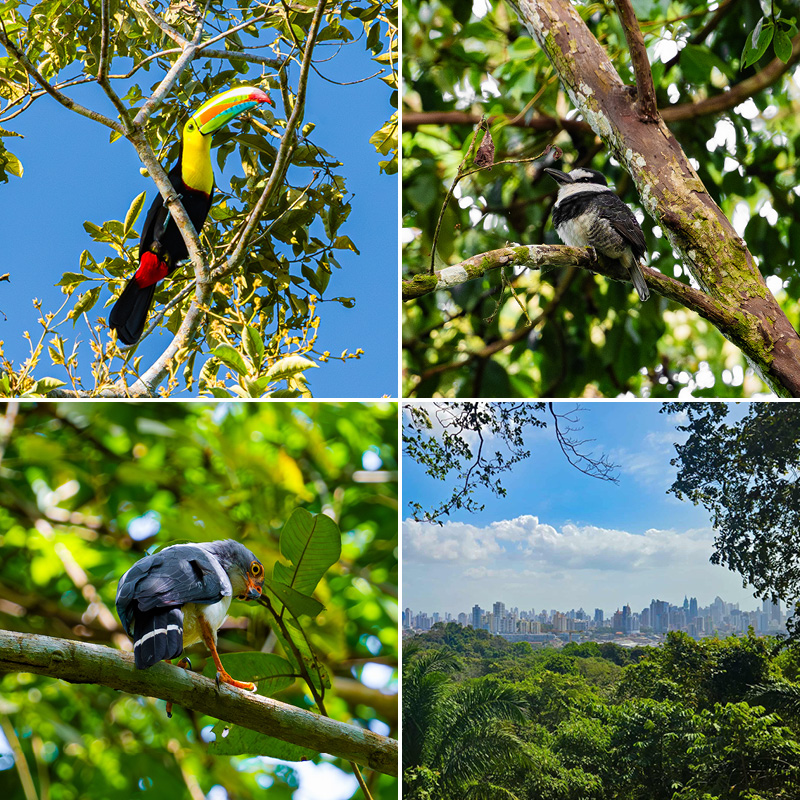
Keel-billed Toucan, White-necked Puffbird, Semiplumbeous Hawk, Panama City Skyline from Metropolitan Natural Park; photos by Austin Hess
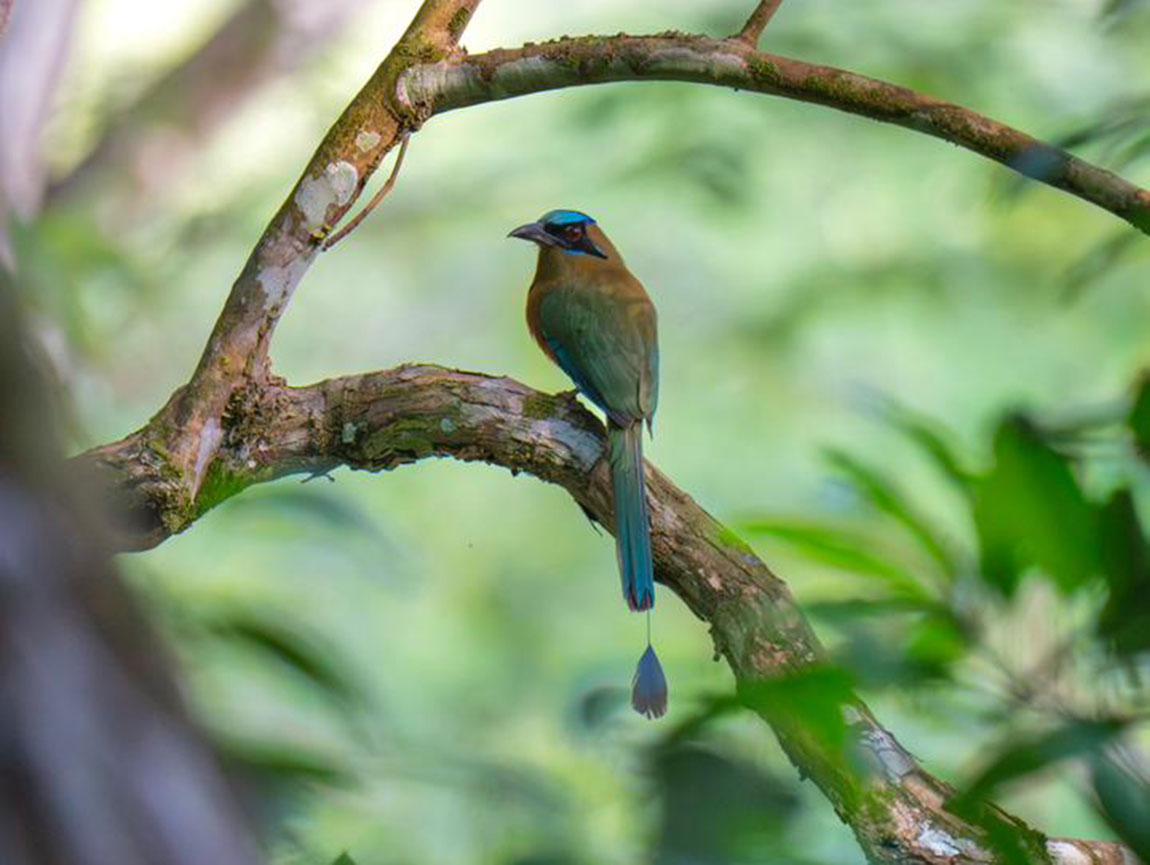
Our second full day took us to Cerro Azul, the only mountainous location on the itinerary. Highlights included the stunning Bay-headed Tanager, a Rufous Motmot, and a pair of endangered Crested Guans. After lunch, we stopped by Alex’s home, where we met his lovely family and enjoyed prolonged views of a pair of Black-and-white Owls roosting in his backyard. Soon after, we began our journey toward the Darién.
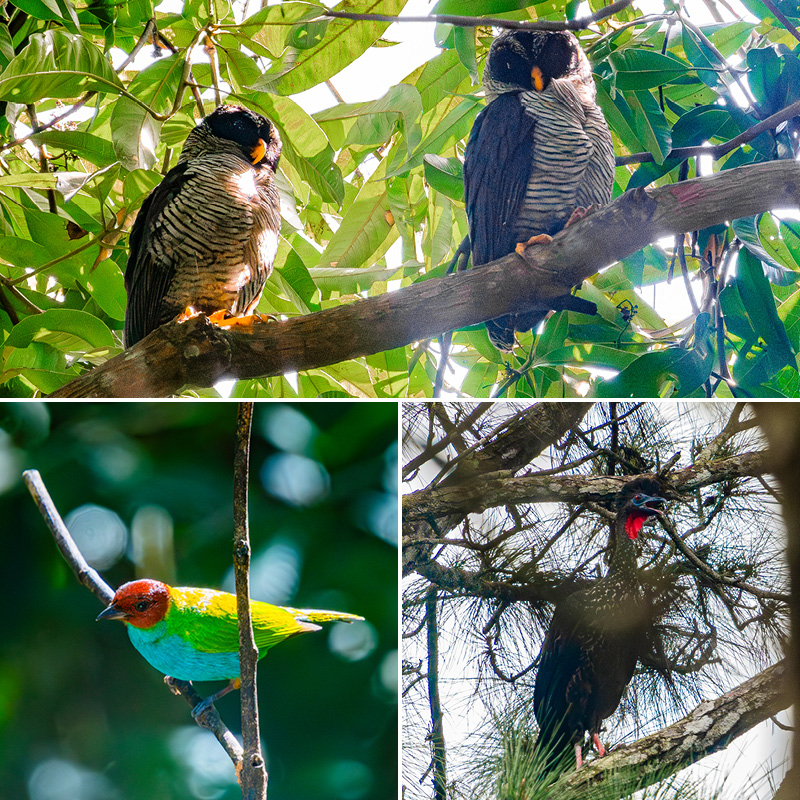
Black-and-white Owls, Bay-headed Tanager, Crested Guan; photos by Austin Hess
For several days, we birded across a wide variety of habitats throughout the region, and one particular evening felt like hitting jackpot after jackpot. Species such as White-eared Conebill, Striped Cuckoo, Spot-breasted Woodpecker, Pearl Kite, Fork-tailed Flycatcher, and a stunning Capped Heron in flight left us in awe.
On day five, we visited an Embera-Wounaan village—an experience that became one of the most meaningful moments of my life. Spending time with these warm, welcoming Indigenous people, watching their dances, and even dancing alongside them was profoundly moving. I remember tears streaming down my face as we said goodbye. It was an experience that touched me deeply and will stay with me forever.
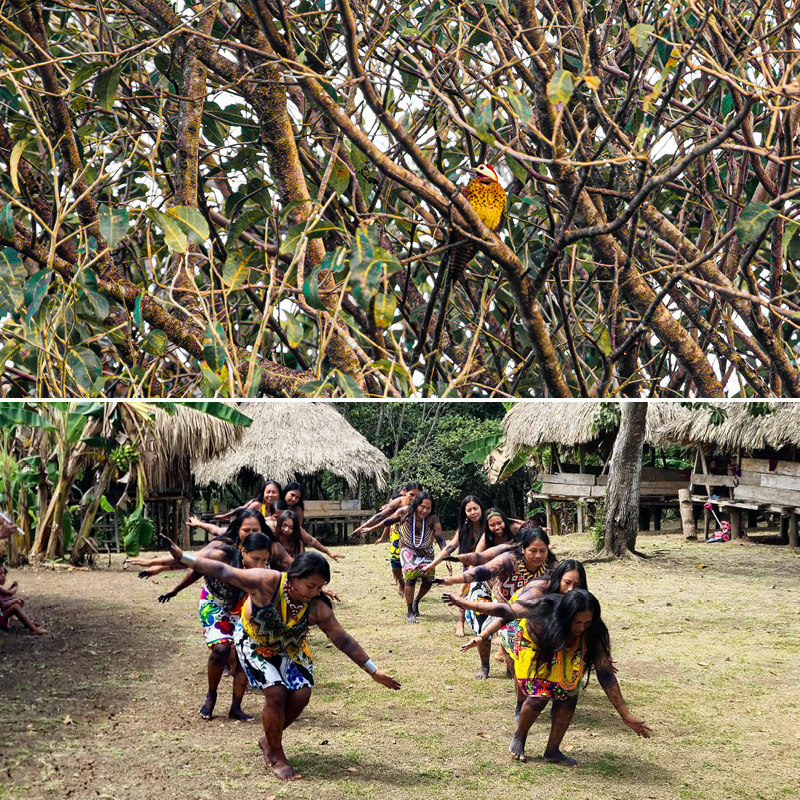
Spot-breasted Woodpecker, Wounaan village; photos by Austin Hess
By day seven, anticipation had reached a peak. This was the event of the trip.
When I was 17, I watched a BBC Earth documentary called "The Monkey-Eating Eagle of Orinoco". From that moment on, the Harpy Eagle became my favorite bird on the planet. These are beastly birds with talons longer than Grizzly Bear claws, and that regularly hunt large prey. Seeing one in the wild had been a huge dream—and now, on my very first Neotropical birding adventure, I had a chance.
To give ourselves the best possible odds, we woke at 2:00 a.m. We left our hotel in Metetí, drove for an hour, traveled by motorboat up a river, bounced along rough dirt roads, and then continued by foot—some on horseback, others including myself hiking a couple of miles—deep into Darién National Park. Finally, we reached a biological station and walked the last short stretch toward the nest.
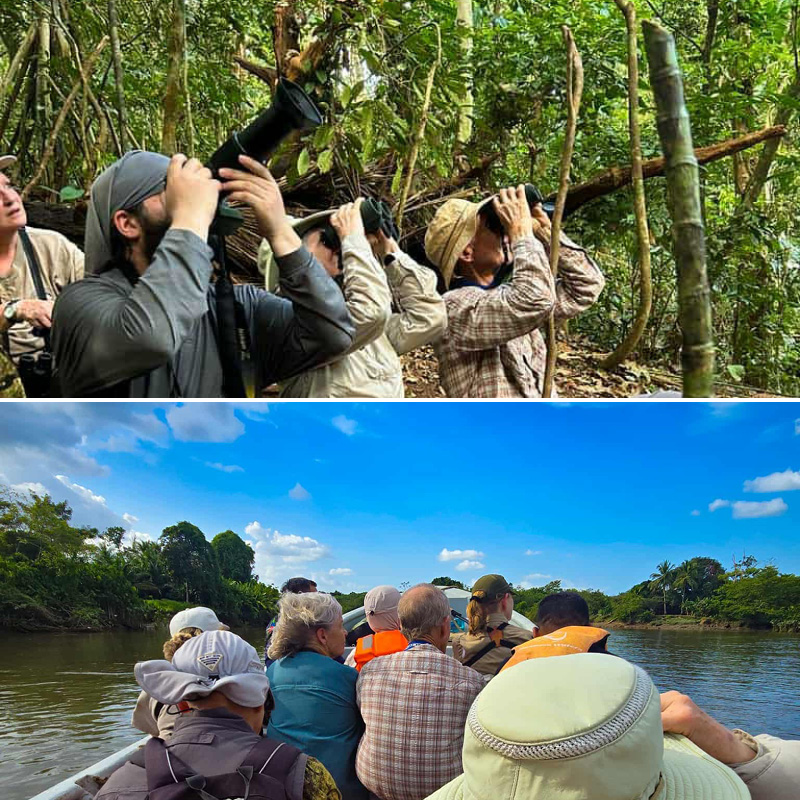
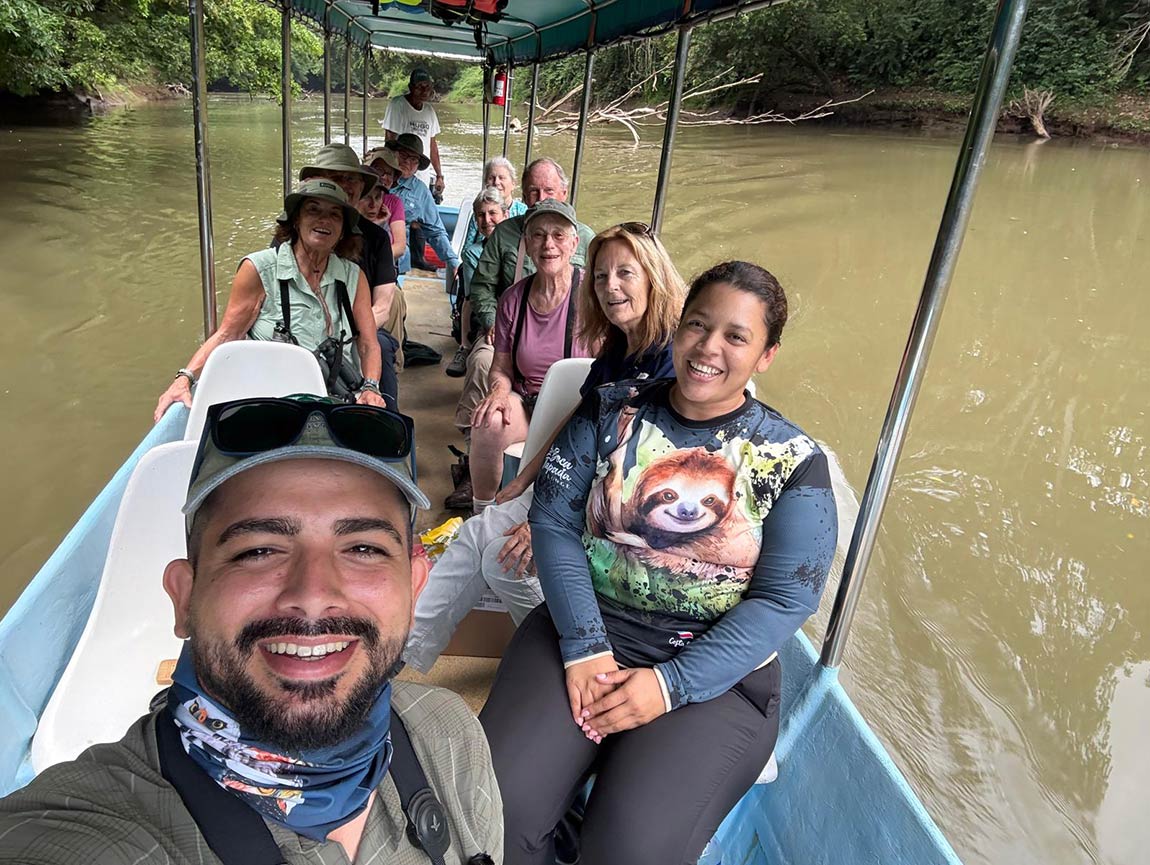
Observing a Harpy Eagle nest in Darién National Park, group boat ride in Metetí, Darién; photos by Austin Hess
I was second in line, just behind our Indigenous guide Isaac. When he said the words, “She’s on the nest!” time seemed to stop. This was a surreal moment I knew I'd always remember. There are no guarantees in nature, but we had succeeded in our quest. For about an hour, we sat on the rainforest floor and watched a massive female Harpy Eagle feed her chick, eventually moving to a perch where we all enjoyed incredible views and photographs. It was an experience beyond words—one I will carry with me for the rest of my life.
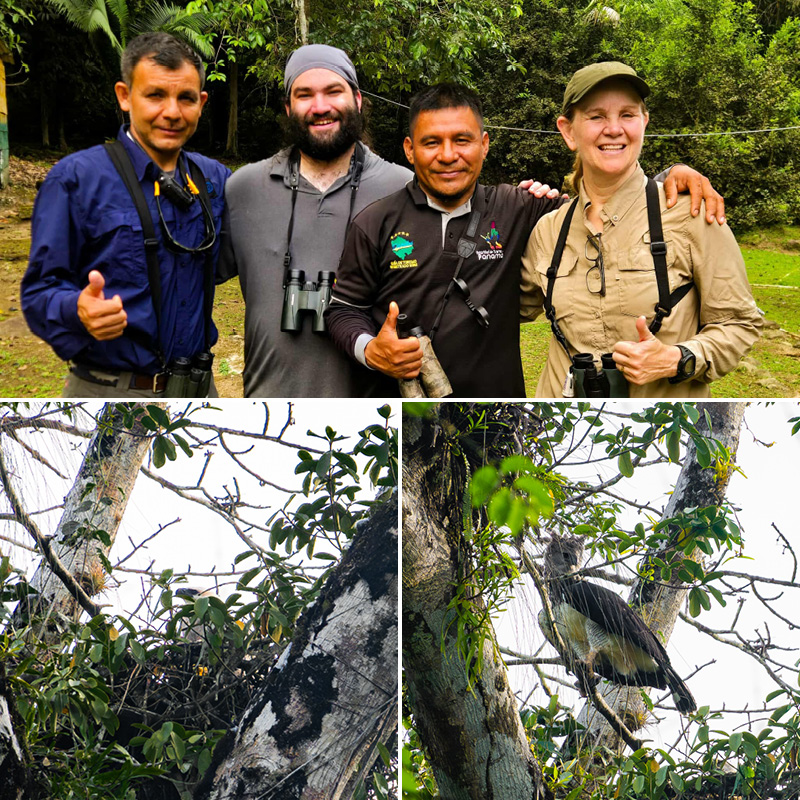
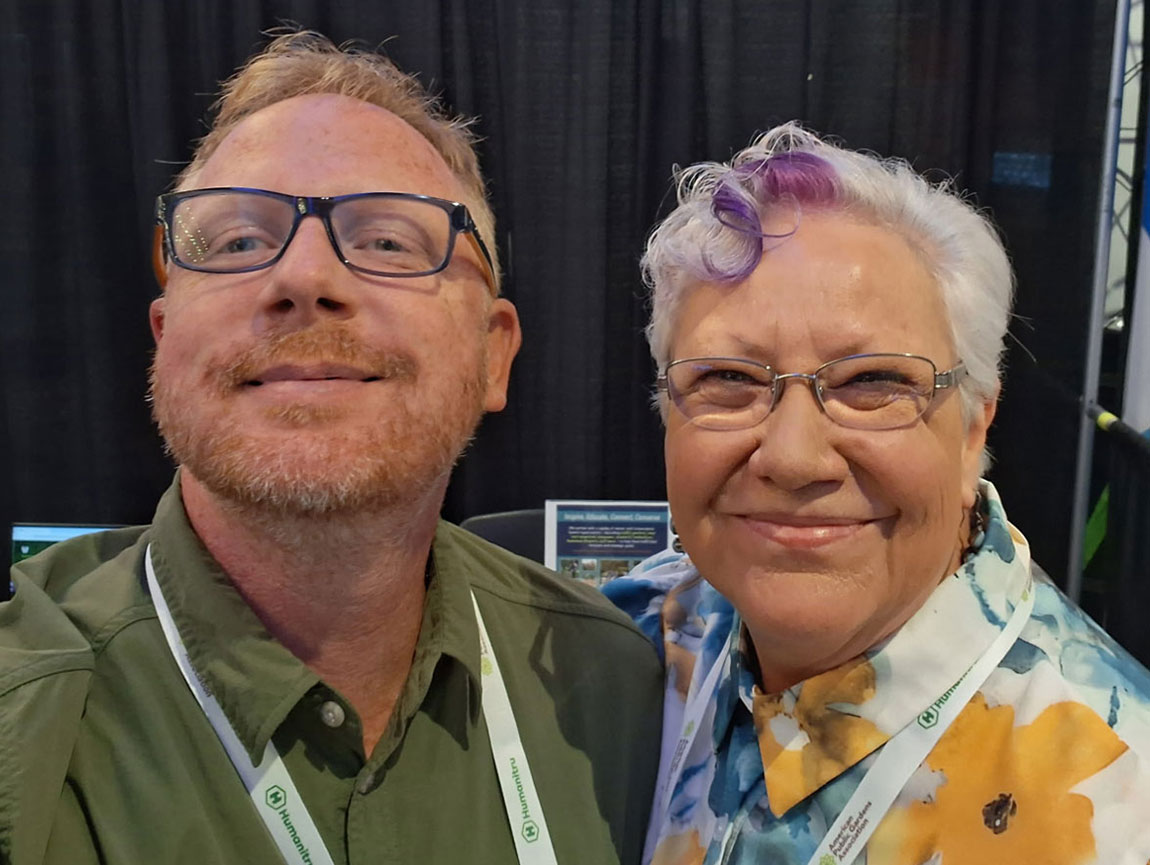
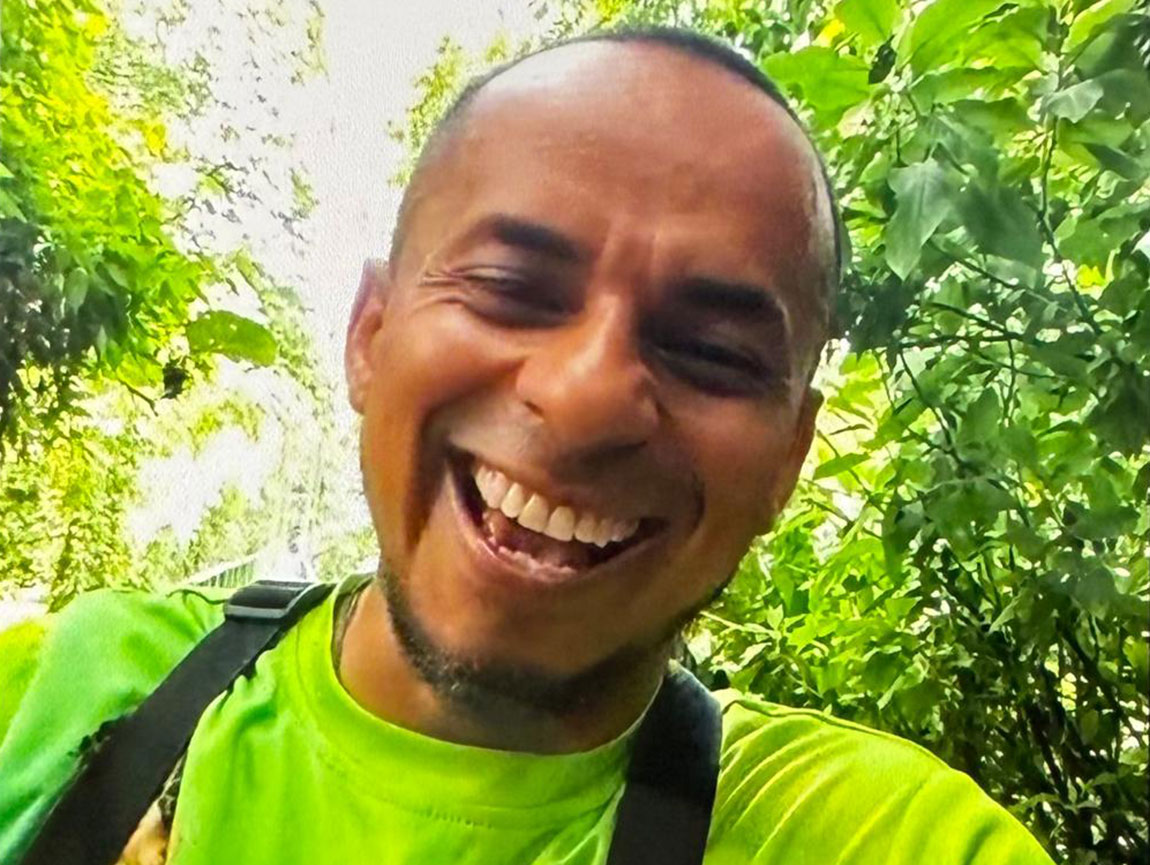
Group photo with local guide Alex Guevera, Austin Hess, Darién specialist guide, and Jill Hays; the Harpy Eagle and her nest; photos by Austin Hess
That same day delivered some of the best birding of the entire trip. Darién National Park, bordering Colombia, is a biodiversity powerhouse. Highlights included Sunbittern, Black-and-white Hawk-Eagle, Black-collared Hawk, King Vulture, Black Oropendola, and Chestnut-backed Antbird, as well as a Neotropical River Otter sighting!
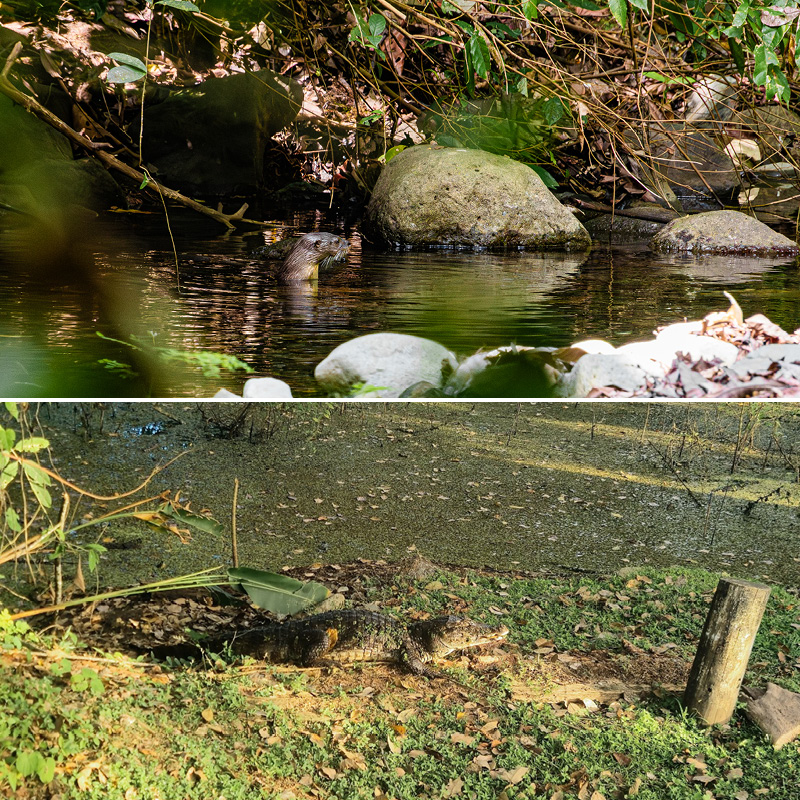
Neotropical River Otter, Spectacled Caiman; photos by Austin Hess
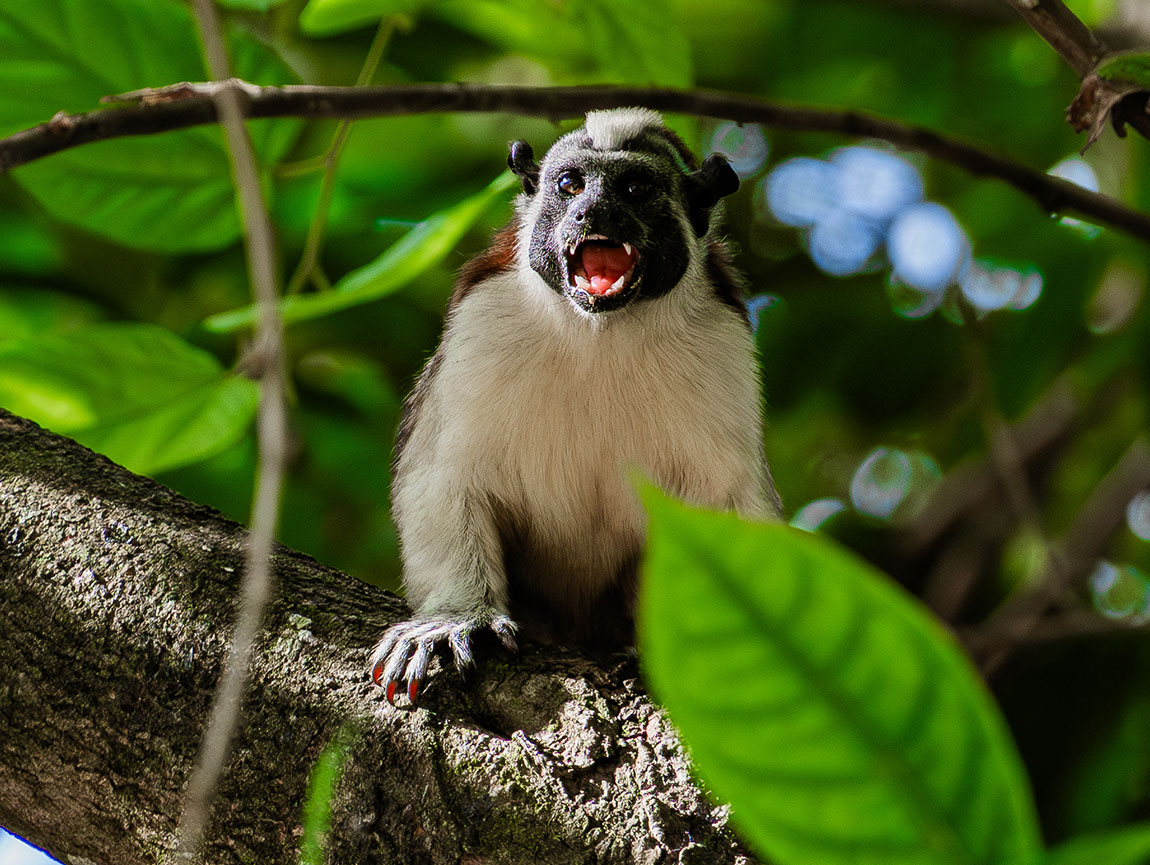
From there, we traveled to Gamboa Rainforest Resort near the Panama Canal. A brief roadside stop produced our best mammal sighting of the trip: the range-restricted Geoffrey’s Tamarin, an energetic little monkey that delighted us all.
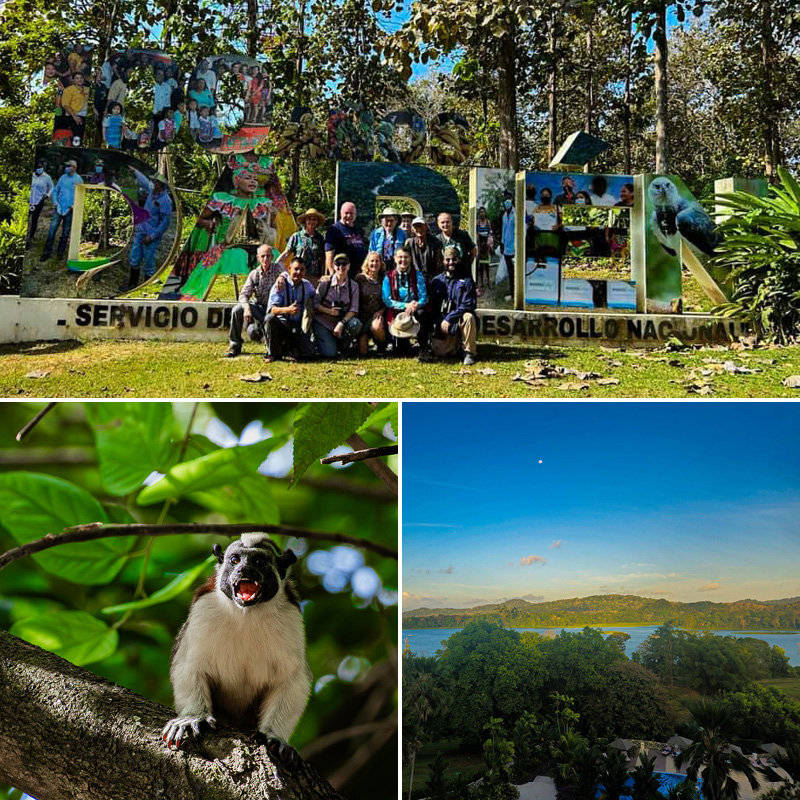
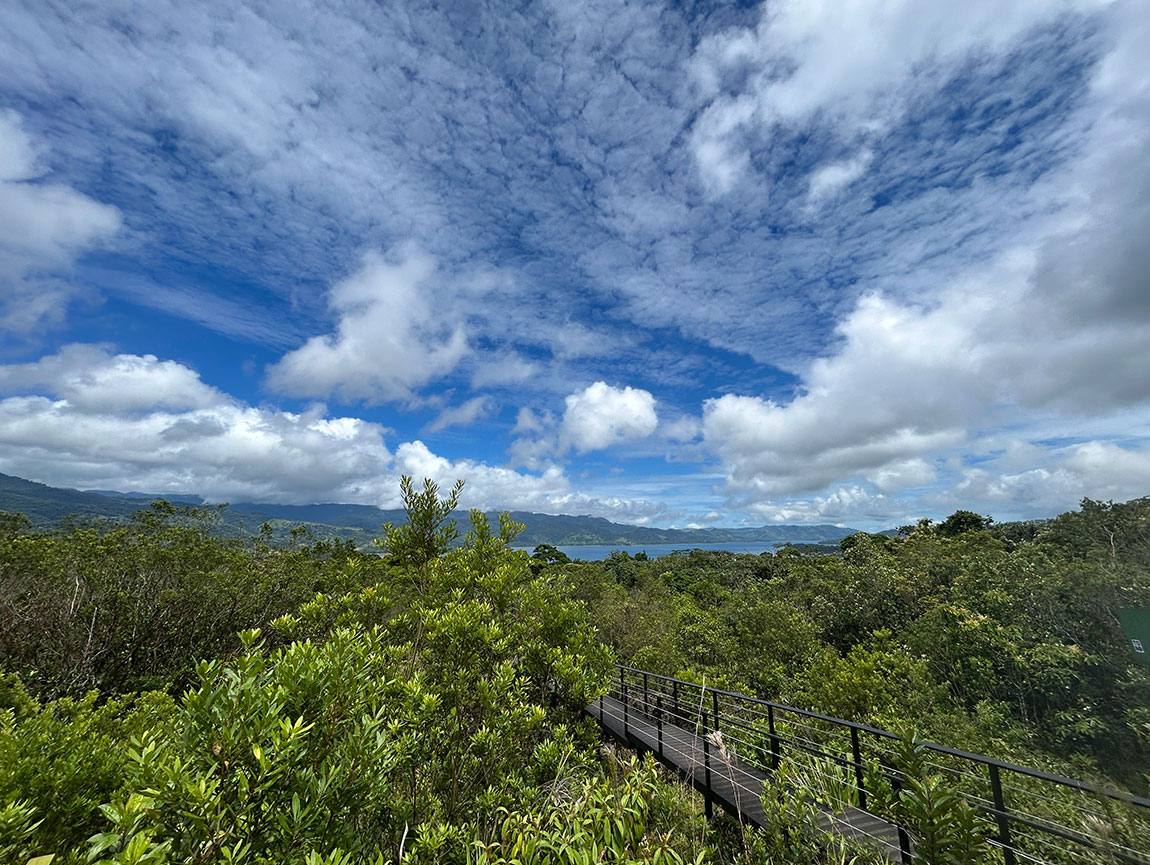
Group photo in Darién, Geoffroy's Tamarin, view from Gamboa Resort; photos by Austin Hess
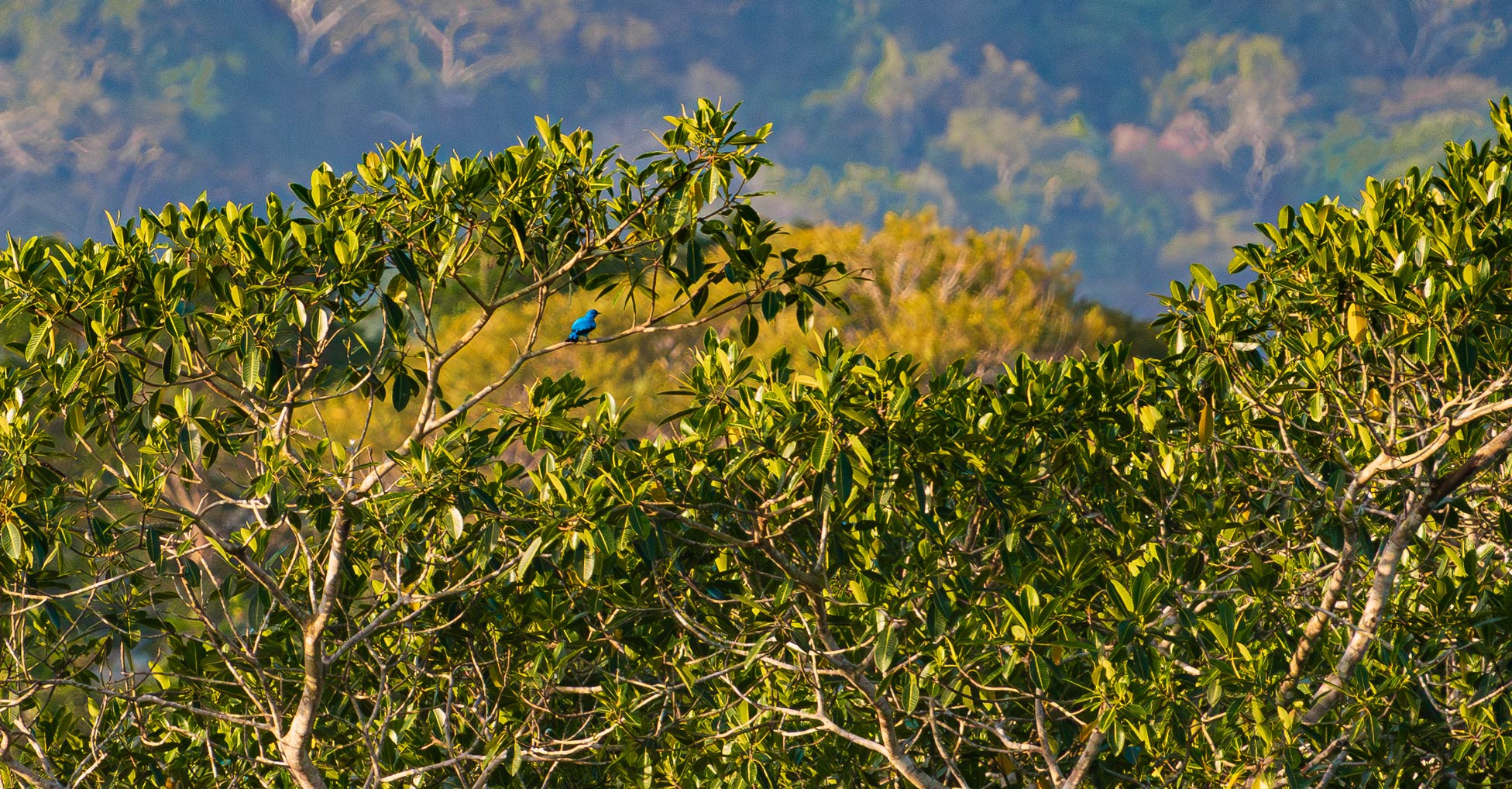
Gamboa proved to be a wonderful place to spend our final nights. We enjoyed excellent birding on the resort grounds and along the famous Pipeline Road, where a small ant swarm attracted Spotted and Bicolored Antbirds. Seeing the brilliant looking Green Shrike-Vireo from the ground—an elusive and slow-moving canopy species—was a major highlight, as was observing the astonishing Blue Cotinga from a canopy tower at the Rainforest Discovery Centre.
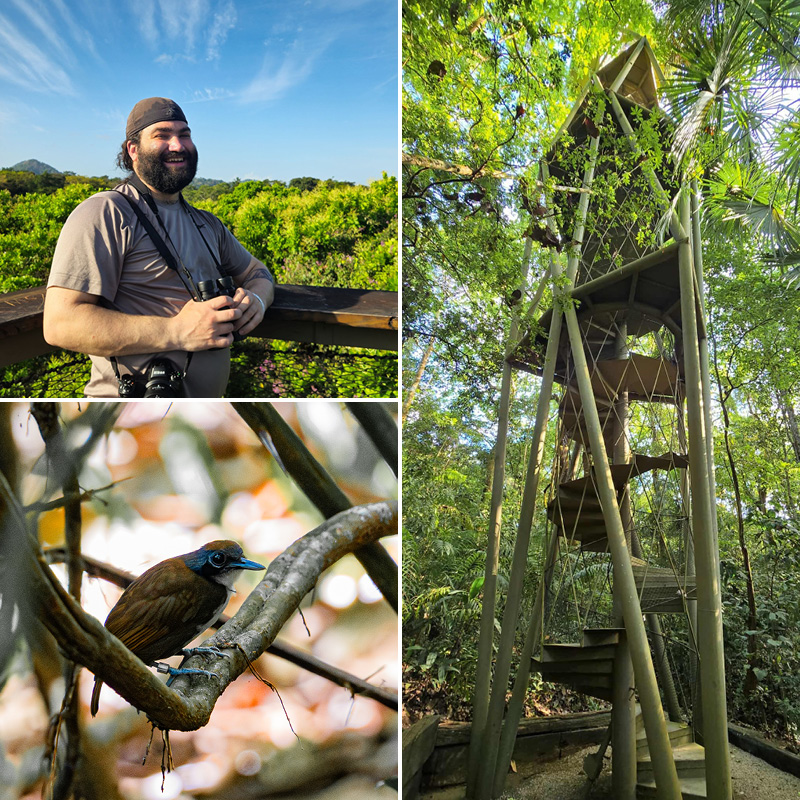
Austin Hess, the Rainforest Discovery Center Canopy Observation Tower, Bicolored Antbird; photos by Austin Hess
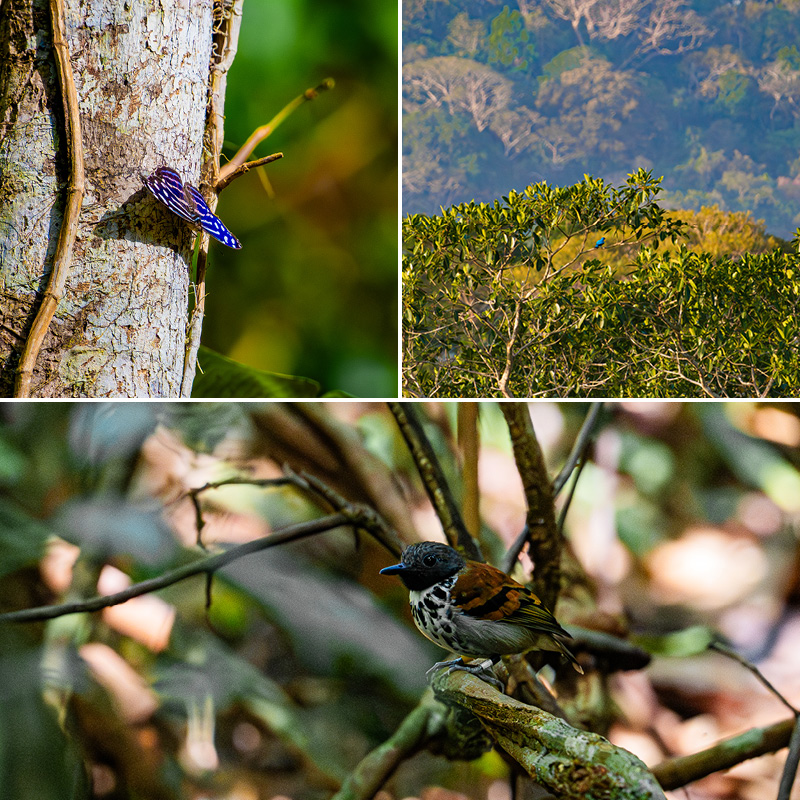
Whitened bluewing (Myscelia cyaniris), Blue Cotinga, Spotted Antbird; photos by Austin Hess
Before departing, we experienced the Panama Canal up close, watching a massive cruise ship pass through, and later enjoyed a farewell dinner in the historic colonial district of Panama City. By the end of the trip, we had recorded roughly 270 bird species, and I personally logged 195 lifers.
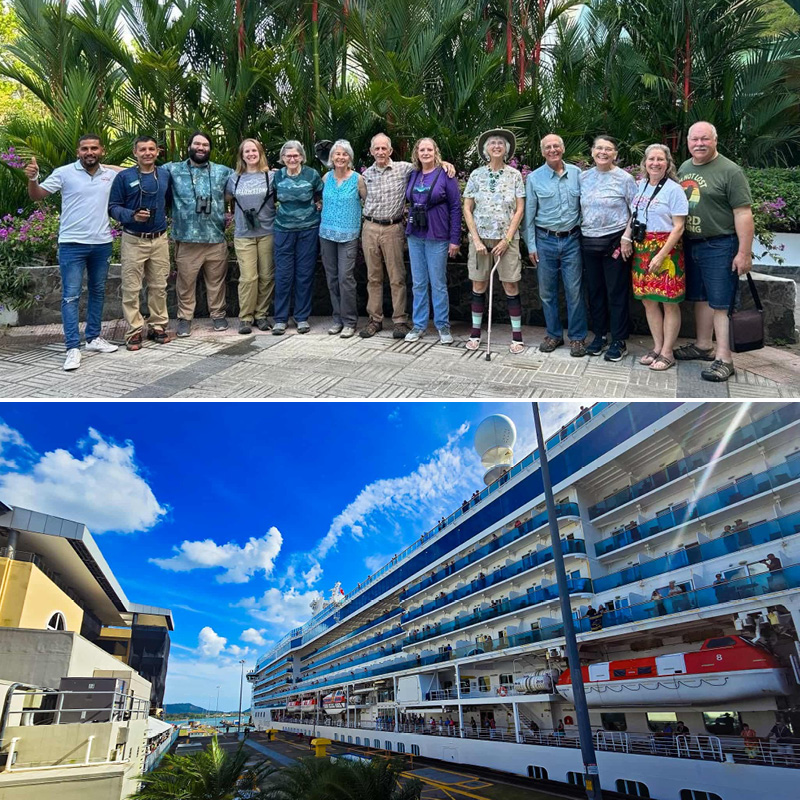
Group photo, Cruise ship transiting the Panama Canal; photos by Austin Hess
The incredible tropical wildlife, the amazing people, the super delicious food, and all the experiences combined into something truly special. Panama exceeded every dream I had carried for nearly 15 years, and it did indeed become the greatest adventure I’ve ever been on. Thank you for the memories, Panama—and thank you, Holbrook Travel.
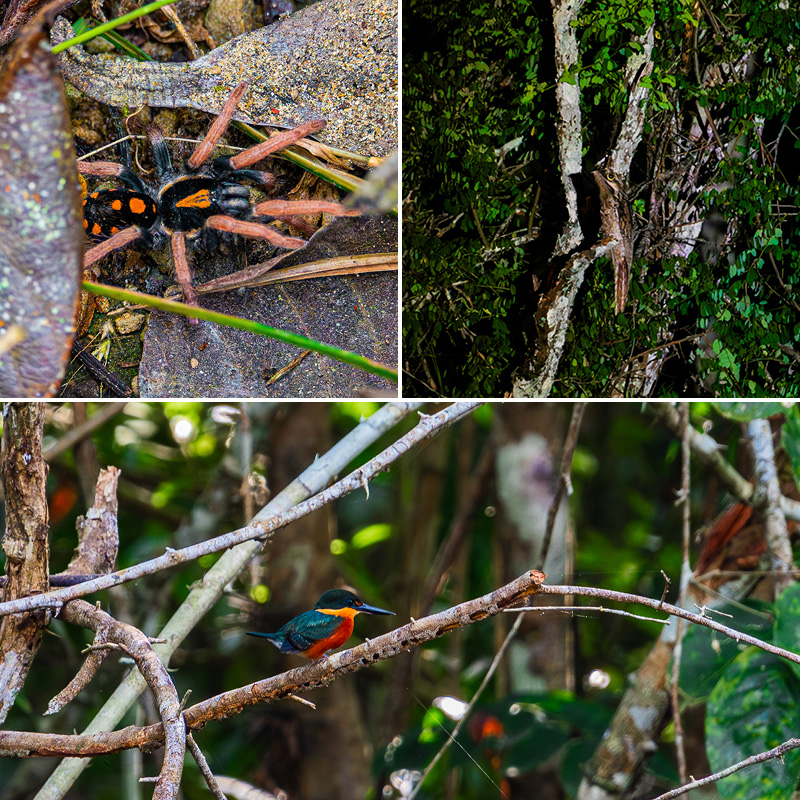
Pumpkin patch tarantula (Hapalopus sp.), Common Potoo, American Pygmy-Kingfisher; photos by Austin Hess